
Michael is a 42-year-old home improvement enthusiast and former professional janitor with over 15 years of experience in residential and commercial cleaning. Based in Chicago, he specializes in testing heavy-duty cleaners for tough messes like garage oil stains and kitchen grease. His honest, no-nonsense reviews help busy dads find products that save time and deliver real results.

Simple maple cues handle casual home play, while warp-resistant carbon fiber suits serious league games. Balance materials and budget without overpaying.

Most automatic pool vacuums need 2 to 3 hours per cycle, while manual cleaning takes 30 to 45 minutes. Keep water clear without overworking your pump.

Water spills over a lowered wall into a hidden basin, where a pump cycles it back. The visual trick looks seamless, but extra evaporation demands steady care.

Aim for 30 to 50 ppm by adding roughly 13 ounces of stabilizer per 10,000 gallons of water. Dose correctly by pool size to prevent chlorine lock.

In-ground skimmer costs climb fast when workers have to cut through concrete. See what drives the repair bill and whether a waterproof patch can fix the leak.
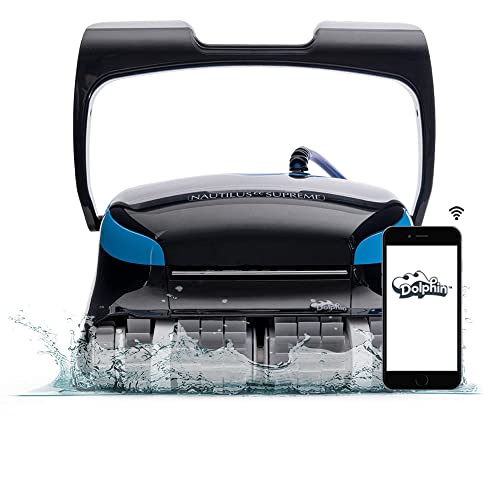
A Dolphin pool cleaner runs on safe low voltage without hooking to your pool pump. Built-in motors drive tracks, scrub surfaces, and trap dirt in filters.

Most fiberglass pools range from 3.5 to 6 feet deep, topping out near 8 feet due to highway shipping limits. Actual water depth runs 4 to 6 inches shallower.

Remove the winter cover cleanly, scoop heavy leaves to protect the pump, and shock murky water in the right order to get clear, swim-ready water safely.

Prevent electric shocks by placing a metal contact plate in the pool water and clamping it to your bare copper bonding wire. See where to install the plate.

Patch small rips in mesh and solid pool covers before winter hits. Seal both sides to keep debris out, and check when a tear is too big for a patch to hold.

Remove slick algae and stubborn stains from pool steps your cleaner misses. Brush top to bottom toward the main drain with safe tools that protect your liner.

Position your cover, drill deck anchors flush, and stretch spring straps in a balanced cross pattern so the safety cover stays drum-tight without deck damage.

Build a sturdy PVC pool ladder that sinks and stays put. Weight the pipes with clean gravel, vent trapped air, and protect your vinyl liner from tears.

Connect incoming power to line and pump wires to load without damaging your equipment. Clear steps to wire 120-volt and 240-volt pool timer boxes safely.
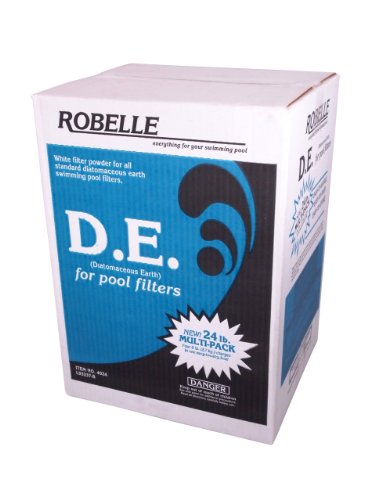
Mix powder into a bucket slurry and pour it slowly into the skimmer with the pump running to recharge your filter without clogging pipes or clouding water.

Patch small tears underwater with waterproof vinyl adhesive and reset loose edges into the top track using warm water, without ever draining the pool.
Check if you need an overlap or beaded liner, measure exact wall height, and pick the right vinyl thickness so your replacement fits without wrinkles.

Prevent cracked underground pipes by clearing water, pouring non-toxic pool antifreeze into skimmer and return lines, and sealing every opening with plugs.
Seal a vinyl pool liner leak underwater without draining. Use waterproof pool glue, cut rounded edges so patches cannot peel, and smooth out bubbles fast.

Remove chalky oxidation, apply a bonding primer to bare metal, and shield your pool water from overspray for a clean enclosure finish that will not peel.


