
How to Bond Pool Water to Keep Swimmers Safe

Many pool owners assume that grounding equipment protects swimmers from shock, but water can still carry stray electrical voltage. The true fix is to submerge a conductive stainless steel plate in constant contact with the water and clamp it to the pool bare copper bonding wire. Joining them keeps electrical voltage equal across the entire pool area, stopping stray currents from shocking anyone entering or leaving the water.
How you install this plate depends on your pool style and local building codes. Inground pools often use an inline pipe fitting, while above ground models usually secure the plate inside the skimmer casing or a pump drain plug. Local electrical inspectors also enforce strict rules for wire thickness and permits. The steps below walk through choosing your mounting spot, securing the plate, and tying into the bonding loop safely.
The Short Version
- Mount a conductive stainless steel plate inside your pool water, typically on the lower wall of your skimmer casing or through a pump strainer drain plug.
- Connect the plate to your pool bonding grid using a solid bare copper wire that is not smaller than No. 8 AWG (wire thickness rating).
- Fasten the wire tightly with an approved bonding lug (a screw clamp that locks a wire to a metal plate) to ensure continuous electrical contact between the water and the metal loop.
- Inspect the fitting once each season for mineral buildup or loose screws, and call a licensed electrician if your pool lacks an existing bare copper bonding ring.
Why Pool Water Needs Electrical Bonding
Water conducts electricity, especially when you treat it with sanitizers, minerals, and balancing chemicals. When salt or chlorine dissolves in pool water, it leaves behind charged particles called ions. These ions turn your swimming pool into an open liquid conductor. If electrical equipment near the pool leaks current, that voltage spreads across the entire body of water.
Your pool pump, water heater, and underwater lighting all run on electrical power. Over time, motor vibration, cracked wire casings, or loose connections can send stray voltage leaking into the ground or directly into your plumbing. Even nearby utility lines or home circuits can bleed stray electrical current into the earth around your backyard. When this happens, stray voltage gathers in the water because it has nowhere else to go.
The real hazard appears when a swimmer decides to get into or out of the water. If stray voltage builds up in the pool water while the surrounding concrete patio sits at zero volts, the swimmer bridges that gap. The moment your hand touches a metal handrail or your wet foot steps onto the concrete, that stored electricity uses your body to travel between the two surfaces. You might feel a faint tingling sensation on your skin, or you could receive a painful, dangerous shock that causes muscle lockup in the water.
Water bonding prevents this scenario through equipotential bonding (creating a shared path so nothing carries a different voltage). By placing a conductive metal plate directly in the water and linking it to the pool structure and metal equipment, you bring the water and everything around it to the exact same electrical level. When the water, deck, ladder, and pump casing share the same voltage level, electricity has no reason to move. It will not flow through a person because there is no electrical difference between the pool and the ground.
Since 2008, the National Electrical Code has mandated that pool water itself must be electrically bonded, rather than just bonding the metal parts inside the pool structure. This rule applies to both in-ground and above-ground installations to keep swimmers safe from hidden stray currents.
Bonding Versus Grounding: Why Equipment Grounding Will Not Protect Swimmers
Many pool owners assume that because their pool pump motor is plugged into a grounded outlet, their pool water is safe. Grounding and bonding serve two completely different safety jobs, and relying on grounding alone leaves swimmers unprotected.
Equipment grounding creates an emergency escape path back to your home electrical breaker panel. If a live wire inside your pump motor comes loose and touches the metal motor housing, the green ground wire carries that massive surge back to the breaker box to trip the circuit breaker. Grounding exists to cut power quickly during a major equipment short so the motor does not catch fire or shock someone who touches the pump casing on the equipment pad.
Bonding does not clear faults or trip circuit breakers. Bonding connects all the metal parts around the pool into one continuous loop using heavy copper wire. This includes the steel rebar inside concrete pool shells, metal ladder brackets, light niches, pump housings, and the pool water itself. This loop creates a uniform electrical web around the entire pool area.
Modern pool plumbing uses rigid PVC plastic pipes. Plastic does not conduct electricity. Because the pipes running from your pool skimmer to your filter pump are plastic, your pump motor ground wire cannot pull stray electricity out of the pool water. The pool water sits isolated inside a giant plastic, vinyl, or fiberglass shell. Equipment grounding clears broken motors at the pad, but only a dedicated water bonding plate can equalize the voltage floating in the water itself.
Choosing Where to Install Your Water Bonding Plate
To meet safety standards, your water bonding plate must stay submerged in pool water at all times. If the water level drops slightly or the pump turns off for the evening, the metal plate must still touch the water. You have three main mounting locations to consider based on your setup.
- Skimmer casing: This is the most common and reliable location for both above-ground and in-ground pools. The bonding plate mounts to the lower inside wall or bottom floor of the skimmer body, below the skimmer basket. Because pool water always fills the skimmer well even when the pump is off, the plate maintains continuous contact with the water.
- Pump strainer drain plug: Some specialized kits replace the threaded winterizing drain plug on your pump strainer pot with a conductive metal probe. This option requires no cutting or drilling through pool plastic. However, you must confirm that your pump strainer pot stays filled with water when the system shuts down. If your pump loses prime or drains back into the pool when turned off, it loses continuous water contact.
- Inline pipe fitting: An inline water bond uses a PVC pipe union with an internal stainless steel coil or pin glued directly into your circulation plumbing. This works well on custom in-ground builds where running a wire to the skimmer is difficult. You must install the fitting on the pool side of any shutoff valves and place it lower than the pool waterline so it never runs dry.
For most above-ground pools and existing in-ground setups, mounting the bonding plate inside the skimmer is the safest choice because it guarantees that water touches the plate throughout the swimming season.
How to Install a Skimmer Water Bonding Kit Step-by-Step
Installing a skimmer bonding kit requires basic hand tools and careful attention to watertight seals. Follow these steps to mount the plate securely.
- Turn off power and prepare the skimmer: Switch off the circuit breaker for your pool pump and filtration system. Remove the skimmer lid and pull out the skimmer basket. Wipe away any algae, leaves, or grit along the bottom surface of the plastic housing.
- Mark and drill the mounting hole: Locate a flat spot on the bottom or lower side wall of the skimmer cavity, well below the basket track. Using the drill bit size specified in your kit instructions, drill a single clean hole through the plastic skimmer wall. Hold your drill steady to prevent cracking brittle plastic. Clear away any plastic shavings from inside the housing.
- Seat the plate and rubber seal: Take the stainless steel bonding plate and place the rubber sealing gasket over its threaded mounting stud. Push the stud through the hole from the inside of the skimmer out toward the open air. The flat face of the steel plate should sit flush against the inside plastic wall, where pool water will submerge it completely.
- Tighten the exterior hardware: Go to the outside of the skimmer. Slip the flat washer, lock washer, and securing nut over the threaded stud sticking through the plastic wall. Hand-tighten the nut first. Use a wrench to snug the nut down until the rubber gasket inside the skimmer compresses firmly against the plastic. Do not over-tighten, or you risk cracking the skimmer body.
- Attach the bonding lug: Thread the bonding lug (a screw clamp that locks a wire to a metal plate) onto the remaining exposed threads of the stud. Tighten the locking nut against the lug to hold it firmly in place. Point the open wire channel on the lug toward the ground so your copper wire can run straight down without awkward bends.
Connecting to the Grid: Running Solid Copper Wire to the Pool Bonding Loop
Once the plate is secured in the skimmer, you must connect it to the rest of the pool bonding web. A bonding plate without a connection to the outdoor grid does nothing to protect swimmers.
- Measure and cut solid copper wire: Measure the distance from the skimmer bonding lug down to your pool main bonding wire. Use bare, solid copper wire that is not smaller than No. 8 AWG. Never substitute stranded electrical wire, because the tiny individual copper strands corrode rapidly in moist outdoor soil and loosen inside mechanical lugs.
- Seat the wire in the bonding lug: Slide the end of the bare copper wire into the open slot of the bonding lug on the outside of your skimmer. Turn the brass lug screw down with a screwdriver or socket wrench. Tighten the screw until it pinches the copper wire tight. Pull firmly on the wire with your hand to confirm it cannot slip or wiggle loose.
- Route the wire safely: Guide the bare copper wire down the exterior wall of the pool. On an above-ground pool, you can route the wire alongside a structural vertical upright. For an in-ground pool, push the wire down into a shallow trench in the ground to protect it from lawnmowers, weed trimmers, and foot traffic. If you need to fix a cracked pool deck nearby, keep your wire route clear of any heavy concrete repairs.
- Connect to the bonding ring: Locate the pool main bare copper bonding loop. On an above-ground pool, this wire commonly ties into the pool wall base plates and the pump motor casing. On an in-ground pool, it circles the perimeter under the deck. Attach your new wire to this existing loop using an approved bronze split-bolt clamp or direct-burial bonding clamp. Tighten both nuts on the clamp securely to lock the two wires together.
Common Mistakes to Avoid When Bonding Pool Water
A water bonding setup looks simple, but small oversights can break the electrical path and leave swimmers exposed to stray currents. Keep these common mistakes in mind as you work.
- Using wire that is too thin: Electrical safety codes specify bare solid copper wire rated at No. 8 AWG or thicker. Using thin gauge wire, green insulated grounding wire, or aluminum wire violates safety rules and increases resistance across the loop.
- Tying into your home breaker panel: Some homeowners run the water bonding wire into a nearby electrical outlet or back to the house electrical subpanel. Do not do this. Bonding must connect directly to the outdoor pool equipotential loop. Routing stray pool current back into the house grounding system can introduce voltage into your home appliances.
- Mounting the plate above the waterline: If you install the plate high up on the skimmer wall, normal evaporation or heavy splashing can leave the plate sitting in dry air. When the plate loses physical contact with the water, your water bond stops working immediately.
- Cracking the skimmer plastic: Over-tightening the mounting nut with a large socket wrench is easy to do on aged skimmers. Brittle plastic cracks under heavy pressure, causing slow leaks that wash out dirt behind your pool wall. Snug the nut just enough to compress the rubber gasket.
- Ignoring corrosion and scale: Heavy mineral deposits or calcium buildup can form a thick crust over the stainless steel plate. This is especially true if you treat a salt water pool, where mineral scale and galvanic activity occur more quickly. Inspect the plate inside your skimmer once every few months and brush away any crust so bare metal touches the water.
When to Call a Licensed Electrician
While installing the mechanical plate into a skimmer is a straightforward home project, working with your pool electrical bonding loop requires caution. You should stop and call a licensed electrician under the following conditions:
- You cannot find an existing bonding ring: Older pools built before modern codes often lack a visible bare copper wire loop around the pool deck or equipment pad. An electrician must verify whether a bonding grid exists under the deck or install a compliant bonding loop from scratch.
- Swimmers feel any tingling or buzzing: If anyone feels a mild shock or tingling sensation while touching the water, metal ladder, or wet pool deck, turn off all pool equipment at the main circuit breakers immediately. Do not enter the water. Call a qualified electrician to inspect the pool for active electrical faults.
- You are wiring new pool lights or heaters: When you safely wire a pool light or connect a new high-voltage heater, an electrician should inspect the bonding connections to confirm every metal housing ties into the same shared loop.
- Local municipal permits require signed inspection: Many local building departments require an electrical permit and formal sign-off for any work touching pool bonding systems. A licensed professional ensures the work meets every regional requirement.
Choosing the Right Water Bonding Kit
When shopping for a pool water bonding kit, focus on materials designed to withstand continuous submersion in chlorinated or salted pool water. Look for kits that use marine-grade stainless steel for the contact plate to prevent rust and chemical degradation over years of use.
Check the compatibility of the kit with your specific pool design. Above-ground pool kits often feature curved plates shaped to sit neatly along the curved interior walls of standard above-ground skimmer bodies. In-ground kits generally feature flat plates designed to lay flush against rectangular skimmer basins. Ensure the kit includes a heavy-duty brass or bronze bonding lug, a durable rubber sealing gasket, and stainless steel mounting hardware that accepts a solid No. 8 AWG copper wire.

- VC Score9.4
BCP Score is a ranking system developed by bestcleanerproducts.com. BCP Score has no relationship or impact from any manufacturers or sales agent websites. Learn more
- BrandGopper
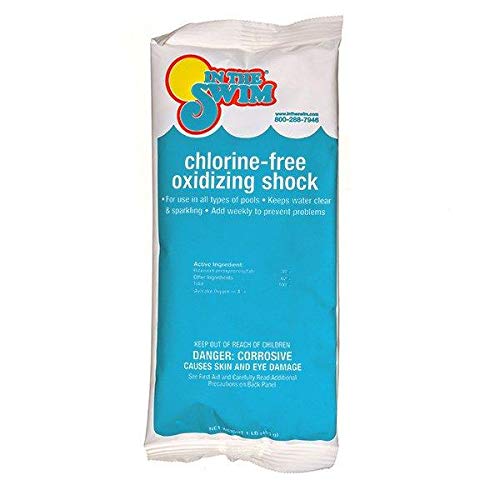
- VC Score9.2
BCP Score is a ranking system developed by bestcleanerproducts.com. BCP Score has no relationship or impact from any manufacturers or sales agent websites. Learn more
- BrandIn The Swim

- VC Score9.2
BCP Score is a ranking system developed by bestcleanerproducts.com. BCP Score has no relationship or impact from any manufacturers or sales agent websites. Learn more
- BrandGLB
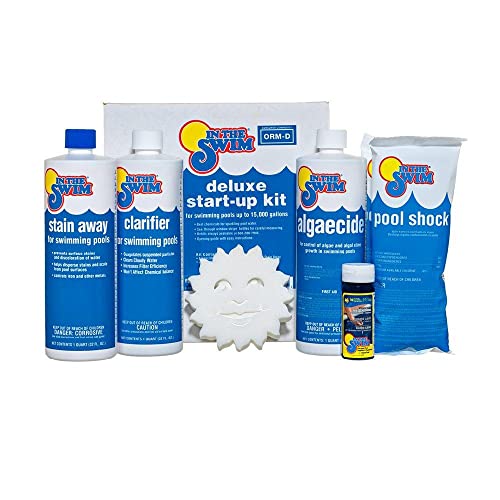
- VC Score9.2
BCP Score is a ranking system developed by bestcleanerproducts.com. BCP Score has no relationship or impact from any manufacturers or sales agent websites. Learn more
- BrandIn The Swim

- VC Score9.0
BCP Score is a ranking system developed by bestcleanerproducts.com. BCP Score has no relationship or impact from any manufacturers or sales agent websites. Learn more
- BrandCendasun

- VC Score9.0
BCP Score is a ranking system developed by bestcleanerproducts.com. BCP Score has no relationship or impact from any manufacturers or sales agent websites. Learn more
- BrandJNW Direct

- VC Score8.6
BCP Score is a ranking system developed by bestcleanerproducts.com. BCP Score has no relationship or impact from any manufacturers or sales agent websites. Learn more
- BrandCUSTOM MOLDED PRODUCTS INC
- VC Score8.6
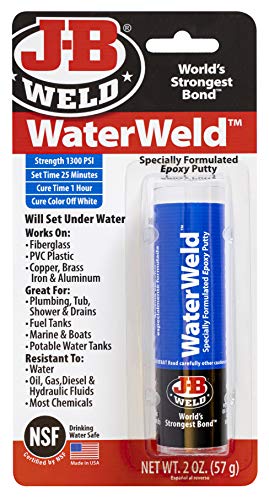
BCP Score is a ranking system developed by bestcleanerproducts.com. BCP Score has no relationship or impact from any manufacturers or sales agent websites. Learn more
- BrandJ-B Weld

- VC Score8.4
BCP Score is a ranking system developed by bestcleanerproducts.com. BCP Score has no relationship or impact from any manufacturers or sales agent websites. Learn more
- BrandCendasun

- VC Score8.2
BCP Score is a ranking system developed by bestcleanerproducts.com. BCP Score has no relationship or impact from any manufacturers or sales agent websites. Learn more
- Brandbriidea

- VC Score6.6
BCP Score is a ranking system developed by bestcleanerproducts.com. BCP Score has no relationship or impact from any manufacturers or sales agent websites. Learn more
- BrandKapStrom
Last update on 2026-10-08 / Affiliate links / Images, Product Titles, and Product Highlights from Amazon Product Advertising API
FAQs
Can I use stranded copper wire instead of solid copper for water bonding?
No, you should never use stranded copper wire for pool bonding. Electrical codes require bare solid copper wire that is not smaller than No. 8 AWG. Stranded wire allows moisture and pool chemicals to seep between the fine strands, causing rapid corrosion that weakens the electrical connection. The individual strands can also fray or slip out from under the bonding lug screw clamp over time.
Does bonding pool water stop rust on ladders and heaters?
Water bonding helps reduce galvanic corrosion caused by stray electrical currents traveling between different metals in your pool plumbing. By keeping all metal components and the water at an equal voltage, it eliminates the electrical flow that accelerates rust. However, bonding alone will not prevent corrosion caused by poor water chemistry, low pH, or improper calcium hardness levels.
Can I bond the pool water through my pump drain plug instead of the skimmer?
You can bond through the pump drain plug if you use an approved pump bonding probe kit, but only if the pump pot maintains continuous water contact with the pool. If your pump loses prime, drains during backwashing, or sits behind closed plumbing valves when shut off, the water bond breaks. For this reason, a skimmer-mounted plate remains the preferred choice because the skimmer well stays continuously submerged.
How do I confirm that my pool water bonding plate is working?
You can inspect the physical plate regularly to confirm it remains submerged, clean of mineral scale, and clamped tightly to the bare copper wire. To confirm electrical continuity, a licensed electrician can measure the resistance between the pool water and the outdoor bonding grid using a specialized multimeter. The resistance measurement must show an open, unobstructed path between the water and the metal grid.


How to Refinish a Fiberglass Pool

How Do You Keep Raccoons Out of Your Pool?

How to Fix Cyanuric Acid in Your Pool

How to Shape a Pool Cue Tip to Stop Miscues

12 Best Automatic Vacuum For Intex Above Ground Pool of 2026 To Keep Vinyl Floors Spotless

10 Best Automatic Pool Vacuum For Above Ground Pool of 2026 To End Manual Scrubbing

How Much Pool Clarifier Should You Use for Your Pool Size?

How Much Does a Pebble Tec Pool Cost to Build or Resurface?








