
How to Add Antifreeze to Pool Lines for Winter

A chilly autumn breeze sweeps dry leaves across the patio while a homeowner stands over an open skimmer box with a bright pink jug in hand. Protecting those pipes takes a simple sequence: lower the water below the fittings, blow out standing water, and pour non-toxic pool antifreeze into each line before sealing the openings with rubber plugs. Trapped water expands when temperatures drop below freezing, which can easily crack buried pipes beneath concrete decks.
The exact steps change depending on your setup. Inground pools with buried plumbing usually require forced air to push out trapped moisture first, while above-ground pool lines can often be disconnected and drained directly. Skimmer ports take fluid easily by gravity, but side-wall return jets need a flexible hose or funnel to guide the liquid sideways into the pipe. Here is how to treat every line properly so winter frost stays safely outside your plumbing.
Never use automotive coolant in your pool plumbing system
Automotive coolant and pool antifreeze look similar in a jug, but they are completely different chemicals. Car antifreeze contains ethylene glycol, an active ingredient that is highly toxic to humans, pets, and backyard wildlife. Pool antifreeze uses propylene glycol, which is non-toxic, biodegradable, and formulated specifically for recreational water systems and home plumbing. Pouring car coolant into your pool pipes creates a serious health hazard for anyone swimming in the pool when you reopen it in spring.
Ethylene glycol can also damage pool surfaces, staining vinyl liners and eating into plaster finishes. Propylene glycol, on the other hand, breaks down naturally and will not destroy your equipment or pool walls. You will usually spot it on store shelves dyed bright pink, showing that it is safe for drinking water lines, recreational vehicles, and swimming pools. Check the jug label carefully before you buy, and verify that it clearly lists propylene glycol as the primary ingredient.
Water expands by roughly nine percent as it freezes into solid ice. In a closed underground PVC pipe, that expanding ice builds thousands of pounds of outward pressure, splitting pipe walls and shattering elbows. Propylene glycol prevents this damage by changing how liquid freezes. Rather than freezing into a hard, rigid block, pool antifreeze turns into a soft, slushy gel that does not expand or split rigid plastic walls.
Before you introduce any chemical into your lines, inspect your skimmer housing for physical damage. If you notice cracks around the plastic throat where water drops lower than normal during the season, learn how to fix a pool skimmer leak without draining it so your winter chemicals stay inside the plumbing rather than seeping away into the surrounding soil.
Blowing out water protects underground pipes better than fluid
Pouring antifreeze straight into water-filled pipes without blowing them out first is one of the most common mistakes pool owners make. Underground swimming pool lines are rarely completely level. They dip and rise across the yard, creating low spots where water naturally gathers. If you pour liquid antifreeze into a pipe that is still filled with pool water, the chemical dilutes immediately. Diluted antifreeze loses its freeze protection, and that weakened mixture will freeze solid during a hard frost.
Forced air is your primary defense against winter freeze damage, while pool antifreeze serves as secondary insurance. Using forced air to clear the lines means connecting a commercial pool blower or a powerful wet-dry vacuum to the plumbing system at your equipment pad. The rushing air pushes standing water through the underground pipes and forces it out through the skimmer throats and wall jets. Once the bulk of the water is cleared from the lines, you create a dry air pocket that eliminates the main freezing hazard.
Adding antifreeze after clearing the lines protects the low bellies where forced air might leave tiny puddles behind. Even the strongest air blower can leave a thin stream of moisture along the bottom curve of an underground PVC run. Pouring undiluted propylene glycol into those cleared lines settles straight into those low spots. It mixes with the minor condensation or leftover moisture, keeping the mixture strong enough to survive sub-zero temperatures.
Above-ground pools are much simpler to manage because their plumbing lines are short and sit above the lawn. You can often disconnect flexible hoses, drain them dry by hand, and store them indoors for the winter. Inground pools, however, have long runs of rigid pipe buried under concrete decking and frozen dirt. A cracked underground pipe often means tearing up the deck with heavy equipment, making an air blowout paired with antifreeze worth every minute of preparation.
Follow these steps to add antifreeze to your pipes
- Lower the pool water below the plumbing openings. Drain your pool water so the surface sits about 4 to 6 inches below the bottom of your skimmer mouth and below your wall return jets. This step prevents pool water from washing back into the lines while you work on them. If you use a heavy solid winter cover or live in an area with heavy winter rains, lowering the water level gives you room for seasonal precipitation without flooding the skimmer throat.
- Drain all water from the pool equipment pad. Switch off all power to your pump, filter, and heater at the main breaker box. Remove the drain plugs from your pump strainer pot, the bottom of your filter tank, the chlorinator, and the heater header. Open the air relief valve on top of your filter tank to let air enter, which allows trapped water to pour freely out of the equipment. Store all small drain plugs inside your empty pump strainer basket so you do not misplace them over the winter.
- Blow out the lines with forced air. Connect your blower hose to the pump inlet port or through the skimmer opening, depending on your setup. Turn on the blower to push standing water through the pipes until you see air bubbling vigorously out of the wall return jets and skimmer ports inside the pool basin. Keep the blower running until the bubbling stream turns into a fine, spitting mist, which confirms that the heavy water has exited the lines.
- Add antifreeze to the skimmer lines. Look down into the bottom of your skimmer throat. You will usually see two threaded holes. The hole closest to the pool wall is often capped or connects to the main drain, while the hole farther back leads straight to your pool pump suction. Insert a funnel with a flexible hose extension into the suction pipe opening. Pour your undiluted pink pool antifreeze slowly through the funnel until you see the fluid resting inside the line.
- Add antifreeze to the wall return lines. Wall return lines are the pipes that push clean, filtered water back to the pool basin. You can pour antifreeze into these pipes from the equipment pad by using a funnel placed directly into the pipe union after disconnecting your pool filter. Pour the fluid down into the line until it fills the low drop leading toward the pool wall. Alternatively, insert a flexible vinyl tube deep into the wall jet opening inside the pool, hold a funnel above the pool wall, and pour the antifreeze directly into the pipe opening.
- Treat dedicated vacuum or suction cleaner lines. If your pool features an extra wall suction port designed for a suction-side cleaner, treat this pipe just like a skimmer line. Blow the line free of standing water, guide your funnel tube into the wall port, and pour your antifreeze into the line. Dedicated vacuum lines often feature narrow internal turns, so pour the fluid slowly to prevent it from splashing back out of the port onto your pool deck.
- Protect the deep main drain pipe. The main drain sits at the deepest point of your pool floor, well below the natural frost line of the soil. Because you cannot easily pour liquid antifreeze into a drain pipe that sits submerged under several feet of water, protect this line using the air-lock method. Blow forced air from the equipment pad down toward the main drain until massive bubbles erupt at the pool bottom. While the air is bubbling, quickly close the suction valve at the pump pad to lock that air column inside the pipe, preventing water from rising back up toward the freezing surface.
Pour the right amount of antifreeze into each line
Using the proper volume of antifreeze ensures that residual water does not weaken the solution below its protective limit. Use this quick checklist to measure out your supplies before you begin closing your pool:
- Skimmer suction lines: Add 1 to 2 gallons of antifreeze per skimmer. Short plumbing runs close to the equipment pad only need 1 gallon, while skimmers located on the far side of a large yard require 2 gallons to protect the extra pipe length.
- Wall return lines: Add 1 to 2 gallons per return line run. If multiple return jets share a single manifold pipe coming from the equipment pad, pour 2 to 3 gallons total down through the pad connection to coat the shared pipe and branches.
- Dedicated vacuum cleaner lines: Add 1 gallon of antifreeze directly into the wall suction port using a flexible tube.
- Skimmer housing throat: Keep about half a gallon of fluid inside the skimmer basket area above the plug to keep any rainwater that enters from turning into a solid ice block inside the plastic bucket.
Weather conditions and geography play an important role in how much fluid you should use. If you live in an area where winter temperatures stay below zero for weeks at a time, the frost line can penetrate three or four feet into the soil. In those cold zones, use 2 full gallons in every plumbing run. In southern regions where winter frosts are brief and rarely freeze deep soil, 1 gallon per run provides plenty of defense against surface snaps.
Never add water to pool antifreeze to make a jug go farther. The liquid inside the jug is pre-blended by the manufacturer to provide a specific level of burst protection, often down to -50 or -100 degrees Fahrenheit. Adding tap water weakens that chemical balance instantly. Pour the fluid straight from the container into the pipe so it maintains its full protective strength against heavy ice.
Seal pipe openings with rubber expansion plugs and guards
Adding antifreeze does no good if pool water creeps back into the pipes while the pool sits idle. Once you have cleared the lines and poured your fluid, you must seal every opening tightly. Winter plugs block pool water from re-entering the plumbing from the pool side, keeping your lines dry and your antifreeze contained.
Rubber expansion plugs are the standard tool for smooth pipe openings and wall fittings. These plugs consist of a thick rubber cylinder sandwiched between two metal washers and fitted with a stainless steel bolt and wing nut. You press the rubber plug directly into the open pipe until it sits flush against the rim, then spin the wing nut clockwise. As the nut tightens, the metal washers squeeze together, forcing the heavy rubber to expand outward against the inside walls of the PVC pipe to form an airtight seal.
Threaded plastic winter plugs work best for fittings that feature internal threads, such as standard return wall jets after you unscrew the directional eyeball nozzles. These plugs include an integrated rubber O-ring around the base of the threads. Wrap a layer of pipe thread tape around the plastic threads, screw the plug into the wall fitting by hand, and snug it down with a pair of pliers until the O-ring compresses flat against the faceplate. This tight seal keeps groundwater and pool water from slipping past the threads during winter freezes.
Leaving winter lines improperly sealed can crack the pool shell itself as frozen soil shifts around the fittings. If freeze damage creates structural issues in your basin wall, you will need to understand how to repair cracks in a concrete pool without draining it before filling the pool back up for warm weather swimming. Protecting your pipe openings correctly eliminates that costly structural risk.
Your skimmer housing also needs crush protection from above. Even with a rubber plug threaded into the bottom hole, melting snow and rainwater will wash into the open skimmer bucket over the winter. As that trapped surface water freezes, it expands outward, crushing the brittle plastic skimmer walls. Screw a hollow plastic winter tube or freeze guard bottle into the bottom skimmer hole. When ice forms inside the skimmer bucket, it compresses the hollow plastic tube instead of cracking the skimmer body.
Flush out antifreeze before swimming when opening in spring
When warm weather returns and you are ready to open your pool, you must flush the lines before turning on your regular filtration cycle. Although propylene glycol is non-toxic and biodegradable, discharging several gallons of pink fluid straight into your pool will consume your free chlorine and turn clear water cloudy. Clearing the antifreeze out of your plumbing takes only a few minutes during spring startup.
- Unseal the pool openings: Remove the winter freeze tubes from your skimmers and unscrew the rubber expansion plugs and threaded caps from your return jets and cleaner lines.
- Vacuum excess fluid from the skimmers: Lower the hose of a wet-dry vacuum into the bottom of each skimmer throat. Suck out any pooled antifreeze and dirty melted snow sitting in the basin before opening the line down to the pump.
- Reinstall equipment pad plugs: Thread the drain plugs back into your pool pump pot, filter tank, and heater header. Lubricate the rubber pump lid O-ring with pool-grade silicone lubricant and secure the lid in place.
- Set the filter valve to waste: Rotate your multi-port filter valve handle to the "Waste" setting. This position routes incoming water directly out through your backwash discharge hose rather than running it through your clean sand, cartridge, or diatomaceous earth filter media.
- Blow out the lines with pump water: Prime your pool pump with water, open the skimmer and return suction valves, and switch on the power. Let the pump draw water through the plumbing runs for about 60 to 90 seconds. The rushing pool water will flush the pink antifreeze out through your waste hose.
- Resume normal filtration: Once clear water flows through the waste sight glass, switch off the pump. Turn the valve back to the standard "Filter" setting, restart the pump, and measure your chlorine, pH, and alkalinity levels using a reliable water testing kit.
Choose durable winter plugs and non-toxic pool antifreeze
Selecting the right winterizing supplies protects your swimming pool plumbing from freezing without introducing harsh chemicals into the water. Look for waterline antifreeze made exclusively with non-toxic propylene glycol. Avoid any product labeled as automotive coolant or containing ethylene glycol, as those chemicals are hazardous to swimmers and pets. Check the label for a sub-zero burst protection rating that matches your local winter conditions, with formulas rated to -50 or -100 degrees Fahrenheit offering the best defense for buried PVC lines.
When selecting winter plugs, check the exact diameter and thread style of your pipe openings. Most standard in-ground skimmers and return lines use 1.5-inch or 2-inch pipe fittings, while specialized cleaner ports and spa jets may require smaller plugs. Choose expansion plugs built with heavy-duty rubber and stainless steel bolts that resist rust from seasonal moisture. For threaded wall fittings, choose durable plastic plugs fitted with flexible rubber O-rings that will not slip or shrink when temperatures drop below freezing.

- VC Score9.2
BCP Score is a ranking system developed by bestcleanerproducts.com. BCP Score has no relationship or impact from any manufacturers or sales agent websites. Learn more
- BrandGarden at Home

- VC Score9.2
BCP Score is a ranking system developed by bestcleanerproducts.com. BCP Score has no relationship or impact from any manufacturers or sales agent websites. Learn more
- BrandXtremepowerUS

- VC Score9.0
BCP Score is a ranking system developed by bestcleanerproducts.com. BCP Score has no relationship or impact from any manufacturers or sales agent websites. Learn more
- BrandIMPRESA

- VC Score8.8
BCP Score is a ranking system developed by bestcleanerproducts.com. BCP Score has no relationship or impact from any manufacturers or sales agent websites. Learn more
- BrandAquatix Pro
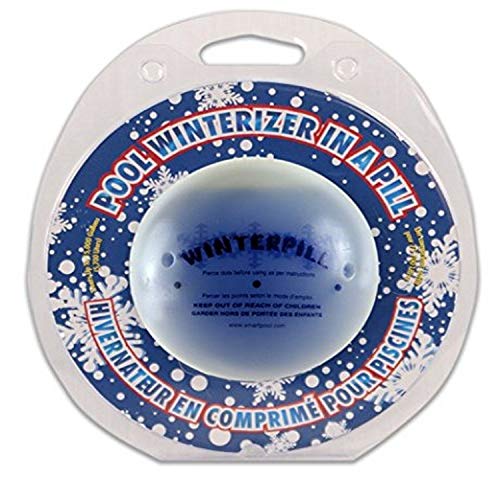
- VC Score8.8
BCP Score is a ranking system developed by bestcleanerproducts.com. BCP Score has no relationship or impact from any manufacturers or sales agent websites. Learn more
- BrandSeaKlear

- VC Score8.4
BCP Score is a ranking system developed by bestcleanerproducts.com. BCP Score has no relationship or impact from any manufacturers or sales agent websites. Learn more
- BrandAmerican Granby

- VC Score8.2
BCP Score is a ranking system developed by bestcleanerproducts.com. BCP Score has no relationship or impact from any manufacturers or sales agent websites. Learn more
- BrandHTH

- VC Score8.2
BCP Score is a ranking system developed by bestcleanerproducts.com. BCP Score has no relationship or impact from any manufacturers or sales agent websites. Learn more
- BrandHorizon

- VC Score7.0
BCP Score is a ranking system developed by bestcleanerproducts.com. BCP Score has no relationship or impact from any manufacturers or sales agent websites. Learn more
- BrandSkimmer Vortex
Last update on 2026-10-08 / Affiliate links / Images, Product Titles, and Product Highlights from Amazon Product Advertising API


How to Refinish a Fiberglass Pool

How Do You Keep Raccoons Out of Your Pool?

How to Fix Cyanuric Acid in Your Pool

How to Shape a Pool Cue Tip to Stop Miscues

12 Best Automatic Vacuum For Intex Above Ground Pool of 2026 To Keep Vinyl Floors Spotless

10 Best Automatic Pool Vacuum For Above Ground Pool of 2026 To End Manual Scrubbing

How Much Pool Clarifier Should You Use for Your Pool Size?

How Much Does a Pebble Tec Pool Cost to Build or Resurface?


