
How Much Pool Stabilizer Do You Need by Pool Size?

Most pool owners assume adding more chemical powder is always better when chlorine vanishes in the sun, but you actually only need about 13 ounces of dry stabilizer per 10,000 gallons to raise your level by 10 ppm. Standard backyard pools thrive right between 30 and 50 ppm, which protects your chlorine without triggering chlorine lock, a frustrating state where over-stabilized water stops sanitizing completely.
The exact dose comes down to a few basic details. Total pool gallons matter most, alongside whatever baseline reading shows up on your current water test strip. Saltwater pools also run best at a higher range, between 60 and 80 ppm, while pools using slow-dissolve chlorine pucks already gain stabilizer with every tablet. Checking these conditions before pouring anything into your skimmer makes balancing your pool straightforward.
Ideal Target Levels for Standard and Saltwater Pools
Pool stabilizer, also known as cyanuric acid, works like sunscreen for your chlorine. When bright sunlight hits an outdoor swimming pool, ultraviolet rays break down free chlorine molecules at a rapid pace. On a hot summer afternoon, direct sunlight can destroy unstabilized chlorine in about two hours. Stabilizer binds to the chlorine molecules, protecting them from the sun so they remain active to sanitize bacteria and algae.
Water chemistry uses ppm, which stands for parts per million, as a standard measurement unit. For a standard pool using liquid chlorine or standard sanitizers, your ideal stabilizer range is 30 to 50 ppm. Keeping your pool within this window ensures your chlorine stays shielded from intense rays without losing its ability to sanitize the water quickly.
Saltwater pools require a higher level, typically between 60 to 80 ppm. Salt chlorine generator cells produce sanitizer slowly throughout the day. If sunlight destroys that chlorine faster than the cell generates it, the equipment runs at 100 percent capacity all day long. Maintaining a higher level of 60 to 80 ppm protects the output of the salt cell and prevents unnecessary wear on your generator plates.
Letting your levels drop below 30 ppm causes your chlorine to burn away almost immediately, leaving your pool vulnerable to sudden algae blooms. But letting the level climb far beyond your target creates the opposite problem, causing sanitizer sluggishness. Keeping your numbers in the recommended sweet spot gives you clear water without wasting chemical supplies.
Dosing Guide: How Much Stabilizer by Pool Size
Calculating the exact dose of dry stabilizer comes down to a simple formula: adding roughly 13 ounces (about 0.8 pounds) of dry stabilizer granules per 10,000 gallons of pool water raises your cyanuric acid level by 10 ppm. If you know your total water volume, you can calculate the exact amount needed to reach your target range.
Here is how much dry stabilizer you need for common pool sizes to raise your level across standard amounts:
- 5,000 Gallon Pools: Add 6.5 ounces to raise your reading by 10 ppm. Add 13 ounces (0.8 pounds) to raise it by 20 ppm. Add roughly 20 ounces (1.25 pounds) if your water currently reads zero and you need to reach 30 ppm.
- 10,000 Gallon Pools: Add 13 ounces (0.8 pounds) to raise your reading by 10 ppm. Add 26 ounces (1.6 pounds) to raise it by 20 ppm. Add 39 ounces (2.4 pounds) to climb from zero up to 30 ppm.
- 15,000 Gallon Pools: Add 20 ounces (1.25 pounds) to raise your reading by 10 ppm. Add 39 ounces (2.4 pounds) to raise it by 20 ppm. Add 59 ounces (3.7 pounds) to jump by 30 ppm.
- 20,000 Gallon Pools: Add 26 ounces (1.6 pounds) to raise your reading by 10 ppm. Add 52 ounces (3.25 pounds) to raise it by 20 ppm. Add 78 ounces (4.9 pounds) to move up by 30 ppm.
- 25,000 Gallon Pools: Add 33 ounces (2.1 pounds) to raise your reading by 10 ppm. Add 65 ounces (4.1 pounds) to raise it by 20 ppm. Add 98 ounces (6.1 pounds) to raise your reading by 30 ppm.
- 30,000 Gallon Pools: Add 39 ounces (2.4 pounds) to raise your reading by 10 ppm. Add 78 ounces (4.9 pounds) to raise it by 20 ppm. Add 117 ounces (7.3 pounds) to move from zero up to 30 ppm.
Your ongoing sanitation method influences how much dry chemical you should add today. If you use trichlor pucks (slow-dissolve 3-inch chlorine pucks), those tablets already contain cyanuric acid as a built-in binder. Every puck you place in a floating dispenser or automatic feeder gradually increases your stabilizer levels all season long. Pool owners who use trichlor pucks should aim for the lower threshold, around 30 ppm, so normal tab usage does not push the water into dangerous territory by late summer.
Why You Must Check Your Water Before Adding Anything
Stabilizer does not evaporate. When hot summer sun evaporates pool water, only pure moisture leaves the pool, while every bit of cyanuric acid stays behind in the water. The only ways stabilizer leaves your swimming pool are through splash-out, heavy filter backwashing, or physical water draining.
Because cyanuric acid lingers indefinitely, adding stabilizer without measuring first is a recipe for serious water chemistry problems. If your pool already holds 40 ppm and you blindly toss in a five-pound bucket thinking your chlorine loss is due to lack of sunscreen, you could jump past 70 ppm in a standard chlorine pool. That leaves you dangerously close to over-stabilization.
Always verify your current level using a clean water strip or a liquid drop kit with a turbidity tube. Fill your measuring vial with pool water collected at elbow depth, away from the skimmer openings and return jets. Compare the reading carefully against the color scale to establish your exact baseline number before purchasing or pouring any chemicals.
You also need to know your true pool volume. Many pool owners overestimate how much water their pool actually holds. A rectangular pool uses length times width times average depth times 7.5 to calculate total gallons. Knowing how deep an inground fiberglass pool is or how sharply your deep-end slope drops helps you avoid overestimating capacity. When you are uncertain about the exact gallon count, calculate your stabilizer dose for a slightly smaller volume. You can always add an extra cup of granules later, but removing excess stabilizer requires draining thousands of gallons of water.
How to Add Dry Pool Stabilizer Step by Step
Dry stabilizer granules dissolve very slowly, often taking days to break down completely in pool water. Pouring them directly onto your pool surface is a mistake that can etch plaster or bleach a vinyl liner. Follow these steps to dissolve and distribute your chemical safely through your water circulation system.
- Measure your water and calculate your target dose. Start by calculating how many pounds you need based on your current reading and total water volume. Reason: You cannot neutralize stabilizer with other chemicals once it dissolves, so precise measurement prevents accidental overdosing.
- Clean or backwash your pool filter before adding anything. Empty your pump basket and backwash your sand or diatomaceous earth filter, or rinse your cartridge filter thoroughly. Reason: Granules collect inside the filter tank to slowly dissolve over several days, and backwashing after chemical addition will dump your expensive stabilizer directly down the waste line.
- Pour the dry granules into an old sock, skimmer sock, or mesh laundry bag. Weigh your required dose and transfer the dry grains into a permeable fabric bag, tying the open end tightly with a knot or zip tie. Reason: Containing the granules prevents gritty sediment from sinking straight down to the vinyl liner or concrete pool floor where it can cause cosmetic surface damage.
- Place the bag in your skimmer basket or suspend it in front of a return jet. Set the filled sock inside your skimmer basket so incoming water rushes through the fabric, or tie it to a ladder rail directly in the path of a return flow stream. Reason: Fast-moving water breaks down the granules safely without clogging pipes. If your skimmer housing shows old cracks or loose fittings, inspect it closely, as structural leaks might force you to replace a pool skimmer before running continuous high-suction chemical cycles.
- Run your pool circulation pump continuously for 24 to 48 hours. Keep your primary pool pump operating on high speed without interruption until the granules disappear completely from the bag. Reason: Nonstop circulation carries the dissolved cyanuric acid evenly across the entire pool rather than letting concentrated chemical pockets settle in dead zones.
- Wait at least four to five full days before taking a new water reading. Allow the dissolved stabilizer time to integrate thoroughly into your pool water chemistry before measuring again. Reason: Cyanuric acid registers very slowly on measuring strips and droplet kits, and measuring too early often displays a false low reading that tricks you into adding an unnecessary second dose.
Signs of Chlorine Lock and How to Fix It
When pool stabilizer climbs higher than 100 ppm, your water enters a state called chlorine lock. At these elevated levels, cyanuric acid binds so tightly to your free chlorine that the sanitizer becomes chemically inert. The chlorine is physically present in the water, but it cannot break free to sanitize organic waste, destroy bacteria, or clear away algae blooms.
Watch for these common symptoms of over-stabilized water and chlorine lock:
- Persistent green or yellow algae: You scrub the pool walls and add liquid shock repeatedly, yet the algae blooms return within 48 hours.
- Dull, cloudy, or hazy water: Water loses its sparkle and looks milky even though circulation runs daily and filtration pressure looks normal.
- High total chlorine with zero active sanitation: Water strips show strong chlorine colors, but organic debris and slime build up on steps and tile lines.
- Strong chemical smells and swimmer irritation: Swimmers complain of burning eyes and itchy skin because bound chloramines cannot be oxidized and burn off into the air.
There is no safe chemical product you can pour into pool water to neutralize or remove cyanuric acid. Specialized biological remover kits exist, but they are expensive and require very narrow water parameters to work. The only dependable, straightforward remedy for chlorine lock is physical water dilution.
To fix chlorine lock, turn off your pool pump and drain roughly one-third of your pool water using a submersible pump or waste line. Refill the pool with fresh water from your municipal supply or garden hose. Once the pool is full, run the circulation pump for 12 hours, then take a new water reading. If your stabilizer remains above 80 ppm, repeat the partial drain and refill process until your reading drops safely back into the 30 to 50 ppm window.
Choosing the Right Stabilizer Granules for Your Pool
When shopping for dry pool stabilizer, look for pure cyanuric acid granules. Pure granules give you total control over your water balance because they raise your UV protection without introducing calcium, extra oxidizers, or unnecessary clarifiers into your plumbing.
Always inspect the active ingredient percentage on the back of the bottle. High-grade pool conditioner contains 99 to 100 percent cyanuric acid. Avoid blended maintenance products that combine stabilizer with shock, algaecide, or water softeners in the same container, as these combinations make it difficult to calculate your precise dosing amounts.
You can also find liquid stabilizer at many pool supply retailers. Liquid cyanuric acid dissolves almost instantly and begins protecting your water within minutes, but it costs significantly more than dry granules and weighs much more per treatment dose. For seasonal pool maintenance, dry granules provide the most practical and cost-effective solution for establishing your baseline levels.

- VC Score9.4
BCP Score is a ranking system developed by bestcleanerproducts.com. BCP Score has no relationship or impact from any manufacturers or sales agent websites. Learn more
- BrandClorox

- VC Score9.4
BCP Score is a ranking system developed by bestcleanerproducts.com. BCP Score has no relationship or impact from any manufacturers or sales agent websites. Learn more
- BrandClorox

- VC Score9.4
BCP Score is a ranking system developed by bestcleanerproducts.com. BCP Score has no relationship or impact from any manufacturers or sales agent websites. Learn more
- BrandHTH

- VC Score9.4
BCP Score is a ranking system developed by bestcleanerproducts.com. BCP Score has no relationship or impact from any manufacturers or sales agent websites. Learn more
- BrandClorox

- VC Score9.4
BCP Score is a ranking system developed by bestcleanerproducts.com. BCP Score has no relationship or impact from any manufacturers or sales agent websites. Learn more
- BrandClorox

- VC Score9.2
BCP Score is a ranking system developed by bestcleanerproducts.com. BCP Score has no relationship or impact from any manufacturers or sales agent websites. Learn more
- BrandPool Mate
- VC Score9.2
BCP Score is a ranking system developed by bestcleanerproducts.com. BCP Score has no relationship or impact from any manufacturers or sales agent websites. Learn more
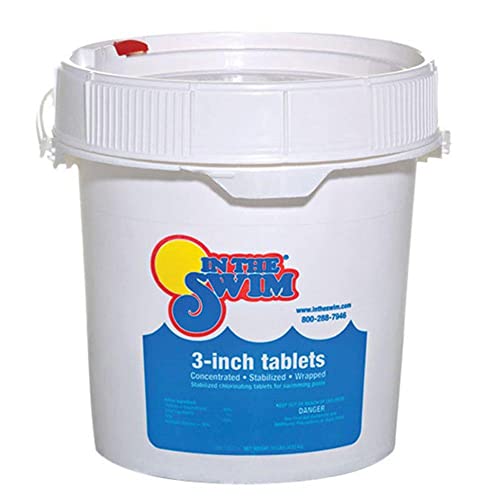
- BrandIn The Swim
- VC Score9.0
BCP Score is a ranking system developed by bestcleanerproducts.com. BCP Score has no relationship or impact from any manufacturers or sales agent websites. Learn more
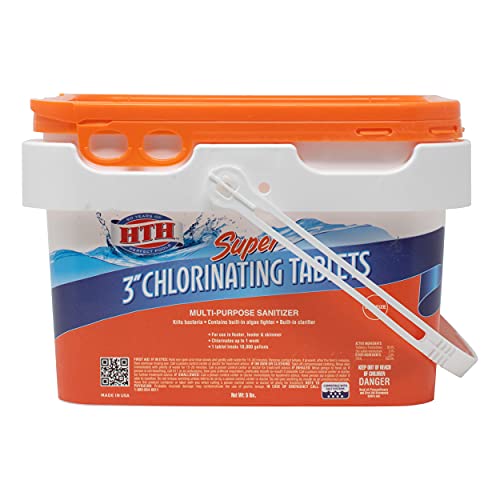
- BrandHTH

- VC Score7.8
BCP Score is a ranking system developed by bestcleanerproducts.com. BCP Score has no relationship or impact from any manufacturers or sales agent websites. Learn more
- BrandChemCorp
Last update on 2026-10-08 / Affiliate links / Images, Product Titles, and Product Highlights from Amazon Product Advertising API
FAQs
Can I swim immediately after adding pool stabilizer?
You can swim while dry stabilizer dissolves if you use the sock method in your skimmer basket or return line. Because the granules are locked inside the fabric, swimmers will not come into direct contact with concentrated chemicals. Make sure your pH and free chlorine readings remain in safe swimming ranges before jumping in.
Can I pour dry stabilizer directly into the deep end of the pool?
You should avoid pouring dry stabilizer directly across the pool water surface or onto the pool floor. Granules dissolve very slowly and will settle on the bottom like heavy sand. Sitting granules can bleach vinyl liners, discolor fiberglass, or etch plaster surfaces before they fully dissolve.
How often do I need to add stabilizer during the swimming season?
Most pool owners only need to add stabilizer once or twice per season, usually during spring opening and occasionally in midsummer after heavy splash-out. Because cyanuric acid does not evaporate, your levels remain steady unless you drain water, backwash frequently, or experience intense rain overflow.
Why does my water reading show zero stabilizer three days after adding it?
Dry cyanuric acid dissolves slowly and can take up to a full week to register accurately on water strips or liquid droplet kits. Fine chemical particles remain trapped in the filter media until they break down entirely into solution. Wait at least five to seven days after application before taking another reading or adding extra chemicals.


How to Refinish a Fiberglass Pool

How Do You Keep Raccoons Out of Your Pool?

How to Fix Cyanuric Acid in Your Pool

How to Shape a Pool Cue Tip to Stop Miscues

12 Best Automatic Vacuum For Intex Above Ground Pool of 2026 To Keep Vinyl Floors Spotless

10 Best Automatic Pool Vacuum For Above Ground Pool of 2026 To End Manual Scrubbing

How Much Pool Clarifier Should You Use for Your Pool Size?

How Much Does a Pebble Tec Pool Cost to Build or Resurface?


