
How Does a Dolphin Pool Cleaner Work?

Most pool owners assume an automatic vacuum must connect directly to the skimmer or rely on the pool pump. In reality, these machines are entirely self-contained electric vacuums. An outdoor converter box drops household power down to a safe, low voltage before sending it into the water. Inside the waterproof body, an onboard motor pulls dirty water through internal filters, trapping leaves and silt while rubber tracks and spinning brushes scrub the surface.
How a cleaner handles the job depends on a few design choices. Some models run on a floating swivel cord, while cordless options use a built-in battery. Basic designs stay on the floor, but others climb walls right up to the top tile. The debris collected also varies based on whether you use mesh baskets for leaves or fine screens for sand. Here is how the whole system moves and operates safely underwater.
The Short Version
- A Dolphin pool cleaner is a self-powered robotic cleaner (a self-powered unit with its own internal debris basket) that works independently from your main pool pump, filter, and skimmer plumbing.
- An outdoor converter box (the control box) plugs into a standard outdoor GFCI outlet and converts standard household electricity into safe, low-voltage direct current before sending it down a floating cable.
- An internal water pump fan (the impeller) draws pool water through the bottom of the machine and blasts it out the top, generating powerful downforce that holds the rubber tracks tight against the pool floor and walls.
- High-speed scrubbing brushes loosen dirt, algae, and stuck debris, while removable dirt screens (filter baskets or cartridges) trap the waste inside top-loading compartments before clean water exits back into your pool.
Plumb-Free Design: Why It Runs Without Your Pool Pump
Traditional pool vacuums rely heavily on your existing pool equipment to do their job. A suction-side cleaner attaches to your pool skimmer or dedicated vacuum port and uses your pool pump's suction to pull debris into your skimmer basket and main filter tank. A pressure-side cleaner connects to the water return jet, often using an extra booster pump, and catches debris in its own sweep bag. Both styles force your pool pump to run at higher speeds for hours, which increases electrical costs and causes wear on your plumbing equipment.
A Dolphin robotic cleaner operates on a completely plumb-free system. You do not hook any hoses to your skimmer, you do not connect fittings to return jets, and you do not need to adjust pool valves. The cleaner contains its own electric drive motors and its own internal water pump fan, all sealed inside watertight motor blocks. Because the robot moves under its own electrical power, it never steals circulation flow from your skimmer or main drain.
This design also keeps all captured dirt out of your pool filtration system. When sand, silt, and leaves enter a traditional suction vacuum, they head directly toward your pool filter, causing pressure to climb rapidly. You then have to backwash sand or clean out pleated cartridges much more frequently. If you have ever dealt with plumbing strain or cracked plastic fittings, you know that learning how much it costs to replace a pool skimmer makes protecting your existing lines an easy priority. A standalone robotic cleaner collects everything inside its own body, leaving your main pool equipment to focus solely on water circulation and chemical balance.
Movement and Grip: How Downforce and Tracks Drive Across Surfaces
Many pool owners wonder how a heavy plastic machine can stay pinned to the pool floor underwater, climb straight up vertical walls, and scrub horizontal tile lines without tipping backward. The answer comes down to water pressure and downforce rather than heavy weights.
Inside the top housing of the cleaner sits a high-flow water pump fan (the impeller). When the robot starts running, this fan spins at high speed, pulling large volumes of water through intake vents on the bottom belly of the machine. The fan then forces that water straight out of an exhaust port located on the top deck. This upward blast of water creates an opposing downward force, similar to how an inverted jet thruster works. This continuous downward push presses the cleaner against the swimming pool surface.
While that downward force holds the machine in place, independent electric drive motors turn durable rubber tracks or drive wheels. These tracks provide broad traction across all types of pool materials, including vinyl liners, smooth fiberglass, concrete or gunite, and rough pebble aggregate. Because the water fan holds the machine firmly against the surface, the robot can transition effortlessly from the pool floor, roll through the curved transition slope, and drive straight up a vertical wall.
When the cleaner reaches the waterline (the top water edge along the pool tile), the machine does not lose suction. It pushes slightly above the water level, uses controlled water jets or track shifts to balance itself sideways, and scrubs along the tile band. Slick surfaces can make this movement trickier. For instance, while learning how deep an inground fiberglass pool can be helps you pick the right cord length, the slick gel coat surface of fiberglass requires rubber tracks with excellent surface grip to avoid slipping during wall climbs.
Scrubbing and Filtering: How Spinning Brushes and Dirt Screens Trap Debris
Vacuum suction alone cannot clean a pool thoroughly. Fine dust, algae spores, and body oils create a slippery film that clings stubbornly to pool plaster and vinyl liners. Dolphin cleaners address this problem by combining mechanical scrubbing with high-volume filtration.
Underneath the robot, you will find active scrubbing brushes made of flexible rubber or specialized foam rings. These brushes do not simply roll at the same pace as the drive tracks. An internal gear system spins the brushes at twice the speed of the machine's travel rate. As the robot inches forward across the pool floor, the front brush aggressively scrubs the surface, dislodging settled dirt, algae film, and stuck leaves so they float directly into the intake path beneath the chassis.
Once debris lifts off the floor, high-velocity intake suction sweeps it directly into a removable dirt screen (a top-loading filter basket or collection canister). Depending on the model and the season, these filters come in two main styles:
- Standard mesh filter baskets: These open-weave screens are designed for spring openings and fall leaf drops. They collect large oak leaves, twigs, pine needles, acorns, and bugs without clogging quickly, allowing water to pass through freely.
- Ultra-fine pleated filter cartridges: These tightly woven, accordion-style panels trap microscopic particles that make pool water look hazy. They capture fine beach sand, silt, dead algae dust, pollen, and skin oils down to just a few microns.
Older pool cleaners used fabric debris bags mounted underneath the machine that required turning the cleaner upside down and untying awkward drawstrings. Modern Dolphin models use a top-loading access door. You simply release a latch on the top deck, pull the basket out by its handle, and pop open the bottom gate to dump out leaves without ever touching the dirty water.
Electrical Safety: How the Control Box Keeps Voltage Safe in Water
Submerging an electrical appliance into a swimming pool understandably makes pool owners nervous. The idea of running an electric cord into the same water where family members swim raises immediate concerns about shock hazards. Dolphin cleaners eliminate this risk through specialized power conversion and multi-layer water sealing.
The system relies on an outdoor converter box (the control box or power supply unit) that stays on the pool deck. You plug this box into an outdoor GFCI outlet (a protected ground-fault outlet with a weatherproof cover). Standard household current in the United States runs at 120 volts of alternating current (AC). If 120-volt current entered the pool water, it would present an immediate shock hazard. The control box contains an internal step-down transformer that drops that 120-volt AC power down to safe, low-voltage direct current (DC), typically between 24 and 30 volts.
Low-voltage DC power at 24 volts does not present a dangerous shock hazard in swimming pool water. Even if a sharp object cut the outer jacket of the power cable, the low-voltage current would not cause harm. In addition, the electric motors inside the robot sit inside hermetically sealed chambers protected by double-lip mechanical seals that keep pool water completely away from internal electronics.
To keep your pool area completely safe, always follow three basic electrical rules:
- Keep the outdoor control box at least 10 feet back from the pool edge so it can never be pulled or knocked into the water.
- Always plug the power cord directly into an outdoor GFCI outlet, and never use a standard indoor extension cord.
- Never allow anyone to swim while the cleaner or its floating cable is in the swimming pool. Turn off the power and remove the robot before swimming.
The floating cable itself is wrapped in thick, chemical-resistant rubber insulation and filled with buoyant material that keeps it floating on the water surface. Most models also feature a mechanical swivel joint (an anti-tangle swivel mechanism) built into the cord. As the robot turns and spins around the pool, this swivel joint rotates 360 degrees freely, stopping the cable from twisting itself into knots.
Smart Navigation: How the Cleaner Maps and Steers Your Pool
Early automated pool sweeps moved completely at random, bouncing off walls like bumper cars and repeatedly missing large patches of the deep end. Dolphin cleaners use onboard scanning software and internal sensors to map the pool layout and clean systematically.
When you drop the robot into the water and start a cycle, internal software begins tracking movement. Sensors detect changes in tilt angle, motor load, and water resistance. When the cleaner drives up a wall and reaches the waterline, the tilt sensor detects the vertical angle, while an onboard timer tells the drive tracks when to stop climbing before the machine draws air into the pump fan.
The software calculates the approximate length and shape of your pool, whether you own a rectangular pool, a kidney shape, or a freeform design with curves and slopes. Instead of wandering randomly, the robot calculates an efficient cleaning route. It drives in straight, overlapping tracks across the pool floor, systematically sweeping clean paths from one side to the other.
The navigation system also handles common pool obstacles. If the cleaner drives over a raised main drain cover or bumps into a ladder, an internal current sensor detects that the drive tracks are working harder than normal. The software interprets this resistance as a barrier, reverses the drive tracks, shifts the water exhaust flow, and steers the robot away from the obstacle at a 90-degree or 45-degree angle to keep cleaning without getting stuck.
Everyday Operation: Step-by-Step From Drop-In to Cleaning the Basket
Operating a Dolphin cleaner takes only a couple of minutes once you understand the basic routine. Following the correct steps prevents cable tangles, protects the waterproof motor seals, and keeps the filter running smoothly.
- Position the power supply: Place the outdoor control box on the pool deck at least 10 feet away from the water edge. Make sure it rests in a dry, stable area where it cannot be kicked or splashed, and plug it into an outdoor GFCI outlet.
- Release trapped air from the cleaner: Carry the robot to the edge of the pool using the plastic carrying handle. Lower the machine into the water, holding it just beneath the surface by the handle. Tilt and rock the cleaner gently from side to side until you see all large air bubbles escape from the top exhaust port.
- Let the robot sink: Once the internal air escapes, release the handle and let the cleaner sink under its own weight to the pool floor. Never throw or drop the machine into the water, as impacting the floor can crack plastic housings or misalign the internal water fan.
- Feed out the floating cable: Uncoil only as much floating cable as the cleaner needs to reach the furthest corner of your pool. Leave the remaining excess cord coiled neatly near the control box on the deck. Putting too much extra cord into the water encourages twisting.
- Start the cleaning cycle: Press the power button on the control box, or trigger the cycle through a connected smartphone app if your model supports wireless controls. The top fan will spin up, water will begin discharging from the top deck, and the robot will start its cleaning run, which typically lasts two to three hours.
- Retrieve the robot safely: When the cycle finishes, turn off the control box. Gently pull the floating cable toward the pool wall until the robot rises to the surface within arm's reach. Grasp the solid plastic carrying handle to lift the unit out of the water. Never lift the full weight of the machine out of the pool using the electric cord, as pulling the cable strains the waterproof electrical seals.
- Rinse the collection basket: Hold the cleaner over the edge of the pool for a few seconds to let water drain out through the bottom one-way flaps. Place the robot flat on the deck, press the top latch to release the filter basket, and open the bottom door to dump leaves into the trash. Use a garden hose with a spray nozzle to rinse dirt off the filter screens, slide the basket back into place, and latch the lid shut.
Choosing the Right Model and Filter Setup for Your Pool
Because robotic cleaners are completely self-contained, choosing the right model comes down to matching the machine's features to your specific pool size, surface finish, and debris environment.
Start by checking cord length and pool size ratings. Smaller cleaners designed for above-ground or small in-ground pools up to 33 feet long come with shorter cords and focus primarily on floor cleaning. Larger in-ground pools measuring up to 50 feet require longer floating cords equipped with built-in anti-tangle swivel joints to prevent cord coiling across long distances.
Next, determine how much climbing ability you need. Floor-only models offer an affordable way to keep flat surfaces clean, but they will not clean your walls or scrub the tile band. If your pool develops a dirty ring around the waterline from sunscreen, body oils, or pollen, look for a cleaner that specifies wall-climbing and dedicated waterline scrubbing capabilities.
Finally, evaluate your typical debris. If your yard sits under large trees that drop heavy leaves, pine cones, and twigs, choose a cleaner that includes an extra-large mesh filter basket to hold high volumes of organic waste. If your yard features fine lawn dust, desert sand, or frequent pollen blooms, make sure the unit includes ultra-fine pleated filter cartridges that can trap microscopic particles before they settle back onto your pool floor.
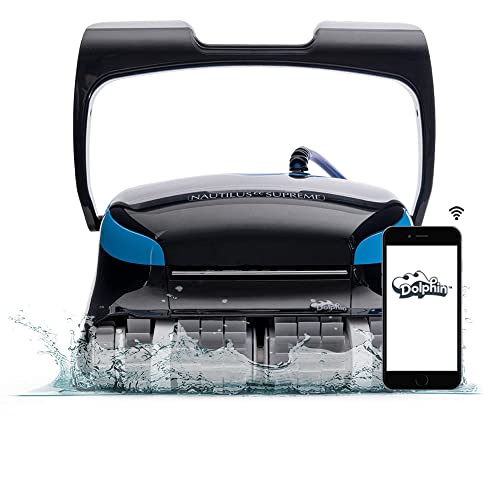
- VC Score9.0
BCP Score is a ranking system developed by bestcleanerproducts.com. BCP Score has no relationship or impact from any manufacturers or sales agent websites. Learn more
- BrandDolphin

- VC Score9.0
BCP Score is a ranking system developed by bestcleanerproducts.com. BCP Score has no relationship or impact from any manufacturers or sales agent websites. Learn more
- BrandULTICOR
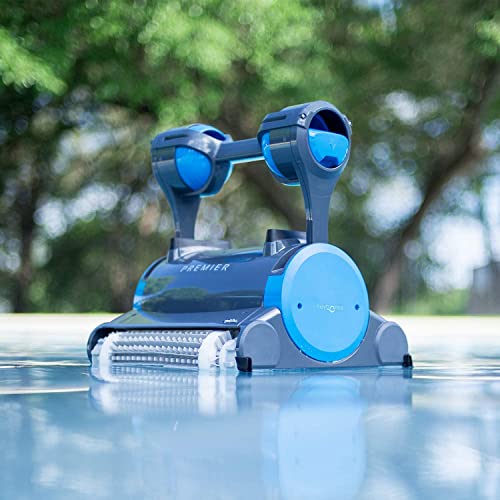
- VC Score8.8
BCP Score is a ranking system developed by bestcleanerproducts.com. BCP Score has no relationship or impact from any manufacturers or sales agent websites. Learn more
- BrandDolphin
- VC Score8.8
BCP Score is a ranking system developed by bestcleanerproducts.com. BCP Score has no relationship or impact from any manufacturers or sales agent websites. Learn more
- BrandDolphin
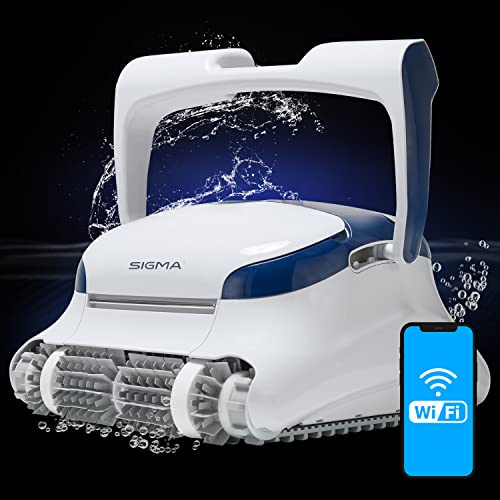
- VC Score8.4
BCP Score is a ranking system developed by bestcleanerproducts.com. BCP Score has no relationship or impact from any manufacturers or sales agent websites. Learn more
- BrandDolphin

- VC Score8.4
BCP Score is a ranking system developed by bestcleanerproducts.com. BCP Score has no relationship or impact from any manufacturers or sales agent websites. Learn more
- BrandAIRROBO

- VC Score8.2
BCP Score is a ranking system developed by bestcleanerproducts.com. BCP Score has no relationship or impact from any manufacturers or sales agent websites. Learn more
- BrandAIPER

- VC Score8.0
BCP Score is a ranking system developed by bestcleanerproducts.com. BCP Score has no relationship or impact from any manufacturers or sales agent websites. Learn more
- BrandDolphin

- VC Score7.0
BCP Score is a ranking system developed by bestcleanerproducts.com. BCP Score has no relationship or impact from any manufacturers or sales agent websites. Learn more
- BrandDolphin
Last update on 2026-10-08 / Affiliate links / Images, Product Titles, and Product Highlights from Amazon Product Advertising API
FAQs
Can you leave a Dolphin pool cleaner in the pool all the time?
You should not leave your robotic cleaner in the pool permanently. Prolonged exposure to pool sanitizers, harsh sunlight, and fluctuating pH levels will gradually degrade the rubber tracks, plastic housings, and waterproof cable seals over time. For the longest equipment life, remove the cleaner after its cycle finishes, rinse the filter basket with fresh water, and store the machine in a shaded spot away from direct weather.
Does a Dolphin pool cleaner clean steps and shallow tanning shelves?
Robotic cleaners rarely clean shallow pool steps or tanning ledges effectively. Most models require at least 16 to 18 inches of water depth so the water pump fan can operate without sucking in air. Furthermore, narrow pool steps do not provide enough flat surface area for the machine to turn its tracks, so brushing steps and shallow sun shelves down into the deep end with a manual hand brush remains the most effective method.
Can you run a Dolphin cleaner while a pool solar cover is on?
You should avoid running a corded robotic pool cleaner underneath a solar cover or safety cover. The floating power cable needs open water surface area to move and rotate freely, and a cover can easily trap the cord against the pool wall. This leads to severe cable tangling, stops the robot from reaching the opposite side of the pool, and can damage your cover straps.
What should you do if the floating cord keeps twisting into knots?
Cord twisting usually happens when too much excess cable is tossed into the pool or when the cable develops a cold memory bend. Always pull extra cord out of the water, leaving only enough slack for the robot to reach the furthest corner from the control box. If the cord is already tangled, disconnect it, lay it out in a straight line on a warm, sunny pool deck for an hour to let the rubber relax, and then roll it loosely in large circles.


How to Refinish a Fiberglass Pool

How Do You Keep Raccoons Out of Your Pool?

How to Fix Cyanuric Acid in Your Pool

How to Shape a Pool Cue Tip to Stop Miscues

12 Best Automatic Vacuum For Intex Above Ground Pool of 2026 To Keep Vinyl Floors Spotless

10 Best Automatic Pool Vacuum For Above Ground Pool of 2026 To End Manual Scrubbing

How Much Pool Clarifier Should You Use for Your Pool Size?

How Much Does a Pebble Tec Pool Cost to Build or Resurface?


