

Burying an above-ground pool requires burial-rated walls and gravel backfill so dirt will not crush the frame. See safe steps to dig, level, and build.

Clear trapped debris from your pool pump impeller (the internal water wheel) using a wire hook to restore suction and protect the motor from overheating.

Stop slick pool steps without draining water. Scrub away invisible algae film, shock the pool, or add waterproof grip tape to restore safe footing.

Prevent pet drownings and torn vinyl liners by combining safety fences, deck boundary training, and a separate splash zone to keep your dog safe.

Skim floating suds, balance your water levels, and clear soap or algaecide residue fast with simple steps that stop thick foam without draining your pool.

Fix sharp cracks and rough chips on your pool slide before swimmers get scratched. Patch surface gouges, reinforce deep splits, and sand the runway smooth.

Standard strips miss phosphates. Pull an elbow-deep water sample, use a dedicated kit, and check algae food levels before stubborn green blooms take over.

Drain standing water from the tank, leave the sand inside, set the control valve to Winter, and bring the pressure dial indoors to avoid freeze damage.

Service fees depend on water clarity, pool size, and cover type, while DIY chemical kits cut labor. Plan your budget and avoid surprise startup charges.

Brown pool water after shocking usually means dissolved iron. Lift surface rust with vitamin C, bind the metal, and filter it out without draining.

Take down an above-ground pool with basic tools or manage an inground demolition. Drain the water safely, break up the shell, and pack dirt to stop sinkholes.

A pool takes 12 hours to 3 days to heat up. Gas heaters warm water in hours, while heat pumps take days. A good cover traps warmth and cuts your wait time.

Dissolve pool salt, balance the water, and let the generator make steady chlorine. Manage rising pH levels to protect the salt cell from crusty buildup.

Use 1 ounce of clarifier for every 5,000 gallons of water. Measure your exact pool dose to clear up hazy water quickly without causing a cloudy overdose.
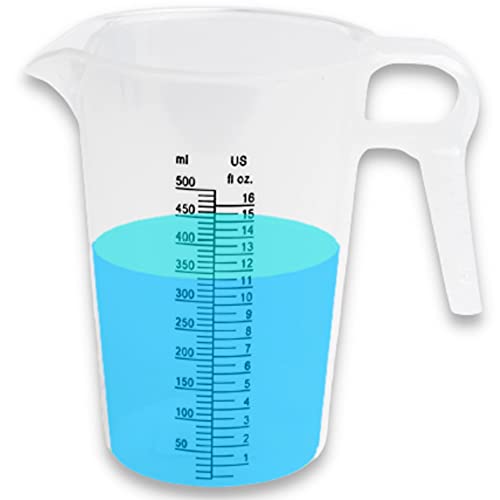
Measure inside walls, find average depth on sloped floors, and turn your dimensions into total gallons for accurate chemical dosing and a proper cover fit.

Choose the right format, increase points for later rounds, and set firm deadlines before kickoff to run a fun, dispute-free soccer tournament pool.

A pebble finish costs more than plain plaster upfront, but it lasts twice as long. Factor in shell prep, finish tiers, and pool size to avoid surprise costs.

Warm your pool faster by using a floating cover to stop heat loss and pointing return jets downward to push warm surface water deep into the pool.

A 16x32 pool holds 14,000 to 20,000 gallons depending on depth and slope. Calculate your exact water capacity to dose pool chemicals without guessing.

Clear chalky waterline crust with safe cleaners, rub away stubborn mineral scale without scratching ceramic or glass, and stop the white ring from returning.


