
How to Fix Slippery Pool Steps and Restore Grip

A swimmer steps into the shallow end on a warm afternoon, only to feel their heel slide instantly across slick plastic. Fixing that sudden skid usually takes a firm brushing to break up the invisible algae film, followed by a chlorine shock to clear the water.
The exact solution depends on what is causing the skid. Smooth fiberglass stairs or drop-in plastic ladders might just lack texture, which calls for waterproof traction strips or a rubber safety mat. Other times, poor water circulation creates dead zones around the entry, allowing slick film to return almost immediately. Here is how to figure out what is making the surface slippery and restore safe footing right away.
Why Pool Steps Turn Slick Even When the Water Looks Clear
You step onto your top pool stair expecting firm footing, and your foot slides out from under you. When you glance across the water, the pool looks perfectly blue, bright, and clean. This is one of the most frustrating problems pool owners face, and it almost always comes down to an invisible organic film called biofilm. Before algae grows thick enough to tint your water green or yellow, it starts as a sheer, microscopic layer that glues itself to flat surfaces. Pool stairs, sun ledges, and ladder rungs are prime targets because they sit horizontally where organic debris can settle undisturbed.
Water circulation is the primary reason this film attacks your steps first. Most pool return jets push clean, filtered water in a circular motion around the deeper perimeter of the pool. The shallow entry area, especially tucked into a corner or set behind a handrail, often becomes a dead water zone. In these dead zones, water movement drops to a crawl. Sanitizer does not reach the steps as frequently as it reaches the center of the pool, allowing microscopic algae spores to grab hold of the plastic or fiberglass treads.
Heat and sunlight make the problem worse. Shallow water over your stairs warms up much faster than the deep end during a sunny afternoon. Algae thrives in warm, still water with plenty of direct sunlight. While your main drain and skimmer keep the rest of the pool circulating, your steps bake in the sun with stagnant water resting on top of them. If the water contains dissolved nutrients, algae will grow even faster on those flat surfaces. You can measure pool phosphates at home to verify whether hidden organic food sources are feeding the film that keeps reappearing on your treads.
The material of your stairs also plays a major role. Smooth gelcoat on fiberglass stairs, slick resin on drop-in plastic ladders, and smooth vinyl liners offer very little natural grip. Even a tiny trace of organic film turns these non-porous surfaces into a hazard. Knowing whether your slickness comes from poor water movement, organic buildup, or smooth plastic helps you apply the correct fix instead of wasting money on unneeded chemicals.
How to Scrub and Clear Slippery Steps Without Draining the Pool
You should never drain your pool to fix slick stairs. Draining an inground pool risks popping the shell out of the ground from high water tables, while emptying an above-ground pool can ruin or shrink the vinyl liner. You can remove the slick film completely while keeping the pool completely full by following these five practical steps.
- Scrub the entire step structure by hand: Take a manual pool brush and vigorously scrub every horizontal tread, vertical riser, and side corner. Match the brush bristles to your pool surface: use soft nylon bristles for vinyl liner steps and fiberglass shells, and reserve stainless steel mixed bristles for concrete or gunite plaster. Biofilm develops a protective casing that protects it from chlorine. Brushing physically breaks that protective layer apart so your pool chemicals can reach the living cells underneath.
- Shock the pool water directly around the steps: Add a high chlorine dose to kill algae fast, which pool owners call shocking the pool. Broadcast your dissolved shock directly over the shallow step area with the pool pump running. This suddenly raises your free chlorine, which is the active sanitizer in the water that destroys organic waste. Raising your active sanitizer level to shock strength ensures that the loosened algae film cannot drift away and reattach somewhere else.
- Redirect your circulation toward the shallow end: Loosen the eyeball fitting on your return jet (the wall nozzle pushing clean water into the pool) and aim it downward and toward the stairs. This forces freshly sanitized, moving water across the treads and eliminates the dead water zone. If you notice the stream from the wall nozzle feels weak, you may need to check your pump basket or clean a pool pump impeller to restore flow through the entire system.
- Run your filtration pump continuously: Keep your pool pump running for 24 to 48 hours straight after scrubbing and shocking. The filter will trap the dead organic matter suspended in the water column. Brush the steps again morning and night during this window to ensure no new film settles on the clean plastic while the chlorine level works its way back down.
- Verify and balance your water chemistry: Use a test kit to confirm that your water balance sits within safe parameters. Keep your pH between 7.4 and 7.6, because high pH cuts the killing power of chlorine by more than half. Maintain active sanitizer at normal operating levels, and verify that stabilizer (cyanuric acid) is within the recommended range on your test kit so sunlight does not burn off your chlorine before it can protect the steps.
Adding Physical Traction to Smooth Steps and Ladders
Sometimes you scrub your pool steps thoroughly, shock the water, and test the chemistry, but the stairs remain slick. If the surface does not feel slimy to the touch yet your bare feet still slide, the issue is physical smoothness rather than organic growth. Molded resin stairs, fiberglass gelcoats, and drop-in ladder rungs can become inherently slippery under water pressure. In these situations, you need to add physical grip directly to the step treads.
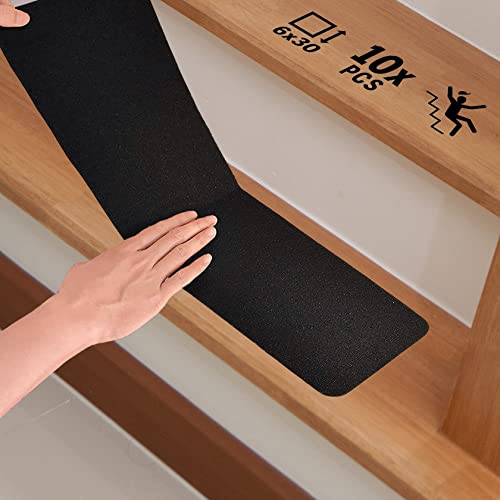
Waterproof grip tape is a popular solution for slick fiberglass and plastic stairs. Non-skid tape comes in different grit levels and styles. Commercial 80-grit tape uses coarse mineral granules that provide heavy traction, similar to coarse skateboard grip tape. While 80-grit holds up against heavy foot traffic, it can feel rough or abrasive against sensitive bare feet. For home pools where children swim, clear textured tape made from soft rubbery materials provides traction through tiny raised bumps instead of harsh mineral grit. Clear tape also blends in with white or light blue stairs without leaving dark lines across your pool entrance.
Applying tape requires a completely dry, clean surface for the adhesive to bond properly. You cannot apply standard grip tape under water; you must lower the water level below the steps temporarily or apply it in the spring before the pool is filled. Clean the plastic with rubbing alcohol, let it dry fully, press the adhesive down firmly from the center outward to push out air bubbles, and let it cure for at least 24 hours before letting water touch it.
If you have drop-in stairs or an above-ground pool ladder, textured rubber ladder mats provide immediate traction without adhesive. You place these heavy rubber pads directly across the step surfaces or place a large protective pad on the pool floor beneath the ladder base. High-quality ladder mats sink on their own, stay planted under foot pressure, and stop the ladder base from rubbing against your vinyl liner. If your drop-in stairs feel unsteady or wobble as you step down, that instability makes slipping far more likely.
Use this quick checklist to inspect your drop-in stairs and ladder hardware for safety issues:
- Inspect the bottom suction cups under the ladder base to confirm the rubber has not turned brittle, flattened out, or torn away from the frame.
- Check the deck support brackets connecting your handrails to the pool deck to ensure mounting screws have not worked loose.
- Confirm that the step weights or sand containers inside the hollow step structure are full, preventing the stairs from shifting when swimmers step on them.
- Examine the tread surfaces for plastic bowing, cracks, or loose snap-lock tabs that cause the step to flex under your weight.
Choosing the Right Cleaning Equipment and Traction Upgrades
Stopping slick steps over the long term requires having the right maintenance tools on hand before buildup starts. Standard curved pool brushes are great for wide open walls, but their wide shape often skips the 90-degree corners where stair treads meet the vertical risers. Look for specialized step and corner brushes that feature compact heads and angled bristles. These small brushes let you scrub deep into textured crevices, around handrail mountings, and along narrow ladder rungs where organic film likes to hide.
Automatic cleaners can also handle a large portion of your routine brushing, but you must choose the right design for shallow surfaces. Suction-side cleaners and pressure-side cleaners generally wander along the pool floor and deep-end walls; they rarely climb shallow stairs because they need deeper water to operate without sucking in air. If you want automated help on your steps, look at robotic cleaners equipped with soft rubber tracks and climbing rollers. Some advanced robotic units can climb wide sun shelves and top-step platforms, provided the water meets the minimum operating depth listed in the cleaner manual.
When purchasing physical traction upgrades like replacement suction cups, deck brackets, or anti-slip tapes, prioritize chemical resistance. Pool water contains chlorine, salt, and stabilizers that quickly degrade cheap consumer rubbers and weak glues. Look for commercial-grade rubber parts rated to resist ozone and pool chemicals without cracking. For adhesive treads, verify that the product uses a waterproof acrylic adhesive specifically designed for outdoor moisture. Taking a few moments to choose durable materials ensures your steps stay safe and slip-free all season long.

- VC Score10.0
BCP Score is a ranking system developed by bestcleanerproducts.com. BCP Score has no relationship or impact from any manufacturers or sales agent websites. Learn more
- BrandSuperDi

- VC Score9.8
BCP Score is a ranking system developed by bestcleanerproducts.com. BCP Score has no relationship or impact from any manufacturers or sales agent websites. Learn more
- BrandPhyxology Supply
- VC Score9.0
BCP Score is a ranking system developed by bestcleanerproducts.com. BCP Score has no relationship or impact from any manufacturers or sales agent websites. Learn more
- BrandEHS RETAILER

- VC Score9.0
BCP Score is a ranking system developed by bestcleanerproducts.com. BCP Score has no relationship or impact from any manufacturers or sales agent websites. Learn more
- BrandUsamate

- VC Score8.8
BCP Score is a ranking system developed by bestcleanerproducts.com. BCP Score has no relationship or impact from any manufacturers or sales agent websites. Learn more
- BrandSecopad

- VC Score8.4
BCP Score is a ranking system developed by bestcleanerproducts.com. BCP Score has no relationship or impact from any manufacturers or sales agent websites. Learn more
- BrandSKARUMMER

- VC Score8.0
BCP Score is a ranking system developed by bestcleanerproducts.com. BCP Score has no relationship or impact from any manufacturers or sales agent websites. Learn more
- BrandLeyibo

- VC Score7.2
BCP Score is a ranking system developed by bestcleanerproducts.com. BCP Score has no relationship or impact from any manufacturers or sales agent websites. Learn more
- BrandTimtin

- VC Score-
BCP Score is a ranking system developed by bestcleanerproducts.com. BCP Score has no relationship or impact from any manufacturers or sales agent websites. Learn more
- Brandshowingo

- VC Score-
BCP Score is a ranking system developed by bestcleanerproducts.com. BCP Score has no relationship or impact from any manufacturers or sales agent websites. Learn more
- BrandPoolzilla
Last update on 2026-10-08 / Affiliate links / Images, Product Titles, and Product Highlights from Amazon Product Advertising API
FAQs
Why do pool steps get slippery before the rest of the pool?
Steps sit in shallow water where sunlight warms the surface and accelerates organic growth. They are also located in circulation dead zones where return jets push very little moving water or fresh chlorine. This combination allows microscopic algae film to settle on the horizontal treads long before you see algae on the walls.
Can you apply anti-slip tape while the pool is full of water?
Standard waterproof grip tape cannot bond to a surface that is submerged in water. The adhesive requires a clean, bone-dry surface to cure properly, which means you must lower the water level below the steps or apply the tape before filling the pool. Applying tape underwater will cause the edges to peel up within days.
How do you stop algae from returning to pool steps every week?
Aim at least one return jet nozzle directly toward the shallow steps so fresh, sanitized water circulates across the treads continuously. Make it a habit to scrub the step corners with a nylon brush twice a week to disrupt early biofilm before it takes hold. Maintaining proper free chlorine and pH balance prevents any surviving spores from multiplying.


How to Refinish a Fiberglass Pool

How Do You Keep Raccoons Out of Your Pool?

How to Fix Cyanuric Acid in Your Pool

How to Shape a Pool Cue Tip to Stop Miscues

12 Best Automatic Vacuum For Intex Above Ground Pool of 2026 To Keep Vinyl Floors Spotless

10 Best Automatic Pool Vacuum For Above Ground Pool of 2026 To End Manual Scrubbing

How Much Pool Clarifier Should You Use for Your Pool Size?

How Much Does a Pebble Tec Pool Cost to Build or Resurface?








