
How to Clean Scale From Pool Tile Without Scratching

A morning walk along the pool deck often ends with spotting a stubborn, chalky white crust baked right along the waterline. The safest fix is to soften the mineral layer with a pool-safe descaler and scrub gently, or glide a wet pumice stone across the surface using light, flat circles.
The right approach depends on your tile material and how long the crust has been baking in the sun. Standard ceramic handles a wet scrubbing rock well, but glass tile will scratch instantly if you touch it with anything rougher than a soft pad. Thin, chalky film dissolves quickly under a mild cleaner, while thick, rock-hard deposits take steady friction. Here is how to figure out what is on your wall and clear it away without leaving a scratch.
Identifying Waterline Mineral Crust and Tile Materials
Water splashing against the pool wall leaves behind dissolved minerals as it evaporates under the warm sun. Over weeks and months, these minerals crystallize and harden into a chalky band right at the waterline (the ring where water meets the tile). Not all mineral deposits behave the same way, so your first step is figuring out which mineral you are dealing with.
Pool scale generally appears as two distinct types: soft, chalky white buildup (calcium carbonate) or rock-hard, greyish mineral crust (calcium silicate). Knowing the difference saves you hours of wasted effort, because each type demands a completely different cleaning method.
You can identify the mineral with a simple vinegar fizz check. Take an eyedropper or a small spoon and place a few drops of standard household white vinegar directly onto a dry patch of the crust. Watch the surface closely for ten to fifteen seconds. If you see tiny bubbles or hear a soft fizzing sound, the acid is dissolving soft, chalky white buildup. If the liquid sits on the surface without reacting at all, you have rock-hard, greyish mineral crust that requires physical friction rather than mild acids.
Your tile material determines which scrubbing tools are safe to use. Glazed ceramic and porcelain tiles are fired at high temperatures, creating a tough protective finish that tolerates gentle friction from a wet pumice stone (a soft volcanic scrubbing rock). These materials let you scrape away stubborn layers without damaging the glaze underneath.
Glass tiles require a much softer touch. The smooth, glossy face of glass scratches easily, and once scratched, it takes on a foggy, permanently damaged look. Never use abrasive rocks or stiff scouring pads on glass. Stick to microfiber cloths, soft sponges, or specialty non-scratch pads made for glass surfaces.
Vinyl liners and fiberglass pools are also very delicate. Scraping them with stiff tools can gouge the gel coat or tear the liner. If you have scale along the edge of a vinyl or fiberglass pool, rely on liquid mineral crust removers and soft hand sponges. If mineral buildup has spread upward onto your pool deck edge or if the tiles seem loose, take time to repair cracked or loose pool coping so water cannot seep behind the tile beam while you clean.
Step-by-Step Methods for Light Film and Stubborn Crust
Having the right tools ready before you start protects your tile and keeps the job moving smoothly. Match your supplies to your specific tile material and the thickness of the buildup.
- Waterproof rubber gloves and safety glasses to protect your skin and eyes from splashes.
- A clean five-gallon bucket for scooping pool water to keep tiles wet.
- A soft volcanic scrubbing rock (pumice stone) for ceramic or porcelain tiles only.
- A hand-held pool scrub sponge or soft nylon tile brush.
- A pool-safe liquid descaler (liquid mineral crust remover) designed to loosen mineral bonds.
How to Clean Light Calcium Buildup With Mild Cleaners
When your vinegar check produces fizzing bubbles, you have soft calcium carbonate. This light film dissolves easily with mild cleaners and a little elbow grease.
- Lower the pool water slightly. Drop the water level two to three inches below the stained tile band using your filter waste setting or a small pump. Lowering the water exposes the scale to open air so your cleaning liquid is not immediately washed away by pool water.
- Apply your cleaning solution. Spray a pool-safe liquid mineral crust remover or a mix of equal parts white vinegar and water directly onto the dry tile. Let the liquid sit on the crust for five to eight minutes so the mild acid can soften the mineral layer.
- Scrub in tight circular patterns. Use a hand-held scrub sponge or nylon tile brush to work across the wet tile in small circles. The softened chalk will lift away and turn into a thin, milky liquid as you scrub.
- Rinse the surface with pool water. Scoop clean water from the pool and splash it over the tiles to rinse away the loosened residue. Wipe the area with a clean rag to inspect your progress, repeating the spray and scrub on any stubborn patches that remain.
How to Safely Rub Away Rock-Hard Scale
If your vinegar check did not bubble, you are facing rock-hard calcium silicate. Chemical cleaners alone will not dissolve this crust, so you must gently wear it away using physical friction on ceramic or porcelain tile.
- Soak your volcanic scrubbing rock. Place your pumice stone in a bucket of pool water and let it soak for at least five minutes before you touch the tile. The porous stone must absorb water completely, which softens its texture so it wears down against the hard scale rather than cutting into your tile glaze.
- Wet the tile thoroughly. Splash several cups of pool water over the crust. Both the stone and the tile surface must stay dripping wet throughout the entire cleaning process. Using a dry stone against dry tile causes immediate scratches.
- Rub with flat, gentle strokes. Hold the broad face of the wet stone flat against the mineral band and rub back and forth with light, even pressure. Never use the sharp corners of the rock or push hard into the tile. The stone will grind the rock-hard crust into a grey paste while the rock itself slowly crumbles.
- Rinse and check your progress often. Splash water across the tile every few strokes to clear away the grey paste so you can see the tile beneath. As soon as the slick, glossy glaze of the tile appears, stop rubbing that spot immediately to prevent wearing away the protective ceramic glaze.
Waterline Cleaning Mistakes That Cause Permanent Damage
When scale refuses to budge, it is easy to reach for harsh tools out of frustration. But rushing the job often causes permanent surface damage that is far more expensive to fix than a line of mineral crust.
Using steel wire brushes, wire drill wheels, or metal scouring pads is one of the most destructive mistakes you can make. Metal bristles strip the glossy glaze off ceramic and porcelain, leaving a rough, dull surface that traps new mineral deposits even faster. Metal bristles also break off, sink to the pool floor, and leave unsightly brown rust spots on your pool plaster.
Rubbing dry tile with a dry pumice stone is another common error. Volcanic stone is safe only because a layer of water acts as a buffer and lubricant between the stone and the glaze. When used dry, the sharp mineral particles in the stone act like coarse sandpaper, carving fine scratch marks into the tile face.
Pouring undiluted muriatic acid directly onto pool tiles causes serious chemical erosion. Raw acid eats away at the cement grout between tiles, causing tiles to loosen and fall off over time. Acid splashes can also etch pool coping, discolour plaster, and cause sudden shifts in your water balance.
Scraping at scale with metal razor blades or putty knives often leads to chipped tile corners. While sliding a blade under thick scale might seem fast, one slip can gouge a grout line or chip the ceramic finish. Keep blades away from your pool and let water, gentle pads, and mild chemicals do the hard work.
Balancing Pool Water to Stop Scale From Returning
Scrubbing the waterline takes effort, so you want to make sure the crust does not reappear a few weeks later. Mineral scale does not form by chance; it happens when pool water chemistry drifts out of range and can no longer hold dissolved minerals in liquid form.
When pool water contains high levels of calcium, or when the pH climbs too high, the water becomes saturated. The excess minerals fall out of solution and crystallize on the nearest solid surface. Because the waterline experiences warm sunshine, splashing water, and rapid evaporation, it becomes the primary landing spot for calcium crust.
Maintaining a stable pH between 7.4 and 7.6 is your best defense against scale. When pool pH rises above 7.8, minerals separate from the water much faster, causing rapid buildup along the tile border.
Total alkalinity acts as a protective shield that stops your pH from swinging wildly, and you should keep it between 80 and 120 parts per million. If alkalinity climbs too high, your pH will steadily rise with it, creating ideal conditions for mineral scale to form.
Calcium hardness measures the amount of dissolved calcium in your pool water, with an ideal level falling between 200 and 400 parts per million for tiled pools. If your tap water is naturally hard, calcium levels will slowly rise over time as water evaporates and you add fresh top-off water.
Keep these chemical levels steady by checking your water every week during swimming season. Shifts happen quickly in hot weather, so make sure you read a pool strip accurately to catch rising pH and alkalinity before mineral scale has time to harden onto your waterline tiles. Running a soft nylon pool brush along the tile border once a week also sweeps away soft mineral dust before it has a chance to bind into a solid crust.
What to Look for in Waterline Scrubbers and Mineral Removers
Having dedicated pool cleaning tools on hand makes waterline maintenance faster and protects your surfaces from accidental scratches. Choosing the right scrubbers and cleaning solutions comes down to your tile material and the size of your pool.
Hand-held scrub sponges provide the direct control needed for detailed tile cleaning. When picking a hand scrubber, look for an ergonomic handle with a textured grip that will not slip out of wet hands. Make sure the scrub pad underneath is rated as non-scratch, especially if you have glass tile, vinyl, or fiberglass surfaces that scratch under moderate pressure.
If you have a large pool with extensive tile bands, manual hand scrubbing can cause wrist fatigue. In that case, specialty cleaning pads designed to attach to everyday household cordless drills can save substantial effort. These pads spin flat against the tile to lift buildup quickly. When considering a drill pad, verify that the pad material matches your tile type, and always keep the cordless drill high and dry above the pool water.
Liquid mineral crust removers (descalers) are liquid formulas that break down mineral bonds chemically. When shopping for a liquid descaler, check the label to confirm it is swimming-pool safe and will not alter your chlorine levels or create thick foam in your skimmer. Avoid standard household bathroom sprays, which often contain foaming detergents and phosphates that cloud pool water and feed algae.
Look for reusable pads and scrub heads that can be rinsed clean with fresh water and used across multiple pool seasons. Investing in durable, pool-specific cleaning tools ensures you can tackle waterline buildup safely whenever it appears.

- VC Score9.2
BCP Score is a ranking system developed by bestcleanerproducts.com. BCP Score has no relationship or impact from any manufacturers or sales agent websites. Learn more
- BrandTidyMister

- VC Score8.6
BCP Score is a ranking system developed by bestcleanerproducts.com. BCP Score has no relationship or impact from any manufacturers or sales agent websites. Learn more
- BrandUoark
- VC Score8.2
BCP Score is a ranking system developed by bestcleanerproducts.com. BCP Score has no relationship or impact from any manufacturers or sales agent websites. Learn more
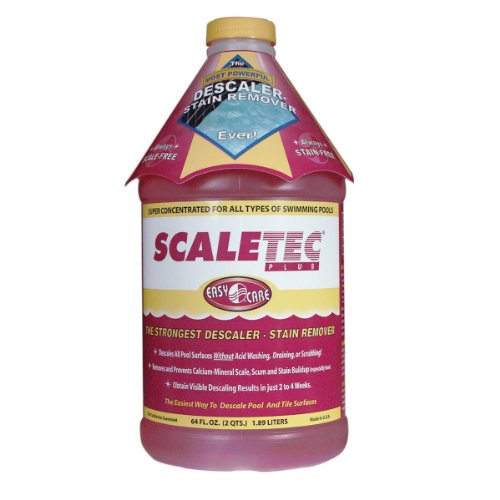
- BrandEasyCare

- VC Score7.0
BCP Score is a ranking system developed by bestcleanerproducts.com. BCP Score has no relationship or impact from any manufacturers or sales agent websites. Learn more
- BrandOCEANCARE

- VC Score6.2
BCP Score is a ranking system developed by bestcleanerproducts.com. BCP Score has no relationship or impact from any manufacturers or sales agent websites. Learn more
- BrandRenovo Products

- VC Score6.2
BCP Score is a ranking system developed by bestcleanerproducts.com. BCP Score has no relationship or impact from any manufacturers or sales agent websites. Learn more
- BrandBILLY BUCKSKIN HOME & BEAUTY

- VC Score5.8
BCP Score is a ranking system developed by bestcleanerproducts.com. BCP Score has no relationship or impact from any manufacturers or sales agent websites. Learn more
- BrandLamprey Hardware
Last update on 2026-10-08 / Affiliate links / Images, Product Titles, and Product Highlights from Amazon Product Advertising API
FAQs
Will a pumice stone scratch my pool tile?
A wet pumice stone will not scratch glazed ceramic or porcelain tile as long as both the stone and the tile stay completely wet during cleaning. The softened volcanic rock wears away faster than the hard ceramic glaze, grinding down the scale safely. But pumice will easily scratch glass tiles, vinyl liners, and fiberglass, so you should never use it on those softer materials.
Can household vinegar remove thick pool scale?
Household white vinegar works well on thin, chalky calcium carbonate film because the mild acid slowly dissolves the mineral layer. But vinegar is not strong enough to dissolve thick, rock-hard calcium silicate crust that has baked onto tiles over many months. For thick mineral crust, you need a dedicated pool-safe liquid descaler or gentle friction from a wet pumice stone.
When should I hire a professional for pool tile scale removal?
Consider hiring a professional if heavy calcium silicate covers your entire waterline or if you have delicate glass tiles covered in thick crust. Professionals use specialized bead blasting or soda blasting equipment that strips away rock-hard scale in minutes without scratching fragile tiles. Calling a professional is also best if your pool requires a complete drain and acid wash to restore neglected plaster surfaces safely.


How to Refinish a Fiberglass Pool

How Do You Keep Raccoons Out of Your Pool?

How to Fix Cyanuric Acid in Your Pool

How to Shape a Pool Cue Tip to Stop Miscues

12 Best Automatic Vacuum For Intex Above Ground Pool of 2026 To Keep Vinyl Floors Spotless

10 Best Automatic Pool Vacuum For Above Ground Pool of 2026 To End Manual Scrubbing

How Much Pool Clarifier Should You Use for Your Pool Size?

How Much Does a Pebble Tec Pool Cost to Build or Resurface?








