
How Much Does It Cost to Open a Pool in 2026?

Pull back a corner of the winter cover to inspect the water before setting a budget. That quick look reveals whether handling the startup yourself with basic chemicals makes sense or if booking a professional service crew is worth the extra expense. Clear water usually means an easy weekend task, but thick green slime quickly turns the restart into an intense rescue project.
Overall expenses shift based on a few main details in the backyard. Large inground pools hold thousands more gallons than basic above-ground models, demanding substantially more supplies to balance properly. Heavy solid covers also require far more manual labor to clean and stow than lightweight mesh screens. Severe algae blooms can drive supply needs even higher. Exploring these factors helps clarify whether buying startup supplies or hiring experienced labor best fits the upcoming season.
Professional Pool Opening Costs and What Service Crews Cover
Hiring a professional pool service to open your pool typically costs between $250 and $500 for a standard visit. This fee covers basic mechanical startup and physical prep work, but it does not mean your pool will be ready for swimming the moment the crew drives away. Most standard service packages focus on getting the winter cover off, assembling your equipment pad, and getting water moving through your filtration system safely.
A standard opening visit includes removing the winter cover, folding it for seasonal storage, and removing winter plugs (rubber stoppers sealing pipes against freezing). The technicians reinstall your directional return jet fittings, put skimmer baskets back in place, and reinstall deck hardware like handrails and ladders. At the equipment pad, they screw in the drain plugs on your pump, filter tank, and heater, lubricate rubber sealing rings, and start the circulation pump to confirm that water flows without massive plumbing leaks.
Many homeowners assume this flat rate includes chemical balancing and deep cleaning, but it rarely does. Most pool companies charge extra for chemicals, or they simply dump in a starter dose of chlorine and instruct you to handle the rest. Vacuuming heavy layers of winter sludge or fallen leaves off the pool floor is almost never included in a basic package. If your pool floor is buried in leaves or your water looks like dark pea soup, the service crew will charge an additional hourly rate, add a vacuuming fee of $100 to $200, or schedule a separate cleanup visit.
Extra water features also increase labor charges. If you have an attached spa, an outdoor waterfall, a deck jet fountain, or a separate solar heating loop, the technicians must clear extra winterizing plugs, check secondary valves, and fire up auxiliary pumps. Each added feature generally tacks on $50 to $100 to your final bill because of the extra labor required to prime lines and inspect plumbing seals.
What Drives Up the Price: Algae, Cover Types, and Hidden Repairs
The initial condition of your pool water is the biggest wild card in your total opening budget. If you take off your cover and find sparkling, clear blue water, your chemical expenses stay low and your equipment starts right up. But if algae slipped in over the winter, turning your water into an opaque green swamp, your costs can double quickly. Clearing severe algae blooms requires heavy doses of pool shock (high-strength chlorine to kill germs and algae), concentrated algaecide (a chemical that prevents green water growth), and repeated filter cleanings that take days of labor.
Your pool cover style also dictates how much effort and money the opening requires:
- Solid covers with water bags: These covers keep sunlight and debris out, often leaving clean water underneath. But they accumulate hundreds of gallons of stinking rainwater and rotting leaves on top. You must pump off that stagnant water before removing the cover, which adds hours of labor or an extra fee from a contractor.
- Mesh safety covers: These covers anchor firmly to your pool deck and let rain and melting snow drain directly into your pool. That prevents heavy puddles from forming on top, but it washes dirt and organic matter straight into your water. By spring, the sun warms the water through the mesh, often greeting you with a heavy green algae bloom.
- Automatic pool covers: These mechanical covers simplify seasonal use, but opening requires careful track cleaning and mechanical lubrication. Service companies charge higher rates to inspect tracks, clean cover housing boxes, and ensure the electric drive operates without binding.
Pool dimensions and surface materials change the price tag as well. A small above-ground pool holding 10,000 gallons uses far fewer chemicals and takes a fraction of the time to open compared to a 30,000-gallon inground concrete or gunite pool. Rough concrete or gunite holds onto green, black, or mustard algae in tiny plaster pits, requiring aggressive scrubbing and extra sanitizing chemicals. Slick fiberglass or smooth vinyl liner pools shed algae more easily, but technicians must work carefully to avoid tearing liners or scratching finishes with vacuum heads.
Spring is also when hidden winter damage reveals itself. Freeze damage can crack plastic pump strainer pots, split multi-port valve bodies, or break pressure gauges on filter tanks. Replacing a cracked pump housing or fixing broken underground plumbing can push opening season expenses well into four figures. Keeping an eye on your filter pressure gauge during the first hour of operation helps you spot restricted water flow before it burns out an expensive pump motor.
DIY Supply Expenses and Essential Opening Gear
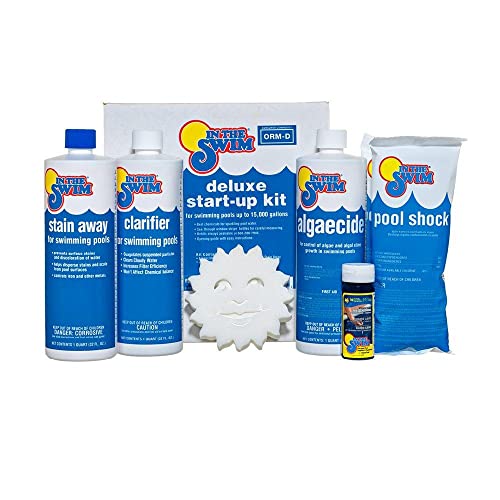
Opening a pool yourself cuts out professional labor rates entirely, leaving you with supply costs that generally land between $50 and $150. Your primary expense will be your spring chemical package. Most pool owners choose pre-packaged chemical startup kits because buying individual jugs of liquid chlorine, shock bags, and specialty balancing agents can add up quickly at retail pool stores.
To restart your pool on your own without running back and forth to the store, gather your opening supplies ahead of time:
- Submersible cover pump and garden hose to remove water sitting on solid covers.
- Channel lock pliers or a winter plug wrench to twist out stubborn rubber expansion plugs.
- Silicone-based O-ring lubricant to condition rubber seals on pump lids and filter plugs.
- Pool shock (high-strength chlorine to kill germs and algae) containing calcium hypochlorite or liquid shock.
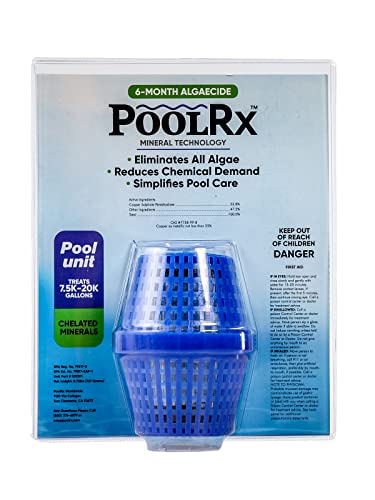
- Algaecide to kill off existing green spores and stop fresh blooms from taking root.
- Clarifier (a liquid that clumps fine dirt for the filter to trap) to polish cloudy water.
- Chemical check strips or a liquid dropper kit to measure chlorine, pH, and total alkalinity.
- Telescopic pole equipped with a deep-bag leaf rake net and a sturdy pool wall brush.
Beyond chemicals, check your spare parts bin before you pull your cover. Rubber O-rings dry out and crack when stored over cold winters, and Teflon pipe tape degrades. Spending five dollars on a small tube of silicone pool lube and fresh drain plug O-rings prevents air leaks that cause your circulation pump to lose prime. If your filter uses cartridges or sand, inspect them carefully before assembly. A worn cartridge with crushed pleats will bypass debris, undoing all the work your chemical shock performs.
Pro Service Versus DIY: How to Decide and Restart Safely
Deciding whether to hire a crew or do the job yourself comes down to your budget, your physical comfort, and your confidence around pool plumbing. Paying a pro saves your back from dragging heavy, wet covers across the yard and gives you peace of mind that valves are turned the right way. On the other hand, handling the opening yourself saves hundreds of dollars every spring and helps you understand how your filtration system operates.
If you choose to open the pool yourself, follow these clear steps to restart the system without causing equipment damage:
- Clear and remove the cover: Pump off all standing water and scoop off leaves before unhooking straps or water bags. Dragging a dirty cover into the pool dumps months of stagnant sludge into your water. Hose the cover down, let it air dry completely, and sprinkle it with pool cover storage powder before folding it up.
- Remove winter plugs: Walk the pool perimeter to pull winter plugs (rubber stoppers sealing pipes against freezing) from all skimmers and wall return jets. Reinstall your threaded eyeball return fittings, aiming them slightly downward to circulate bottom water. Put your skimmer baskets and floating weir doors back in place.
- Raise the water level: Winter water levels are often dropped several inches below the skimmer mouth to protect pipes from ice. Drop a garden hose in the pool and bring the water level back up to the midpoint of the skimmer opening (the waterline). Running your pump with water below the skimmer draws air into the pipes and can burn out the pump motor.
- Prep and prime the equipment pad: Reinstall the drain plugs on the pump housing, filter tank, and heater, using a fresh dab of silicone lubricant on every rubber O-ring. Open the manual air relief valve on top of your filter tank. Remove the clear pump lid, fill the strainer pot with a bucket of water, replace the lid snugly, and switch on the power. If you are updating your equipment schedule, review the steps for wiring a pool pump timer to make sure your run cycles operate properly.
- Bleed air from the system: Watch the open air relief valve on your filter tank while the pump pulls water from the pool. You will hear hissing air rushing out of the tank. The moment a steady stream of water shoots out of the valve, close it tightly. Check the pressure gauge on the filter; a clean startup pressure usually reads between 10 and 15 pounds per square inch.
- Check and balance the water chemistry: Let the water circulate for at least four to six hours before adding high-strength sanitizer. Measure your pH and total alkalinity first using chemical check strips. Adjust your alkalinity to 80 to 120 parts per million and your pH between 7.4 and 7.6. Chlorine shock works poorly in water with unbalanced pH levels.
- Shock the pool and brush the walls: Add your shock treatment in the evening so sunlight does not burn off the chlorine before it works. Brush the pool floor and walls thoroughly to disrupt fine algae clinging to the plaster or liner. Run the pump continuously for 24 to 48 hours until the water turns completely clear.
Choosing Opening Startup Kits and Cleaners to Simplify the Job
Using a pre-measured chemical startup kit eliminates the confusion of calculating individual chemical dosages on opening day. These kits bundle fast-acting chlorine shock, long-lasting algaecide, and clarifying agents matched to specific water volumes, such as pools up to 15,000 gallons or larger setups up to 30,000 gallons. When choosing a kit, verify the sanitizer concentration on the label and pick an option suited for your specific pool surface to prevent liner staining or plaster scaling.
Once chemical treatment begins, a dedicated automatic cleaner removes heavy spring debris without forcing you to vacuum manually for hours. A robotic cleaner (a self-powered unit with its own internal debris basket) is especially helpful during spring opening because it collects leaves, dead algae, and silt directly inside its own filter basket. This keeps spring grit out of your main filter tank, cutting down on the need for frequent backwashing. If your pool has a dedicated suction port, a suction-side cleaner (which attaches to your pool skimmer or vacuum port and uses your pool pump's suction) offers a simpler mechanical alternative, though it sends opening debris straight into your pump basket and main filter.
Before selecting a cleaner to assist with spring cleanup, check the unit's filter basket capacity to ensure it can handle thick organic leaves without clogging every ten minutes. Confirm that the drive system suits your pool surface; smooth vinyl liners and slick fiberglass require softer brushes or specialized climbing rings, while rough plaster and concrete demand durable rubber tracks to navigate the deep end. Always plug powered cleaners into an outdoor GFCI outlet (a protected ground-fault outlet with a weatherproof cover) positioned at least 10 feet back from the pool edge. Never let anyone swim while an automatic cleaner or power cord remains in the pool, and always turn off the main pump before disconnecting any vacuum hoses.
- VC Score9.2
BCP Score is a ranking system developed by bestcleanerproducts.com. BCP Score has no relationship or impact from any manufacturers or sales agent websites. Learn more
- BrandIn The Swim

- VC Score9.0
BCP Score is a ranking system developed by bestcleanerproducts.com. BCP Score has no relationship or impact from any manufacturers or sales agent websites. Learn more
- BrandPool RX

- VC Score9.0
BCP Score is a ranking system developed by bestcleanerproducts.com. BCP Score has no relationship or impact from any manufacturers or sales agent websites. Learn more
- BrandHTH Store
- VC Score8.8
BCP Score is a ranking system developed by bestcleanerproducts.com. BCP Score has no relationship or impact from any manufacturers or sales agent websites. Learn more
- Brandpoolrx

- VC Score8.6
BCP Score is a ranking system developed by bestcleanerproducts.com. BCP Score has no relationship or impact from any manufacturers or sales agent websites. Learn more
- BrandBOUNTECH

- VC Score8.6
BCP Score is a ranking system developed by bestcleanerproducts.com. BCP Score has no relationship or impact from any manufacturers or sales agent websites. Learn more
- BrandRola-Chem

Poolside Storage Basket,Thickened Pool Storage Basket,Above Ground Pool Basket,Multifunctional Storage
View on Amazon- VC Score7.8
BCP Score is a ranking system developed by bestcleanerproducts.com. BCP Score has no relationship or impact from any manufacturers or sales agent websites. Learn more
- BrandCYYOLLPF

- VC Score6.4
BCP Score is a ranking system developed by bestcleanerproducts.com. BCP Score has no relationship or impact from any manufacturers or sales agent websites. Learn more
- BrandFunsicle

- VC Score-
BCP Score is a ranking system developed by bestcleanerproducts.com. BCP Score has no relationship or impact from any manufacturers or sales agent websites. Learn more
- BrandINOVLUE
Last update on 2026-10-08 / Affiliate links / Images, Product Titles, and Product Highlights from Amazon Product Advertising API
FAQs
Why do pool opening companies charge extra if the water is green?
Clearing dark green water requires heavy doses of chlorine shock and algaecide that far exceed standard opening supplies. Technicians must also spend hours vacuuming dead algae to waste, scrubbing surfaces, and repeatedly cleaning the filter tank. Because clearing a severe algae bloom demands multiple return visits over several days, companies bill this extra chemical usage and labor separately.
Can I dump the water sitting on my winter cover straight into the pool?
No, you should never dump standing cover water into your pool. Stagnant cover water is packed with decomposing leaves, bird droppings, mold, and concentrated algae spores that will overwhelm your filtration system. Always use a small submersible pump to push that wastewater into your yard or storm drain before removing the cover.
How long after opening and shocking the pool can my family swim?
You can safely enter the pool once the free chlorine level drops back between 1 and 4 parts per million and your water is clear enough to see the bottom drain. High chlorine levels right after shocking can cause skin irritation and red eyes. If the water remains chilly after chemical balancing, review how long a pool takes to heat up to plan your first comfortable swim day.


How to Refinish a Fiberglass Pool

How Do You Keep Raccoons Out of Your Pool?

How to Fix Cyanuric Acid in Your Pool

How to Shape a Pool Cue Tip to Stop Miscues

12 Best Automatic Vacuum For Intex Above Ground Pool of 2026 To Keep Vinyl Floors Spotless

10 Best Automatic Pool Vacuum For Above Ground Pool of 2026 To End Manual Scrubbing

How Much Pool Clarifier Should You Use for Your Pool Size?

How Much Does a Pebble Tec Pool Cost to Build or Resurface?








