
How to Get Foam Out of Your Pool Fast?

Clearing thick froth off the water starts with skimming away the top layer and running the filter pump around the clock. The permanent fix depends on whether those bubbles came from swimmer soaps, cheap algae treatments, or air leaking into your pipes. A specialized pool defoamer flattens the floating suds right away, but balancing the water chemistry is what stops them from returning.
The right move depends heavily on what stirred up the mess and how your equipment is running. Low calcium hardness (the dissolved mineral balance that stabilizes water) leaves pool water soft and prone to frothing, while low chlorine allows organic body oils to collect. Suction leaks near the pump can also churn trapped air into persistent bubbles. Here is how to find the root cause and get your pool clear again today.
The Short Version
- Scoop off the suds: Use a fine-mesh skimmer net or a clean plastic dustpan to take the thickest layer of bubbles off the surface right away.
- Check and balance your water: Measure your free chlorine, pH, and calcium hardness (the dissolved mineral balance that stabilizes water), adjusting any low readings to stop the water from foaming.
- Run the circulation pump: Keep your filter running continuously for 24 to 48 hours to pull soaps, oils, and chemical residues out of the pool.
- Add a targeted treatment if bubbles linger: Pour in a small dose of defoamer (an anti-bubble liquid that flattens surface froth) to knock down suds instantly, or a clarifier (a liquid that gathers tiny particles so your filter can grab them) to trap oils.
What Causes Pool Foam in the First Place?
Walking outside to find a thick layer of white froth floating across your pool water can be alarming. It looks like someone dumped a bottle of bubble bath into the deep end. In almost every case, pool foam happens when three elements combine: organic oils or chemicals, water agitation from your return jets, and air. Understanding which source entered your pool helps you fix it without wasting money on chemicals you do not need.
The most common source is everyday swimmer residue. Shampoos, hair conditioners, body washes, deodorants, suntan lotions, and cosmetics easily wash off skin and hair into the water. Laundry detergent trapped in swimsuits is an especially common offender. When bathing suits are washed with standard laundry soap and not thoroughly rinsed, the fabric holds onto surfactants. Surfactants are soap compounds that lower the surface tension of water, allowing bubbles to form and hold their shape instead of popping. When your return jets churn the pool water, those soap residues whip into a thick foam.
Another frequent cause is cheap algaecide (an algae-killing chemical). Many budget-friendly algaecides rely on low-grade ingredients, often called quaternary ammonium compounds. While these formulas kill algae, they have a natural tendency to create frothy suds when stirred by powerful return jets or water features. If you recently treated an algae bloom and noticed thick foam the next morning, your algae treatment is almost certainly the culprit.
Your pool water chemistry can also invite foam if your calcium hardness drops too low. When calcium levels are below the recommended range, the water becomes soft and unstable. Soft water acts just like the water in a bathroom shower, lathering up and holding bubbles far longer than properly balanced water. In addition, low sanitizer levels allow organic waste and dead algae particles to accumulate, which further destabilizes the surface tension.
Finally, foam can stem from mechanical plumbing trouble rather than chemicals. If your filtration system has an air leak on the suction side of the pump, it pulls outside air directly into the rushing water stream. The pump impeller chops that air into millions of microscopic bubbles. When those micro-bubbles blast out of your return jets, they churn up whatever minor oils are already in the pool, creating a persistent, frothy blanket on the surface.
Four Steps to Remove Pool Foam Right Now
You do not need to drain your pool to get rid of foam. Follow these four practical steps in order to clear the froth from your surface and stabilize your water.
-
Physically scoop out the floating suds.
Before adding any chemicals, grab a fine-mesh skimmer net or even an ordinary flat dustpan and scoop as much foam off the surface as you can. Dump the suds directly onto the lawn or into a bucket. Do not let the foam dissolve back into the water. Removing the physical froth takes the soap compounds and oils out of circulation completely, which lightens the load on your filter system.
-
Check and correct your water balance.
Dip a reliable test strip or use a liquid test kit to measure your free chlorine, pH, total alkalinity, and calcium hardness. Low sanitizer allows organic material to build up, so raise your free chlorine to standard levels to oxidize contaminants. If your calcium hardness is low, add calcium chloride according to the label instructions for your pool size. Raising calcium hardness stabilizes the water and stops surface tension from letting bubbles hold together. If your pool water has accumulated heavy organic matter over time, you can also measure pool phosphates at home to verify that algae food sources are not fueling the mess.
-
Run your pool filter pump continuously.
Switch your pool circulation pump to run 24 hours a day until the foam completely clears. As water flows through the skimmer box and main drain, the filter media captures suspended oils and small particles. If you use a cartridge filter, pull the cartridge and hose it off thoroughly with fresh water to remove any soap slime. If you have a sand or diatomaceous earth filter, perform a backwash cycle to flush captured gunk down the waste line before starting the continuous run.
-
Apply a defoamer or water clarifier.
If suds persist after balancing and skimming, add a pool defoamer directly across the surface where bubbles gather. A defoamer breaks the surface tension immediately, causing bubbles to collapse on contact. Use defoamer sparingly, as adding too much can leave a dull film on the water. Follow up with a pool clarifier a few hours later. The clarifier works like a magnet, gathering tiny oil droplets and cosmetic residues into larger clumps so your filter can trap them easily.
How to Check for Air Leaks in Your Suction Lines
If your pool water tests show balanced chemistry, no one has used soap, and you have not added cheap algaecide, your foam is likely caused by an air leak in your plumbing. Air leaks happen on the suction side, which is the section of pipe between the pool skimmer and the pump intake. Use this simple checklist to track down the leak:
- Look at the pump strainer lid: Check the clear plastic lid on your pump while the motor is running. If you see huge air pockets, churning bubbles, or a water level that sits below the top of the basket, air is entering the system.
- Inspect the lid O-ring: Turn off the pump, remove the strainer lid, and inspect the rubber O-ring. Look for cracks, flat spots, or dirt caught in the groove. Wipe the ring clean and coat it with a pool-safe silicone lubricant before reseating it tightly.
- Check your pool water level: Walk over to the skimmer box on the pool wall. If the water level sits lower than the midpoint of the skimmer opening, the suction can pull a swirling whirlpool of air into the line, sending frothy bubbles out of the return jets. Add fresh water until it reaches halfway up the skimmer mouth.
- Examine the intake pipe fittings: Check the threaded PVC pipe connection where water enters the pump housing. Heat and vibration can loosen this joint over time. Run a gentle stream of water from a garden hose over the threaded connection while the pump runs; if the air bubbles inside the clear pump lid vanish while the hose is running, you have found your air leak.
- Inspect the pump impeller for clogs: If pine needles or small pebbles slip past the strainer basket, they can choke the impeller vanes and cause uneven suction pressure that chops air into foam. You can safely turn off the breaker and clean a pool pump impeller to restore flow using a piece of wire or a screwdriver to pull out trapped debris.
Chemical Mistakes That Make Pool Foam Worse
When pool owners see foam, their first impulse is often to throw every chemical in their shed into the water. This reaction almost always backfires and prolongs the problem. Avoiding common chemical mistakes will save your equipment and clear your water faster.
The biggest mistake is adding shock and defoamer at the exact same moment. High levels of chlorine shock break down the active ingredients in defoamers and clarifiers before they can work. If your water requires a heavy chlorine shock to burn off organic waste, add the shock first, let your chlorine level settle back to normal operating ranges, and then treat any remaining froth with defoamer.
Another frequent error is overdosing the pool with defoamer. Pool defoamers do not remove the oil or soap from the water; they simply change surface tension so bubbles pop. If you dump half a gallon of defoamer into a small pool, the excess chemical lingers in the water, coats your filter media, and creates a dull, oily sheen. Always measure the dose according to your pool volume and wait several hours before adding more.
Never use household cleaning sprays, dish soaps, or tile cleaners to scrub the waterline (the tile border where water meets the pool wall). Even a few drops of dish soap can cause wild foaming that takes days to filter out. Always use a dedicated, non-foaming pool surface cleaner applied with a soft sponge, making sure none of the cleaning liquid drips down into the pool water.
Simple Habits to Keep Foam Away for Good
Preventing foam requires much less work than clearing an active outbreak. Establishing a few basic pool habits keeps soaps, lotions, and unwanted bubbles from taking over your water.
- Enforce a quick body rinse: Ask family members and guests to take a sixty-second rinse in a warm shower before diving into the pool. This washes away lotions, body sprays, and deodorants before they enter the water.
- Rinse swimsuits with plain water: Do not wash swimming suits with standard laundry detergent in your washing machine. After swimming, rinse suits thoroughly in plain tap water and hang them to dry. If swimsuits must be washed, run an extra rinse cycle to strip away all soap traces.
- Use non-foaming algaecides: When treating algae, choose metallic or copper-based treatments or polymeric formulas that are specifically labeled as non-foaming. Avoid low-cost quaternary algaecides that whip into froth under pressure.
- Drop an oil-absorbing sponge in the skimmer: Place a reusable oil-absorbing scum sponge inside your skimmer basket. These specialized foam sponges absorb body oils and sunscreen floating on the surface while letting clean water pass through freely.
- Maintain calcium hardness: Check your calcium levels once a month during swimming season. Keeping calcium hardness between 200 and 400 parts per million prevents the water from turning soft and creating suds.
What Pool Cleaners and Maintenance Gear Help Clear Foam?
Dealing with pool foam often makes owners wonder if an automatic pool cleaner can solve the issue. It helps to understand what pool equipment can handle and where chemical filtration must step in.
Automatic cleaners are built to remove solid debris like sand, leaves, and algae clinging to your pool floor and walls. A robotic cleaner (a self-powered unit with its own internal debris basket) does a great job scrubbing the pool floor, climbing walls, and scrubbing the waterline to loosen scum rings where oils gather. However, no vacuum cleaner or robotic cleaner can vacuum liquid foam off the surface of the water, because foam is made of dissolved chemicals and air bubbles.
Suction-side cleaners (which attach to your pool skimmer or dedicated vacuum port and use your pool pump suction) can actually make foam worse if their hose sections are cracked or loosely connected. A loose suction hose pulls air straight into the circulation line, creating the exact plumbing leak that whips water into froth. If you notice foam appearing whenever your suction cleaner runs, inspect each hose section for pinholes and check the connection cuff at the skimmer.
For clearing surface foam, the most effective gear includes fine-mesh surface skimmer nets, oil-absorbing scum sponges placed in the skimmer basket, and a properly maintained filtration system. If you plan to add chemical foam reducers or clarifiers, verify that the product formula matches your pool surface, whether you have a vinyl liner, fiberglass shell, or concrete plaster.

- VC Score9.6
BCP Score is a ranking system developed by bestcleanerproducts.com. BCP Score has no relationship or impact from any manufacturers or sales agent websites. Learn more
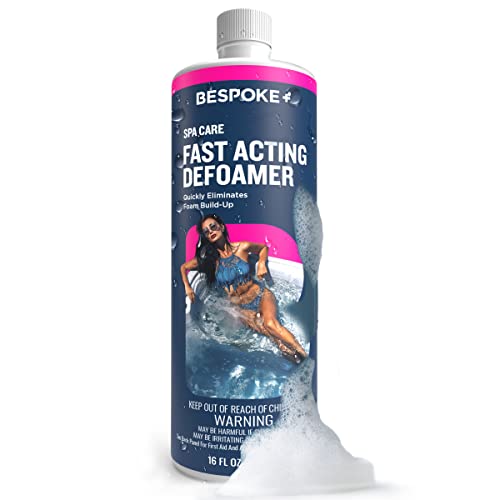
- BrandBespoke+

- VC Score9.2
BCP Score is a ranking system developed by bestcleanerproducts.com. BCP Score has no relationship or impact from any manufacturers or sales agent websites. Learn more
- BrandMAV AquaDoc
- VC Score9.2
BCP Score is a ranking system developed by bestcleanerproducts.com. BCP Score has no relationship or impact from any manufacturers or sales agent websites. Learn more
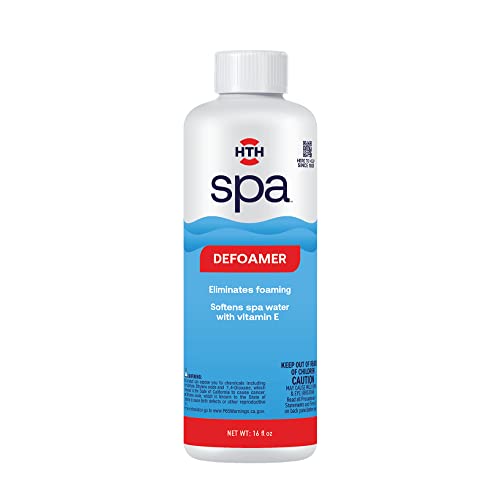
- BrandHTH
- VC Score8.8
BCP Score is a ranking system developed by bestcleanerproducts.com. BCP Score has no relationship or impact from any manufacturers or sales agent websites. Learn more
- BrandBespoke+

- VC Score8.8
BCP Score is a ranking system developed by bestcleanerproducts.com. BCP Score has no relationship or impact from any manufacturers or sales agent websites. Learn more
- BrandMAV AquaDoc

- VC Score8.6
BCP Score is a ranking system developed by bestcleanerproducts.com. BCP Score has no relationship or impact from any manufacturers or sales agent websites. Learn more
- BrandBastion

- VC Score8.4
BCP Score is a ranking system developed by bestcleanerproducts.com. BCP Score has no relationship or impact from any manufacturers or sales agent websites. Learn more
- BrandPMCAF

- VC Score8.4
BCP Score is a ranking system developed by bestcleanerproducts.com. BCP Score has no relationship or impact from any manufacturers or sales agent websites. Learn more
- BrandHTH
Last update on 2026-10-08 / Affiliate links / Images, Product Titles, and Product Highlights from Amazon Product Advertising API
FAQs
Is it dangerous to swim in foamy pool water?
You should avoid swimming in foamy pool water until you identify the cause and balance your chemistry. If the foam comes from low sanitizer, bacteria and organic waste may be present in the water. In addition, chemical residues from cheap algaecides or household soaps can irritate your eyes, skin, and breathing passages. Wait until the foam clears and your free chlorine and pH return to normal ranges before getting back in.
How long does it take for pool foam to disappear?
Minor foam caused by suntan lotions or light detergent can clear in 12 to 24 hours if you scoop the surface and run your filtration pump continuously. If the foam was triggered by a large dose of cheap algaecide or severe chemical imbalance, it may take 2 to 4 days of continuous filtration, water balancing, and clarifier treatments to completely eliminate the suds.
Will shocking my pool get rid of surface foam?
Pool shock can help if the foam is caused by organic swimmer waste, sweat, or dead algae, because high chlorine levels oxidize and destroy those compounds. But if your foam was caused by cheap algaecide, low calcium hardness, or an air leak in your pump lines, adding chlorine shock will not solve the issue. Always test your water chemistry first to confirm whether low sanitizer is actually the underlying problem.
Can I use hot tub defoamer in my swimming pool?
Many silicone-based defoamers work in both pools and hot tubs, but you must check the product label before pouring it in. Hot tub formulas are often sold in smaller, concentrated bottles intended for small water volumes. While the active ingredients are generally similar, swimming pools require larger quantities to treat thousands of gallons of water, so using a product formulated and dosed specifically for swimming pools is usually much more practical and cost-effective.


How to Refinish a Fiberglass Pool

How Do You Keep Raccoons Out of Your Pool?

How to Fix Cyanuric Acid in Your Pool

How to Shape a Pool Cue Tip to Stop Miscues

12 Best Automatic Vacuum For Intex Above Ground Pool of 2026 To Keep Vinyl Floors Spotless

10 Best Automatic Pool Vacuum For Above Ground Pool of 2026 To End Manual Scrubbing

How Much Pool Clarifier Should You Use for Your Pool Size?

How Much Does a Pebble Tec Pool Cost to Build or Resurface?


