
How Much Pool Clarifier Should You Use for Your Pool Size?

Use one ounce for every 5,000 gallons. That is the standard dose for most concentrated pool clarifiers. This liquid groups microscopic dirt specks into larger clumps so your filter can catch them. Pouring in extra will not speed things up. In fact, an overdose does the opposite. Too much clarifier repels dirt particles instead of grouping them, leaving the water milkier than before.
Your exact measurement depends on a few key factors. The biggest detail is your total pool volume in gallons. Chemical strength also varies by bottle, so checking the label concentration matters. How cloudy the water is and the type of filter you run will shape your results as well. A few quick checks will give you clear water without risking a chemical haze. Here is how to calculate the safe dose for your pool setup.
Standard Clarifier Dosing Rules and Gallon Chart
Pool clarifier works as a coagulant, which is a clumping agent that groups tiny dirt specks together. Microscopic debris such as dead algae dust, pollen, and fine silt is often too small for your pool filter to capture on a single pass. These floating specks drift right through your filter media, which is the sand, paper cartridge, or powder that traps dirt in your filter tank. A clarifier gives these loose specks a magnetic charge so they stick together. Once they form larger clumps, your filter can trap them easily.
For most standard concentrated formulas, the rule of thumb is simple: use 1 fluid ounce of pool clarifier for every 5,000 gallons of pool water. Using this standard ratio, here is how much concentrated clarifier you need based on your pool size:
- 5,000-gallon pool: 1 fluid ounce
- 10,000-gallon pool: 2 fluid ounces
- 15,000-gallon pool: 3 fluid ounces
- 20,000-gallon pool: 4 fluid ounces
- 25,000-gallon pool: 5 fluid ounces
- 30,000-gallon pool: 6 fluid ounces
- 35,000-gallon pool: 7 fluid ounces
- 40,000-gallon pool: 8 fluid ounces
Always verify the chemical concentration printed on your bottle before measuring. Some brands sell pre-diluted formulas that require 2 to 4 fluid ounces per 5,000 gallons, while super-concentrated blends require less. Read the back label carefully to confirm whether the manufacturer bases their instructions on a 5,000-gallon or 10,000-gallon baseline.
How to Estimate Your Pool Water Volume
Getting your dosage right starts with knowing how much water sits inside your pool walls. If you guess your pool size, you risk under-dosing and seeing no results, or overdosing and making your water cloudy for days. You can measure your swimming pool for total gallons using a tape measure and a simple calculation based on your pool shape.
To find your volume, start by calculating your average depth. Walk your pool and add the shallow end depth to the deep end depth in feet, then divide that number by two. A pool with a three-foot shallow end and an eight-foot deep end has an average depth of 5.5 feet. Once you have your average depth, apply the formula that matches your pool shape:
- Rectangular pools: Multiply length by width, multiply by average depth, and multiply by 7.5. For example, you can figure out how many gallons a 16x32 pool holds by taking 16 times 32 times your average depth times 7.5.
- Round pools: Multiply the diameter across the middle by the diameter, multiply by average depth, and multiply by 5.9.
- Oval pools: Multiply the longest diameter by the shortest diameter, multiply by average depth, and multiply by 6.7.
For pools with freeform or irregular curves, break the pool into smaller rectangular or circular sections, calculate each section, and add the totals together. Round down slightly rather than up when you dose clarifier. A slightly smaller dose still clears water, but an overdose creates problems.
Steps for Adding Pool Clarifier to Your Water Safely
-
Test and balance your basic water chemistry.
Check your water with test strips or a liquid test kit to confirm your pH sits between 7.2 and 7.6, and your free chlorine sits between 1 and 3 parts per million. Clarifiers work poorly in water that has an acidic pH or high alkaline levels, which prevents the clumping agent from binding debris together.
-
Clean or backwash your pool filter.
Rinse your cartridge pleats with a garden hose or backwash your sand or diatomaceous earth filter until the sight glass runs clear. A dirty filter cannot catch the new debris clumps that the clarifier will send through the plumbing lines.
-
Measure your clarifier dose using a dedicated measuring cup.
Pour the exact number of ounces into a plastic measuring cup designated only for pool chemicals. Never eyeball the liquid by squeezing the bottle directly over the pool edge, because accidental spills can double your dose in seconds.
-
Dilute the clarifier in a five-gallon bucket of pool water.
Fill a clean bucket three-quarters full with pool water, pour the measured clarifier into the bucket, and stir it gently with a plastic paint stick. Pre-mixing prevents concentrated chemical streaks from floating on the surface or settling against your pool floor.
-
Pour the mixture around the deep end near the water return jets.
Walk around the perimeter of your deep end and slowly pour the diluted bucket into the water while the pool pump is running. Pouring near the return jets uses the incoming water stream to push the chemical across the entire pool surface quickly.
-
Run your pool pump continuously for 24 to 48 hours.
Leave your circulation system running non-stop so water passes through the filter media repeatedly. Shutting off the pump interrupts the clumping process and leaves half-formed dirt particles floating in place.
The Clarifier Overdose Trap and What to Do If You Add Too Much
When pool water looks hazy, it is tempting to pour in half a bottle of clarifier to speed things up. Adding extra clarifier is one of the most common pool care mistakes, and it creates the exact opposite of what you want. Clarifiers carry a positive electrical charge that attracts negatively charged dirt specks. When the ratio is balanced, one particle of clarifier grabs several dirt specks, pulling them into a tight cluster.
If you add too much clarifier, the chemical molecules overwhelm the dirt specks. Instead of grouping dirt together, individual clarifier molecules coat each tiny speck with a positive charge. Because identical charges repel each other like matching magnets, the dirt particles push apart and stay suspended in the water. Your pool water turns milky white, and the haze gets worse than it was before you treated it.
Fixing a clarifier overdose requires patience and mechanical filtration. First, stop adding all clarifiers, algaecides, and water balancers. Keep your circulation pump running around the clock to let your filter catch as much material as possible. Check your filter pressure daily and clean the filter whenever the pressure rises. Natural sunlight and active chlorine will slowly break down the excess chemical chains over three to seven days. If the water remains milky white after several days, drain a few inches of water from the pool and refill it with fresh tap water to dilute the chemical concentration.
Filter Runtime and Cleaning Your Filter Media After Treatment
A pool clarifier does not make dirt vanish into thin air. It simply gathers tiny floating debris into clumps that are large enough for your filter media to catch. That means all the dirt causing your cloudy water ends up packed inside your filter tank. You must keep your circulation system running steadily so the filter can sweep the water clean.
Plan to run your pump for 24 to 48 continuous hours after pouring in the dose. During this clearing window, monitor the pressure gauge mounted on top of your filter tank. Note the baseline reading when you first start the treatment. As your filter collects the clumped debris, the internal pressure will rise.
When the gauge shows 8 to 10 pounds per square inch (PSI) above your clean baseline pressure, the filter is full. Stop the pump immediately and clean your filter media:
- Sand filters: Shut off the pump, set the multiport valve to the backwash position, and run it for two to three minutes until the waste line runs clear. Rinse for thirty seconds before returning to filter mode.
- Cartridge filters: Turn off the pump, bleed the air pressure valve, remove the filter lid, and pull out the paper cartridge. Spray between every pleat using a steady stream from a garden hose nozzle.
- Diatomaceous earth filters: Backwash the system to purge the loaded powder, then add a fresh charge of diatomaceous earth powder through your skimmer.
Once you clean the filter, restart the pump. If your water is still clearing, let the pump run until the water looks sparkling and clear from the shallow end to the drain.
Clarifier Versus Flocculant for Cloudy Water
Many pool owners confuse clarifiers with pool flocculants. Both chemicals treat cloudy water, but they function differently and suit different pool setups. Knowing the difference prevents accidental equipment damage and saves you hours of clean-up time.
Pool clarifier is a gentle, maintenance-level chemical. It works slowly alongside your regular pool filter over 24 to 48 hours. You do not need to alter your plumbing valves or vacuum water out of the pool. Clarifier is safe for all filter types, including cartridge filters, sand filters, and diatomaceous earth systems. You can also swim just twenty to thirty minutes after adding a normal dose, provided your chlorine and pH levels are balanced.
Pool flocculant, often called pool floc, is a heavy settling chemical that drops debris straight to the pool floor. Flocculant binds particles together into large, heavy gelatinous sheets that sink to the bottom of the pool within 8 to 12 hours. It leaves the top layer of water clear, but you must manually vacuum the settled sediment straight to waste using a multiport valve. You cannot use flocculant with cartridge filters because the thick gel coats the paper pleats and permanently ruins the cartridge media. Flocculant works best for severe water emergencies where you cannot see the pool bottom, while clarifier is the right choice for mild haze and weekly water upkeep.
What to Look for When Choosing a Pool Clarifier
When shopping for a pool clarifier to restore water clarity, focus on the chemical concentration and your specific filter setup. Standard concentrated formulas are the most reliable option for routine pool maintenance because a small 32-ounce bottle can treat up to 160,000 gallons over several months. Highly concentrated bottles take up less storage space in your chemical shed and give you precise control over small doses.
Check the product label to ensure the formula is rated safe for your interior surface and your equipment. Quality clarifiers are compatible with vinyl liners, fiberglass shells, painted concrete, and pebble aggregate finishes without causing staining or foam buildup. Look for formulas that state they work across wide temperature ranges and varying chlorine levels, which ensures the product performs during hot summer heat waves or right after a routine shock treatment. Selecting a formula designed for all filter types guarantees that the coagulant will not clog your sand bed or gum up your filter cartridges when used at the recommended dosage.

- VC Score9.4
BCP Score is a ranking system developed by bestcleanerproducts.com. BCP Score has no relationship or impact from any manufacturers or sales agent websites. Learn more
- BrandKLEEN POOL
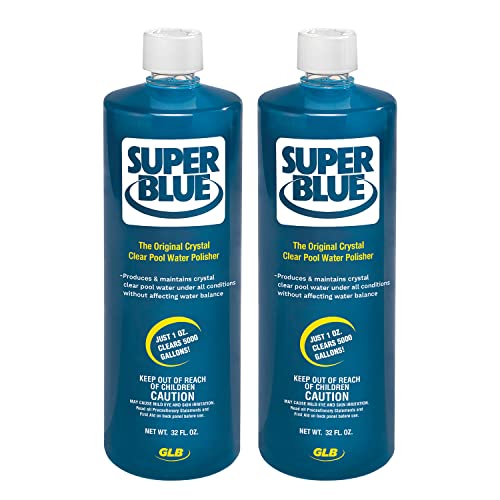
- VC Score9.2
BCP Score is a ranking system developed by bestcleanerproducts.com. BCP Score has no relationship or impact from any manufacturers or sales agent websites. Learn more
- BrandGLB

- VC Score9.2
BCP Score is a ranking system developed by bestcleanerproducts.com. BCP Score has no relationship or impact from any manufacturers or sales agent websites. Learn more
- BrandGLB
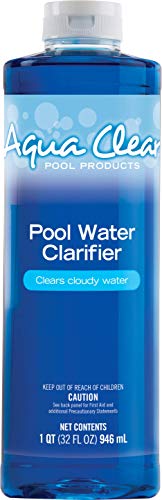
- VC Score9.0
BCP Score is a ranking system developed by bestcleanerproducts.com. BCP Score has no relationship or impact from any manufacturers or sales agent websites. Learn more
- BrandAqua Clear

- VC Score9.0
BCP Score is a ranking system developed by bestcleanerproducts.com. BCP Score has no relationship or impact from any manufacturers or sales agent websites. Learn more
- BrandGLB

- VC Score8.8
BCP Score is a ranking system developed by bestcleanerproducts.com. BCP Score has no relationship or impact from any manufacturers or sales agent websites. Learn more
- BrandChemCorp

- VC Score8.6
BCP Score is a ranking system developed by bestcleanerproducts.com. BCP Score has no relationship or impact from any manufacturers or sales agent websites. Learn more
- BrandPOOL ELEVATE

- VC Score8.6
BCP Score is a ranking system developed by bestcleanerproducts.com. BCP Score has no relationship or impact from any manufacturers or sales agent websites. Learn more
- BrandMAV AquaDoc

- VC Score8.6
BCP Score is a ranking system developed by bestcleanerproducts.com. BCP Score has no relationship or impact from any manufacturers or sales agent websites. Learn more
- BrandBio Ouster
Last update on 2026-10-08 / Affiliate links / Images, Product Titles, and Product Highlights from Amazon Product Advertising API
FAQs
Can I swim right after adding pool clarifier?
You can usually swim about 20 to 30 minutes after adding pool clarifier. This brief waiting period gives your pool pump enough time to circulate the chemical evenly through the water. Always make sure your chlorine and pH levels are in a safe swimming range before getting into the pool.
Should I pour clarifier into the skimmer or directly into the pool?
Pour clarifier directly into the pool water around the deep end rather than dumping it straight into the skimmer. Pouring concentrated clarifier into the skimmer sends an undiluted dose directly into your filter media, which can clog the sand or cartridge pleats before the chemical has a chance to bind debris in the pool.
Why is my pool still cloudy 48 hours after using clarifier?
Water that stays hazy after clarifier treatment usually points to an underlying chemical imbalance, a dirty filter, or an early algae bloom. Clarifiers only group physical particles; they do not kill living algae or balance high calcium levels. Test your free chlorine and pH, check for low sanitizer levels, and clean your filter media to see if the haze clears.
Can I add pool shock and clarifier on the same day?
It is best to wait at least 12 to 24 hours after shocking your pool before adding a clarifier. High chlorine levels from a heavy shock treatment can oxidize and break down the polymers in the clarifier, rendering the clumping agent useless. Shock the pool first to kill bacteria and algae, let the chlorine level drop below 5 parts per million, and then add your clarifier dose.


How to Refinish a Fiberglass Pool

How Do You Keep Raccoons Out of Your Pool?

How to Fix Cyanuric Acid in Your Pool

How to Shape a Pool Cue Tip to Stop Miscues

12 Best Automatic Vacuum For Intex Above Ground Pool of 2026 To Keep Vinyl Floors Spotless

10 Best Automatic Pool Vacuum For Above Ground Pool of 2026 To End Manual Scrubbing

How Much Does a Pebble Tec Pool Cost to Build or Resurface?

How Many Gallons Does a 16x32 Pool Hold by Depth?








