

Pool retiling costs depend on updating the waterline border or the whole shell. Plan for tile materials and hidden concrete repairs before hiring a crew.

Plastering takes 2 to 3 days of crew work, but curing takes 4 weeks. Know the timeline for refilling, swimming safely, and restarting equipment.

A 15x24 pool holds 3.5 to 4 feet of water, about 6 inches below the top rail. Compare real depths across wall heights to pick the right ladder and liner.

Steel frame pools usually last 3 to 6 years, while inflatable rings last 1 to 3 summers. Indoor winter storage and level ground prevent early tears.

Add 2 cups of plain bleach daily or 1 gallon to shock a 6,000-gallon pool. Pour by the return jet to protect your vinyl liner and keep the water clear.

Most Coleman frame pools last 3 to 6 years. Prevent premature liner tears, rusty joints, and seam splits with level ground setup and smart winter care.

A pre-cast plunge pool shell is only part of the bill. Plan for crane rental, digging, permits, and electrical work to budget your total backyard build.

Most inground pools take 8 to 16 weeks to build, plus permits. See why concrete takes longer than fiberglass and when to start so you can swim this summer.

Pool robots use internal motors and onboard filters to clean without pool plumbing. Water flow holds them against walls while low voltage keeps them safe.

Most saltwater pools need roughly seven 40-pound bags per 10,000 gallons. Calculate what your pool volume needs and add salt safely without overshooting.

Most pools need 12 hours to 3 days to warm up. Gas heaters raise water 1 to 2 degrees an hour, while heat pumps take days. Use a cover to cut your wait time.

Measure straight across the center from inside wall to inside wall, skipping outer rails. Get the true diameter and height so your new liner or cover fits right.
Most corded pool robots last 3 to 5 years, while cordless models last 2 to 3. Avoid early motor burnout with simple storage habits and balanced water.
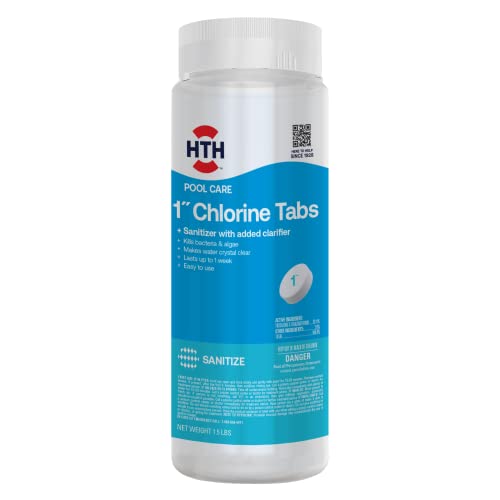
Use one or two 1-inch chlorine tablets in a floating dispenser for an 8-foot pool. Never use 3-inch tabs, which quickly bleach vinyl and irritate eyes.
Small liner tears and cracks often only need a cheap DIY patch, while failing pumps and shifting ground call for a pro. Gauge what your pool repair takes.

A precast pool shell is only half the finished bill. Plan a realistic budget by accounting for crane delivery, ground excavation, and utility hookup expenses.

Fill your pool water halfway to two-thirds up the skimmer mouth. This keeps your pump from drawing air and lets the surface flap catch leaves before they sink.

Determine if you need fresh filter inserts or a whole new tank. Weigh cartridge, sand, and DE system costs alongside DIY and professional labor fees.

Plan your pool equipment budget without surprise bills. See how pumps, filters, heaters, pool type, and professional installation fees shape your total cost.

A pool typically loses a quarter inch of water daily to sun and wind. Spot the difference between normal evaporation and a leak before your pump runs dry.


