
How to Get Iron Out of Your Pool and Clear Rust Stains

A splash of chlorine hits the water, and within an hour, a crystal-clear swimming pool suddenly turns the color of iced tea. Clearing that rusty shade requires lifting settled stains with vitamin C powder and trapping the loose metal in your filter so it leaves the water for good.
The exact steps depend on whether the iron is still floating through the water or already baked into dark streaks across the floor. Your filter type also matters, because sand, cartridge, and grid systems hold onto fine particles differently, particularly when you top off the water from a private well. Here is how to clear the discoloration safely without bleaching your liner or draining a single drop.
Is Your Pool Water Green From Algae or Rust?
Walking out to find your pool green or rusty brown is alarming, especially when the water was crystal clear an hour earlier. Homeowners often assume any green pool is an algae problem. If you add heavy chlorine shock and the water instantly turns darker, you are dealing with iron, not plant growth. Iron reacts with chlorine the same way a nail reacts to water: it oxidizes, which means the metal rusts into visible colored particles right before your eyes.
Before you pour more chemicals into the pool, run through this quick checklist to confirm whether you have iron or an organic bloom:
- Look closely at water clarity: Algae makes water look murky, dull, and cloudy. Iron creates a transparent, tea-colored, amber, or bright emerald green tint where you can still clearly see the drain at the bottom.
- Touch the pool walls: Algae leaves a slippery, slimy coating on your steps and pool walls. Metal discoloration leaves the walls feeling completely normal, smooth, or slightly gritty.
- Notice the timing of the color change: Algae grows gradually over several warm days when sanitizer levels drop. Iron discoloration appears suddenly, often within minutes or hours after adding chlorine shock or filling from a well.
- Do a white bucket check: Scoop water into a clean white five-gallon bucket. If the water looks like light tea or pale green against the white plastic, but you see no floating green clumps or slime, dissolved metal is in your water.
- Check your sanitizer levels: Dip a color-matching strip to check your free chlorine. If your chlorine reading is high or normal, yet the pool remains green, algae cannot survive in those conditions, which points directly to iron.
How Do You Lift Rust Stains From Pool Surfaces?
When dissolved iron stays in your pool water too long, it settles against the floor and walls, leaving yellow, reddish-brown, or deep rust streaks. The way you treat these marks depends on your pool finish. A smooth vinyl liner can absorb metal stains into its top pattern, while slick gelcoat finishes on fiberglass require gentle treatment to protect the shell. If you wonder about surface care, learning how long fiberglass pools last shows why protecting the top surface layer matters. Concrete or gunite and pebble aggregate (like Pebble Tec) have porous textures where rust can seep deep into tiny crevices.
You can lift these rust stains without draining your pool by following these steps:
- Perform a spot check with vitamin C: Place a handful of ascorbic acid (vitamin C powder) or a few crushed vitamin C tablets inside an old white sock. Hold the sock directly against a rust stain on your steps or shallow end floor for thirty seconds. If the stain vanishes beneath the sock, the marks are definitely iron and will lift easily with an acid treatment.
- Lower your chlorine level: Turn off your chlorinator, remove chlorine tablets from your skimmer, or shut down your salt cell. Allow your free chlorine level to drop below 1 part per million. High chlorine destroys ascorbic acid before the chemical has time to pull rust off your pool surfaces.
- Adjust your pH and alkalinity: Bring your pH down to between 7.0 and 7.2 using a standard pool acid. Stain-lifting acids work much faster in slightly acidic water, giving the treatment the best chance to break the bond between the rust and your pool floor.
- Broadcast the stain lifter: Pour ascorbic acid or citric acid powder evenly around the perimeter of the pool. Use roughly one to two pounds of powder for every 10,000 gallons of pool water, focusing extra powder over the darkest rust patches.
- Brush your pool thoroughly: Scrub the walls and floor with a pool brush. Use soft nylon bristles for vinyl liner and fiberglass pools to prevent scratches. Use a stiff nylon brush or a stainless steel mix on concrete, plaster, or pebble aggregate surfaces to work the acid into the textured grain.
- Run your pump continuously: Keep your circulation pump running for 24 to 48 hours. As the acid circulates, the rust stains will dissolve off the walls and back into the water solution.
How Do You Clear Rusty Water With a Sequestrant?
Lifting the stains off your pool walls solves only half the problem. The rust has not vanished from your pool; it simply dissolved back into the water. If you shock the pool right now, the iron will rust again, and your walls will turn brown by morning. You must lock those metal particles in place using a sequestrant, which is a liquid metal binder that keeps iron dissolved in water so it cannot form visible stains.
To lock up the dissolved iron and clear your water, follow these steps:
- Add a heavy dose of liquid metal sequestrant: Pour an initial treatment dose of sequestrant directly into the pool right after your stain-lifting treatment finishes. This binder wraps around the free iron atoms, keeping them suspended in a clear, invisible state.
- Circulate the water for two full days: Keep your pump running day and night. Constant water movement ensures the binder blends with every gallon of water before any other chemicals enter the system.
- Keep your pH stable: Verify that your pH stays between 7.2 and 7.4. Do not add fast-acting alkaline powders or soda ash too quickly, because sudden pH spikes can crack the chemical bond of the sequestrant and drop iron back onto your plaster.
- Raise chlorine very slowly: Do not use granular shock, which creates concentrated pockets of extreme chlorine. Instead, add small amounts of liquid chlorine over three to four days. Keep free chlorine around 1 to 2 parts per million for the first week while the water stabilizes.
How Do You Pull Iron Out of the Water?
A sequestrant is a helpful chemical shield, but it does not remove metal from the pool. Over time, sunlight, heat, and routine chlorine break down the binder, meaning the iron will eventually return. To fix the problem permanently, you must physically trap the iron and take it out of the circulation system.
Standard pool filters struggle with dissolved metals. Sand filters trap debris down to about 20 to 40 microns, cartridge filters catch particles down to 10 to 15 microns, and diatomaceous earth (DE) filters catch debris down to 3 to 5 microns. Dissolved iron atoms are microscopic, measuring far smaller than one micron. To catch them, you have three practical paths:
The first option is using a metal-trapping skimmer pouch. These are specialized pouches filled with polymer resins that attract and physically grab dissolved metal ions. You drop the pouch directly into your skimmer basket or pump basket. As water flows through the skimmer, the pouch locks the iron inside its material. Once the pouch turns dark amber or brown, you take it out and throw it into the trash, removing the iron from your pool forever.
The second option is settling the rust with a flocculant and vacuuming it out. A flocculant is a settling chemical that drops particles to the floor by clumping oxidized rust together into a heavy gray or brown blanket. Once the sediment settles at the bottom of the deep end, set your multiport valve to "waste" and manually vacuum the debris straight down the drain. This bypasses your filter completely, so the iron never enters your filter tank.
The third option is using a pool clarifier or cellulose filter aid. Clarifiers cause tiny particles to stick together just enough for your cartridge or sand filter to capture them. Knowing how much pool clarifier to use helps you avoid overdosing, which can actually keep the water cloudy. Once the filter catches the debris, backwash your sand filter or rinse your filter cartridges clean as soon as the pressure gauge climbs 8 to 10 pounds above its normal starting mark.
What Pool Chemistry Mistakes Make Iron Stains Worse?
Handling metal-tinted water requires patience. Rushing through the process or adding the wrong pool chemicals can undo days of hard work and turn your water dark brown instantly. Keep this checklist in mind to avoid common mistakes:
- Never shock a pool that has fresh iron present: Throwing granular shock into metal-rich water instantly rusts every iron particle in the pool. Always bind the metal with a sequestrant before adding chlorine.
- Do not allow pH to spike above 7.8: High pH reduces the water's ability to hold dissolved minerals. When pH climbs too high, metals fall out of solution and crust onto vinyl liners, smooth fiberglass shells, and pebble aggregate surfaces.
- Never add shock directly after a stain lifter: Ascorbic acid and chlorine neutralize each other. If you add shock while stain lifter is still working, the chlorine burns up the acid, the acid destroys the chlorine, and the rust stains snap right back onto your walls.
- Avoid shutting off your pump during treatment: Stagnant water allows heavy metal particles to settle into low spots, creating deep, dark stains in the deep end bowl that are difficult to scrub away.
- Remember that sequestrants require booster doses: Liquid metal binders slowly break down from sunlight and routine sanitizing. Adding a small maintenance dose of sequestrant every few weeks keeps hidden iron from breaking free.
How Do You Keep Iron From Ruining Well Refills?
If your home relies on well water, every top-off introduces brand-new dissolved iron into your pool. You do not have to stop using your well, but you should treat the incoming water before it touches your pool surfaces. Follow these practical habits whenever you add water:
- Use a hose-end metal filter: Screw a carbon or sediment pre-filter onto the end of your garden hose before topping off the shallow end. These filters catch solid rust, dirt, and heavy minerals before they ever reach the pool.
- Add sequestrant before you turn on the hose: If you plan to add several inches of well water, pour a small maintenance dose of liquid metal binder into the pool first. This ensures fresh iron gets bound the second it leaves the hose.
- Fill through your skimmer with a fine sock: Place a fine mesh filter sock or a cellulose pad inside your skimmer basket and set the running hose directly inside. The sock catches larger flakes and pipe debris before the water enters your main circulation lines.
- Consider trucked water for major refills: If you are filling an entire pool from scratch, compare the price of professional water delivery against the cost of chemical stain lifters, sequestrants, and replacement filter media. Trucked municipal water is often cheaper than treating thousands of gallons of heavy well water.
What Tools and Treatments Help Keep Iron Away?
Keeping iron from staining your pool requires a simple combination of chemical treatments and mechanical cleaning gear. Liquid metal sequestrants and citrus-based stain removers act as your chemical line of defense, lifting settled rust from pool walls and locking metals into an invisible state. Skimmer-mounted resin pouches provide the physical extraction, trapping the dissolved iron so you can throw it in the trash.
When selecting pool cleaners and maintenance equipment to help with metal sediment, check whether your vacuum setup can direct water straight to waste. A suction-side cleaner attaches to your pool skimmer or dedicated vacuum port and uses your pool pump's suction, which works well for routine maintenance, but fine metal dust can clog your main filter quickly. Robotic cleaners are self-powered units with their own internal debris baskets and fine mesh inserts, making them great at trapping settled rust particles without blowing dust back into the pool through return jets.
Before buying equipment, confirm that the brushes and tracks match your pool surface. Slick fiberglass and smooth vinyl liners need soft climbing rings and gentle brushes, while rough plaster and pebble aggregate require durable rubber skirts and sturdy bristles. Always remember basic pool safety: connect electrical power supplies to an outdoor GFCI outlet (a protected ground-fault outlet with a weatherproof cover) located at least 10 feet back from the pool edge. Never allow anyone to swim while a cleaner or power cord is inside the pool, and always turn off the circulation pump before disconnecting any vacuum hoses to prevent suction injuries.

- VC Score9.2
BCP Score is a ranking system developed by bestcleanerproducts.com. BCP Score has no relationship or impact from any manufacturers or sales agent websites. Learn more
- BrandBioGuard

- VC Score9.2
BCP Score is a ranking system developed by bestcleanerproducts.com. BCP Score has no relationship or impact from any manufacturers or sales agent websites. Learn more
- BrandGLB
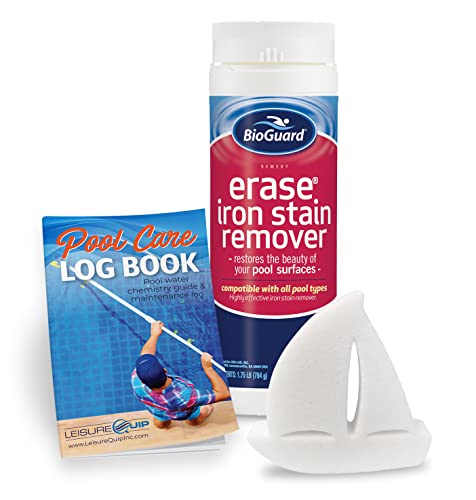
- VC Score9.0
BCP Score is a ranking system developed by bestcleanerproducts.com. BCP Score has no relationship or impact from any manufacturers or sales agent websites. Learn more
- BrandLeisureQuip

- VC Score9.0
BCP Score is a ranking system developed by bestcleanerproducts.com. BCP Score has no relationship or impact from any manufacturers or sales agent websites. Learn more
- BrandMAV AquaDoc

- VC Score8.6
BCP Score is a ranking system developed by bestcleanerproducts.com. BCP Score has no relationship or impact from any manufacturers or sales agent websites. Learn more
- BrandPool Mate

- VC Score8.6
BCP Score is a ranking system developed by bestcleanerproducts.com. BCP Score has no relationship or impact from any manufacturers or sales agent websites. Learn more
- BrandRobelle

- VC Score8.6
BCP Score is a ranking system developed by bestcleanerproducts.com. BCP Score has no relationship or impact from any manufacturers or sales agent websites. Learn more
- BrandPool Mate

- VC Score8.4
BCP Score is a ranking system developed by bestcleanerproducts.com. BCP Score has no relationship or impact from any manufacturers or sales agent websites. Learn more
- BrandBosh Chemical

- VC Score8.2
BCP Score is a ranking system developed by bestcleanerproducts.com. BCP Score has no relationship or impact from any manufacturers or sales agent websites. Learn more
- BrandPeriodic Products
- VC Score8.2
BCP Score is a ranking system developed by bestcleanerproducts.com. BCP Score has no relationship or impact from any manufacturers or sales agent websites. Learn more
- BrandEssential Values
Last update on 2026-10-08 / Affiliate links / Images, Product Titles, and Product Highlights from Amazon Product Advertising API
FAQs
Can standard pool filters catch dissolved iron?
Standard sand, cartridge, and DE filters cannot trap dissolved iron because the metal particles are far too small to be caught by standard filter materials. Standard filters can only catch iron once it has oxidized into visible, solid rust flakes or after you bind it with a clarifier. To remove dissolved iron without clouding your water, you must use a specialized metal-trapping pouch in your skimmer basket.
Why did my pool turn brown after adding shock?
Adding chlorine shock rapidly oxidizes dissolved iron that was already floating invisibly in your water. The sudden spike in sanitizer causes the clear metal to rust instantly, turning your water amber, tea-colored, or dark brown within a matter of hours. The discoloration looks like dirty pond water, but it is actually a chemical rust reaction rather than dirt or living algae.
Will iron stains damage my pool liner or plaster permanently?
Fresh iron stains rarely cause permanent structural damage if you treat them within a few weeks of appearing. However, if rust is left on plaster, pebble aggregate, or vinyl liners for an entire season, the iron can bake deep into the material and cause permanent discoloration. Using an ascorbic or citric acid stain remover promptly pulls the rust off before it permanently discolors the surface.
Can I swim in a pool with high iron levels?
Swimming in water with high iron is generally safe for your skin, though the dissolved metals can temporarily tint blonde hair green or leave light-colored swimsuits looking dingy. The main concern is that metal-rich water often lacks proper chlorine levels because the iron consumes your sanitizer as fast as you add it. You should always clear the rust, bind the metals, and restore proper sanitizer levels before getting into the pool.


How to Refinish a Fiberglass Pool

How Do You Keep Raccoons Out of Your Pool?

How to Fix Cyanuric Acid in Your Pool

How to Shape a Pool Cue Tip to Stop Miscues

12 Best Automatic Vacuum For Intex Above Ground Pool of 2026 To Keep Vinyl Floors Spotless

10 Best Automatic Pool Vacuum For Above Ground Pool of 2026 To End Manual Scrubbing

How Much Pool Clarifier Should You Use for Your Pool Size?

How Much Does a Pebble Tec Pool Cost to Build or Resurface?








