
How to Keep Your Dog Out of the Pool

A loud splash echoes across the yard, followed by wet paws paddling frantically toward the deep end. The safest way to prevent unsupervised swims is installing a sturdy pool fence with a self-latching gate. Backing that physical wall with consistent deck boundary training keeps curious pets from reaching the water, preventing accidental drownings while saving filters from thick fur and liners from sharp claws.
The exact setup depends on a dog's size, jump height, and natural water drive. An above-ground pool often needs only a secured ladder gate, while wide-open inground basins might require removable mesh fencing or outdoor pet barriers. Yard layout also matters if permanent posts are not an option. Here is how to set up reliable barriers and simple habits to keep pets safe on dry land.
Physical Fences and Safety Covers: Comparing Your Barriers
Physical barriers are the most dependable way to keep pets away from the water. A closed barrier does not rely on collar batteries, power cords, or your dog's mood on a hot afternoon. Different pool styles and dog breeds need different barrier setups.
A four-foot or five-foot mesh pool fence works well for most yards. These fences use strong poles anchored into holes drilled into your concrete deck. The mesh weave is tight enough that dog claws cannot catch or climb it. Most mesh systems feature a self-closing, self-latching gate that swings shut behind you. This self-closing latch is vital because family members often forget to pull a gate shut when carrying pool towels or drinks outside.
If your dog is a heavy digger or jumps at moving water, a solid permanent fence might work better. Wood, vinyl, or aluminum fences block your dog's view of the water and floating toys. Removing that visual cue stops excitement before it starts. If you pick an aluminum bar fence, ensure the vertical slats sit no more than three inches apart so small dogs cannot squeeze through.
Pool covers also fall into two very different categories. A safety cover is a heavy anchored cover that holds weight over water, locking into deck anchors with heavy springs. A proper safety cover easily supports the weight of a running dog without sagging. In contrast, thin floating solar covers are dangerous traps. A solar blanket floats on the surface and looks like solid ground. If a pet steps on it, the plastic wraps around them like a net. Never leave a floating solar cover on an open pool without an active fence around it.
Five Steps to Train Your Dog to Stay Off the Pool Deck
Physical barriers provide safety when you are away, but boundary training teaches your dog to respect the water when gates stand open. Dogs do not naturally understand that a flat pool deck is off-limits unless you build a clear boundary.
Follow these steps to train your dog away from the pool deck:
-
Place visible boundary markers along the edge of the pool deck. Use small visual flags, cones, or chalk lines placed two to three feet back from the water or along the patio border.
Reason: Dogs understand clear visual markers much faster than an invisible line, giving them an obvious cue for where safe lawn ends and off-limits deck begins. -
Walk your dog around the boundary on a short leash. Keep your pet on a loose six-foot leash and walk parallel to your marker line while carrying small treats.
Reason: Walking the perimeter on a leash gives you full control and lets you catch wandering steps toward the pool before your dog crosses the line. -
Reward your dog every time they pause at the line and look at you. When your dog approaches the flags, pause. If they stop, turn their head toward you, or step back onto the grass, immediately praise them and offer a treat.
Reason: Rewarding voluntary hesitation teaches the animal that staying behind the line produces a better reward than walking toward the water. -
Use a calm cue to guide them back if they step over the marker. If your dog steps past the flags, say a neutral cue like "boundary" or "out," guide them back to the grass using the leash without yelling, and wait until all four paws touch grass before praising.
Reason: Dogs respond best to calm consistency, and immediate resets prevent them from turning pool deck access into a game of chase. -
Practice with realistic distractions on a long training line. Once your dog respects the markers during quiet walks, toss a ball onto the deck or have someone splash in the pool while keeping your dog on the grass.
Reason: Water-loving breeds often forget their training when excitement spikes, so practicing with real distractions proves the boundary before you ever risk off-leash yard time.
Using Outdoor Electronic Pet Barriers Around the Pool
If your yard layout prevents you from installing a physical fence, an outdoor electronic pet barrier provides an invisible safety zone. These units consist of a small waterproof transmitter box and a receiver collar worn by your dog. You can place the transmitter near pool steps or run a boundary wire around the deck.
When your dog steps within the set radius of the transmitter, the collar sounds a warning beep. If the dog continues toward the water, the collar delivers a static correction (a mild tingling pulse from a training collar). The sensation feels like touching a metal doorknob after walking across carpet. It interrupts the dog's forward momentum without causing harm.
Electronic barriers work best as an extra layer of protection rather than a standalone safety tool. A high-energy dog chasing a ball can run right through the correction zone before the pulse stops them. Once inside the zone or in the water, the collar stops correcting, but the dog may be too frightened to walk back across the line to exit.
Check the batteries on the transmitter and collar monthly. Also confirm that the receiver collar is completely waterproof rather than merely water-resistant so it will not short out if submerged.
Setting Up Dedicated Water Play to Satisfy Water-Obsessed Dogs
Dogs often plunge into backyard pools simply because they are hot or bored. Retrievers and water breeds carry working drives that pull them toward open water. Forbidding all water play can turn into a constant struggle. Giving your dog their own water zone satisfies that urge while keeping them away from the main pool.
Use this checklist to build a separate pet splash area in your yard:
- Set up a puncture-resistant dog splash pad or wading pool: Choose a pad made from thick PVC that resists sharp claws. Place it in a shaded part of the lawn far from the pool deck.
- Attach a garden hose for sprinkler fun: Many dogs love biting at spraying streams of water. A low-pressure dog sprinkler keeps your pet cool while washing loose dirt off their coat.
- Store floating pool toys out of sight: Leaving rubber balls or floating loungers in the pool invites dogs to leap in. Pack all pool toys into a closed deck box whenever you finish swimming.
- Keep fresh drinking water near the patio: Dogs frequently fall into pools while leaning over the coping to drink. Put bowls of cold water near your back door so your pet never treats the swimming pool as a water bowl.
Emergency Ramps and Safety Backups for Accidental Falls
Even with solid fences and boundary training, accidents happen. A gate can blow open during a storm, or a guest might leave a latch loose. If your dog falls into the water unattended, their survival depends on knowing how to get out quickly.
Dogs do not understand that swimming pools have vertical walls. When a dog falls in, their natural instinct is to swim straight to the nearest wall and paw frantically at the edge. On smooth fiberglass or a vinyl liner (the smooth plastic sheet lining the pool), wet paws cannot find purchase. The dog exhausts itself within minutes, risking hypothermia and drowning.
Set up these backup safety measures to protect against accidental falls:
-
Install a pet escape ramp in the shallow end. Add a non-slip, floating animal ramp or pet pool steps. These ramps feature textured, sloped surfaces that let a swimming dog climb out using their own paw weight.
Reason: Built-in metal ladders are designed for human hands and feet; dogs cannot climb vertical ladder rungs and need an angled slope to climb out. -
Practice exit training from different spots in the pool. Carry your dog into the water, place them gently facing away from the steps, and guide them directly to the ramp while calling their name with calm praise.
Reason: Dogs must learn to turn around in deep water and swim toward their exit ramp rather than scratching helplessly at the nearest wall. -
Install an underwater pool alarm and collar sensor. Mount an alarm that detects water displacement from anything weighing over fifteen pounds, or use a collar-mounted sensor that triggers an indoor chime the moment it touches water.
Reason: Accidental falls happen silently without loud barking, so an automated siren alerts you immediately.
A dog in the pool also introduces mud, dander, and shed fur that stresses filtration. Hair mats together and slips past the skimmer basket (the plastic strainer cup catching floating debris). If dog hair bypasses the basket and jams the motor, learning how to clean a pool pump impeller to restore flow can get water moving again before the motor overheats. Heavy organic matter from dogs also feeds bacteria and drives up nutrient levels; in that situation, learning how to measure pool phosphates at home helps identify why algae blooms keep appearing after your pet swims.
What to Look for in Pool Cleaners When You Have Dogs
Sharing a yard with pets means your pool collects loose fur, lawn debris, and tracked dirt. Even when dogs stay on the grass, wind carries pet hair directly into the water. Traditional suction lines often clog under this extra load.
A robotic cleaner (a self-powered unit with its own internal debris basket) offers the most effective cleanup for homes with pets. Because a robotic cleaner runs from an outdoor GFCI outlet (a protected ground-fault outlet with a weatherproof cover) and catches dirt in its own filter basket or collection canister, it traps heavy fur before it reaches your skimmer or pump.
When selecting a cleaner, verify the debris capacity and the type of filter mesh. Fine mesh catches dander and yard dust, while spacious baskets hold thick clumps of fur without choking water flow. Durable rubber tracks or drive wheels give the unit steady grip on slick plaster or vinyl, and stiff scrubbing brushes lift pet oils from the waterline before they create stubborn stains.

- VC Score10.0
BCP Score is a ranking system developed by bestcleanerproducts.com. BCP Score has no relationship or impact from any manufacturers or sales agent websites. Learn more
- BrandYUDANSI
- VC Score9.2
BCP Score is a ranking system developed by bestcleanerproducts.com. BCP Score has no relationship or impact from any manufacturers or sales agent websites. Learn more
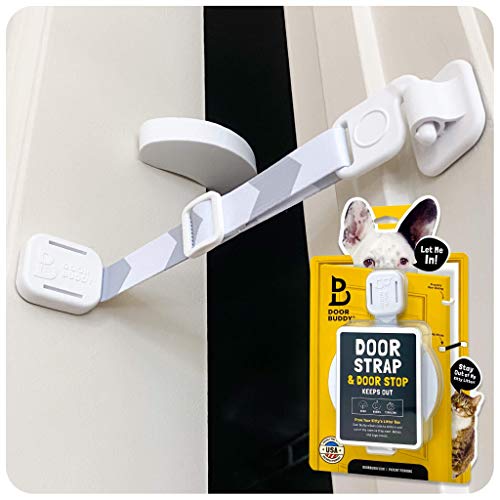
- BrandDoor Buddy

- VC Score8.6
BCP Score is a ranking system developed by bestcleanerproducts.com. BCP Score has no relationship or impact from any manufacturers or sales agent websites. Learn more
- BrandPeteast

- VC Score8.0
BCP Score is a ranking system developed by bestcleanerproducts.com. BCP Score has no relationship or impact from any manufacturers or sales agent websites. Learn more
- BrandAmtek

- VC Score8.0
BCP Score is a ranking system developed by bestcleanerproducts.com. BCP Score has no relationship or impact from any manufacturers or sales agent websites. Learn more
- BrandSEERWAY

- VC Score7.2
BCP Score is a ranking system developed by bestcleanerproducts.com. BCP Score has no relationship or impact from any manufacturers or sales agent websites. Learn more
- BrandPetSafe

- VC Score7.2
BCP Score is a ranking system developed by bestcleanerproducts.com. BCP Score has no relationship or impact from any manufacturers or sales agent websites. Learn more
- BrandPet Parade

- VC Score6.6
BCP Score is a ranking system developed by bestcleanerproducts.com. BCP Score has no relationship or impact from any manufacturers or sales agent websites. Learn more
- BrandNaturVet

- VC Score6.4
BCP Score is a ranking system developed by bestcleanerproducts.com. BCP Score has no relationship or impact from any manufacturers or sales agent websites. Learn more
- BrandB/W
Last update on 2026-10-08 / Affiliate links / Images, Product Titles, and Product Highlights from Amazon Product Advertising API
FAQs
Can pool chemicals hurt my dog if they drink or swim in the water?
A few laps of balanced pool water rarely cause serious harm, but drinking chlorinated water regularly can upset your dog's stomach or irritate their esophagus. Swimming can also dry out their skin and coat. Always rinse your dog with fresh hose water after swimming, and provide clean drinking water in the yard so they do not drink from the pool.
Will dog claws tear a vinyl pool liner?
Dog claws can puncture or tear a vinyl liner (the smooth plastic sheet lining the pool). When a dog scrambles to climb out of the water, their rear claws scratch downward against the pool wall. These claw marks can create tears that lead to hidden leaks behind the liner. A solid barrier or safety fence is essential around vinyl pools.
How do I stop my dog from drinking out of the swimming pool?
Place multiple bowls of fresh, cold drinking water near your patio doors and in shaded yard spots. Dogs often choose the pool simply because it is the nearest water source. When you see your dog approach the pool edge to drink, give a clear "leave it" cue and guide them directly to their fresh water bowl with a treat.
How high should a safety fence be to keep dogs out of the pool?
A pool safety fence should be at least four to five feet tall to block most dogs. For athletic or large breeds that jump, a five-foot fence provides much better security than a four-foot model. Choose fences with smooth vertical slats or taut mesh so your dog cannot find footholds to climb over the top.


How to Refinish a Fiberglass Pool

How Do You Keep Raccoons Out of Your Pool?

How to Fix Cyanuric Acid in Your Pool

How to Shape a Pool Cue Tip to Stop Miscues

12 Best Automatic Vacuum For Intex Above Ground Pool of 2026 To Keep Vinyl Floors Spotless

10 Best Automatic Pool Vacuum For Above Ground Pool of 2026 To End Manual Scrubbing

How Much Pool Clarifier Should You Use for Your Pool Size?

How Much Does a Pebble Tec Pool Cost to Build or Resurface?


