
Christopher is a 50-year-old DIY home organizer and cleaner from Florida. As a former residential cleaning service owner, he tests budget-friendly tools and multi-surface products. His practical reviews emphasize quick-clean solutions for modern lifestyles, helping readers achieve professional results at home.

Pool repainting costs depend on DIY work versus hiring a crew, surface prep for cracks, and whether you choose durable epoxy resin or cheaper acrylic paint.

Water a raw gunite pool shell 2 to 3 times daily for 7 to 14 days. Keep the concrete damp to stop shrinkage cracks and help the shell reach full strength.

Local owners often give away above-ground pools if you dismantle them. Check the frame for rust before loading, and plan for hidden costs like a fresh liner.

Check whether brown pool water is storm dirt or dissolved iron before adding shock. Clear rust tint or muddy runoff safely without staining your liner.

Clean debris off your pool floor today using a garden hose, a plastic bottle, and a mesh bag without scratching your liner or pulling air into the pump.

Patch rusted fittings, pop out creases, and reset slipped rails safely. Prevent dangerous blowouts and spot damage that requires a full wall replacement.

Mix DE powder with water into a thin paste first, then slowly pour it into the skimmer with the pump running to protect your pipes and coat filter grids.

Cut harsh chemicals without cloudy water. Pair a UV pool sanitizer with the right mechanical filter to catch physical debris and match your pump flow rate.
Release trapped air pressure safely, swap out the dirty filter cartridge, and check the rubber seal to restart your pool pump without leaks or damage.

Collect water elbow-deep, check active chlorine with dip strips or dropper kits, and keep levels between 1 and 3 ppm to prevent cloudy water and burning eyes.

Clear pool floor dirt and leaves without a vacuum. Brush debris toward the drain, scoop slowly with a deep net, and use a garden hose siphon to lift fine silt.

Remove algae spots and rough calcium scale without scratching soft plaster. Safe methods to treat stains in a full pool and prevent permanent surface damage.
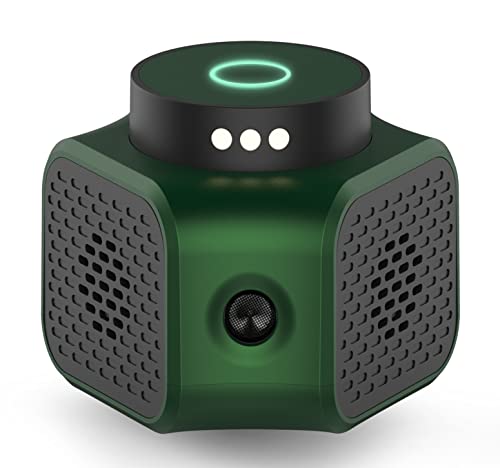
Drown swimming pool bugs fast using mild dish soap, then shock away the algae they eat. Clear your water safely without spraying toxic lawn chemicals.

Let chlorine levels drop to zero, then pump pool water slowly onto your lawn or into a home sewer cleanout to avoid fines, yard flooding, and pool damage.

Remove waterline scum and algae safely using soft nylon brushes and gentle cleaners. Lift tough stains from pool walls and floors without tearing the vinyl.
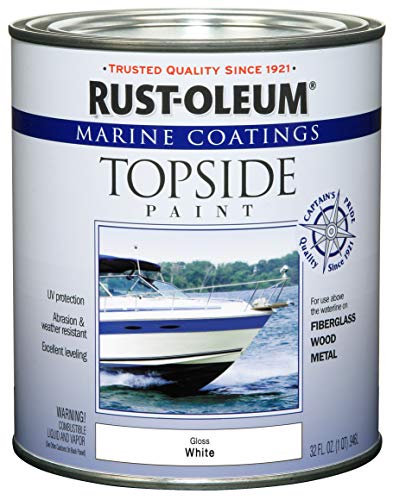
Prep your pool with an acid wash, confirm the shell is bone-dry, and roll epoxy paint properly so the finish locks on tight without peeling or blistering.
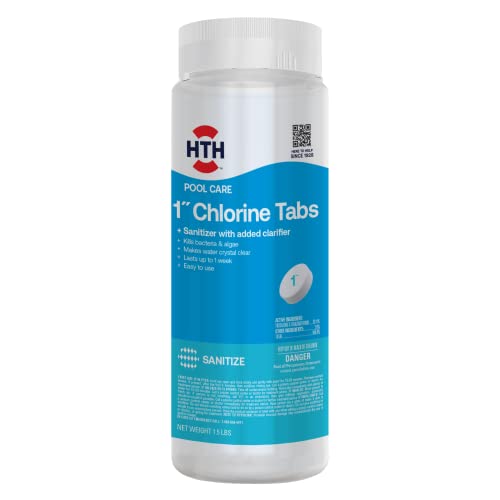
Use a floating dispenser or automatic feeder to dissolve chlorine tablets safely, keeping your water clear without bleaching liners or damaging pump seals.
Shut off power and gas, pull every drain plug, and blow out trapped water so expanding winter ice cannot crack your pool heater's expensive heating core.

Scoop out live tadpoles with a skimmer net, shock the pool with chlorine to eliminate the rest, and vacuum to waste to keep dead debris out of your filter.
Track down hidden punctures with soapy water and seal leaks with waterproof vinyl patches. Skip peeling duct tape to keep air rings firm and stop yard floods.




