
How To Clean A Brown Pool Without Staining It

Stepping outside with a morning coffee, someone expects crisp blue water and instead spots a swimming pool the color of iced tea or muddy river water. Clearing up the mess starts with identifying the exact cause before adding chemicals, because pouring regular pool shock into water full of iron turns it dark orange and can leave lasting marks on the pool floor.
The exact fix depends on water clarity, the water source, and your pump settings. Transparent amber water usually points to dissolved metals from well water, which need a metal remover rather than sanitizer to clear. Cloudy, soup-like water comes from garden runoff or dead plant matter after heavy storms, which needs settling powder and careful cleaning. Having a filter that can pump dirty water straight out through a drain line makes a huge difference too. Here is how to tell the two apart and clear the water safely.
Brown Water Comes From Either Rust Or Storm Dirt
Pool water turns brown for two very different reasons, and treating the wrong one will make your water much worse. The first common cause is dissolved iron that rusts after contact with chlorine. The second cause is physical yard dirt, mud, and garden runoff washing into the pool after a heavy storm.
You can tell which problem you have by looking closely at the water clarity. If your water looks like clear tea, apple juice, or iced tea where you can still see the bottom of the deep end, you are looking at dissolved iron. Iron is completely clear while dissolved, but adding chlorine causes it to oxidize (chlorine reacting with iron to form rust). That chemical reaction creates millions of microscopic rust particles that tint the water without making it thick or muddy.
If your pool looks like chocolate milk, dark gravy, or a muddy river, the issue is physical dirt and organic sediment. Rainstorms often push garden topsoil, mulch, and muddy runoff over pool coping and straight into the water. Decaying leaves left sitting under a winter cover all season can also turn water a murky, swampy brown. Brown algae, which is actually a form of mustard algae, can also create a dull brownish yellow haze on pool walls.
Before you pour a single bottle of chemical into your pool, check these three details to confirm your exact cause:
- Check water clarity: Look down at your shallow end steps. If the water is translucent and transparent like brewed tea, metals are the cause. If the water is cloudy, murky, and blocks your view of the floor, dirt or algae is the cause.
- Check recent chemical additions: Did the brown color appear within an hour or two after adding chlorine shock? If so, chlorine reacted with dissolved iron in your water supply.
- Check your water source: Did you recently top off the water using a private residential well? Well water is notorious for carrying dissolved iron and manganese into swimming pools.
Use A Metal Remover Before Adding Any Chlorine
If your pool water looks like clear tea, stop adding chlorine immediately. Dumping standard pool shock into iron-rich water is the worst thing you can do. High chlorine levels force dissolved metals out of liquid suspension and lock rust onto pool surfaces. This can permanently stain a vinyl liner, discolor fiberglass gel coats, and leave dark blotches on concrete plaster.
Follow these six steps to safely lift and remove dissolved iron without ruining your pool finish:
- Stop all sanitizers: Turn off your salt cell generator or take chlorine tablets out of the skimmer basket. Let your chlorine level drop down toward 1 part per million so the metals stop reacting aggressively.
- Balance your pH and alkalinity: Check your water balance with a pool check strip. Adjust your pH to sit between 7.0 and 7.2. A slightly lower pH keeps metals loose and dissolved in the water, which makes them much easier to capture and neutralizes their ability to stain surfaces.
- Add a metal sequestrant: Pour a generous dose of metal sequestrant (a chemical that traps dissolved rust so it cannot stain) around the perimeter of the pool. This chemical acts like molecular handcuffs around every iron particle, holding the metal in suspension so it cannot bind to your liner or plaster walls.
- Circulate the pool continuously: Run your circulation pump non-stop for 24 to 48 hours. The sequestrant needs time to travel through all pool plumbing lines and grab every trace of dissolved metal. You should notice the tea color lightening as the chemical works.
- Catch the bound metals: Place fine metal-filtering pads or specialized cellulose filter aids inside your skimmer baskets. As the sequestered iron passes through the skimmer, these fine pads trap the rusty particles before they can cycle back into your pool water.
- Raise chlorine very slowly: Once the water returns to normal clarity, bring your chlorine levels back to standard operating range over several days. Add small doses of liquid chlorine rather than heavy granular shock to prevent shocking the remaining metals back out of solution.
Shock And Settle The Pool If Dirt Caused It
When heavy storm runoff washes mud into the pool, your strategy changes completely. In this case, you are dealing with organic debris, live soil bacteria, and fine silt. You do not need metal chemicals for muddy rainwater; you need high sanitizer levels and settling agents to clear the murk so you can restore your pool water to sparkling blue.
Clear heavy storm mud and organic sludge by following these five steps:
- Scoop out large solids manually: Use a deep-pocket leaf rake net with a fine mesh bag to scoop mud, leaves, and twigs from the pool floor. Drag the net gently across the bottom so you do not stir thick mud back into the upper water layers. Empty the leaf bag into a wheelbarrow after every pass.
- Adjust your water balance: Measure your pool water chemistry. Adjust total alkalinity between 80 and 120 parts per million, and bring your pH into the 7.2 to 7.4 range. Chlorine cannot fight bacteria effectively if your water is out of balance.
- Shock the pool with chlorine: Add a strong dose of pool chlorine shock, such as calcium hypochlorite or sodium dichlor, to kill off storm bacteria and break down organic matter. If you are opening your pool in spring step by step and uncovering a swamp of rotting leaves, you may need a double or triple shock dose to clear the organic load.
- Add a flocculant: Pour in a liquid pool flocculant (a settling powder that drops floating dirt to the pool floor). Turn your pool multiport valve to the "Recirculate" setting and run the pump for two hours so the chemical disperses evenly through the water without entering your filter tank.
- Shut off the pump completely: Turn the pump off for 12 to 24 hours. The settling chemical will bind to all suspended dirt particles, making them heavy. As the pool sits perfectly still, every speck of mud will drop like an anchor, forming a thick blanket of brown silt on the pool floor and leaving the water above completely clear.
Always Vacuum Heavy Brown Mud Directly To Waste
Once your pool flocculant settles all the brown storm dirt to the floor, you must vacuum that sludge out of the pool. Never run this heavy layer of mud through your standard pool filter. Doing so will cause severe equipment problems that cost hundreds of dollars to fix.
Here is why passing thick mud through your pool equipment causes damage:
- Cartridge filters: Fine silt and garden clay pack tightly into the pleated fabric folds like wet concrete. This chokes water flow, spikes internal tank pressure, and permanently ruins the cartridge elements.
- Sand filters: Heavy mud can form solid clumps inside the sand bed called mudballs. Water will cut narrow paths around these clumps, ruining your filter bed and allowing dirty water to bypass the sand completely.
- Diatomaceous earth filters: Mud glazes over the fabric grids almost instantly, causing tank pressure to spike within minutes and potentially cracking the internal grid assembly.
The only safe method is to vacuum to waste (pumping dirty water out directly instead of through the filter). To do this, turn off your circulation pump and switch the multiport valve handle to the "Waste" position. Attach a manual vacuum head to a telescopic pole, submerge the vacuum hose until all air bubbles escape, and connect the hose to your skimmer suction port.
Turn on the pump and roll the vacuum head across the pool floor in slow, deliberate lines. Move like a slow-motion snail. If you roll the vacuum too fast, the wheels will create an underwater current that kicks the brown blanket back into the water, undoing all your hard work. Water leaves your pool rapidly while vacuuming to waste, so stick a garden hose in the shallow end to keep the water level above your skimmer intake.
If you own a cartridge filter system without a multiport valve, you do not have a built-in waste setting. In that situation, turn off the pump, unscrew your bottom filter drain plug, or plumb a temporary three-way valve between your pump and the filter tank. You can also drop a submersible trash pump into the deep end to vacuum the heavy sludge straight into your yard.
Block Metals And Runoff To Prevent Future Brown Water
Once your pool is clean and bright again, take basic preventative steps so you never have to battle brown water a second time. A few small habits around your yard and pool plumbing will stop both metals and storm runoff from entering your pool water.
Keep your water protected by running through this simple maintenance checklist:
- Use a hose filter when topping off: If you use private well water to fill or top off your pool, attach a screw-on metal filter cartridge to the end of your garden hose. These carbon and resin filters catch iron and copper before the water touches your pool. Homeowners looking into how to fill a pool faster often skip hose filters to save time, but adding unfiltered well water always invites brown water troubles later.
- Add monthly maintenance sequestrant: If your regular fill water contains low background levels of minerals, pour a small maintenance dose of metal sequestrant into the pool every month. This keeps trace metals locked up so regular chlorine additions cannot turn them into rust.
- Improve your yard drainage: Look at the ground sloping toward your pool deck. Build shallow landscape berms, add French drains, or dig gravel trenches between your lawn and the concrete patio. Rainwater should flow away into the yard rather than washing flowerbed mulch over the pool coping.
- Pump winter covers before removing: When opening your pool, never let dirty cover puddles dump into the pool. Use an electric cover pump to remove all standing rainwater and scoop away rotting leaves before pulling the cover off the water.
- Maintain water balance weekly: Keep your free chlorine between 1 and 4 parts per million and your pH between 7.2 and 7.6. Consistent chemical levels stop algae before it can start and keep pool surfaces protected from mineral stains.
Choose The Right Pool Cleaner For Lingering Fine Debris
After you vacuum the heavy blanket of mud to waste, you will still see light traces of fine brown silt settled in floor corners and along wall seams. An automatic pool cleaner is the most convenient tool for handling this remaining dust, but you need to select the right design for the job.
For fine dirt and mineral dust, a robotic pool cleaner (a self-powered unit with its own internal debris basket) offers the best performance. Robotic units operate independently from your main pool pump and filter. That means any fine dust the robot picks up stays trapped inside its internal filter basket rather than putting extra strain on your pool sand or cartridge filter. Look for models that feature ultra-fine filter panels or specialized collection canisters capable of catching tiny dust particles without exhausting clouds of brown silt back into the clean water.
If you prefer a suction-side cleaner (which attaches to your pool skimmer or dedicated vacuum port and uses your pool pump's suction), verify that your pool filter can handle fine silt without clogging immediately. Pressure-side cleaners (which connect to a water return jet and catch debris in their own sweep bag) work wonderfully for leaves and large twigs, but their standard mesh bags often allow fine brown dust to pass right through back into the pool.
Always match the scrubbing components of your cleaner to your specific pool surface:
- Vinyl liner and fiberglass pools: Choose cleaners with soft sponge rings, gentle rubber brushes, or wide rubber drive tracks. Slick fiberglass and smooth vinyl require high-grip materials to climb walls without slipping or marring the finish.
- Concrete and pebble aggregate pools: Pick cleaners with durable rubber scrubbing brushes and heavy-duty drive wheels. Rough plaster surfaces provide great grip but will quickly wear down softer sponge rollers.
Remember basic safety rules whenever running an automatic cleaner. Always plug robotic power units into a protected outdoor GFCI outlet (a ground-fault outlet with a weatherproof cover), and keep the control box placed at least 10 feet back from the pool edge. Never let family members or pets swim while any cleaner or power cord remains in the pool. If you use a suction-side cleaner, always turn off the circulation pump before reaching into the skimmer to disconnect suction hoses, which prevents painful hand suction injuries.

- VC Score9.4
BCP Score is a ranking system developed by bestcleanerproducts.com. BCP Score has no relationship or impact from any manufacturers or sales agent websites. Learn more
- BrandHTH
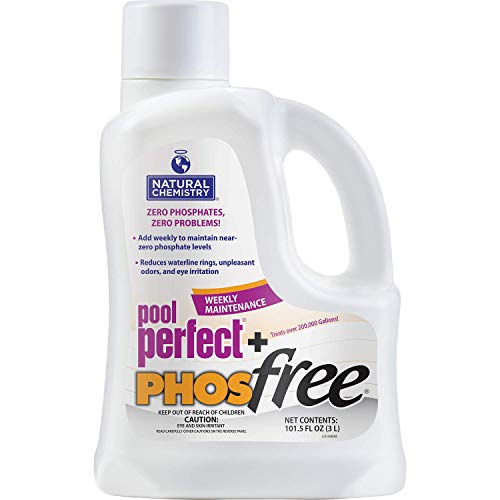
- VC Score9.4
BCP Score is a ranking system developed by bestcleanerproducts.com. BCP Score has no relationship or impact from any manufacturers or sales agent websites. Learn more
- BrandNatural Chemistry

- VC Score9.2
BCP Score is a ranking system developed by bestcleanerproducts.com. BCP Score has no relationship or impact from any manufacturers or sales agent websites. Learn more
- BrandOh Yuk

- VC Score9.2
BCP Score is a ranking system developed by bestcleanerproducts.com. BCP Score has no relationship or impact from any manufacturers or sales agent websites. Learn more
- BrandIn The Swim

- VC Score9.0
BCP Score is a ranking system developed by bestcleanerproducts.com. BCP Score has no relationship or impact from any manufacturers or sales agent websites. Learn more
- Brandpoolrx

- VC Score9.0
BCP Score is a ranking system developed by bestcleanerproducts.com. BCP Score has no relationship or impact from any manufacturers or sales agent websites. Learn more
- BrandDolphin

- VC Score8.8
BCP Score is a ranking system developed by bestcleanerproducts.com. BCP Score has no relationship or impact from any manufacturers or sales agent websites. Learn more
- Brandpoolrx
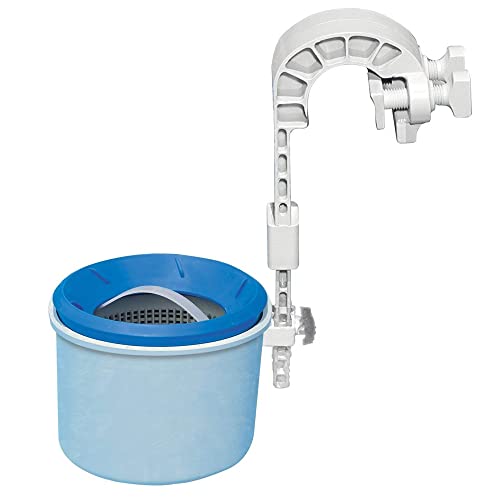
- VC Score8.6
BCP Score is a ranking system developed by bestcleanerproducts.com. BCP Score has no relationship or impact from any manufacturers or sales agent websites. Learn more
- BrandIntex

- VC Score8.4
BCP Score is a ranking system developed by bestcleanerproducts.com. BCP Score has no relationship or impact from any manufacturers or sales agent websites. Learn more
- BrandXtremepowerUS

- VC Score8.4
BCP Score is a ranking system developed by bestcleanerproducts.com. BCP Score has no relationship or impact from any manufacturers or sales agent websites. Learn more
- BrandSunnyglade

- VC Score8.0
BCP Score is a ranking system developed by bestcleanerproducts.com. BCP Score has no relationship or impact from any manufacturers or sales agent websites. Learn more
- BrandHTH
Last update on 2026-10-08 / Affiliate links / Images, Product Titles, and Product Highlights from Amazon Product Advertising API


How to Refinish a Fiberglass Pool

How Do You Keep Raccoons Out of Your Pool?

How to Fix Cyanuric Acid in Your Pool

How to Shape a Pool Cue Tip to Stop Miscues

12 Best Automatic Vacuum For Intex Above Ground Pool of 2026 To Keep Vinyl Floors Spotless

10 Best Automatic Pool Vacuum For Above Ground Pool of 2026 To End Manual Scrubbing

How Much Pool Clarifier Should You Use for Your Pool Size?

How Much Does a Pebble Tec Pool Cost to Build or Resurface?


