
How to Add Chlorine Tablets to Your Pool Safely

Tossing a chlorine tablet right into the deep end seems like the simplest shortcut, but doing that will permanently bleach your pool liner or pit your plaster. Tablets need steady water flow to break down safely, so you should always place them inside a floating dispenser or an automatic chemical feeder.
The exact routine depends on your pool size, the equipment you have on hand, and your daily pump schedule. Most backyards need one large tablet for every five to ten thousand gallons of water. If you put tablets inside a skimmer basket instead of a floating basket, your pump must run constantly so trapped acid does not eat away at your plumbing seals. Here is how to load your tablets properly without causing costly damage.
The Three Ways to Add Chlorine Tablets to Your Pool
Chlorine tablets cannot just be tossed into your pool water. Because these tablets are made of concentrated trichlor (a dense, slow-dissolving chlorine tablet), they are very acidic and need continuous water flow to dissolve safely. There are three common ways to add them to your pool system: a floating dispenser, an automatic tablet feeder, or your pool skimmer basket. Each method has distinct advantages and risks that every pool owner should understand.
A floating dispenser is the most popular choice for backyard pools. It is a buoyant plastic basket with a sealed lid and small slots along the bottom. You load the tablets inside, set the vents, and let it drift across the pool surface. As the floater moves with the currents created by your return jets, pool water washes over the tablets and disperses sanitizer evenly. It works equally well in above-ground pools and in-ground pools, requires no plumbing, and keeps the concentrated chemical away from your expensive mechanical equipment.
An automatic tablet feeder (often called an inline chlorinator) is a dedicated chemical chamber plumbed directly into your pool pipe system at the equipment pad. It is installed on the return line, right after your filter and pool heater. Water pushes through the chamber on its way back into the pool, dissolving the tablets and carrying chlorinated water into the basin. A dial on the side lets you fine-tune the exact chemical flow. This is the cleanest and most consistent method because it never exposes swimmers or pool surfaces to raw tablets, but it does require cutting into your plumbing pipes.
The skimmer basket is an option that many pool owners use out of convenience, but it carries serious risks. When your pool circulation pump is running, water is pulled quickly through the skimmer basket. This water flow dissolves the tablets and carries the sanitized water straight into the pool filter and out the return jets. However, the trouble starts the moment your pump timer shuts off.
When the pump stops moving water, the tablets sitting in your skimmer basket keep dissolving. Without fresh water washing through, the water inside the skimmer housing turns into a stagnant puddle of pure chemical acid. When the pump turns back on the next morning, that intense burst of acidic water surges directly through your skimmer throat, underground PVC lines, pump seals, filter, and pool heater. Over time, that acid eats away rubber gaskets, strips copper heating elements, and can even crack the plastic skimmer body. If chemical corrosion has already weakened your plastic housing, learning how to fix a pool skimmer leak without draining it can help you resolve structural cracks before water starts leaking into the ground behind your pool wall.
How to Load and Adjust a Floating Dispenser Step by Step
Using a floating dispenser is straightforward, but handling concentrated pool chemicals always calls for caution. Chlorine tablets give off strong gases inside closed containers, and touching them with bare skin can cause irritation. Set up your workspace outdoors where there is plenty of fresh air before you begin.
- Check your pool water chemistry first. Before adding any fresh tablets, measure your chlorine reading level (the ppm, or parts per million of free chlorine in the water). Your target range is 1.0 to 3.0 ppm. If your reading is already at 3.0 ppm or higher, do not add more tablets yet. Let the current sanitizer level drop naturally before loading new chemical tabs.
- Open the tablet container outdoors. Always open your chlorine bucket in an open, well-ventilated outdoor space. Never open it inside a closed shed, garage, or pool house. Stand slightly back and stay upwind so the sudden rush of trapped chlorine fumes does not hit your face or lungs. Put on a pair of clean, dry rubber gloves to protect your hands from chemical burns.
- Unscrew the dispenser lid. Hold the base of your floating dispenser with one gloved hand and twist the locking lid counterclockwise with the other. Inspect the inside of the chamber to make sure no dirt, leaves, or broken plastic pieces are wedged inside.
- Stack the tablets flat inside the chamber. Place the whole tablets into the dispenser one by one, laying them flat so they stack neatly like coins. Do not drop them forcefully, and never crush or break tablets into pieces. Broken tablets dissolve too fast and create small chemical crumbs that can slip through the bottom vent slots and settle on your pool floor.
- Adjust the flow vents at the bottom. Locate the adjustable collar or sliding baffle ring near the base of the floater. Twisting this ring opens or closes the side slots. If the weather is scorching hot, if your pool receives full sun all day, or if you have a high swimmer load, open the vents wider to let more water circulate across the tablets. In cooler weather or during periods of light use, close the vents down to narrow slits to slow the release rate.
- Lock the lid and place the unit in the pool. Align the top lid, push down, and twist it clockwise until the lock clicks firmly into place. A secure lid prevents tablets from falling out if the floater bumps against walls or steps. Gently set the dispenser into the pool water away from your skimmer opening so it does not get sucked against the wall and stay stuck in one corner.
Dosing by Pool Size and Avoiding Costly Surface Damage
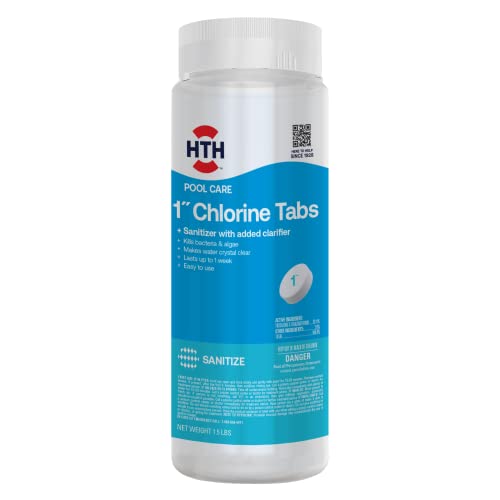
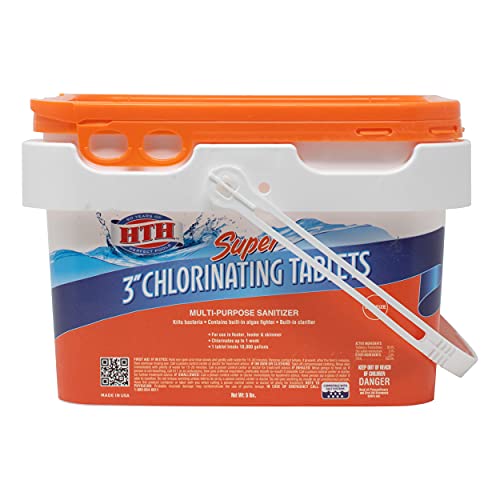
Getting your chlorine dosage right prevents algae outbreaks while protecting your pool equipment from chemical wear. Chlorine tablets come in two common sizes: 1-inch tablets and 3-inch tablets. The small 1-inch tablets dissolve quickly and work best for small inflatable pools, portable above-ground plunge pools, and hot tubs. Standard 3-inch tablets are dense, slow-dissolving pucks designed specifically for residential swimming pools.
As a dependable baseline, one standard 3-inch tablet treats roughly 5,000 to 10,000 gallons of pool water for up to a full week. If your pool holds 10,000 gallons, one or two tablets in your dispenser will typically maintain your sanitizer level. A pool holding 15,000 to 20,000 gallons generally needs two to three tablets per week, while a larger 30,000-gallon pool will need three to four tablets. Keep in mind that heavy rain, high water temperatures, and direct sunshine cause chlorine to deplete much faster, meaning you may need an extra tablet during peak summer heat waves.
No matter what size pool you have, never throw loose chlorine tablets directly onto the floor of your pool. A 3-inch tablet sinks straight down and sits in direct contact with the floor surface. Because trichlor has an acidic pH of around 2.8 to 3.0, it creates a concentrated acid burn right where it rests.
On a vinyl liner, a bare tablet will bleach the color out of the print within a matter of hours. Even worse, the extreme chemical concentration strips the plasticizers out of the vinyl material, leaving it brittle, stiff, and prone to cracking under water pressure. If an accidental tablet spill has left a torn, brittle spot on your floor, knowing how to patch a vinyl pool liner without draining it can keep your pool watertight without wasting thousands of gallons of water. On concrete or gunite with traditional plaster, loose tablets eat away at the calcium in the plaster, leaving rough white bleached rings and pitted craters that require expensive resurfacing. On fiberglass and pebble aggregate surfaces, bare tablets cause permanent discoloration and surface blisters.
To keep your pool safe and your water balanced, use this quick maintenance checklist every week:
- Check your chlorine reading level (ppm) at least twice a week to verify it stays between 1.0 and 3.0 ppm.
- Inspect your floating dispenser every 5 to 7 days to see how quickly the tablets are dissolving.
- Add fresh tablets when the existing pucks dissolve down to small, coin-sized wafers.
- Adjust your flow collar vents wider if your chlorine reading dips below 1.0 ppm, or close them down if it climbs past 3.0 ppm.
- Check that your stabilizer level (the sun shield for chlorine) sits between 30 and 50 ppm so your chlorine does not burn off in the afternoon sun.
What to Look For in a Reliable Chlorine Dispenser
Choosing the right chemical dispenser makes weekly pool care almost effortless. While all floaters perform the same basic job, subtle differences in design and build quality make a significant difference in how long the unit lasts and how consistently it sanitizes your water.
First, look closely at capacity. Make sure the floater can hold enough tablets to match your pool volume. If you have a large pool that needs three or four 3-inch tablets each week, pick a dispenser with an extended chamber that fits up to four or five tablets at once. This extra space gives you leeway so you do not have to open and refill the dispenser every few days.
Material quality is just as important. Pool chemicals and direct ultraviolet rays from the sun are brutal on low-grade plastics. Cheap materials become brittle, turn chalky, and crack after just a single season outdoors. Look for dispensers made from thick, heavy-duty polypropylene or ABS plastic. These materials resist chemical degradation and withstand intense summer heat without warping or crumbling.
Pay attention to the locking lid mechanism and the flow collar. The lid should have a positive twist-lock or child-resistant threaded design that stays shut even if swimmers bump it or pets sniff around the edge of the pool. The flow adjustment collar at the bottom should turn smoothly and click securely into different vent settings. Clear vent markings make it easy to dial in consistent water flow, ensuring your pool stays clear and sanitized all season long.
- VC Score9.4
BCP Score is a ranking system developed by bestcleanerproducts.com. BCP Score has no relationship or impact from any manufacturers or sales agent websites. Learn more
- BrandHTH

- VC Score9.4
BCP Score is a ranking system developed by bestcleanerproducts.com. BCP Score has no relationship or impact from any manufacturers or sales agent websites. Learn more
- Brand440

- VC Score9.0
BCP Score is a ranking system developed by bestcleanerproducts.com. BCP Score has no relationship or impact from any manufacturers or sales agent websites. Learn more
- BrandSEWANTA
- VC Score9.0
BCP Score is a ranking system developed by bestcleanerproducts.com. BCP Score has no relationship or impact from any manufacturers or sales agent websites. Learn more
- BrandHTH

- VC Score8.8
BCP Score is a ranking system developed by bestcleanerproducts.com. BCP Score has no relationship or impact from any manufacturers or sales agent websites. Learn more
- BrandSwimline

- VC Score8.4
BCP Score is a ranking system developed by bestcleanerproducts.com. BCP Score has no relationship or impact from any manufacturers or sales agent websites. Learn more
- BrandMKLZ

- VC Score-
BCP Score is a ranking system developed by bestcleanerproducts.com. BCP Score has no relationship or impact from any manufacturers or sales agent websites. Learn more
- BrandAnuirheiH
Last update on 2026-10-08 / Affiliate links / Images, Product Titles, and Product Highlights from Amazon Product Advertising API
FAQs
Can I throw chlorine tablets straight into the deep end of my pool?
No, you should never throw loose chlorine tablets directly into your pool. Tablets sink to the bottom, where their high acidity bleaches vinyl liners and eats deep pits into concrete or gunite plaster. Always place tablets inside a floating dispenser or an automatic chemical feeder so the chlorine disperses safely into moving water.
Can I leave a floating chlorine dispenser in the pool while people are swimming?
You should take the floating dispenser out of the water while people are swimming and set it upright inside a clean plastic bucket. Swimmers can accidentally tip the floater over, bump against it, or get concentrated chlorinated water on their skin and eyes. Once everyone gets out of the pool, place the dispenser back into the water.
How long does a 3-inch chlorine tablet usually take to dissolve?
A standard 3-inch chlorine tablet typically takes 5 to 7 days to dissolve completely inside a floating dispenser. The exact time depends on your water temperature, pump run time, and how wide you open the dispenser vent slots. Warm water and open vents cause tablets to dissolve faster, while cooler water slows the process down.


How to Refinish a Fiberglass Pool

How Do You Keep Raccoons Out of Your Pool?

How to Fix Cyanuric Acid in Your Pool

How to Shape a Pool Cue Tip to Stop Miscues

12 Best Automatic Vacuum For Intex Above Ground Pool of 2026 To Keep Vinyl Floors Spotless

10 Best Automatic Pool Vacuum For Above Ground Pool of 2026 To End Manual Scrubbing

How Much Pool Clarifier Should You Use for Your Pool Size?

How Much Does a Pebble Tec Pool Cost to Build or Resurface?


