
How to Make a Pool Vacuum with Household Items

A layer of fine silt settles across the bottom of the pool on a sunny Saturday, but the garage holds no special cleaning gear. Anyone can lift that grit out immediately by assembling a water-jet vacuum using a garden hose and a plastic bottle, or by starting a simple gravity siphon to draw the dirt out over the pool wall. The setup takes only a few minutes and relies on basic items found in almost every utility closet or shed.
The right method depends mostly on the style of the pool. Above-ground pools let water flow downhill through a standard hose to flush sludge onto the lawn, while inground basins need steady water pressure from a spigot or a hookup to the skimmer (the wall drain box with a basket). Debris size matters too, since loose algae slips right through wide netting and needs the fine weave of pantyhose. Here is how to assemble each design without scratching the pool liner.
Which DIY Pool Vacuum Design Works Best for You?
When dirt, silt, or dead leaves settle on your pool floor, you do not have to spend hundreds of dollars on fancy equipment to get the water clear again. You can clean the floor using two proven homemade methods: a water-jet vacuum or a gravity siphon vacuum. Both designs cost almost nothing to set up, use common items you already have in your garage or utility closet, and clean settled debris without scratching your pool surface.
The first design is the water-jet vacuum. This setup uses water pressure from your outdoor garden hose to create suction, a process known as water jet suction (or the Venturi effect). Water rushes out of the hose nozzle into a narrow funnel, creating an upward draft that pulls pool water and bottom debris along with it. The debris shoots straight into a fine mesh collection bag attached to the top, while the water flows right back into the pool. This design works in any pool, including in-ground concrete pools, vinyl liner above-ground pools, and galvanized stock tanks. It does not drop your pool water level at all. In fact, it adds a tiny amount of fresh tap water while you work.
The second design is the gravity siphon vacuum. This method relies on a gravity siphon (water flowing downhill through a tube). It requires no running garden hose, no tap water pressure, and zero electricity. As long as your pool floor sits higher than the ground outside, water naturally drains down through a submerged garden hose or vacuum pipe. As that water rushes out toward your lawn, it creates continuous suction at the pool floor, dragging sand, dirt, and algae with it. This design is ideal for above-ground frame pools and stock tanks because their floors sit two to four feet above the grass.
A third option is tapping into your existing filtration system through the skimmer (the wall drain box with a basket). That method delivers serious cleaning power using your main circulation pump, but it requires careful steps to avoid pulling air pockets into the pipes. Choosing the right design comes down to the depth of your pool, whether you have an elevated pool floor, and what kind of debris is sitting on the bottom.
How Do You Build a Water Jet Bottle Vacuum?
The water-jet vacuum is the easiest handheld cleaner to build from scratch. It catches leaves, beetles, pine needles, and coarse dirt in minutes without draining a single drop from your pool.
To build this cleaner, gather a clean two-liter plastic soda bottle, an outdoor garden hose connected to an outdoor spigot, a fine mesh bag (a pair of nylon pantyhose or a paint strainer bag works great), a broom handle or telescoping pole, and a few zip ties or heavy-duty duct tape. Follow these steps to assemble it:
- Cut the vacuum head from the bottle. Use scissors or a utility knife to cut off the bottom three inches of your plastic soda bottle. The wide, cut-off bottom becomes the mouth that glides across the pool floor. Inspect the cut edge with your fingers and wrap a layer of smooth electrical tape around the rim. This taped edge acts as a soft bumper so the sharp plastic cannot gouge your pool liner.
- Create the water inlet hole. Cut a small round hole into the side of the bottle, about two inches below the threaded neck. Make the hole just wide enough for the threaded metal end of your garden hose to slide inside. Push the hose end in so it points upward, aiming directly through the center of the bottle neck. When the spigot is turned on, the water stream must shoot straight out the narrow mouth, not down toward the pool floor.
- Lock the hose in position. Wrap zip ties or several tight bands of duct tape around the hose and bottle body. The hose must stay firmly anchored so water pressure does not twist it sideways while you push the vacuum underwater.
- Attach the collection bag. Stretch the foot of your nylon pantyhose or your paint strainer bag over the threaded spout at the top of the bottle. Pull the opening tight around the neck and secure it with a heavy rubber band or an extra zip tie. When water shoots out the spout, the bag will puff up like a balloon, trapping dirt inside while letting clean water filter back out.
- Fasten your steering pole. Lay your broom handle or telescoping pole flat against the back of the bottle, directly opposite the garden hose. Bind the pole tightly to the bottle using three or four plastic zip ties or waterproof duct tape. Make sure the connection is stiff so the head does not spin around when you push it against water resistance.
- Lower the head and start the water. Submerge the vacuum head slowly beneath the pool surface to allow trapped air to escape from inside the bottle. Once the head is under water, turn your garden hose spigot on all the way. The upward water blast creates immediate suction at the bottom opening. Glide the head smoothly along the pool floor in straight, overlapping rows.
How Do You Vacuum an Above Ground Pool with Gravity?
If you have an above-ground pool, you can clean settled dirt and sand without hooking up a garden hose or using any tap water. Gravity does all the heavy lifting for you as long as the discharge end of your hose sits lower than the pool floor.
A simple garden hose works well for spot cleaning small sand piles, while a wider 1-1/4 inch flexible pool hose moves larger volumes of debris. Here is how to set up and start your gravity siphon vacuum:
- Prepare your suction head and handle. Take a plastic kitchen funnel or cut the top four inches off an empty plastic juice bottle. Tape the narrow spout of the funnel firmly into the intake end of your hose using waterproof tape. Secure your broom handle or pool pole along the funnel neck with zip ties so you can steer the mouth from outside the pool. Cover all sharp plastic edges with tape to protect your pool floor.
- Fill the entire hose with water. A gravity siphon will not flow if there is any air trapped inside the line. Push the entire hose down under the pool surface, coil by coil, until water fills every foot and all air bubbles stop rising. If your pool pump is running, you can also hold one end of the hose firmly against a pool return jet until a solid stream of water blasts out the far end.
- Seal the discharge end with your hand. While the whole hose is underwater, press your palm or thumb tightly over the discharge end to seal it shut. Keep the funnel end resting on the pool floor.
- Drop the discharge end below the pool floor. Carry the capped end over the pool top rail and drop it down to the ground outside. Stretch the hose out across your lawn or driveway, making sure the discharge end rests at least two feet lower than the bottom of your pool.
- Release the seal to start suction. Take your hand off the discharge end. Gravity will immediately pull the heavy column of water downhill through the hose, creating continuous suction at the submerged funnel end.
- Vacuum the floor slowly. Walk around the pool edge and glide your pole across the floor. Steer the mouth directly over dirt patches, moving at an easy crawl so you do not stir debris up into the clean water. If you accidentally crease or buckle the top rail while leaning over, learn how to fix an above ground pool wall safely before water pressure makes the problem worse.
How Can You Safely Connect a Hose to Your Skimmer?
Connecting a vacuum hose to your pool skimmer (the wall drain box with a basket) uses the powerful suction of your main filtration pump. This pulls stubborn algae and heavy dirt quickly, but you must keep air out of the system. If your pump draws in a large pocket of air, it will suffer from cavitation (the pump running dry on trapped air), which can overheat motor seals and damage your equipment.
Follow these precise steps to hook up your vacuum line without losing pump prime:
- Keep the skimmer basket in place. Never pull the skimmer basket out to plug your hose directly into the open pipe at the bottom. Doing that allows small rocks, pine needles, and heavy twigs to fly into underground pipes and jam your pump impeller. Instead, leave the basket inside the skimmer well and use an inexpensive vacuum plate (a flat plastic disc that sits over the basket) or fit your hose cuff snugly into the skimmer suction port through the basket opening.
- Purge all air from the hose line. Lower your vacuum head and the attached hose into the pool so the head rests on the floor. Take the open cuff at the other end of the hose and press it directly against one of your pool return jets while the pump runs. Water shooting out of the return jet will blast backward through your hose, forcing all trapped air out through the vacuum head on the bottom. Keep holding it against the jet until the churn of air bubbles stops completely.
- Maintain the water seal during connection. Place your hand over the water-filled hose cuff while it is still submerged. Bring the cuff over to the skimmer throat or drop it down through the skimmer lid. Slide the cuff into the suction port or the vacuum plate hole before lifting your hand away. Keeping the hose underwater prevents air from slipping into the suction line.
- Check your pump strainer pot immediately. Walk over to your equipment pad and check the clear pump lid. The pump strainer pot should stay completely filled with clear water. If you see huge churning air pockets or the pot runs dry, turn off the pump power switch right away. Re-prime the hose completely before switching the motor back on. Also, check your filter pressure gauge as you vacuum fine dirt. If your pool runs on a diatomaceous earth filter, verify how to put DE in a pool filter without clogging pipes so settled sediment does not choke your filter grids and blow right back into the pool.
- Shut off the pump before disconnecting. When you finish vacuuming, always turn off the circulation pump before disconnecting suction hoses. This prevents hand entrapment injuries from the powerful suction line, keeps fingers safe, and stops sudden air gulps from emptying your pump basket.
What Homemade Vacuum Mistakes Can Ruin Your Pool?
A homemade pool cleaner is cheap and handy, but a careless build can tear a vinyl liner or run your pump dry. Review this quick checklist before lowering any DIY vacuum rig into the water:
- Leaving rough, jagged plastic edges exposed: Cut plastic bottles, sharp funnel rims, and rough PVC pipe ends will slice a vinyl pool liner under the slightest pressure. Always sand cut plastic smooth and wrap every edge that touches the pool surface in smooth electrical tape or soft rubber pipe insulation.
- Moving the vacuum head too quickly: Rushing across the pool floor pushes a wave of water ahead of your vacuum head. That bow wave lifts settled silt and algae up into suspension, turning clear water cloudy. Once debris floats into the water column, your vacuum cannot catch it until it settles hours later. Walk slowly and push the head in steady, overlapping rows.
- Using mesh netting that is too coarse for algae: Standard leaf net bags have wide holes designed for dead oak leaves and acorns. Fine dirt, dead algae, and blowing sand will pass right through wide mesh and spew back into the pool. Always use a pair of nylon pantyhose or a dedicated fine-silt bag when cleaning sand or powdery algae.
- Lifting the vacuum head above the waterline during pump suction: If you are vacuuming through the skimmer, pulling the head above the surface draws a massive gulp of air into the pipe. The pump will lose its prime instantly, running dry and heating up within minutes. Keep the vacuum head fully submerged until the pump is switched off.
- Letting the pool water level drop below the skimmer: A gravity siphon vacuum continuously drains pool water out onto your grass. If you vacuum too long without checking, your pool water line can fall below the skimmer throat. When your automatic pool timer turns the filtration pump on, the pump will suck air and run dry. Keep an eye on your water level and add hose water if it drops more than two inches.
Should You Stick with DIY or Buy a Budget Cleaner?
A homemade pool vacuum is the ideal solution for quick fixes, small above-ground pools, stock tanks, and sudden cleanups after an afternoon storm. When you only need to clear a few patches of windblown dirt or dropped leaves, building a cleaner out of a soda bottle or using a gravity siphon saves you time and keeps money in your wallet.
However, if you own a larger pool up to 30 or 50 feet long, or if you fight chronic fine silt, pine needles, and recurring algae blooms every week, a dedicated pool cleaner is a sensible upgrade. Manual siphon builds require slow, patient hand guidance, and running a gravity drain on a large pool for hours drains too much treated water onto your lawn. In those situations, standard pool cleaners make pool maintenance much easier.
If you decide to shop for an inexpensive pool cleaner, look for these practical features before choosing one:
- Attachment compatibility: Look for handheld wands or jet cleaners that connect directly to standard 1-1/4 inch telescoping pool poles, so you can reach deep ends without buying proprietary extension rods.
- Mesh weave and filter design: If sand and silt are your main problems, choose a cleaner with an ultra-fine mesh bag, a twist-lock debris bag, or internal top-load filter cartridges that stop fine particles from blowing right through the weave.
- Power and connection style: Inexpensive water-jet wands attach directly to your garden hose and require zero electricity. Rechargeable cordless handheld vacs run on internal batteries for 60 to 90 minutes without dragging hoses around. If you choose an automatic suction cleaner that connects to your skimmer, verify that your pool pump delivers enough flow rate (often at least 1 horsepower) to pull the cleaner and climb walls.
- Electrical safety listings: If you ever choose a powered robotic cleaner with its own internal debris canister, confirm that the control box plugs into an outdoor GFCI outlet (a protected ground-fault outlet with a weatherproof cover) mounted at least 10 feet back from the pool edge. Never let anyone swim while any cleaner or power cable is in the pool.

- VC Score10.0
BCP Score is a ranking system developed by bestcleanerproducts.com. BCP Score has no relationship or impact from any manufacturers or sales agent websites. Learn more
- BrandSuck It Spa Vac
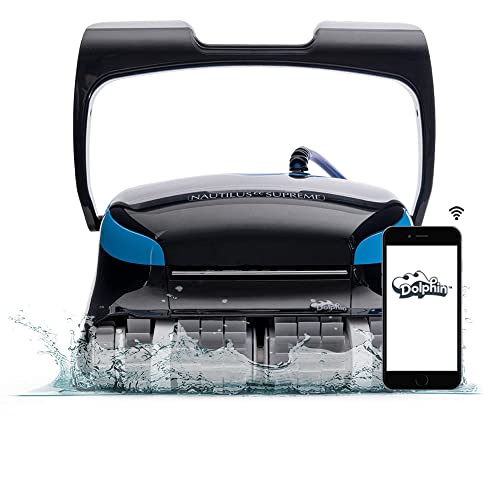
- VC Score9.0
BCP Score is a ranking system developed by bestcleanerproducts.com. BCP Score has no relationship or impact from any manufacturers or sales agent websites. Learn more
- BrandDolphin
- VC Score8.8
BCP Score is a ranking system developed by bestcleanerproducts.com. BCP Score has no relationship or impact from any manufacturers or sales agent websites. Learn more
- BrandDolphin
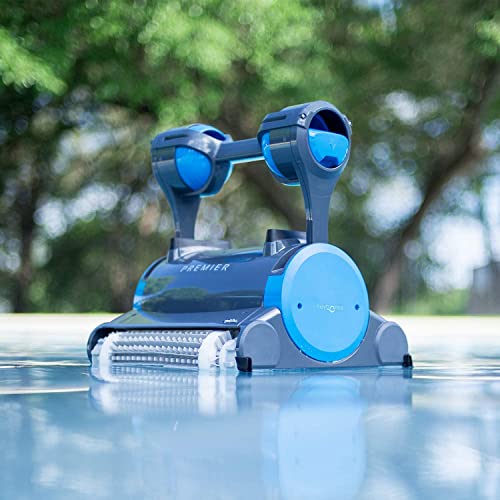
- VC Score8.8
BCP Score is a ranking system developed by bestcleanerproducts.com. BCP Score has no relationship or impact from any manufacturers or sales agent websites. Learn more
- BrandDolphin
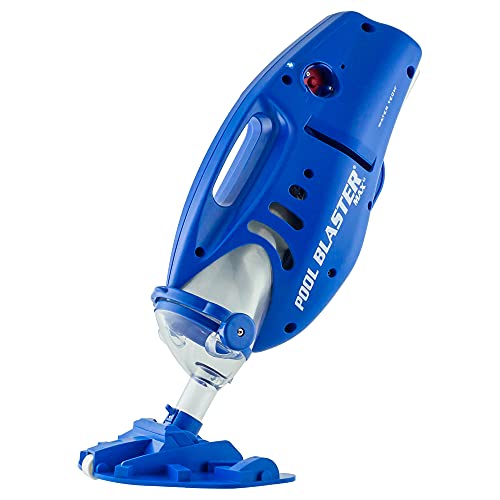
- VC Score8.6
BCP Score is a ranking system developed by bestcleanerproducts.com. BCP Score has no relationship or impact from any manufacturers or sales agent websites. Learn more
- BrandPOOL BLASTER

- VC Score8.4
BCP Score is a ranking system developed by bestcleanerproducts.com. BCP Score has no relationship or impact from any manufacturers or sales agent websites. Learn more
- BrandKokido

- VC Score8.2
BCP Score is a ranking system developed by bestcleanerproducts.com. BCP Score has no relationship or impact from any manufacturers or sales agent websites. Learn more
- BrandPoolmaster

- VC Score8.2
BCP Score is a ranking system developed by bestcleanerproducts.com. BCP Score has no relationship or impact from any manufacturers or sales agent websites. Learn more
- BrandEFURDEN

- VC Score7.8
BCP Score is a ranking system developed by bestcleanerproducts.com. BCP Score has no relationship or impact from any manufacturers or sales agent websites. Learn more
- BrandPOOLAZA

XtremepowerUS Premium Automatic Suction Vacuum-generic Climb Wall Pool Cleaner Sweeper
View on Amazon- VC Score7.8
BCP Score is a ranking system developed by bestcleanerproducts.com. BCP Score has no relationship or impact from any manufacturers or sales agent websites. Learn more
- BrandXtremepowerUS

- VC Score7.8
BCP Score is a ranking system developed by bestcleanerproducts.com. BCP Score has no relationship or impact from any manufacturers or sales agent websites. Learn more
- BrandSwimline

- VC Score7.8
BCP Score is a ranking system developed by bestcleanerproducts.com. BCP Score has no relationship or impact from any manufacturers or sales agent websites. Learn more
- BrandPool Supply Town
Last update on 2026-10-08 / Affiliate links / Images, Product Titles, and Product Highlights from Amazon Product Advertising API
FAQs
Can you vacuum a pool without a pump running?
Yes, both the water-jet bottle vacuum and the gravity siphon vacuum work without your pool pump running. The water-jet vacuum relies completely on water pressure from your home spigot, while the siphon vacuum uses natural gravity to pull water downhill through a hose. Neither setup requires electricity or pool filtration power to clean the floor.
Will a homemade vacuum head scratch a vinyl pool liner?
A homemade vacuum head can easily scratch or slice a vinyl liner if you leave bare, sharp plastic edges exposed. Cut plastic bottles, funnels, and PVC fittings often have razor-sharp burrs. Always sand down rough cuts, check every contact edge with your fingers, and wrap any surface that touches the pool bottom in smooth electrical tape or soft rubber tubing.
What works best for catching fine sand and dead algae?
Fine sand and powdery dead algae slip straight through standard leaf netting and coarse mesh bags. The best household solution is a clean pair of women's nylon pantyhose or an elastic paint strainer bag stretched over the vacuum exhaust. The tight nylon weave lets water flow through freely while trapping microscopic silt and sand particles inside.
How do you keep a garden hose from floating?
Garden hoses naturally trap air and float toward the surface, which tilts your DIY vacuum head off the bottom. You can keep the head flat on the floor by sliding a couple of clean, smooth stainless steel washers over the hose, or by zip-tying a smooth, wrapped weight a few inches above the bottle. Never use rough stones or bare metal that could scrape or rust-stain your pool floor.


How to Refinish a Fiberglass Pool

How Do You Keep Raccoons Out of Your Pool?

How to Fix Cyanuric Acid in Your Pool

How to Shape a Pool Cue Tip to Stop Miscues

12 Best Automatic Vacuum For Intex Above Ground Pool of 2026 To Keep Vinyl Floors Spotless

10 Best Automatic Pool Vacuum For Above Ground Pool of 2026 To End Manual Scrubbing

How Much Pool Clarifier Should You Use for Your Pool Size?

How Much Does a Pebble Tec Pool Cost to Build or Resurface?


