
Christopher is a 50-year-old DIY home organizer and cleaner from Florida. As a former residential cleaning service owner, he tests budget-friendly tools and multi-surface products. His practical reviews emphasize quick-clean solutions for modern lifestyles, helping readers achieve professional results at home.

See what drives pool cage rescreening bills, from single panel fixes to full replacements. Compare mesh durability, height fees, and DIY versus pro labor.

Drain standing puddles, scrub fabric with mild soap, and rinse toward a cover pump. Clean off grime safely without straining the motor or dirtying your pool.

Fill your pool filter about two-thirds full, leaving the top third empty. Check your tank label for exact weight to prevent cracked pipes and cloudy water.

Measure your salt level first, pour salt around the pool perimeter away from skimmers, and brush the floor until dissolved to protect your equipment.

Use 1 pound of DE powder per 10 square feet of filter size, or 80 percent after a backwash. Count scoops accurately to protect your grids and stop cloudy water.

Patch small tears in mesh or vinyl pool covers using double-sided kits, and check when broken safety straps or dry rot make replacing the cover necessary.

Solar covers trap sunlight by day and stop chilling evaporation at night. See which way the bubbles must face and how much warmth they actually add.

Tournament prizes rarely cover road expenses for average touring pool players. True income depends heavily on personal sponsorships, exhibitions, and coaching.

Angle your body with a can-opener jump to throw a massive wall of water. Dial in your knee tuck and safe pool depth to launch huge spray without painful slaps.

Stop vinyl pool leaks without draining any water. Cut rounded patches, apply waterproof glue underwater, and seal tears tight so the edges never peel.

Hide your pool filter using slatted screens or safe plants while keeping open airflow around the pump motor and quick access for routine maintenance.
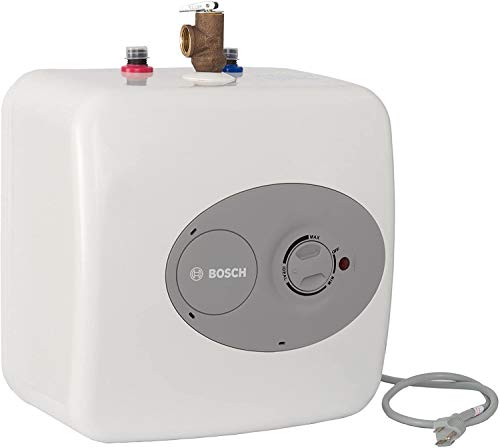
Start your pool pump first to protect the heating tubes, set the right temperature, and follow the safe shutdown steps that keep pipes from melting.

Wipe out mosquito larvae and flying swarms by shocking the water, running your pump, and treating standing cover puddles without ruining pool chemistry.

Fill the pump basket with water, release trapped air from the filter valve, and restore water flow safely before running dry damages your pool motor.

Dry your pool bubble blanket completely, fold or roll it safely, and block sunlight and nesting mice so the plastic never melts, flakes, or rots.

Drop bathwater pool temperatures by running a return jet fountain overnight, using cool air and evaporation to pull out heat without wasting money on ice.

Burying an above-ground pool requires burial-rated walls and gravel backfill so dirt will not crush the frame. See safe steps to dig, level, and build.

Clear trapped debris from your pool pump impeller (the internal water wheel) using a wire hook to restore suction and protect the motor from overheating.

Drain standing water from the tank, leave the sand inside, set the control valve to Winter, and bring the pressure dial indoors to avoid freeze damage.

Take down an above-ground pool with basic tools or manage an inground demolition. Drain the water safely, break up the shell, and pack dirt to stop sinkholes.


