
Christopher is a 50-year-old DIY home organizer and cleaner from Florida. As a former residential cleaning service owner, he tests budget-friendly tools and multi-surface products. His practical reviews emphasize quick-clean solutions for modern lifestyles, helping readers achieve professional results at home.

A pool takes 12 hours to 3 days to heat up. Gas heaters warm water in hours, while heat pumps take days. A good cover traps warmth and cuts your wait time.

Choose the right format, increase points for later rounds, and set firm deadlines before kickoff to run a fun, dispute-free soccer tournament pool.

A pebble finish costs more than plain plaster upfront, but it lasts twice as long. Factor in shell prep, finish tiers, and pool size to avoid surprise costs.

Stop birds and ducks from landing in your pool. Use water movement, reflective tape, and rotating decoys to keep droppings out and the water swim-ready.

A standard 20,000-gallon pool measures 16 by 32 feet with an 8-foot deep end. Map your yard space, compare shapes, and size pumps or chemicals accurately.

Pool retiling costs depend on updating the waterline border or the whole shell. Plan for tile materials and hidden concrete repairs before hiring a crew.

Pool robots use internal motors and onboard filters to clean without pool plumbing. Water flow holds them against walls while low voltage keeps them safe.

Most pools need 12 hours to 3 days to warm up. Gas heaters raise water 1 to 2 degrees an hour, while heat pumps take days. Use a cover to cut your wait time.
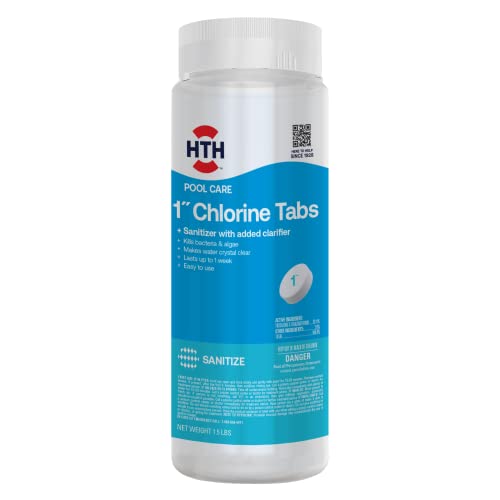
Use one or two 1-inch chlorine tablets in a floating dispenser for an 8-foot pool. Never use 3-inch tabs, which quickly bleach vinyl and irritate eyes.

Estimate how many truckloads your pool needs, see what drives delivery fees, and weigh tanker trucks against your garden hose to protect your home well.

A Texas pool quote changes fast once you factor in digging through hard limestone, adding mandatory safety fencing, and paying summer power bills.

A 48-inch pool gives you about 42 to 44 inches of actual water depth. See where the water hits on kids and adults, and why you cannot fill it to the brim.

Water pushes through grains of sand that catch dirt before flowing back into the pool. Understand your tank valve settings and how to fix high pressure.

Pool coping quotes depend on perimeter footage, material choice, and masonry labor. See what shapes contractor bids and avoid surprise demolition fees.

Pool shells last 25 to 50 years, but surfaces and equipment need work every 5 to 15 years. See how concrete, fiberglass, and vinyl age so you can budget early.

A regulation water polo pool must be at least 6.5 feet deep so players cannot stand. Check Olympic rules, high school exceptions, and safe backyard depths.

Pool timers act like automatic switches. A clock motor spins a dial with metal clips that flip pump power on and off to keep water clean and save electricity.
Stop dumping random chemicals into murky water. Balance your pH, add shock to knock out algae, and run the filter nonstop to restore sparkling blue water.

Add one 3-inch tablet per 10,000 gallons weekly or one pound of shock for cloudy water. Calculate your pool size and keep levels safely between 1 and 4 ppm.
Pool remodel costs depend on your surface material and project scope. Plan your budget, spot hidden repairs after draining, and compare contractor bids.


