
How to Measure Chlorine in a Pool for Safe Swimming

Measure elbow-deep using a color chart. Reaching down past your forearm, away from the circulation jets, pulls in water that truly reflects your pool. A paper dip strip or a small vial with liquid indicator drops will shift shades within moments. Comparing that shade to your bottle chart shows if you sit at one to three parts per million of free chlorine, which is the sweet spot for clean, safe swimming.
Your exact reading depends on how you collect the water and which tool you hold. Scooping right from the sunny surface gives false numbers, since heat and sunlight break down chemicals there first. Paper strips work fast for daily checks, while liquid dropper sets give a clearer look at active chlorine versus spent waste. Knowing what those colors mean takes only a minute, and doing it properly keeps the water crystal clear without irritating anyone's skin.
The Short Version
- Collect your water sample elbow-deep, about 12 to 18 inches below the surface, midway between the shallow and deep ends and well away from return jets.
- Use quick dip strips for rapid daily monitoring by dipping for one to two seconds, holding the strip flat for thirty seconds, and matching the color pads to the bottle chart.
- Use a liquid dropper kit for precise weekly measurements by filling the comparator block to the marked line, adding the specified reagent drops, and comparing the tinted water against the clear scale in natural daylight.
- Maintain active free chlorine between 1.0 and 3.0 parts per million to keep swimming water clean, clear, and gentle on skin and eyes.
Taking the Water Sample: Choosing the Right Spot and Depth
Grabbing water straight from the top of the pool ruins your reading before you even begin. The very top layer of pool water sits in direct sunlight, meets outdoor air, and collects surface debris like pollen, sunscreen oils, and rainwater. Sunlight breaks down chlorine rapidly at the surface, while warm air speeds up evaporation. Taking a surface sample usually shows lower sanitizer levels than what actually flows through the rest of the pool.
Circulation patterns also change your readings depending on where you stand. Scooping water right in front of a return jet gives you water that just passed through your filter and chlorinator, which reads artificially high. Collecting water inside the skimmer opening or near the pool steps gives you stagnant pockets that read artificially low. You want a balanced sample that represents the main body of water your family swims in.
Follow these steps to gather a clean, dependable water sample every time:
- Choose a neutral location: Walk to the middle of the pool, halfway between the shallow end and the deep end. Pick a spot along the perimeter that sits at least several feet away from return jets, skimmer boxes, and built-in steps.
- Turn your collection container upside down: Hold your clean plastic sample vial or collection cup with the opening facing straight down toward the water. This traps a pocket of air inside and prevents surface water from entering early.
- Plunge to elbow depth: Push the upside-down container straight down into the pool until your elbow reaches the water level. This puts the mouth of the cup roughly 12 to 18 inches below the waterline, where circulation is active and water temperature is uniform.
- Turn the container upright: Rotate the cup upward so the trapped air escapes and clean water rushes in from mid-depth. Bring the filled container straight up to the deck to perform your check immediately.
Measuring with Dip Strips for Quick Daily Checks
Dip strips offer the quickest way to monitor everyday chemical balances. Each strip contains small, chemically treated paper pads that change shade when they react with specific compounds in the water. High-grade dip strips measure several readings at once, including free chlorine, total chlorine, pH, and total alkalinity. Because they require no measuring drops or vial washing, they work well for quick checks between busy swim days.
Speed and gentle handling are essential when using dip strips. Splashing them, waving them vigorously in the air, or leaving them in the pool too long washes away the sensitive indicator chemicals on the pads. Follow these exact steps to get a clear, reliable reading:
- Dry your hands before opening the bottle: Reach into the container with completely dry fingers. Moisture inside the storage bottle ruins the unused strips by activating the chemical pads before you ever use them. Pop the cap off, remove one strip, and snap the lid shut immediately.
- Dip smoothly into your sample: Submerge the strip into your collected water sample, or directly into the pool at elbow depth, for one to two seconds. Do not swirl the strip back and forth, as rushing water strips the active chemicals off the paper pads.
- Hold the strip horizontal and still: Pull the strip out of the water with the colored pads facing up. Hold the strip perfectly flat like a ruler for fifteen to thirty seconds, depending on the instructions on your bottle. Do not shake excess water off. Holding it flat prevents water droplets from running from one pad to another, which can cause colors to bleed together and confuse your results.
- Match the colors in natural light: Compare the colored pads on the strip to the color grid printed on the bottle. Look at the pads under natural daylight, but stand out of harsh, direct glare. Match the shade of the free chlorine pad to the closest color block to find your sanitizer level in parts per million.
Watch out for bleached pads. If your pool water has extremely high sanitizer levels, such as right after adding a heavy dose of pool shock, the concentrated chlorine can bleach the indicator pad instantly. If your water smells pungent or you know you recently shocked the pool, but your strip pad turns stark white or pale clear within two seconds, your chlorine level is likely too high rather than empty. Wait twenty-four hours for levels to settle and measure again.
Measuring with Liquid Dropper Kits for Detailed Water Checks
Liquid dropper kits provide higher precision than dip strips. These kits use a comparator block, which is a clear plastic vial with built-in color reference scales, alongside liquid reagents. A reagent is simply a specialized chemical drop that alters water color according to the concentration of sanitizer present. Liquid kits take an extra minute to use, but they eliminate guesswork when color pads on paper strips look borderline.
Most liquid kits use one of two liquid indicators: OTO or DPD. OTO turns the water sample various shades of yellow to measure total chlorine. DPD reagents turn the sample bright shades of pink or red, allowing you to measure active free chlorine and spent chloramines separately. For the cleanest reading, follow this step-by-step process:
- Rinse the comparator block: Swish the plastic vial in your pool water twice to rinse away any dust or residue left from previous sessions. Shake out the rinse water completely.
- Fill to the indicator mark: Submerge the comparator block to elbow depth and tilt it upright to collect fresh water. Pour off tiny amounts until the water level sits exactly on the fill line marked on the side of the chlorine chamber. Too much water dilutes the reagent, while too little water concentrates it, both causing false readings.
- Add reagent drops holding the bottle vertical: Unscrew the dropper bottle of chlorine reagent. Hold the bottle completely upside down at a strict 90-degree angle directly above the vial opening. Squeeze gently to release the exact number of drops specified in your kit instructions, usually five drops. Holding the dropper bottle sideways creates uneven drop sizes and air bubbles that distort your measurement.
- Cap and mix without using bare fingers: Place the clean plastic caps onto the vials securely. Never press your bare thumb or finger over the top of the open tube to shake it. Natural oils, sweat, and acidic skin oils on your hands transfer straight into the water and ruin your chemical numbers. Invert the capped vial upside down and right-side up three or four times until the reagent mixes evenly through the water.
- Read against a white background: Hold the comparator block up at eye level against an open, neutral background, such as a white fence, a piece of white paper, or an overcast patch of sky. Avoid looking directly toward bright sun or through colored sunglasses. Compare the shade of the water to the graduated color bar on the plastic block to read your chlorine measurement in parts per million.
- Rinse and store properly: Dump the treated sample water onto the lawn or deck drain, never back into the pool. Rinse the comparator block with tap water, dry it with a clean cloth, and store the kit in a cool, dark cabinet away from extreme heat.
Understanding Free Chlorine Versus Total Chlorine
When you measure your water, your kit or strip will often display two distinct chlorine metrics: free chlorine and total chlorine. Knowing the difference between these two numbers is the secret to keeping your swimming water safe, clear, and comfortable.
Chlorine in your pool operates through two primary stages:
- Free chlorine: This is the active, unattached sanitizer floating in your pool water, ready to destroy algae, bacteria, and organic contaminants. This is the single most important number on your chart. When people ask what your pool chlorine reading is, they are asking for this free chlorine value.
- Combined chlorine: Once free chlorine attacks dirt, sweat, urine, body oils, or algae, it chemically locks onto those waste particles. This spent sanitizer is called combined chlorine, or chloramines. Combined chlorine has lost its ability to sanitize effectively. Even worse, chloramines produce the sharp, burning chemical odor that people mistake for too much chlorine, and they cause stinging, red eyes among swimmers.
- Total chlorine: This number represents the total sum of both types combined. It accounts for all the chlorine present in your water, whether it is actively working or already used up.
The mathematical relationship is simple: Free Chlorine plus Combined Chlorine equals Total Chlorine. If you use a checking kit that measures free chlorine and total chlorine, subtract the free reading from the total reading to find your combined chlorine level. In a healthy pool, your combined chlorine should stay at 0.2 parts per million or lower. If your combined chlorine climbs above 0.5 parts per million, your active sanitizer is overwhelmed by waste, meaning it is time to shock the pool to burn off the trapped chloramines.
Safe Target Ranges and What Your Numbers Mean
Water sanitizer strength is measured in parts per million, commonly abbreviated as ppm. Think of one part per million as a single drop of food coloring diluted inside a thirteen-gallon container of water. Even tiny shifts in this balance change how safe and comfortable your pool feels.
Use this guide to interpret your chlorine numbers:
- Below 1.0 ppm (Under-treated): Sanitizer is too low. Bacteria and algae can multiply quickly. Water will turn hazy, surfaces may feel slick or slimy, and organic debris will overwhelm the pool. Add chlorine immediately to restore protection.
- 1.0 to 3.0 ppm (Ideal Range): The sweet spot for standard residential swimming pools. Water stays germ-free, clear, and odorless, without drying out skin or bleaching clothing. Aim to keep your pool at 2.0 to 3.0 ppm during the warm swimming season.
- 3.0 to 5.0 ppm (Acceptable High): Safe for swimming, though higher than necessary for everyday use. Saltwater pools equipped with chlorine generators often run near 3.0 to 4.0 ppm without issue.
- Above 5.0 ppm (Over-treated): Avoid swimming. High chlorine levels irritate eyes, trigger skin rashes, degrade swimwear fibers, and can cause vinyl liners to fade or wrinkle prematurely. If metals like copper are present in aged equipment or hard fill water, excessive sanitizer combined with low pH can accelerate staining and even turn blonde hair green. If that happens, learning how to fix green hair from a pool helps restore hair color safely while you allow sanitizer levels to drop.
- Above 10.0 ppm (Shock Level): The pool has received a high dose of shock treatment to clear algae blooms or destroy stubborn chloramines. Keep the pool closed until sunlight and filtration lower the reading back under 5.0 ppm.
Check your pool chlorine at least two to three times each week during peak swimming season. In addition to your standard schedule, always verify chlorine levels after heavy rainstorms (which dilute chemicals and introduce airborne contaminants), after hosting a busy pool party with many swimmers, or before you prepare your pool for winter to prevent deep staining and algae while the water sits covered.
Choosing the Right Water Measuring Tools
Keeping water balanced requires reliable measuring gear that matches your weekly maintenance routine. The two primary options for home pool owners are multi-parameter dip strips and liquid drop kits. When selecting checking supplies, look for kits that include both free chlorine and total chlorine readouts, as well as pH and total alkalinity scales, since sanitizer effectiveness depends heavily on balanced pH.
Always inspect the expiration date stamped on the container before purchasing. Chemical reagents and coated paper pads lose their sensitivity over twelve to twenty-four months, especially when stored in humid sheds or hot garages. Choose dip strip containers that feature a desiccant lining or tight snap-caps to lock out moisture. If you prefer liquid drop kits, look for comparator blocks with clear, molded color gradations that are easy to distinguish in normal outdoor lighting.

- VC Score9.0
BCP Score is a ranking system developed by bestcleanerproducts.com. BCP Score has no relationship or impact from any manufacturers or sales agent websites. Learn more
- BrandJNW Direct
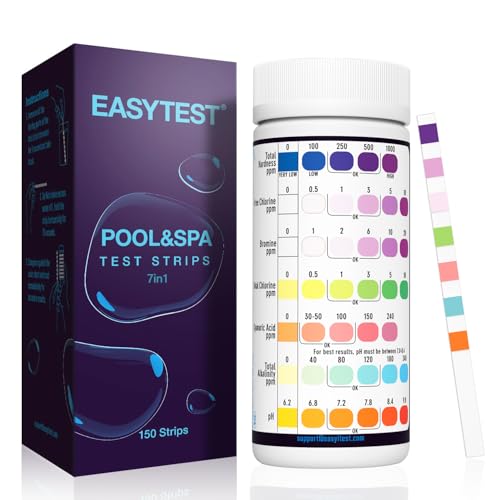
- VC Score8.8
BCP Score is a ranking system developed by bestcleanerproducts.com. BCP Score has no relationship or impact from any manufacturers or sales agent websites. Learn more
- BrandEASYTEST
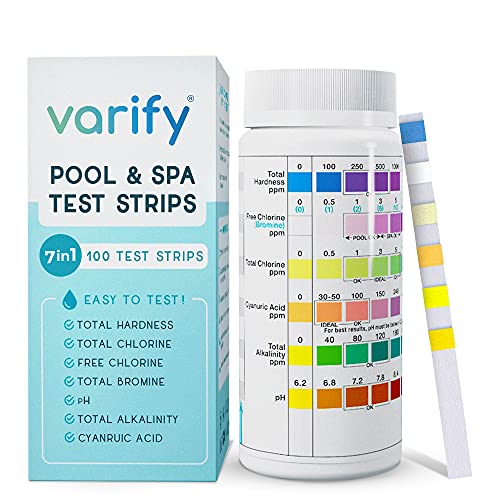
- VC Score8.8
BCP Score is a ranking system developed by bestcleanerproducts.com. BCP Score has no relationship or impact from any manufacturers or sales agent websites. Learn more
- BrandVARIFY
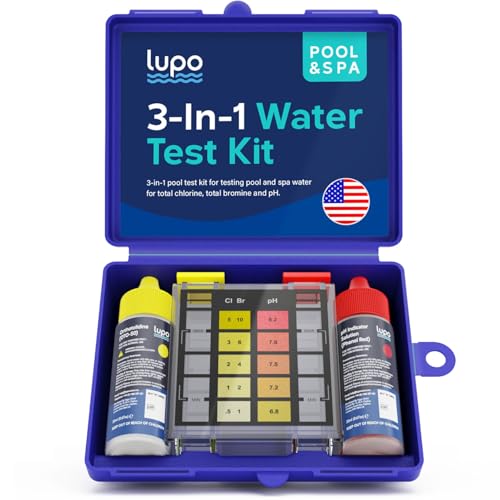
- VC Score8.8
BCP Score is a ranking system developed by bestcleanerproducts.com. BCP Score has no relationship or impact from any manufacturers or sales agent websites. Learn more
- BrandLupo Global

- VC Score8.6
BCP Score is a ranking system developed by bestcleanerproducts.com. BCP Score has no relationship or impact from any manufacturers or sales agent websites. Learn more
- BrandSuperCheck

- VC Score8.6
BCP Score is a ranking system developed by bestcleanerproducts.com. BCP Score has no relationship or impact from any manufacturers or sales agent websites. Learn more
- BrandU.S. Pool Supply

- VC Score7.8
BCP Score is a ranking system developed by bestcleanerproducts.com. BCP Score has no relationship or impact from any manufacturers or sales agent websites. Learn more
- BrandHofun

- VC Score5.0
BCP Score is a ranking system developed by bestcleanerproducts.com. BCP Score has no relationship or impact from any manufacturers or sales agent websites. Learn more
- BrandHeayzoki
Last update on 2026-10-08 / Affiliate links / Images, Product Titles, and Product Highlights from Amazon Product Advertising API
FAQs
Where should I collect the pool water sample?
Collect your water sample halfway between the shallow and deep ends, away from skimmer openings, ladders, and water return jets. Submerge your container upside down until your elbow is submerged about 12 to 18 inches below the surface, then turn it upright to capture mid-depth water. This avoids contaminated surface water and provides an accurate reflection of your circulating pool.
Why does my pool smell strongly of chlorine if my reading is zero?
That strong, unpleasant chemical smell comes from chloramines, which form when free chlorine binds to sweat, oils, and swimmer waste. When your active free chlorine runs out, chloramines linger in the water without cleaning it. Shocking the pool breaks down these trapped compounds and restores clean, odorless water.
Can high chlorine bleach the indicator pads on dip strips?
Yes, extremely high chlorine levels, such as right after shocking the pool, can bleach the chemical pads on dip strips almost instantly. If your strip turns white or clear within seconds despite recent chemical additions, high sanitizer is likely washing out the dye. Wait twenty-four hours for levels to drop before re-checking, or dilute your sample with equal parts distilled water to verify.
How often should I measure chlorine levels during the summer?
Check your chlorine levels two to three times per week during warm weather when the pool is in active use. You should also run an extra check immediately after severe rainstorms, prolonged heatwaves, or pool parties with heavy bather traffic, as these events deplete active sanitizer rapidly.


How to Refinish a Fiberglass Pool

How Do You Keep Raccoons Out of Your Pool?

How to Fix Cyanuric Acid in Your Pool

How to Shape a Pool Cue Tip to Stop Miscues

12 Best Automatic Vacuum For Intex Above Ground Pool of 2026 To Keep Vinyl Floors Spotless

10 Best Automatic Pool Vacuum For Above Ground Pool of 2026 To End Manual Scrubbing

How Much Pool Clarifier Should You Use for Your Pool Size?

How Much Does a Pebble Tec Pool Cost to Build or Resurface?


