
How to Fix an Above Ground Pool Wall Safely

Most owners assume that a buckled or rusted pool wall means buying an entire replacement. That is not always the case, because minor dents and isolated rust spots can be patched with steel repair plates once you relieve the pressure. However, compromised metal cannot hold back thousands of gallons of water if the underlying structure has failed.
The right fix depends on where the metal gave out, how far the corrosion spreads, and dropping the water level before starting. A small puncture near the skimmer (the water intake box) or a shallow sidewall crease is fairly simple to brace. Severe buckling near the bottom track (the metal groove holding the wall base) usually means the metal is finished. Here is how to check your wall, decide if it can be saved, and complete the repair step by step.
Can you fix your damaged pool wall?
Most pool wall damage falls into two categories: repairable surface wear and dangerous structural failure. A steel or aluminum wall supports tens of thousands of pounds of water pressure. If the metal loses its structural integrity along a major load line, patching it will not hold. However, isolated rust spots, minor creases, and track slips can often be repaired with simple tools and replacement plates.
Use this quick checklist to check whether your wall can be saved:
- Fixable: Rust around cutouts. Corroded metal surrounding the skimmer (the water intake box on the wall) or the return fitting (the wall outlet jet sending clean water back) can be reinforced with a heavy-duty stainless steel repair panel.
- Fixable: Shallow dents and creases. Dents caused by accidental bumps, high winds, or shifting winter ice can usually be flattened out if the metal has not cracked or torn open.
- Fixable: Wall popped out of the bottom track. If a small section of the wall popped free from the bottom track (the metal groove holding the wall base), you can lever it back in place once the water weight is gone.
- Fatal: Horizontal rust along the base. If rust flakes crumble off along the bottom six inches of the wall, the base cannot support water pressure and will eventually tear open.
- Fatal: Accordion buckling. Vertical crumpling or folds running down an upright support post mean the wall has buckled under too much downward weight, which ruins the structural balance of the frame.
- Fatal: Split wall seams. If the factory joint where the two ends of the pool wall bolt together splits or tears through the bolt holes, the entire wall must be replaced immediately.
Why must you lower the water first?
Never try to pound out a dent, loosen a wall fitting, or lift a slipped track while your pool is full of water. A standard 24-foot round above ground pool holds roughly 13,500 gallons of water, which weighs over 112,000 pounds. That water constantly pushes outward against the metal skin. If you loosen bolts or tap on compromised steel under load, the metal can rip apart in an instant. A sudden wall blowout releases an unstoppable tidal wave that washes away landscaping, ruins decks, floods basements, and can sweep people off their feet.
You must drain the water below the damaged area before you touch the metal. If you are repairing a rusted skimmer or return fitting, drain the water at least 6 to 12 inches below the cutout. If you are fixing a bottom track slip or a crease near the floor, you need to drain almost the entire pool. Leave two to three inches of water in the shallowest area if possible to keep the vinyl liner from shrinking in the sun, unless you plan to remove the liner entirely. While planning your repair schedule, it also helps to review how to clean a pool after winter step by step so you can time liner adjustments with your seasonal maintenance.
How do you patch rusted skimmer and return openings?
Water leaks around gaskets often trap chlorinated water against the bare steel cutout, causing thick rust to form around the intake box and return jet. You can bridge this corroded gap by bolting a pre-formed repair panel directly over the damaged section.
- Expose the damaged wall section. Drain the pool until the water sits well below the fitting. Turn off the pump power. Disconnect the plumbing hoses, remove the faceplate screws, and take the skimmer or return fitting off the wall. Unhook the top rail above this section and carefully peel back the vinyl liner to protect it from sharp metal and metal shavings.
- Grind away the active rust. Use a stiff wire brush or a drill with a wire wheel attachment to remove all loose rust flakes. Clean the area until you reach shiny, solid metal. Wipe the surface clean with a dry rag and coat the bare steel with a rust-inhibiting metal primer to stop chemical corrosion from spreading behind the patch.
- Position the metal repair plate. Align a heavy-gauge stainless steel repair panel over the existing wall cutout. Make sure the cutout in the repair panel matches your skimmer or return jet opening. Tape or clamp the panel firmly against the wall so it stays centered.
- Drill mounting holes. Use an industrial-grade drill bit designed for hardened steel to drill holes through the pool wall, using the pre-drilled holes in the repair plate as your guide. Drill holes around the outer perimeter of the repair panel, spacing them two to three inches apart.
- Fasten the plate securely. Insert stainless steel bolts or heavy-duty pop rivets through the holes. Always position smooth bolt heads or rounded rivet heads facing the inside of the pool, with nuts and washers on the outside. Tighten everything down evenly so the plate sits completely flat against the wall.
- Smooth the edges with pool putty. Mix a two-part epoxy pool putty and press it around the outer edges of the repair plate. Feather the putty flat against the original pool wall so there are no sharp metal ledges that could slice into the vinyl liner. If you are servicing equipment connections nearby, review our guide on how to bond pool water to keep swimmers safe to ensure your pool components remain properly grounded.
How do you knock out wall dents and creases?
Winter ice movement, falling tree limbs, and strong wind gusts can push deep dents into the metal sidewall. As long as the steel is bent rather than cracked or torn, you can tap it back into its original curved shape.
- Release the water pressure. Lower the water level so it sits well below the crease. If the dent is near the base of the wall, you will need to drain most of the pool. Unhook the top rail above the dented section and pull the liner back so the bare steel wall is fully visible.
- Set up support blocks. Have a helper stand on the outside of the pool holding a smooth, flat piece of 2x4 lumber firmly against the exterior face of the dented wall. This backing wood stops the metal from stretching or bowing outward when you strike it.
- Work from the edges inward. Hold a second block of wood flat against the interior side of the crease. Tap the wood block gently with a rubber mallet. Never hit the bare pool wall directly with a steel hammer, as this will gouge the steel and create sharp points. Start tapping at the outer edges of the dent and work in a slow spiral toward the deepest point of the crease.
- Re-form the smooth curve. Continue tapping the wood block until the metal pops back into its natural arc. Check the wall by running a gloved hand across the surface. If you feel any sharp creases or burrs, lightly smooth them down with 120-grit sandpaper so the surface is completely flat.
How do you reset a slipped pool wall track?
When the ground settles or ice lifts the pool frame, the bottom of the wall can slide out of the metal groove holding the wall base. Putting it back requires patience and an empty pool, because no human can overcome the friction created by thousands of pounds of water.
- Empty the pool. Drain the pool completely or leave no more than one inch of water on the bottom. If water remains in the pool, the outward hydraulic push will pin the wall against the ground and prevent you from moving it.
- Clean the track channel. Dig away any soil, mulch, or gravel from the outside of the bottom track where the wall slipped out. Use a stiff brush or a flat putty knife to scrape dirt, sand, and debris out of the metal track groove so the wall has a clear channel to drop back into.
- Unhook the top structure. Remove the top rails and upright caps directly above the slipped section. This relieves downward pressure on the wall and gives the metal sheet enough flex to move.
- Lever the wall base. Slide a flat pry bar or a sturdy timber lever under the bottom edge of the wall from the outside. Place a small block of wood under the pry bar to protect the ground from sinking. Gently lift the wall upward by half an inch.
- Push the wall into the groove. While one person levers the wall upward, have a partner push the base of the wall inward toward the center of the pool. Once the bottom rim aligns with the channel, lower the lever slowly so the steel drops directly into the track groove. Tap the top of the wall gently with a rubber mallet if needed to ensure the metal seats all the way to the bottom of the rail.
- Stabilize the base. Pack fresh mason sand or stone dust against the outer rim of the bottom track to prevent soil erosion from washing out the base again during heavy rain.
How do you protect the liner from sharp repairs?
Once your metal repair is complete, you cannot simply slap the vinyl liner back against the raw patch. The edges of stainless steel plates, rivet heads, screw shanks, and rough sanding marks will easily slice through a flexible vinyl liner under the weight of refilled water.
Start by covering every bolt head, rivet, and raw plate seam with three layers of heavy-duty waterproof duct tape. Overlap each strip by at least one inch and press the tape down firmly to remove air bubbles. Run your bare fingers across the tape to verify that no hard corners or sharp points poke through.
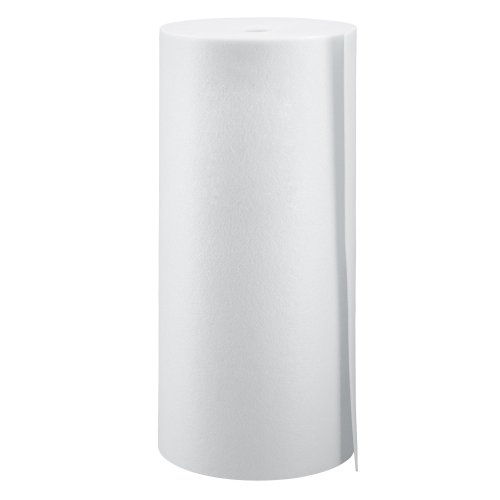
Next, install a layer of wall foam (thin foam padding protecting the liner) across the repaired section or around the entire inner perimeter. Wall foam creates a soft, continuous barrier between the cold steel and the vinyl. Spray a light mist of foam spray adhesive onto the clean steel wall, press the closed-cell foam padding smoothly against the metal, and trim it evenly around your skimmer and return cutouts. This padding cushions patch edges and prevents minor wall imperfections from pinching the liner.
When is a pool wall beyond repair?
Attempting to salvage a pool wall that has suffered catastrophic damage is dangerous. When the base structural steel rots through or twists out of shape, no amount of sheet metal or pop rivets can guarantee safety.
Do not attempt to repair the wall if you discover any of the following problems:
- Widespread bottom rail corrosion. If the metal along the bottom six inches of the wall has rusted into crumbly flakes across multiple sections, the wall cannot anchor itself to the track and will blow out at the base.
- Buckling under vertical uprights. If the upright columns are bending or the wall metal directly behind them has folded like an accordion, the entire frame has lost its vertical weight-bearing capacity.
- Pervasive rust through more than one-third of the wall. When rust covers broad sections of the wall circumference rather than small patches around fittings, the tensile strength of the steel has dropped below safe limits.
- Leaning structural posts. If multiple upright posts lean outward and pull away from the top rails, the ground beneath has settled unevenly and the pool wall is twisting under torsional stress.
- Failed wall joiner seams. If the factory seam where the wall ends meet has torn or the bolt holes have elongated into slots, the pool cannot be securely closed.
If your pool displays these severe defects, stop refilling the pool and call a local pool installation professional. Replacing the entire wall panel or swapping in a new pool kit is far cheaper than dealing with the property damage caused by a massive backyard flood.
What repair materials should you look for?
When you prepare to fix an above ground pool wall, selecting the right reinforcement hardware and protective materials determines whether your patch lasts for seasons or fails under pressure. Never use thin scrap metal or standard wood screws, as chlorinated water and moisture will rapidly corrode low-grade steel.
Look for pre-cut cutout repair panels made of heavy-gauge stainless steel that resist rust and match the exact footprint of standard skimmers and water return fittings. Ensure the repair kit includes industrial-grade drill bits and stainless steel fasteners or rivets so you do not have to hunt for hardware that fits. For sealing seams and feathering patch edges, choose a dense two-part pool putty that hardens cleanly without shrinking. Finally, pick high-density, closed-cell wall foam padding at least one-eighth of an inch thick. Closed-cell foam does not absorb water or trap moisture against the steel, providing a reliable cushion that keeps your pool liner completely safe from rough patch edges.

- VC Score9.4
BCP Score is a ranking system developed by bestcleanerproducts.com. BCP Score has no relationship or impact from any manufacturers or sales agent websites. Learn more
- BrandWR+

- VC Score9.4
BCP Score is a ranking system developed by bestcleanerproducts.com. BCP Score has no relationship or impact from any manufacturers or sales agent websites. Learn more
- BrandKEXMY

- VC Score9.2
BCP Score is a ranking system developed by bestcleanerproducts.com. BCP Score has no relationship or impact from any manufacturers or sales agent websites. Learn more
- BrandFair Oaks
- VC Score9.2
BCP Score is a ranking system developed by bestcleanerproducts.com. BCP Score has no relationship or impact from any manufacturers or sales agent websites. Learn more
- BrandBlue Wave

- VC Score9.2
BCP Score is a ranking system developed by bestcleanerproducts.com. BCP Score has no relationship or impact from any manufacturers or sales agent websites. Learn more
- BrandEpoxybond Pool Putty

- VC Score9.0
BCP Score is a ranking system developed by bestcleanerproducts.com. BCP Score has no relationship or impact from any manufacturers or sales agent websites. Learn more
- BrandTonGass

- VC Score8.6
BCP Score is a ranking system developed by bestcleanerproducts.com. BCP Score has no relationship or impact from any manufacturers or sales agent websites. Learn more
- BrandCICIDO

- VC Score8.2
BCP Score is a ranking system developed by bestcleanerproducts.com. BCP Score has no relationship or impact from any manufacturers or sales agent websites. Learn more
- BrandSmartline
- VC Score7.0
BCP Score is a ranking system developed by bestcleanerproducts.com. BCP Score has no relationship or impact from any manufacturers or sales agent websites. Learn more
- BrandMAV AquaDoc
Last update on 2026-10-08 / Affiliate links / Images, Product Titles, and Product Highlights from Amazon Product Advertising API
FAQs
Can I fix a wall dent without draining the pool?
No, you cannot safely straighten a wall dent while the pool is full. Water pressure pushes with tremendous force against the metal, making it impossible to tap the crease back into shape. Trying to hammer against full water pressure can also tear the vinyl liner or cause the metal to split open.
Can I use regular sheet metal to patch a rust hole?
You should only use heavy-gauge stainless steel or properly coated aluminum panels designed for pool repairs. Ordinary galvanized sheet metal or mild steel will corrode rapidly when exposed to pool moisture and treated water. Stainless steel resists rust and provides the strength needed to hold back water pressure.
How long does a pool wall patch usually last?
A properly installed stainless steel repair patch on a skimmer or return fitting can easily last five to ten years. Its lifespan depends on how well you cleaned the original rust and whether you applied a quality rust-inhibiting primer. If the surrounding wall stays dry and clean, the stainless plate will often outlive the vinyl liner.
Will homeowner insurance cover a collapsed pool wall?
Most homeowner insurance policies do not cover pool wall failures caused by gradual rust, corrosion, or general wear and tear. Insurance typically only covers sudden, accidental events, such as a falling tree branch crushing the top rail. Check your specific policy terms with your insurance agent to see what backyard water structures are included.

How to Refinish a Fiberglass Pool

How Do You Keep Raccoons Out of Your Pool?

How to Fix Cyanuric Acid in Your Pool

How to Shape a Pool Cue Tip to Stop Miscues

12 Best Automatic Vacuum For Intex Above Ground Pool of 2026 To Keep Vinyl Floors Spotless

10 Best Automatic Pool Vacuum For Above Ground Pool of 2026 To End Manual Scrubbing

How Much Pool Clarifier Should You Use for Your Pool Size?

How Much Does a Pebble Tec Pool Cost to Build or Resurface?


