
How to Get Your Pool Water Sparkling Blue

Shock the water and run the pump. Restoring that bright shimmer takes three basic moves: balancing the pH, adding a heavy chlorine shock to destroy organic growth, and running the filter continuously to trap the debris. Dumping random specialty chemicals into the pool wastes money when basic sanitizer levels are at zero.
The exact fix depends on what is clouding the water. Green water usually means live algae that needs heavy chlorine, while milky water often points to dirty filters or calcium buildup. Well water or old pipes can also add dissolved minerals that tint the pool without any algae present. Checking these clues helps you treat the root cause and bring back clear water without the guesswork.
Look closely at the water color to pinpoint the cause
Water turns dull or discolored for specific reasons, and identifying the exact shade tells you how to treat it. Clear, sparkling blue water happens when light reflects through sanitized, debris-free water against a clean pool shell. When microscopic contaminants enter the water, they absorb light and alter the color completely.
Bright green or swampy water points directly to living algae. Green algae spores drift in through the air or rain, and when your sanitizer level drops to zero, they multiply rapidly under direct sunlight. The water looks murky, and the pool steps and floor often feel slick and slimy to the touch.
Milky white or cloudy gray water usually means dead organic matter, high mineral levels, or poor filtration. If you recently treated green water, that chalky white haze is actually millions of dead algae cells floating in place. It can also happen when the water has too much calcium or when your filter media is coated with fine silt and can no longer capture micro-particles.
Yellow, mustard, or brown tints stem from either specialized algae or dissolved metals. Yellow algae looks like fine pollen or sand gathered in the shaded corners and walls of the pool, but it does not brush away as easily as dirt. If your water looks clear but carries a tea-colored, reddish, or emerald tint, tap water or well water may have introduced dissolved iron or copper that oxidized after adding sanitizer.
Follow these five practical steps to restore blue water
Clearing murky water requires a direct plan. Adding specialty chemicals in the wrong sequence wastes money and leaves your pool cloudy for weeks. Follow these five steps in order to clear the haze and bring back your bright blue water.
- Scoop out leaves and heavy debris. Before touching your chemical kit, remove large physical debris from the pool. Use a surface skimmer net for floating leaves and a deep-bag leaf rake along the bottom. Decaying plant matter absorbs your sanitizer rapidly. If you leave a carpet of leaves on the floor, your sanitizer will exhaust itself fighting the leaves instead of clearing the water.
- Balance the pH and total alkalinity. Measure your water chemistry using a liquid reagent kit or fresh chemical indicator strips. Your pH must sit between 7.2 and 7.6 before you add any sanitizer. If your pH climbs above 7.8, high-strength chlorine treatments lose up to eighty percent of their sanitizing ability. Use sodium bisulfate or muriatic acid to lower high pH, or sodium carbonate to raise it. Set your total alkalinity between 80 and 120 parts per million to keep the pH steady.
- Shock the pool with a heavy chlorine dose. Pool shock is a high-strength chlorine treatment designed to burn away organic contaminants. You need to raise free chlorine, which is the active chlorine available to sanitize, to at least ten times your combined chlorine level. Review how much pool chlorine to add based on your pool size and how dark the green tint is. Always add granular shock or liquid chlorine at dusk or after sunset so ultraviolet rays from the sun do not break down the chlorine before it attacks the algae.
- Brush every square foot of the pool shell. Algae protects itself with a slimy barrier that chlorine cannot easily penetrate on its own. Use a stiff pool brush on an extension pole to scrub the walls, floor, steps, and behind the ladder rungs. For concrete or gunite plaster, a brush with stainless steel bristles works well. For a vinyl liner or smooth fiberglass pool, stick to soft nylon bristles to prevent scratching or tearing the surface. Vigorous brushing suspends the algae in the water where the high chlorine dose can destroy it.
- Run your circulation pump non-stop. Turn your pump switch on and leave it running twenty-four hours a day until the water is completely clear. The pool filter is the only mechanical tool that actually pulls the dead particles out of the pool. Pausing the pump allows dead algae to settle back onto the floor, which prolongs the cloudy appearance.
Keep your filter clean so water keeps circulating freely
Your circulation pump and filter do the heavy lifting when turning cloudy water blue. As the filter captures dead algae and fine dirt, those trapped particles clog the tiny pathways inside the filter tank. This causes water pressure to rise and water movement to slow down to a trickle.
Sand filters require a routine backwash, which means reversing flow to flush trapped dirt out of a filter and out through a waste line. Perform a backwash cycle whenever the tank pressure gauge climbs 8 to 10 pounds per square inch above its clean baseline reading. Run the rinse setting for thirty seconds afterward to settle the sand bed before switching back to normal filter mode.
Cartridge filters require manual cleaning. Shut off the pump motor, open the air relief valve on top of the tank to release built-up pressure, and open the tank clamp. Pull out the fabric cartridge and rinse between every pleat using a garden hose with a high-pressure nozzle. If the cartridge fabric is caked with body oils and mineral scale, soak it in a cartridge cleaning solution overnight.
Maintain consistent water movement with this quick routine:
- Check the tank pressure gauge twice each day during the clearing process.
- Clean the filter media as soon as pressure climbs 8 to 10 pounds over clean operating pressure.
- Empty the skimmer baskets and pump strainer basket daily so water moves without restriction.
- Angle your return pool jets slightly downward and in one circular direction to push debris toward the main drain and skimmers.
Use a pool clarifier to clear out leftover milky haze
After your shock treatment wipes out the algae, the water often shifts from dark green to a pale, cloudy gray or milky blue. This happens because dead microscopic particles remain suspended in the water. These particles are often too small for standard sand filters or standard cartridges to trap on a single pass.
A pool clarifier is a liquid that clumps tiny dirt specks together. It works like a mild magnet, binding microscopic debris into larger clusters that your filter media can easily trap. Adding a clarifier helps polish the water from dull and cloudy to bright and transparent.
Only add a clarifier after your free chlorine drops below five parts per million and your pH sits balanced between 7.2 and 7.6. Measure the exact dose based on your pool volume and pour it around the pool edges with the pump running. Never overdose a clarifier. Adding too much creates the opposite effect, acting as a dispersant that keeps the water cloudy for days. Heavy swimmer use can also leave oils that cloud the water; learning how to get oils out of your pool helps prevent recurrent surface haze.
Avoid these common mistakes that keep pool water dull
Restoring clear blue water takes patience, and minor shortcuts can set your progress back several days. Avoid these common missteps during your water recovery routine:
- Swimming too soon. Swimming while treating cloudy water exposes swimmers to extreme chlorine levels and skin irritation. Swimmers also bring body lotions, sweat, and oils into the water, which consumes active chlorine that should be clearing up the haze. Keep everyone out until free chlorine drops to safe swimming levels between one and four parts per million and the main drain on the pool floor is clearly visible.
- Skipping wall brushing. Pouring shock into a pool without brushing leaves a thick biofilm on pool surfaces. Chlorine will sanitize the open water, but algae hidden in ladder sockets, under steps, and along rough plaster will quickly bloom again once chlorine levels normalize.
- Misreading chemical indicator strips. Keep your fingers away from the colored pads and read the pads in natural sunlight within the exact seconds listed on the bottle instructions. Reading a strip too late leads to false pH readings, causing you to add balancing chemicals you do not need.
- Shutting the pump off at night. Running a pump for only eight hours a day will stretch a two-day clearing job into two weeks. Keep the water moving continuously until you can read the heads on the screws of your bottom drain cover.
- Mixing chemicals together. Never mix different pool chemicals in the same bucket or add them at the exact same moment. Dissolve dry chemicals separately in a bucket of pool water before pouring, and wait at least two hours between adding balancing acids and adding chlorine shock.
Choose the right cleaning gear to support your pool maintenance
Maintaining bright blue water requires regular floor and wall scrubbing alongside proper water chemistry. Manual vacuuming works well for spot cleaning, but automatic cleaners remove settled dust, dead algae, and organic debris on a daily schedule without draining your free time.
You can choose between three main categories of automatic cleaners. A robotic cleaner is a self-powered unit with its own internal debris basket that operates independently from your pool pump. If you want to see how these automated units run, understanding how a Dolphin pool cleaner works reveals how internal filtration frees up your main pool filter. A suction-side cleaner attaches to your pool skimmer or dedicated vacuum port and uses your pool pump suction to pull debris into your main filter. A pressure-side cleaner connects to the water return jet, often using an extra booster pump, and catches debris in its own sweep bag so it does not overload your filter tank.
Check your pool surface material before picking any automatic cleaning machine. Smooth fiberglass and slick tile require specialized soft climbing rings or gel tracks to grip the walls. Rough concrete or gunite plaster needs durable rubber skirts and heavy-duty drive wheels that can handle abrasive textures. Vinyl liners require gentle brushes and smooth edges that will not snag or scuff the liner material, while pebble aggregate surfaces need durable drive tracks that climb rough slopes without slipping.
Always practice basic electrical and suction safety when operating cleaning gear. Connect electric cleaners only to an outdoor GFCI outlet (a protected ground-fault outlet with a weatherproof cover) located at least 10 feet back from the pool edge. Never swim while any cleaner or power cord is inside the water. If you use a suction model, always shut off the circulation pump before disconnecting hoses from the skimmer to prevent entrapment or hand injuries.
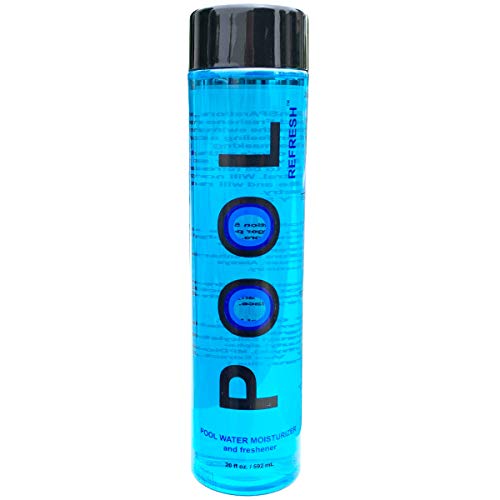
- VC Score9.4
BCP Score is a ranking system developed by bestcleanerproducts.com. BCP Score has no relationship or impact from any manufacturers or sales agent websites. Learn more
- BrandinSPAration - Pool Refresh

- VC Score9.2
BCP Score is a ranking system developed by bestcleanerproducts.com. BCP Score has no relationship or impact from any manufacturers or sales agent websites. Learn more
- BrandGLB

- VC Score9.2
BCP Score is a ranking system developed by bestcleanerproducts.com. BCP Score has no relationship or impact from any manufacturers or sales agent websites. Learn more
- BrandIn The Swim

- VC Score9.2
BCP Score is a ranking system developed by bestcleanerproducts.com. BCP Score has no relationship or impact from any manufacturers or sales agent websites. Learn more
- BrandClorox Pool&Spa

- VC Score9.2
BCP Score is a ranking system developed by bestcleanerproducts.com. BCP Score has no relationship or impact from any manufacturers or sales agent websites. Learn more
- BrandBioGuard

- VC Score9.0
BCP Score is a ranking system developed by bestcleanerproducts.com. BCP Score has no relationship or impact from any manufacturers or sales agent websites. Learn more
- BrandMAV AquaDoc

- VC Score9.0
BCP Score is a ranking system developed by bestcleanerproducts.com. BCP Score has no relationship or impact from any manufacturers or sales agent websites. Learn more
- BrandGLB

- VC Score8.8
BCP Score is a ranking system developed by bestcleanerproducts.com. BCP Score has no relationship or impact from any manufacturers or sales agent websites. Learn more
- BrandRobelle

- VC Score8.8
BCP Score is a ranking system developed by bestcleanerproducts.com. BCP Score has no relationship or impact from any manufacturers or sales agent websites. Learn more
- BrandAMERICAN LUXURY GIFTS

- VC Score8.6
BCP Score is a ranking system developed by bestcleanerproducts.com. BCP Score has no relationship or impact from any manufacturers or sales agent websites. Learn more
- BrandADVANTIS TECH
Last update on 2026-10-08 / Affiliate links / Images, Product Titles, and Product Highlights from Amazon Product Advertising API
FAQs
Why did my pool turn green so quickly?
Pool water turns green rapidly when free chlorine drops to zero during warm, sunny weather. High heat and sunlight consume sanitizer fast, allowing airborne algae spores to multiply into visible blooms in less than twenty-four hours. Rainstorms also wash organic nitrates and debris into the pool, which feeds the algae bloom.
How long does it take for green pool water to turn blue?
Light green or hazy water usually clears within twenty-four to forty-eight hours of proper shocking and filtering. Dark green or swampy water with heavy floor debris can take three to five days of continuous filtration, daily brushing, and repeated chlorine treatments. The total time depends entirely on how clean you keep your filter and how long your pump runs.
Should I leave the circulation pump running all night while clearing cloudy water?
Yes, keep the circulation pump running day and night without stopping. Clearing dull or cloudy water requires physical filtration to capture billions of dead microscopic algae cells. Turning off the pump allows dead particles to settle across the bottom, stalling your progress and prolonging the cloudy haze.
When is it safe to swim again after shocking the pool?
It is safe to swim when free chlorine levels return to the normal range between one and four parts per million, and the water is completely clear. You should easily see the bottom drain in the deep end before allowing anyone in the water. Swimming in cloudy water with elevated chlorine causes severe eye stinging and hides underwater hazards.


How to Refinish a Fiberglass Pool

How Do You Keep Raccoons Out of Your Pool?

How to Fix Cyanuric Acid in Your Pool

How to Shape a Pool Cue Tip to Stop Miscues

12 Best Automatic Vacuum For Intex Above Ground Pool of 2026 To Keep Vinyl Floors Spotless

10 Best Automatic Pool Vacuum For Above Ground Pool of 2026 To End Manual Scrubbing

How Much Pool Clarifier Should You Use for Your Pool Size?

How Much Does a Pebble Tec Pool Cost to Build or Resurface?


