
How Do Pool Timers Work to Control Your Pump?

A pool timer is an automated switch. It sits along the electrical line to the pump, cutting or supplying power on a fixed schedule without daily effort. In traditional mechanical models, a small electric motor turns a round 24-hour dial. As the dial rotates, metal clips push an internal lever that physically flips the electricity on and off. Digital versions perform the exact same job, but they use electronic switches to route power instead of moving gears.
The exact way your unit functions depends on your equipment pad. Outdoor boxes can be simple plug-in timers or hardwired units connected directly to household electrical lines. Older single-speed pumps rely completely on these external boxes, while modern variable-speed motors often run on built-in digital screens instead. Taking a closer look inside the timer box shows how each piece works together to keep your pool water clean and clear.
A Pool Timer Automatically Completes and Breaks Power Circuits
A pool timer works as an automated bridge between your home electrical panel and your pool pump. In electrical terms, your pool pump is known as the load (the pool pump or motor running on that circuit). To run, that motor needs a steady stream of electricity flowing across a closed path called a circuit. When the circuit closes, power reaches the motor, the shaft spins, and water moves through your filtration system. When the circuit opens, the physical connection breaks, power stops flowing, and the motor shuts down instantly.
If you controlled your pool system by hand, you would have to walk out to your equipment pad twice every day. You would flip a heavy breaker or toggle switch in the morning to start filtration, and you would walk back out at night to shut it down. That routine quickly falls apart when you leave for work, go on vacation, or forget during bad weather. Running a pump day and night without stopping wastes hundreds of dollars in electricity every season. On the other hand, leaving a pump turned off for days leads to stagnant water, poor circulation, and rapid algae growth.
A timer solves this by placing an automated switch inside that power line. Instead of requiring human hands to flip the switch, the timer uses an internal clock mechanism to open and close the electrical contacts on a fixed schedule. Most residential pool pumps are single-speed motors wired directly to an outdoor enclosure. When the timer switches on, water circulates through your filter, skimmers, and chemical feeders. Keeping this rhythm steady makes it much easier to know how much chlorine to add to your pool because your daily turnover rate remains predictable week after week.
The exact way the timer opens and closes that electrical gap depends on whether your unit is mechanical or digital. Mechanical units rely on moving gears and physical levers that shove electrical contact plates together. Digital units rely on microchips and magnetic switches that snap closed without any spinning wheels. Both styles perform the exact same core duty: they cut power to the motor during idle hours and restore power when your pool needs filtration.
Mechanical Dials Rely on Clock Motors and Metal Pins
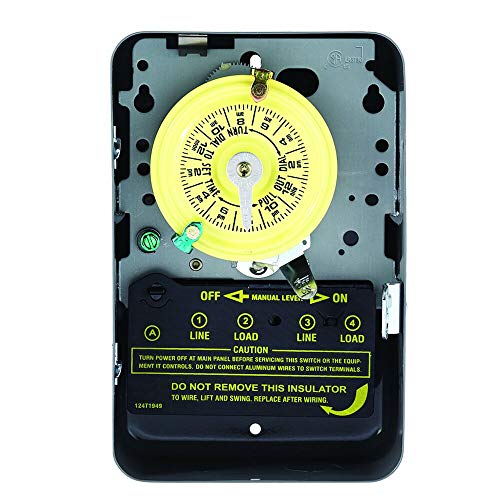
The classic pool timer is a heavy metal or plastic box mounted to a post or wall near your filter equipment. When you open the hinged door, you see a large circular face marked with numbers from 1 to 12 for day hours and 1 to 12 for night hours. Behind that face sits a small electric clock motor. This miniature motor draws a tiny, steady trickle of household power to turn an internal gear train at a slow, constant pace. That gear train spins the entire faceplate around exactly once every 24 hours.
To control when the pump turns on and off, mechanical timers use trippers (small metal pins or clips that flip the switch lever). These trippers screw directly onto the outer rim of the circular dial. One tripper is designed to turn power on, and a different tripper is designed to turn power off. In most standard setups, the ON tripper is silver or green, while the OFF tripper is gold, brass, or red. Each tripper has a small pointed tab that sticks outward from the edge of the spinning face.
Directly beneath or behind the spinning face sits a heavy-duty mechanical switch arm. As the dial makes its slow 24-hour rotation, the tripper clips move along with it. When the ON tripper reaches the switch arm, its metal tab physically collides with the lever. As the dial continues turning, the force of the gear motor pushes that lever sideways. This movement snaps two heavy copper contact plates together inside the switch mechanism, completing the electrical circuit and sending full power down the line to your pump motor.
The pump continues running for several hours as the dial keeps rotating through the day. The contact plates stay firmly pressed together until the OFF tripper arrives at the switch arm. Because the OFF tripper has a different shape or tab angle, it catches the lever from the opposite side and pushes it back to its original position. That mechanical shove pulls the copper plates apart, breaking the circuit and cutting power to the pump. This simple physical interaction repeats every single day without requiring any computer chips, batteries, or programming screens.
Digital Timers Use Electronic Relays to Direct Current
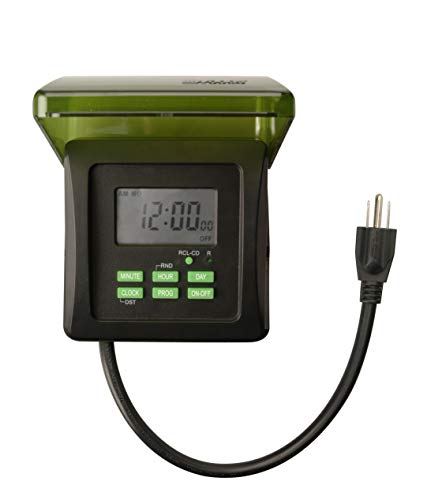
Digital pool timers carry out the same basic task as mechanical boxes, but they do it without spinning dials, clock gears, or metal pins. Instead of a motor turning a plate, a digital timer uses an internal electronic clock chip powered by line voltage and backed up by a small battery. When you program your schedule, you type your preferred run hours into a digital keypad with a backlit screen, much like setting an alarm on a microwave or thermostat.
Because there is no physical arm to push, digital timers control power using an internal relay (an electronic switch that opens or closes an electrical path). A relay contains a small electromagnetic coil positioned next to heavy electrical contact points. When the digital clock reaches your programmed start time, the control board sends a tiny low-voltage electrical signal to the coil. That charge magnetizes the coil, creating a magnetic field that physically pulls the heavy-duty pump contacts shut. When the scheduled run time ends, the board cuts current to the coil, the magnetic field drops, and a spring pulls the contacts apart to break the circuit.
Smart Wi-Fi pool timers use this same electronic relay design but add a wireless receiver that connects to your home internet router. Instead of walking over to the equipment pad to change your schedule, you adjust your pump hours through an app on your smartphone or tablet. The app sends instructions over your home network to the timer control board, updating the schedule stored in its onboard memory. This allows you to set multiple run windows per day, adjust run times based on local utility peak hours, or turn the pump on from inside your house before swimming.
Most permanent inground pool timers are hardwired (connected directly to household wiring inside a box without a wall plug). Above-ground pools and smaller portable systems often use plug-in digital timers instead. A plug-in timer plugs directly into a grounded outdoor wall socket, and the pump cord plugs into the base of the timer housing. While plug-in units handle lower electrical loads, they use the exact same relay principles as heavy hardwired boxes to automate your equipment.
Setting Your Run Schedule Follows Four Simple Steps
Setting or adjusting a mechanical pool timer is straightforward once you understand how the dial and pins interact. Before touching any controls, open the timer door and look closely at the center of the dial face. Follow these four steps to establish an accurate daily schedule for your equipment:
- Align the current time on the dial: Grasp the outer edges of the circular dial and pull it gently straight toward you. The dial will slide forward slightly on its center shaft, disengaging its gear teeth from the clock motor. While holding it out, rotate the dial until the exact current time of day lines up directly with the stationary pointer or arrow marked on the inner plate. Release the dial and verify that it drops back into place flush against the gears. Never twist the dial without pulling it out first, or you may strip the plastic gear teeth inside.
- Fasten the ON and OFF tripper clips: Decide when you want your pump to run. Most pools need between 8 and 12 hours of filtration each day during swimming season to stay clear and skim surface oils. Loosen the small brass thumbscrew on your ON tripper, slide the clip onto the rim of the dial at your chosen start hour, and tighten the screw firmly with your fingers or a small screwdriver. Next, slide the OFF tripper onto your desired shut-off hour and tighten its screw securely. Ensure both clips sit flat against the rim so they catch the switch arm cleanly.
- Verify the manual override lever safely: Locate the small metal or plastic toggle lever beneath the dial face. This manual lever allows you to turn the pump on or off right away without altering your daily schedule. Push the lever to flip the pump on when you need to backwash your filter, add chemicals, or vacuum out debris. The beauty of this mechanism is that the next scheduled tripper pin will simply catch the lever and return the system to your normal automated routine automatically.
- Confirm the switch cycle and check circulation: Watch the equipment during the next scheduled transition to confirm that the pin successfully flips the switch arm. Once the pump starts, walk over to your pool to verify that water is circulating briskly through your skimmer baskets and return jets. Good flow keeps sanitizers mixed and makes it much easier to skim debris or clear oils out of your pool before they coat your waterline tile.
Failed Dials Usually Suffer From Three Common Faults
When a pool timer stops operating properly, the problem almost always traces back to one of three mechanical or electrical issues. If your pump stays on constantly or fails to start in the morning, use this checklist to pinpoint the breakdown:
- Lost power to the internal clock motor: If the dial face is not turning and the time display remains frozen on the same hour, the small drive motor behind the plate is not spinning. Check your main breaker panel to verify that the circuit breaker powering the timer has not tripped. If the breaker is on and the pump runs when you flip the manual lever, the main circuit has power, but the tiny motor driving the clock mechanism has worn out and needs replacement. Look through the small inspection window on the timer plate to see if the internal brass gears are moving.
- Loose, bent, or missing tripper pins: Pool equipment pads experience continuous low-level vibrations from running motors and rushing water. Over several months, these vibrations can loosen the small thumbscrews holding your trippers in place. A loose tripper will slide out of position, throwing off your schedule, or tilt backward so its tab slips right over the switch arm without catching it. Inspect the dial rim to ensure both pins are tightened down flat and pointing straight outward.
- Stripped or jammed dial gears: Dirt, outdoor debris, spider webs, and small insects can creep inside the timer housing and jam the delicate gear teeth behind the dial. Gear damage also occurs when someone forces the round faceplate around clockwise or counterclockwise without pulling it forward to release the drive teeth. If you hear a faint clicking or grinding sound from the box while the dial stays still, the gear teeth are likely stripped, requiring a replacement clock mechanism.
High Voltage Enclosures Require Strict Outdoor Safety Precautions
Pool timers operate under demanding conditions, handling continuous electrical loads in humid, wet outdoor environments. Inground pool pumps typically run on 240-volt circuits, while smaller pumps and above-ground systems operate on 120-volt lines. Both voltage levels carry severe shock risks that require strict safety practices whenever you inspect or adjust your setup.
- Never remove the protective safety insulator plate: The hinged door of your timer box swings open to reveal the dial, but high-voltage wires are tucked behind a secondary metal or plastic dead-front plate. That protective plate shields you from bare wire lugs, terminal screws, and raw electrical contacts. Never unscrew or pull off that inner protective shield while the circuit has power.
- Keep your hands completely dry: Water and electricity form a lethal combination. Never touch the timer box, metal door, or manual override switch while standing in puddles, with wet hands, or while barefoot on damp concrete. Ensure your equipment pad has adequate drainage so rainwater drains away from the base of the equipment post.
- Use protected outdoor outlets for plug-in timers: If you use an external plug-in timer for an above-ground pool pump or filter motor, always connect it to an outdoor GFCI outlet (a protected ground-fault outlet with a weatherproof cover). The ground-fault circuit interrupter instantly cuts power if water enters the plug connection, protecting you from ground faults and electric shock. Keep the power connection mounted at least several feet above the ground so splashing water cannot reach it.
- Recognize when to call a licensed electrician: Setting trippers and rotating the dial face are routine tasks you can handle safely. However, you should stop immediately and call a certified professional if you notice scorch marks on the enclosure, smell burnt plastic, hear electrical buzzing inside the box, or notice that the breaker trips the second the timer switches on. Replacing damaged line wiring, installing a new hardwired timer box, or resolving voltage drops always requires a qualified electrician.
Selecting Replacement Boxes and Hardware Protects Your Pump
When parts of your timing system wear out, you do not always need to replace the entire outdoor setup. If your timer motor still hums and the dial turns accurately, you may simply need a fresh set of replacement tripper pins to restore your automated schedule. Before buying replacement pins, open your enclosure door and read the model number stamped on the metal faceplate. Tripper pins come in distinct shapes and thread sizes, and using clips designed for a different manufacturer or dial series will cause the tabs to miss the switch arm or jam the gear motor.
If the internal clock motor has failed completely, you can choose between replacing the mechanical clock assembly or upgrading to a new digital or smart Wi-Fi timer box. When choosing a replacement timer enclosure, your first priority is matching the electrical ratings of your pool pump motor. Check the data plate on the side of your pump to verify its voltage, horsepower, and operating amperage. Standard heavy-duty hardwired timer boxes are rated for specific voltage ranges, such as 120 volts or 208 to 277 volts, and can handle loads up to 40 amps.
You also need to check the enclosure style for your local environment. Outdoor pool equipment requires a heavy-gauge, weatherproof metal or UV-resistant plastic housing with a tight door gasket that locks out rain, lawn sprinklers, and pests. If you prefer simple, visible operation where you can see the pins push the switch with your own eyes, a classic mechanical box remains an excellent choice. If you want flexible multi-cycle schedules, minute-level precision, or remote phone control, look for a digital or smart outdoor controller rated specifically for heavy inductive pool pump loads.

- VC Score9.4
BCP Score is a ranking system developed by bestcleanerproducts.com. BCP Score has no relationship or impact from any manufacturers or sales agent websites. Learn more
- BrandIntermatic

- VC Score9.2
BCP Score is a ranking system developed by bestcleanerproducts.com. BCP Score has no relationship or impact from any manufacturers or sales agent websites. Learn more
- BrandBN-LINK
- VC Score9.2
BCP Score is a ranking system developed by bestcleanerproducts.com. BCP Score has no relationship or impact from any manufacturers or sales agent websites. Learn more
- BrandIntermatic

- VC Score9.2
BCP Score is a ranking system developed by bestcleanerproducts.com. BCP Score has no relationship or impact from any manufacturers or sales agent websites. Learn more
- BrandXimoon

- VC Score8.8
BCP Score is a ranking system developed by bestcleanerproducts.com. BCP Score has no relationship or impact from any manufacturers or sales agent websites. Learn more
- BrandNSI
- VC Score8.6
BCP Score is a ranking system developed by bestcleanerproducts.com. BCP Score has no relationship or impact from any manufacturers or sales agent websites. Learn more
- BrandNULL

- VC Score8.6
BCP Score is a ranking system developed by bestcleanerproducts.com. BCP Score has no relationship or impact from any manufacturers or sales agent websites. Learn more
- BrandDEWENWILS

- VC Score8.2
BCP Score is a ranking system developed by bestcleanerproducts.com. BCP Score has no relationship or impact from any manufacturers or sales agent websites. Learn more
- BrandOrtis

- VC Score8.0
BCP Score is a ranking system developed by bestcleanerproducts.com. BCP Score has no relationship or impact from any manufacturers or sales agent websites. Learn more
- BrandDEWENWILS
Last update on 2026-10-08 / Affiliate links / Images, Product Titles, and Product Highlights from Amazon Product Advertising API


How to Refinish a Fiberglass Pool

How Do You Keep Raccoons Out of Your Pool?

How to Fix Cyanuric Acid in Your Pool

How to Shape a Pool Cue Tip to Stop Miscues

12 Best Automatic Vacuum For Intex Above Ground Pool of 2026 To Keep Vinyl Floors Spotless

10 Best Automatic Pool Vacuum For Above Ground Pool of 2026 To End Manual Scrubbing

How Much Pool Clarifier Should You Use for Your Pool Size?

How Much Does a Pebble Tec Pool Cost to Build or Resurface?








