
How Do Pool Robots Work?

Step away from the skimmer box and leave the pool pump turned off. A robotic cleaner acts as a fully self-contained vacuum that works independently of your pool plumbing. An internal electric motor drives the wheels while a built-in water pump pulls debris straight into an onboard filter basket, scrubbing the surface with spinning brushes along the way.
How each machine handles daily chores depends on its specific setup. Power comes either through a sealed rechargeable battery or a floating cord connected to a low-voltage power supply box. Simpler models roll only across flat floors and reverse when they tap a wall, whereas more advanced units use rubber tracks and water thrust to climb walls and scrub the waterline using smart path mapping. Here is exactly how the motors, filters, and safety features work together under the surface.
Does a pool robot connect to your pool plumbing?
Traditional pool cleaners rely heavily on your existing pool machinery. A suction-side cleaner attaches directly to your skimmer or a dedicated suction port through long plastic hoses, forcing your main pool pump to work harder. A pressure-side cleaner connects to a water return jet, often requiring an extra booster pump to push water through a sweep hose. Both styles place wear on your pool equipment and fill your skimmer basket with leaves.
A robotic pool cleaner works in an entirely different way. It is a completely self-contained vacuum that has zero connection to your pool plumbing or filter pump. You never have to connect hoses, bleed air from pool pipes, or adjust valves at your equipment pad.
Inside the robot's sealed body sit three core parts: an electric drive motor (a small sealed motor that spins the tracks or wheels), an onboard water pump, and a built-in filter basket or collection canister. When the robot enters the water, it pulls in pool water from beneath its chassis, traps debris inside its own basket, and expels clean water out through the top. Your main pool pump can run on its normal schedule or stay completely turned off while the robot cleans.
Is it safe to put electric cords in pool water?
Dropping an electric machine into swimming pool water sounds scary at first. Most people learn early in life that electricity and standing water should never mix. Robotic pool cleaners are built to make this process safe through two layers of protection: low-voltage conversion and watertight motor chambers.
For corded cleaners, standard 120-volt household electricity never enters the swimming pool. You plug the cleaner's control box (also called a power supply unit) into an outdoor GFCI outlet on your patio. A GFCI outlet is a protected ground-fault outlet with a weatherproof cover that shuts power off in a fraction of a second if it detects any electrical leak. Inside the control box, a transformer (a power supply box that lowers household voltage) steps that 120-volt current down to roughly 24 volts of direct current.
A 24-volt current is very gentle. It carries about as much energy as a laptop charger or a low-voltage landscape light, meaning it cannot deliver a dangerous electric shock. The drive motor and pump motor are also encased in resin-sealed, waterproof plastic pods. Cordless robots remove the cord completely by running on a rechargeable lithium battery sealed inside a watertight internal chamber.
Even with these built-in safeguards, you should follow standard electrical safety rules. Always keep the power supply unit at least 10 feet back from the pool edge so it cannot be knocked into the water. Never use an ordinary indoor extension cord. Most importantly, never allow anyone to swim while any cleaner or power cord is inside the swimming pool.
How does the robot climb walls without falling off?
Watching a heavy plastic cleaner drive straight up a vertical wall and stay planted looks like a magic trick. The robot does not use sticky adhesives, and wet pool walls are far too slick for ordinary wheels to climb on their own. The real secret behind wall climbing is continuous water thrust.
Inside the cleaner, an electric motor spins an impeller (a spinning fan blade that pushes water to create suction) at very high speeds. This fan pulls water through the intake slots on the bottom of the machine and blasts it out through the top exhaust vent. When gallons of water rush out of the top, the push creates strong downward pressure against the pool surface. This force works just like a spoiler on a race car, pinning the machine firmly against the floor or wall.
As long as the fan blade keeps spinning, that water thrust holds the cleaner against vertical surfaces. While the water holds it in place, rubber tracks or drive wheels roll the robot upward. Front scrubbing brushes spin faster than the tracks, actively scrubbing away stubborn grime, silt, and algae from vinyl liner, fiberglass, concrete or gunite, and pebble aggregate surfaces.
When the machine reaches the waterline (the tile border where water meets the pool wall), it can scrub away greasy scum rings left behind by sunscreen and body oils. Some models use directional side vents to drift horizontally along the tile before gently backing down into the deep end.
Where does all the trapped dirt and leaves go?
Because the cleaner does not connect to your pool plumbing, every piece of debris stays locked inside the robot until you dump it out. Water enters through suction openings on the bottom plate, passes through an internal filter basket or collection canister, and exits out the top as clean water.
How a robot catches and holds dirt depends on several design details:
- Top-loading versus bottom-loading filters: Top-loading baskets lift straight out through a hinged door on top of the machine, making them easy to empty without a mess. Bottom-loading trays require you to turn the heavy, wet cleaner upside down on your deck to unlatch the filter plates.
- Filter mesh thickness: Coarse mesh screens catch big items like leaves, twigs, bugs, and acorns without slowing down water flow. Ultra-fine filter panels catch microscopic debris like pollen, silt, and fine sand. Filter accuracy is measured in microns (a unit for measuring tiny particles like pollen or silt), where lower numbers trap finer dust.
- Intake flaps: The bottom suction slots use flexible rubber flaps that open when suction pulls inward. When the cleaner shuts off, gravity and water pressure close these flaps tight so trapped leaves cannot drift back out into the pool.
- Canister capacity: Basket volume determines how many leaves the robot can hold before water flow drops. A larger basket lets the machine finish an entire cleaning cycle during leaf-heavy autumn seasons without needing to be emptied halfway through.
How does the cleaner know where to steer next?
Robotic pool vacuums find their way around your pool using one of two methods: mechanical bumper reversing or smart digital mapping.
Basic cleaners use bumper reversing. The machine rolls in a straight line until it bumps into a wall, a main drain cover, or a ladder. When it hits an obstacle, a mechanical switch or wheel sensor tells the drive motor to stop, reverse direction, and pivot on an angle. The robot rolls off in a new direction across the pool floor. Over a two-hour cycle, this crisscross pattern covers most of the pool through pure repetition. It works well in simple, rectangular pools, but it can miss tight corners or spend too much time in the deep end.
Advanced cleaners use smart path mapping. These units contain internal sensors, such as digital gyroscopes and processors, that track the cleaner's position in the water. The onboard computer measures the pool dimensions, detects walls, and calculates an efficient route. It guides the cleaner in neat, overlapping rows, like a lawnmower cutting grass, ensuring the floor, walls, and waterline get equal attention without skipping spots.
On corded models, smart steering works together with a swivel joint. A swivel joint is a free-spinning connector on the floating power cord that allows the cord to twist without tangling. As the cleaner turns around in the deep end, the swivel spins in place, preventing the floating cord from knotting up into a bird's nest.
How do you run a pool robot step by step?
Operating a robotic cleaner takes much less effort than assembling long vacuum hoses and manual poles. Here is the step-by-step cycle for everyday use:
- Set up the power unit: Place the control box on a dry, level spot at least 10 feet away from the water edge. Plug it into an outdoor GFCI outlet. If you use a cordless cleaner, verify that the battery is fully charged and that the charging port cap is sealed tight.
- Submerge the robot: Pick up the cleaner by its top carry handle and lower it into the pool. Gently rock the unit back and forth underwater so trapped air escapes from the casing. Once the air bubbles stop, let the robot sink smoothly to the pool floor.
- Start the cycle: Feed enough floating cord into the pool so the cleaner can reach the farthest wall without tugging. Push the start button on the power supply box, or switch on the cordless motor before dropping it in. The robot will pause for a brief moment to orient itself, then begin cleaning.
- Pull the cleaner up: When the cycle ends, pull gently on the floating cord until the robot floats near the pool edge. For cordless models, use a retrieval hook attached to your pool pole to grab the top handle. Never yank the power cord to lift the robot out of the water. Grasp the handle, lift the machine out, and hold it over the pool for a few seconds to let water drain out.
- Rinse the filter basket: Open the lid or bottom hatch, slide out the filter basket, and shake the leaves into your yard waste bin. Use a garden hose with a spray nozzle to blast away dirt, silt, and algae caught in the mesh. Slide the basket back into place and store the robot in a shaded area away from harsh sun.
What should you look for before choosing a robot?
When deciding which robotic cleaner fits your pool, focus on your pool size, your surface material, and the level of cleaning you need.
Start with pool size and shape. Measure your pool from the power outlet to the farthest corner. Corded models must have enough floating cable to reach every edge with slack to spare, whether for pools up to 33 feet or 50 feet long. If your pool deck has no outdoor GFCI outlet within reach, a cordless battery cleaner eliminates cords completely, though you will need to recharge the battery between runs.
Match the cleaner's drive system to your interior surface. Concrete, plaster, gunite, and pebble aggregate surfaces offer plenty of natural traction for standard rubber tracks and brushes. Slick fiberglass and smooth vinyl liners need softer climbing rings or high-grip rubber tracks so the cleaner does not slip when climbing vertical walls.
Decide whether you want floor-only cleaning or full wall and waterline scrubbing. Floor-only models handle sand and leaves on the bottom, while wall-climbing models keep the tile border clean. How well you take care of the machine also affects its life expectancy. You can read our guide on how long do pool robots last to see what to expect over several seasons. If your water level is running low, check our guide on how high do you fill a pool to protect the pump to make sure your skimmer and cleaner work under the right water conditions.

- VC Score9.0
BCP Score is a ranking system developed by bestcleanerproducts.com. BCP Score has no relationship or impact from any manufacturers or sales agent websites. Learn more
- BrandDolphin

- VC Score9.0
BCP Score is a ranking system developed by bestcleanerproducts.com. BCP Score has no relationship or impact from any manufacturers or sales agent websites. Learn more
- BrandULTICOR
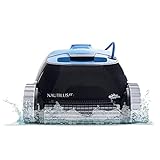
- VC Score8.8
BCP Score is a ranking system developed by bestcleanerproducts.com. BCP Score has no relationship or impact from any manufacturers or sales agent websites. Learn more
- BrandDolphin
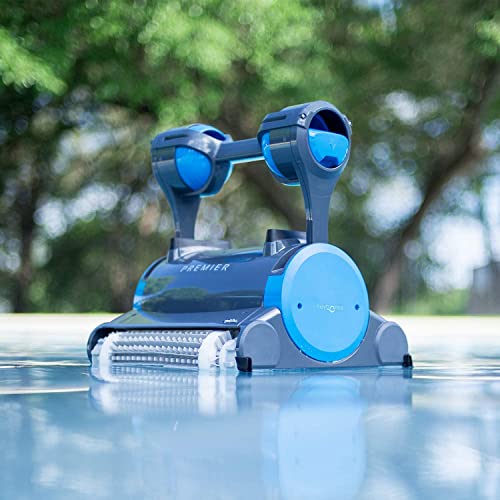
- VC Score8.8
BCP Score is a ranking system developed by bestcleanerproducts.com. BCP Score has no relationship or impact from any manufacturers or sales agent websites. Learn more
- BrandDolphin

- VC Score8.2
BCP Score is a ranking system developed by bestcleanerproducts.com. BCP Score has no relationship or impact from any manufacturers or sales agent websites. Learn more
- BrandWYBOT

- VC Score8.2
BCP Score is a ranking system developed by bestcleanerproducts.com. BCP Score has no relationship or impact from any manufacturers or sales agent websites. Learn more
- BrandWYBOT

- VC Score7.8
BCP Score is a ranking system developed by bestcleanerproducts.com. BCP Score has no relationship or impact from any manufacturers or sales agent websites. Learn more
- BrandPAXCESS

- VC Score7.8
BCP Score is a ranking system developed by bestcleanerproducts.com. BCP Score has no relationship or impact from any manufacturers or sales agent websites. Learn more
- BrandWYBOT

- VC Score7.4
BCP Score is a ranking system developed by bestcleanerproducts.com. BCP Score has no relationship or impact from any manufacturers or sales agent websites. Learn more
- BrandAIPER

- VC Score7.4
BCP Score is a ranking system developed by bestcleanerproducts.com. BCP Score has no relationship or impact from any manufacturers or sales agent websites. Learn more
- BrandPoolGuard

- VC Score7.0
BCP Score is a ranking system developed by bestcleanerproducts.com. BCP Score has no relationship or impact from any manufacturers or sales agent websites. Learn more
- BrandGrennix
Last update on 2026-10-08 / Affiliate links / Images, Product Titles, and Product Highlights from Amazon Product Advertising API
FAQs
Can you leave a pool robot in the water all week?
Leaving a robot submerged in pool water between cleanings can shorten its lifespan. Harsh pool chemicals, direct sunlight, and heat break down rubber tracks, plastic panels, and internal motor seals over time. Pull the cleaner out after its cleaning cycle finishes, rinse the filter, and keep the unit stored in a cool, shaded spot.
Do robotic pool cleaners work on steps and benches?
Most robotic pool cleaners do not clean shallow steps or narrow benches well. The water over top steps is usually too shallow, which causes the pump to suck in air and shut down to protect the motor. Cleaners also need flat space to turn, so wide benches might get a quick pass while narrow steps still require quick brushing with a manual pool brush.
Will a pool robot pick up algae and fine silt?
A robotic cleaner will pick up dead algae and fine silt if you use an ultra-fine filter basket. Standard coarse mesh panels let fine dust pass right through the basket and blow back out the top exhaust. For active green algae blooms, treat the pool with balancing chemicals and brush the walls manually first, because thick algae makes surfaces too slippery for robot tracks to climb.
Can you swim while the pool robot is running?
Never swim while a robotic pool cleaner is running in the water. Even though low-voltage systems and sealed batteries prevent electric shock, a floating power cord is an entanglement hazard for swimmers. Active swimmers also stir up water currents and kick up debris from the bottom, which throws off the robot's steering and reduces its cleaning effectiveness.


How to Refinish a Fiberglass Pool

How Do You Keep Raccoons Out of Your Pool?

How to Fix Cyanuric Acid in Your Pool

How to Shape a Pool Cue Tip to Stop Miscues

12 Best Automatic Vacuum For Intex Above Ground Pool of 2026 To Keep Vinyl Floors Spotless

10 Best Automatic Pool Vacuum For Above Ground Pool of 2026 To End Manual Scrubbing

How Much Pool Clarifier Should You Use for Your Pool Size?

How Much Does a Pebble Tec Pool Cost to Build or Resurface?


