
How Many Chlorine Tablets for an 8-Foot Pool?

Balancing the water in a small backyard pool is much simpler than it looks, so there is no need to stress over complicated chemistry. An eight-foot pool only needs one to two 1-inch chlorine tablets placed inside a small floating dispenser to stay clean and clear. Large three-inch pucks are built for massive inground basins and will quickly overload a small pool with harsh fumes.
The exact amount mostly shifts with pool depth and daily use. A shallow ring model holds roughly 600 gallons, while taller metal-frame walls hold closer to 1,000 gallons of water. Bright summer sunshine and frequent afternoon swims will also burn through sanitizer faster, requiring an extra tab on hot weekends. Here is how to dial in the floater so the water stays gentle on skin and safe for vinyl liners.
How Many Chlorine Tablets Does an 8-Foot Pool Need?
For an 8-foot round pool, you need one to two 1-inch chlorine tablets at a time. Never use more than two tablets in a pool of this size. Because an 8-foot pool holds a relatively small amount of water, adding too much sanitizer will quickly overwhelm the basin and make the water uncomfortable or unsafe for swimming.
The exact number of tablets depends primarily on your pool depth and daily sun exposure. Most 8-foot above-ground and quick-set pools have wall heights between 20 and 30 inches. At that height, your pool holds roughly 600 to 1,000 gallons of water. The total volume also shifts based on how high you fill a pool, but the safe chemical range stays the same.
If your pool holds closer to 600 gallons, start with a single 1-inch tablet. If your pool has taller 30-inch walls and holds near 1,000 gallons, two 1-inch tablets will provide steady sanitation. Start on the lower end with one tablet, let it dissolve inside a floating dispenser, and monitor your water numbers before deciding to add a second tablet.
Sunlight and swimmer activity also change how quickly the chemical depletes. Direct summer sunlight consumes sanitizer rapidly, while sweat, body oils, and sunscreen use up active cleaning chlorine within hours. If several kids splash around every afternoon under the hot sun, two tablets may be necessary to keep bacteria and algae away. If the pool stays covered between uses, a single tablet will often get the job done for the entire week.
Why Are One-Inch Tablets Better Than Three-Inch Tablets?
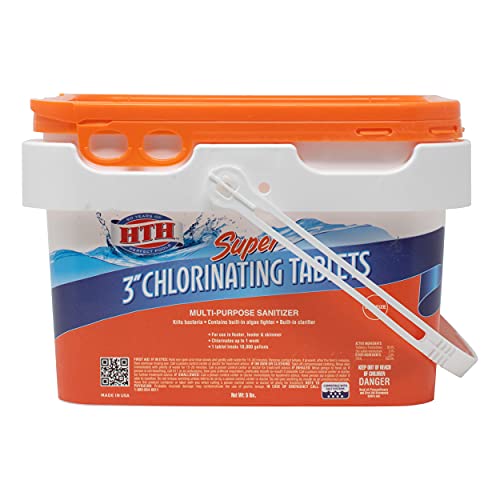
Standard 3-inch chlorine tablets are designed for large backyard pools that hold 10,000 to 20,000 gallons of water. A single 3-inch tablet weighs around 7 to 8 ounces. Dropping a full 3-inch puck into an 8-foot pool with only 800 gallons of water is like pouring an entire bottle of laundry detergent into one small sink basin.
When you put a 3-inch tablet into such a compact volume of water, the chlorine number on your dip strip will spike off the charts within 24 hours. Extremely high sanitizer concentrations irritate sensitive skin, trigger red, stinging eyes, and release harsh chemical fumes that can cause coughing around the water line. The excessive acidity can also break down the plastic fittings, pump seals, and thin vinyl walls found on smaller above-ground pools.
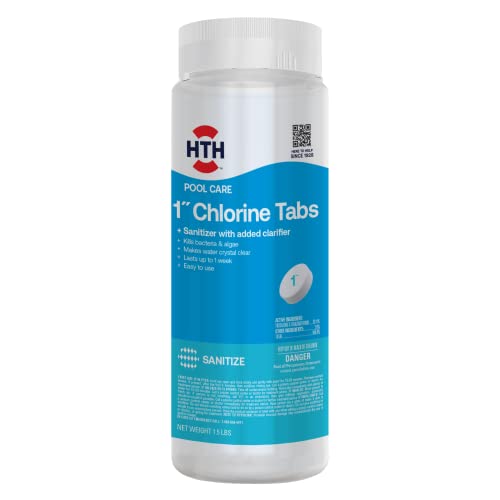
One-inch chlorine tablets weigh less than an ounce each, which gives you precise control over your water chemistry. Because they are smaller, they release sanitizer at a steady, manageable rate that matches the low volume of an 8-foot pool. You can easily add one tablet, check your water reading a couple of days later, and add a second tablet only if the sanitizer reading dips too low.
Smaller tablets also fit correctly inside mini chemical dispensers. Standard large floaters sit deep in the water and can easily drag along the bottom of a shallow 8-foot pool. A mini dispenser designed for 1-inch tablets sits high on the surface, drifts freely, and distributes the chemical evenly across the entire surface area without scraping your pool liner.
How Do You Set Up a Floating Chlorine Dispenser?
A floating plastic tablet basket is the safest and most effective tool for chlorinating an 8-foot pool. It keeps the dissolving chemical moving across the surface rather than letting it sit in one spot. Follow these steps to set up your dispenser safely:
- Put on protective gloves. Always slip on chemical-resistant gloves before opening your chlorine container. Chlorine pucks are highly concentrated and can irritate your bare hands or leave strong odors on your skin.
- Open the dispenser lid. Hold the base of the mini dispenser and twist the top lid counterclockwise to remove it. Inspect the inside to confirm no old residue or debris blocks the bottom vents.
- Insert one or two 1-inch tablets. Drop one or two tablets flat into the bottom chamber. Do not pack the chamber tightly, and do not attempt to force oversized tablets into a small compartment.
- Lock the cap securely. Align the lid with the locking grooves and twist it clockwise until it clicks firmly shut. A tight lock prevents curious children or pets from opening the dispenser if it drifts near the edge.
- Adjust the lower flow vents. Locate the rotating collar or sliding vent slits at the bottom of the dispenser. For an 8-foot pool, twist the collar so the vents are open just one small notch. Keeping the vents mostly closed prevents the tablets from eroding too quickly in a small water volume.
- Place the floater in the water. Gently set the dispenser into the pool and let it float. Check that it bobs upright without tipping over or catching on the ladder.
How Do You Check and Refill Tablets Each Week?
Managing pool chemicals in a small pool requires a consistent weekly routine. Because a low volume of water changes temperature and chemical balance quickly, staying on top of water checks prevents green algae outbreaks before they start. Use this quick maintenance checklist twice every week:
- Check the active cleaning chlorine reading. Dip a chemical indicator strip 12 to 18 inches below the surface for two seconds. Compare the color pad against the product chart to verify that your chlorine number sits between 1.0 and 3.0 parts per million.
- Measure the pH balance. Look at the pH color pad on your dip strip at the same time. The ideal level is between 7.2 and 7.6. If the water becomes too acidic from chlorine, it can sting the eyes and irritate the skin.
- Inspect the tablet size. Lift the floating basket out of the pool and look inside. If the pucks have eroded down to small, thin slivers the size of a coin, it is time to add a fresh 1-inch tablet.
- Remove the floater while swimming. Always lift the dispenser out of the water and set it upright inside a clean plastic bucket before anyone gets into the pool. Return the floater to the pool as soon as everyone is out.
- Top off the water level. Monitor how much water a pool loses each day to splashing and sun evaporation. Adding fresh hose water dilutes your existing chemicals, so check your sanitizer numbers again after refilling.
What Mistakes Can Bleach Liners or Irritate Skin?
The most damaging mistake you can make with an 8-foot pool is dropping chlorine tablets directly onto the pool floor. Chlorine tablets are dense, acidic pucks designed to dissolve slowly in moving water. If a tablet sinks to the floor, it sits in direct contact with the vinyl liner. Within just a few hours, the chemical bleaches the vibrant pattern into an ugly white circle, weakens the vinyl material, and causes brittle cracks that leak water.
Another dangerous habit is breaking or crushing 3-inch tablets with a hammer to make them fit into a small floater. Smashing dry chlorine tablets releases toxic chemical dust into the air, which can severely burn your eyes, throat, and lungs. Crushing the tablets also turns them into small fragments that dissolve almost instantly, causing a massive, uncontrolled chemical spike in your pool water.
Leaving the chemical floater in the pool while people are swimming is equally risky. Children often mistake floating dispensers for pool toys, grabbing them or splashing near them. If concentrated pool water from inside the dispenser splashes into a child's face, it causes immediate eye burning and skin redness. Always remove the floater before swimming sessions.
Overlooking the chemical sun shield, also known as stabilizer or cyanuric acid, can also cause major headaches. Direct summer sunlight can break down active chlorine in an unprotected pool in just two hours. When this happens, homeowners often assume they need more tablets, leading to rapid over-chlorination once the sun goes down. Using stabilized 1-inch tablets ensures the sanitizer resists sunlight breakdown throughout the day.
Finally, placing tablets directly into a small cartridge filter housing can damage your pool pump. While some large pool systems have built-in chemical feeders, the small plastic pumps used on 8-foot pools have thin impellers and delicate rubber gaskets. Highly concentrated chlorine moving straight from the filter basket through the pump motor degrades the internal seals and causes early pump failure.
What Tools Keep an Eight-Foot Pool Clean and Balanced?
Maintaining clear, comfortable water in an 8-foot pool does not require commercial gear, but using the right small-scale tools makes daily care simple. A mini floating tablet dispenser with adjustable flow vents is essential. Look for a dispenser made from UV-resistant plastic that resists fading and cracking under summer heat, paired with a secure twist-lock lid that prevents accidental spills.
Pair your floater with 1-inch chlorinating tablets that contain built-in sunlight protection. Buying tablets in 1.5-pound or 5-pound containers provides plenty of sanitizer to last through a typical summer season without taking up bulky storage space in your shed or garage.
A basic water check kit with multi-factor dip strips helps you monitor sanitizer and pH levels in seconds. For physical dirt, consider a lightweight handheld vacuum or a manual siphon brush designed specifically for above-ground setups. Small suction brushes capture sunken dirt, sand, and grass clippings from the vinyl floor without draining your water volume, helping your chlorine work more effectively all season long.
- VC Score9.4
BCP Score is a ranking system developed by bestcleanerproducts.com. BCP Score has no relationship or impact from any manufacturers or sales agent websites. Learn more
- BrandHTH

- VC Score9.4
BCP Score is a ranking system developed by bestcleanerproducts.com. BCP Score has no relationship or impact from any manufacturers or sales agent websites. Learn more
- BrandClorox

- VC Score9.4
BCP Score is a ranking system developed by bestcleanerproducts.com. BCP Score has no relationship or impact from any manufacturers or sales agent websites. Learn more
- BrandHTH

- VC Score9.4
BCP Score is a ranking system developed by bestcleanerproducts.com. BCP Score has no relationship or impact from any manufacturers or sales agent websites. Learn more
- BrandDoli Yearning

ATIE Inflatable/Above-Ground Pool Floating Mini 1" Chlorine/Bromine Tablet Dispenser for
View on Amazon- VC Score9.0
BCP Score is a ranking system developed by bestcleanerproducts.com. BCP Score has no relationship or impact from any manufacturers or sales agent websites. Learn more
- BrandATIE
- VC Score9.0
BCP Score is a ranking system developed by bestcleanerproducts.com. BCP Score has no relationship or impact from any manufacturers or sales agent websites. Learn more
- BrandHTH

- VC Score9.0
BCP Score is a ranking system developed by bestcleanerproducts.com. BCP Score has no relationship or impact from any manufacturers or sales agent websites. Learn more
- BrandClorox

- VC Score8.8
BCP Score is a ranking system developed by bestcleanerproducts.com. BCP Score has no relationship or impact from any manufacturers or sales agent websites. Learn more
- BrandSwimline

- VC Score8.8
BCP Score is a ranking system developed by bestcleanerproducts.com. BCP Score has no relationship or impact from any manufacturers or sales agent websites. Learn more
- BrandWWD POOL

- VC Score8.8
BCP Score is a ranking system developed by bestcleanerproducts.com. BCP Score has no relationship or impact from any manufacturers or sales agent websites. Learn more
- BrandWWD POOL

- VC Score7.6
BCP Score is a ranking system developed by bestcleanerproducts.com. BCP Score has no relationship or impact from any manufacturers or sales agent websites. Learn more
- BrandClorox
Last update on 2026-10-08 / Affiliate links / Images, Product Titles, and Product Highlights from Amazon Product Advertising API
FAQs
Can I Break a Large Tablet in Half Instead?
No, you should never break or cut a 3-inch chlorine tablet. Smashing or cutting tablets produces hazardous airborne dust that can irritate your eyes and respiratory system. The broken chunks also dissolve too quickly, dumping excessive chlorine into your small pool all at once.
How Long Should I Wait to Swim After Adding Chlorine?
You can usually swim right away if you maintain a steady baseline using a floating dispenser set to a low vent level. However, if you add fresh tablets to clear up cloudy water or after a heavy storm, check your water first. Confirm that the chlorine number on your dip strip reads between 1.0 and 3.0 parts per million before anyone jumps in.
What Should I Do If the Chlorine Level Gets Too High?
If your dip strip indicates chlorine levels above 4.0 or 5.0 parts per million, take the floating dispenser out of the pool immediately. Remove the pool cover and let direct sunlight hit the water, which naturally breaks down active chlorine over several hours. In severe cases, drain a few inches of water and refill the pool with fresh tap water to dilute the chemical concentration.
Does Direct Sunlight Make Chlorine Disappear Faster?
Yes, ultraviolet rays from direct sunlight quickly break down unstabilized chlorine in outdoor pools. Using stabilized 1-inch chlorine pucks creates a chemical sun shield that protects the sanitizer from burning off during peak afternoon heat. Keeping a solar cover over the pool when it is not in use also helps preserve your sanitizer levels.


How to Refinish a Fiberglass Pool

How Do You Keep Raccoons Out of Your Pool?

How to Fix Cyanuric Acid in Your Pool

How to Shape a Pool Cue Tip to Stop Miscues

12 Best Automatic Vacuum For Intex Above Ground Pool of 2026 To Keep Vinyl Floors Spotless

10 Best Automatic Pool Vacuum For Above Ground Pool of 2026 To End Manual Scrubbing

How Much Pool Clarifier Should You Use for Your Pool Size?

How Much Does a Pebble Tec Pool Cost to Build or Resurface?


