
How Does a Sand Pool Filter Work?

A homeowner walks out to the patio on a sunny morning, notices hazy pool water, and wonders what that big rounded tank beside the pump actually does. Inside the tank, the system cleans pool water by pushing it down through special sand, trapping dirt between the sharp grains before sending clean water out the bottom. It works like a fine kitchen strainer, holding onto floating debris so only clear water flows back into the swimming pool.
How smoothly this process runs depends on the control handle on top of the tank, how much gunk has packed into the sand bed, and the number showing on the pressure dial. When trapped dirt clogs the grains, pressure rises and the pump struggles to move water. Here is a simple look at how the sand catches debris, what each valve setting means, and how to keep the water sparkling.
The Short Version
- Your pool pump pushes cloudy water into the top of a sealed tank filled with special rough sand.
- As water trickles down through the packed sand bed, jagged sand grains trap dirt, dust, and debris while clean water passes through.
- Slotted plastic fingers at the bottom of the tank catch the clean water and route it back through the return jets into your pool.
- When trapped dirt clogs the sand and raises tank pressure, turning the control handle reverses the water flow to flush the dirt out through a waste line.
How Water Flows Through the Sand Tank
A sand pool filter acts like a giant, heavy-duty strainer for your swimming pool. The process starts at your pool skimmer and main drain. The pool pump pulls water out of the pool, catches large leaves in its strainer basket, and pushes the cloudy water directly into the filter tank under steady pressure.
Water enters through the control handle on top of the tank (known as the multiport valve). An internal spreader, called a diffuser, scatters the incoming water evenly across the top surface of the sand. Instead of blasting a hole straight down into the sand bed, the water spreads out like rain, gently soaking the entire top layer.
Gravity and pump pressure push the water down through several hundred pounds of pool-grade sand. New pool sand is not like soft beach sand. It is crushed silica with rough, jagged edges. Think of it like pouring muddy water through a deep bucket of crushed gravel. As water snakes through the microscopic gaps between the sand grains, the sharp edges snag dirt particles, algae spores, sunscreen residue, and tiny bits of windblown dust.
By the time the water reaches the bottom of the tank, the debris is left behind in the sand. At the base of the tank sits an assembly of laterals (slotted plastic fingers at the tank bottom). These plastic tubes look like the spokes of a wheel. They have microscopic slits cut into them that are wide enough for water to slip through, but narrow enough to block the sand grains. Clean water enters these plastic fingers, flows into a central upright pipe, travels back up through the valve, and returns to your pool clear and clean.
As the sand collects more dirt over several weeks, the spaces between the sand grains get tighter. Trapped dirt actually helps catch even smaller particles for a short period. But eventually, the sand becomes so packed with muck that water struggles to push through. That extra resistance builds pressure inside the tank, signaling that it is time for a cleaning cycle.
What Each Valve Setting Actually Does
The control handle on top of the tank directs the flow of water inside the system. Most tanks feature six distinct positions. Before you ever touch this handle, remember one critical safety rule: always turn off the pool pump motor before pushing the handle down or turning it. Shifting the handle while the pump runs will tear the rubber spider gasket inside the valve, causing water leaks and sending dirty water straight back into your pool.
- Filter: This is your normal, everyday operating mode. Water enters the top of the tank, travels downward through the sand bed, passes into the bottom laterals, and heads straight back to the pool return jets. You will leave the valve in this position for roughly 95 percent of the pool season.
- Backwash: This mode cleans the dirty sand bed. It completely reverses the direction of the water inside the tank. Water travels down the center pipe, shoots out of the bottom laterals, and pushes upward through the sand. This upward surge lifts and fluffs the sand bed, dislodging trapped gunk and flushing it out of the waste port instead of back to your pool.
- Rinse: You must always run this setting for 30 to 60 seconds immediately after backwashing. When you backwash, the sand bed lifts and gets stirred up. Rinse sends water downward through the sand just like normal filtering, but dumps that initial surge of water out the waste pipe. This repacks the sand bed and cleans any leftover debris out of the pipes so dirty grit does not blast into your pool when you return to Filter mode.
- Waste (or Drain): This setting bypasses the sand bed entirely. Water goes straight from the pump into the valve and out through the drain hose. Use Waste to vacuum heavy spring muck, dead algae after a chemical shock treatment, or excess rain out of the pool. If you ever need to lower your water level significantly or wonder how often you should drain your pool, the Waste setting dumps water quickly without loading your sand bed with mud.
- Recirculate: This mode moves water from the pump straight back to the pool without touching the sand bed. It is helpful when you want to mix pool chemicals quickly, keep water moving while waiting for filter replacement parts, or isolate a tank leak during equipment checks.
- Closed: This position shuts off all water pathways inside the valve. Use this setting only when opening the pump basket to clean out leaves while the equipment sits below pool water level. Never turn the pump on while the valve is set to Closed, or the sudden pressure spike can crack your plumbing or blow the filter lid off.
How to Backwash and Clean a Dirty Sand Bed
You cannot look inside the solid fiberglass or plastic tank to see when the sand is dirty. Instead, you read the pressure gauge (the small dial showing water pressure inside the tank). When your sand is fresh and clean, take note of the reading on the dial. For most residential pools, this clean starting pressure sits between 10 and 15 pounds per square inch (psi). When the needle climbs 8 to 10 psi above that starting mark, the packed dirt is choking the flow, and you need to backwash.
- Turn off the pump: Flip the power switch off at the breaker or pump timer. Verify that the motor has stopped spinning completely before you touch the valve handle.
- Check the waste line: Unroll your flat backwash hose across the lawn, or confirm that your rigid drain pipe discharge point is clear of obstructions.
- Set the valve to Backwash: Press down firmly on the control handle, rotate it until the pointer locks securely into the Backwash notch, and release the handle.
- Turn the pump back on: Switch on the motor. Water will rush out the waste line. Look at the sight glass (a small, clear plastic vial mounted on the side of the valve). The churning water inside the glass will initially look murky, brown, or gray.
- Run for two minutes: Let the pump run until the water flowing through the sight glass runs completely clear. This usually takes between 90 seconds and three minutes depending on how dirty the pool was.
- Shut off the pump: Flip the pump off again and wait for the water pressure to settle.
- Switch to Rinse: Push down the handle and rotate it into the Rinse position.
- Run the rinse cycle: Turn the pump back on and let it run for roughly 30 to 60 seconds. This resettles the sand bed so it sits flat and firm.
- Return to Filter mode: Turn the pump off. Rotate the control handle back to the standard Filter position. Turn the pump back on.
- Confirm the dial pressure: Check the pressure gauge on the tank. The needle should be back down to your original clean starting baseline. Unlike other filter styles where you might wonder how often to clean your DE pool filter, a sand system lets you finish the entire cleaning chore in under five minutes without taking the tank apart.
Why Sand Shows Up on the Pool Floor
Finding small mounds of gritty sand resting directly beneath your pool return jets is a common frustration. A properly working sand filter should never spit sand into the pool water. If sand begins collecting on your pool floor, work through this checklist to find the cause:
- Broken laterals at the tank base: The slotted plastic fingers at the bottom of the tank become brittle over years of chemical exposure. If one of these fingers cracks, sand slips directly through the break, travels into the return pipe, and blows straight onto the pool floor. Fixing this requires emptying all the sand from the tank and replacing the cracked lateral.
- Cracked center standpipe: The vertical pipe that connects the bottom laterals to the top valve can crack from age, water hammer shocks, or rough handling during a previous sand change. A crack along this pipe allows sand to bypass the bottom fingers entirely.
- Damaged valve spider gasket: The wagon-wheel rubber gasket inside the control handle keeps filtered water separate from waste and return lines. If this rubber seal dries out, tears, or unseats, sand and dirty water leak straight across the internal channels and back into your pool.
- Skipping the rinse step: When you backwash, sand grains churn into the upper plumbing. If you switch immediately from Backwash to Filter without running the Rinse cycle first, that loose floating sand blasts directly out of your return jets and settles on the vinyl liner or plaster floor.
- Too much sand in the tank: When refilling a sand filter, leaving empty space (freeboard) at the top of the tank is mandatory. If you fill the tank past the manufacturer level mark, the sand sits too close to the top diffuser and washes over the pipes during backwashing.
When to Replace the Sand in Your Filter
Pool sand does not last forever, but it is one of the most durable filter materials you can own. Under typical swimming conditions, standard pool filter sand lasts between three and five years. Over those years of continuous circulation, several things break the sand down.
First, water friction acts like a rock tumbler. Millions of gallons of moving water gradually wear down the sharp, rough corners of the silica grains. After four or five seasons, the jagged edges become round and smooth, much like beach pebbles. Smooth sand grains cannot trap fine silt or algae spores. You will notice that your water looks slightly dull or hazy, even when your sanitizer and water chemistry balance are right on target.
Second, the sand bed can develop deep ruts, known as channeling. Body oils, sweat, suntan lotions, and hard water minerals combine over time to cement sections of the sand into rock-hard clumps. When that happens, incoming water takes the path of least resistance. It carves deep channels right through the hardened sand bed. Water pours straight through these open cracks without being filtered at all, leaving your pool cloudy no matter how long the pump runs.
If your pressure gauge stays unusually high even right after a long backwash, or if your water refuses to clear up despite proper chemical levels, your sand bed is likely clumped or worn out. Emptying the old sand, checking the bottom plastic laterals for cracks, and refilling the tank with fresh media will restore your water clarity.
Filter Media and Maintenance Upgrades to Consider
Keeping an existing sand filter running smoothly does not require buying an entirely new filtration system. Simple component refreshes and media updates can significantly improve circulation and ease your weekly maintenance routine.
When your filter sand wears out, you can refill the tank with fresh pool-grade silica sand, or you can switch to synthetic alternatives like lightweight polyester filter media balls. These dense fiber balls weigh only a fraction of traditional 50-pound sand bags, making tank filling and future servicing far easier on your back. They trap very fine suspended particles without packing into hard clumps, which cuts down on how frequently you need to run backwash cycles.
Another common point of failure on older filters is the valve faceplate. Sunlight, rain, and chlorine fumes eventually fade the position stickers on top of the control handle. When the labels wear off, pool owners end up guessing which notch is Backwash and which is Filter, leading to accidental spills or blown gaskets. Installing a fresh, weatherproof replacement label restores clear markings so you never turn the handle to the wrong mode by mistake.
Before purchasing replacement sand or alternative media, always check the label on your tank body to confirm your filter diameter and capacity requirements. A standard 14-inch tank usually holds around 50 to 60 pounds of sand, while larger residential tanks can require several hundred pounds. Pairing the right volume of media with an appropriately sized circulation pump keeps water moving through the bed at the right speed. If you are also dealing with an aging motor that struggles to push water through the tank, checking how much a pool pump and installation costs will help you decide whether your circulation issues stem from the filter bed or an underpowered pump.

- VC Score9.6
BCP Score is a ranking system developed by bestcleanerproducts.com. BCP Score has no relationship or impact from any manufacturers or sales agent websites. Learn more
- BrandPentair

- VC Score9.4
BCP Score is a ranking system developed by bestcleanerproducts.com. BCP Score has no relationship or impact from any manufacturers or sales agent websites. Learn more
- BrandU.S. Silica

- VC Score9.2
BCP Score is a ranking system developed by bestcleanerproducts.com. BCP Score has no relationship or impact from any manufacturers or sales agent websites. Learn more
- BrandIntex

- VC Score8.6
BCP Score is a ranking system developed by bestcleanerproducts.com. BCP Score has no relationship or impact from any manufacturers or sales agent websites. Learn more
- BrandSwimline
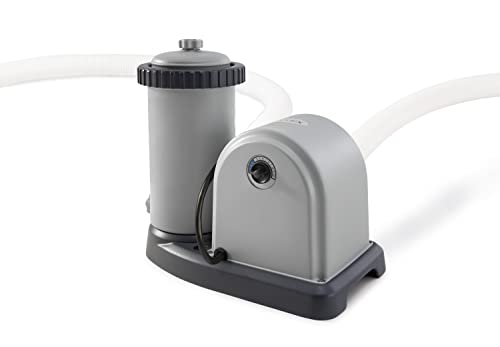
- VC Score8.6
BCP Score is a ranking system developed by bestcleanerproducts.com. BCP Score has no relationship or impact from any manufacturers or sales agent websites. Learn more
- BrandIntex

- VC Score8.4
BCP Score is a ranking system developed by bestcleanerproducts.com. BCP Score has no relationship or impact from any manufacturers or sales agent websites. Learn more
- BrandMoritakk
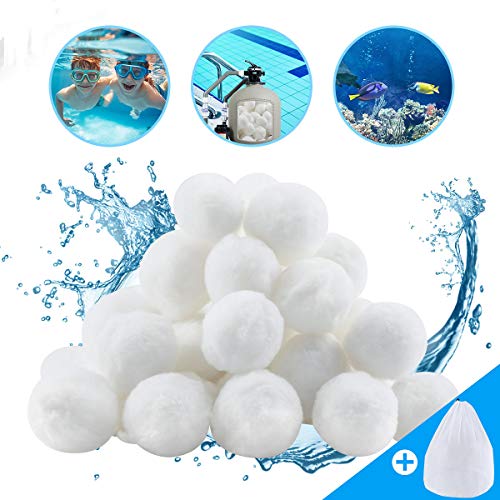
- VC Score8.4
BCP Score is a ranking system developed by bestcleanerproducts.com. BCP Score has no relationship or impact from any manufacturers or sales agent websites. Learn more
- BrandAitsite
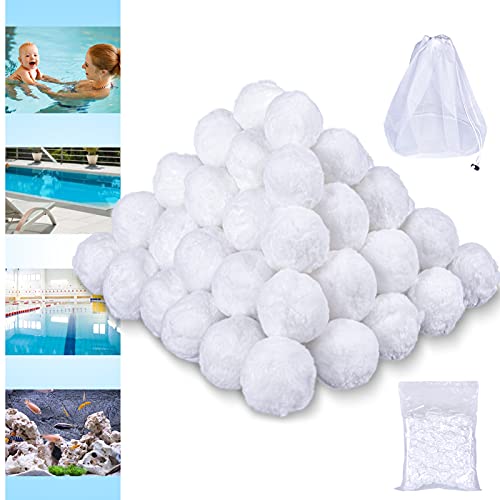
- VC Score8.0
BCP Score is a ranking system developed by bestcleanerproducts.com. BCP Score has no relationship or impact from any manufacturers or sales agent websites. Learn more
- BrandVAZILLIO

- VC Score7.8
BCP Score is a ranking system developed by bestcleanerproducts.com. BCP Score has no relationship or impact from any manufacturers or sales agent websites. Learn more
- BrandGeneric

- VC Score7.8
BCP Score is a ranking system developed by bestcleanerproducts.com. BCP Score has no relationship or impact from any manufacturers or sales agent websites. Learn more
- BrandBestway

- VC Score7.8
BCP Score is a ranking system developed by bestcleanerproducts.com. BCP Score has no relationship or impact from any manufacturers or sales agent websites. Learn more
- BrandSXEIAV
Last update on 2026-10-08 / Affiliate links / Images, Product Titles, and Product Highlights from Amazon Product Advertising API
FAQs
How long should I run my sand filter each day?
Most residential swimming pools need their pump and sand filter running between 8 and 12 hours every day during the swimming season. The goal is to turn over all the water in the pool at least once daily so suspended dirt and debris are removed before algae can take hold. In hot midsummer weather or after heavy pool use, running the system 10 to 12 hours ensures proper clarity.
Can I vacuum my pool directly through the sand filter?
Yes, for normal weekly maintenance you can vacuum ordinary dirt and debris directly through the sand filter while it is set to Filter mode. But if you are cleaning up a severe algae bloom or heavy springtime debris from the pool floor, set the control handle to Waste instead. Vacuuming heavy muck to Waste bypasses the sand bed and sends the dirt out of the pool, preventing your sand from getting completely clogged.
What is a normal pressure reading on a pool sand filter?
A normal operating pressure reading typically sits between 10 and 15 psi, but the exact number depends on your pool size, pipe layout, and pump horsepower. The important figure to watch is your clean baseline pressure, which is whatever the dial reads immediately after you put in fresh sand or finish backwashing. Whenever the dial climbs 8 to 10 psi above your clean starting point, the filter needs to be backwashed.
Can a sand filter catch live algae?
Standard pool filter sand catches particles down to roughly 20 to 40 microns in size, which means single free-floating algae cells can sometimes slip right through the sand grains. To clear an algae outbreak, you must shock the pool water with sanitizer first to kill the algae. Once the algae dies and clumps together, the sand bed can easily catch the dead particles, especially if you add a pool clarifier to help the debris bind together.


How to Refinish a Fiberglass Pool

How Do You Keep Raccoons Out of Your Pool?

How to Fix Cyanuric Acid in Your Pool

How to Shape a Pool Cue Tip to Stop Miscues

12 Best Automatic Vacuum For Intex Above Ground Pool of 2026 To Keep Vinyl Floors Spotless

10 Best Automatic Pool Vacuum For Above Ground Pool of 2026 To End Manual Scrubbing

How Much Pool Clarifier Should You Use for Your Pool Size?

How Much Does a Pebble Tec Pool Cost to Build or Resurface?








