
How to Keep Birds Out of Your Pool

Start by disturbing the water surface with return jets or bright pool floats. Birds look for flat, quiet water to land or bathe, so steady ripples make the pool look unsafe to them. Hanging reflective tape or scare balloons along the deck also breaks up their sightlines and frightens them away before they ever touch down.
The exact fix depends on what kind of feathered guests keep dropping by. Small songbirds visiting the stone edge to sip water need different deterrents than a pair of ducks paddling in the deep end. Keeping them away long term also comes down to how often you cover the water, run your equipment, and shift plastic decoys around so birds never get comfortable. Here is how to reclaim your clean water without harming the wildlife.
Why Birds Target Your Swimming Pool
Birds look at your backyard pool from high in the sky and see an open oasis. Natural ponds and streams often hide predators in the brush, but a swimming pool gives birds a clear view in every direction. They can spot approaching cats or dogs from far away, which makes the calm water look like a safe haven to drink, bathe, and rest.
Your pool also provides easy perches. The coping (the flat stone or concrete edge around the pool) gives birds an ideal spot to land, dip their beaks, and watch for insects skimming across the surface. If bird visits or outdoor weather cause cracks along that perimeter, addressing issues early by repairing damaged pool coping keeps the edge smooth and prevents loose stones from shifting underfoot.
The problem is that birds leave behind feathers, dirt, and droppings. Bird waste carries harmful bacteria like salmonella and introduces high levels of nitrogen and phosphorus directly into your water. Those compounds quickly burn through your free chlorine, leaving the pool vulnerable to algae blooms. Droppings can also bake onto concrete, vinyl liners, or pebble surfaces under the hot sun, causing stubborn stains that take serious scrubbing to lift.
Small songbirds usually visit in the morning to sip water from the steps, while larger birds like pigeons and grackles might gather on nearby fence posts. Understanding that birds treat your pool as a watering hole with good sightlines makes it easier to stop them. If you take away their calm landing zones and make the area feel unpredictable, they will quickly move on to natural water sources elsewhere.
Quick Visual and Motion Deterrents to Scare Birds Away
You do not need complicated equipment or harsh chemicals to start clearing birds off your pool deck. Visual deterrents use bright sunlight, sudden reflections, and gentle breezes to make birds think a predator or an unstable hazard is lurking nearby. Here is how to set up the most effective tools around your pool right now.
- Hang double-sided reflective flash tape along open perches. Cut ribbons of reflective tape between three and five feet long and tie them to patio posts, fence rails, or nearby tree branches. As the wind catches the tape, it twists and flashes sunlight across the yard while making a light crinkling noise. That sudden flash of light disorients birds in mid-flight and convinces them that the area is unsafe for landing.
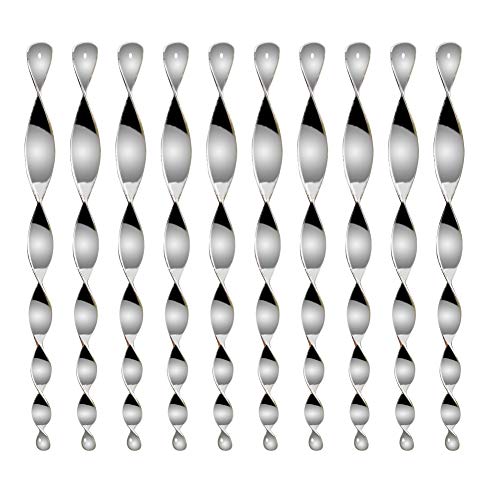
- Mount reflective spiral rods or shiny pinwheels around sunny borders. Birds love perching on sunny railings and flat pool walls. Sticking reflective spiral rods or spinning pinwheels into flower beds, planters, or fence brackets breaks up their favorite spots. The twisting spirals bounce light at multiple angles, preventing birds from settling on the edge.
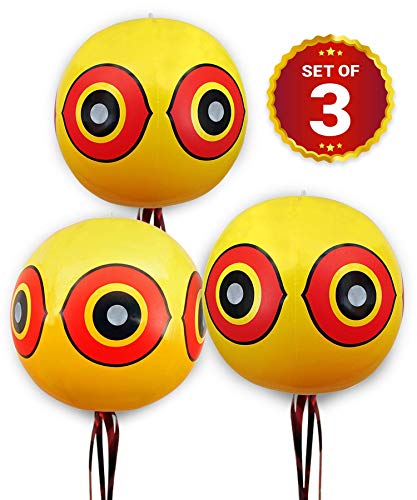
- Float scare-eye predator balloons directly on the water. These bright balloons feature large, holographic predator eyes printed on tough, tear-resistant vinyl. Floating two or three of these balloons right on the pool surface breaks up the smooth water. As breezes push the balloons across the pool, the roving predator eyes convince birds that a dangerous animal is hunting in the water.
- Create surface agitation across the pool. Surface agitation (moving the pool water so it is not still) removes the glass-like mirror effect that birds search for from above. Point your return jets upward toward the water surface, turn on decorative fountain features, or run a floating sprinkler. Birds hate choppy water because they cannot see the bottom, making them avoid landing altogether.
Using two or three of these visual tools together works much better than relying on just one. A combination of flashing ribbons on the fence and bobbing scare balloons on the water creates an active, unpredictable yard that birds will happily bypass.
Using Decoys and Handling Waterfowl
Plastic owls, hawks, and snakes are among the most common bird deterrents sold, but many pool owners find that birds eventually sit right on top of them. This happens because of habituation (birds getting used to a fake threat). Birds are remarkably observant. If a plastic owl stays glued to the exact same fence post for three weeks without blinking or moving, local birds quickly realize the statue poses zero danger.
To make predator decoys work effectively, you have to treat them like living creatures. Use this simple checklist to keep your decoys convincing throughout the swimming season:
- Move the decoy to a new spot every two or three days, shifting between fence rails, patio roofs, and garden stakes.
- Choose decoys with wind-activated bobble heads or solar-powered glowing eyes so they display subtle movement or night activity.
- Secure the decoy base firmly with screws or sandbags so strong gusts of wind do not blow it over and ruin the illusion.
- Store the decoys in a shed or garage for one week every month so birds do not get accustomed to their presence.
- Pair the decoy with motion ribbons or floating items to add extra movement to the yard.
While plastic owls and reflective tape work well for small songbirds and pigeons, waterfowl like ducks and Canadian geese present a different challenge. Songbirds perch on the coping to drink, but ducks land directly in the center of the deep end and paddle around for hours. Geese and ducks need a long, open strip of calm water to glide in for a landing, much like an airplane runway.
To deter ducks, clutter their flight path. Toss large, bright pool floats, inflatable loungers, or floating noodles into the pool when you are not swimming. Ducks looking down will see a crowded, obstructed surface and keep flying toward open ponds. If persistent waterfowl keep returning during their spring migration, installing a solar pool cover provides a complete physical barrier that shuts off water access entirely. Just like protecting your water by keeping frogs out of your pool, physical barriers save you from having to skim wildlife out of the skimmer baskets every morning.
If birds have already messed in your pool, you must sanitize the water properly before anyone swims. Start by using a leaf net to remove all feathers, nesting twigs, and droppings from the water and bottom floor. Next, use a stiff pool brush to scrub down the waterline tiles, ladder steps, and coping stones where waste may have dried. Finally, shock the pool (adding an extra dose of chlorine to kill bacteria) by raising free chlorine levels to eliminate any parasites or bacteria introduced by the birds. Run your circulation pump for at least eight to twelve hours, then check the water chemistry using reliable check strips to confirm that chlorine levels have settled back into the safe swimming range of 1 to 3 parts per million.
How Automated Pool Cleaners Help Keep Birds Away
Keeping birds away from a swimming pool requires consistent movement and dependable cleanup. This is where an automated pool cleaner acts as an unexpected ally in your bird prevention routine. While a cleaner is designed to pull dirt and leaves off the floor, its constant movement beneath the surface disrupts the still water that attracts thirsty birds, while quickly removing organic waste before it harms your water balance.
Understanding which style of cleaner fits your pool helps you solve both water movement and bird debris cleanup:
A robotic cleaner is a self-powered unit with its own internal debris basket that runs on low-voltage electricity independently from your pool pump. Because robotic cleaners can run on automated timers every morning, they introduce active movement right during peak bird foraging hours. Their internal filter canisters catch fine seed hulls, dropped insects, and feather fragments before those organic materials can rot, feed algae, or clog your skimmer line.
A suction-side cleaner attaches to your pool skimmer or dedicated vacuum port and uses your pool pump's suction to move along the floor. These units are simple and reliable for pools that collect light debris. They steadily vacuum fallen feathers across flat plaster or vinyl surfaces, though they generally do not disturb the water surface as vigorously as other models.
A pressure-side cleaner connects to the water return jet, often using an extra booster pump, and catches debris in its own sweep bag. Many pressure-side models feature a sweeping tail hose that whips through the water behind the unit. This sweep hose creates noticeable surface agitation and splashes near the waterline, making the pool look chaotic and uninviting to birds flying overhead.
When selecting a cleaner to manage bird-prone pools, verify that the filter basket or collection bag has a fine enough mesh to trap small feathers and bird seed hulls without letting them blow back out the exhaust. Confirm that the drive tracks or wheels match your pool interior: slick fiberglass and smooth tile borders need softer climbing rings or specialized tracks, while rough concrete, gunite, or pebble aggregate surfaces require rugged rubber treads. Always ensure power cords and hoses easily reach from your shallow end to the furthest corner of the deep end.
Electrical safety is essential when operating automatic equipment around water. Always plug your cleaner into an outdoor GFCI outlet (a protected ground-fault outlet with a weatherproof cover), and keep the control box or power supply at least 10 feet back from the pool edge. Never allow anyone to swim while a cleaner or power cord is inside the pool, and always turn off your pool pump before disconnecting suction hoses to prevent accidental hand injuries.

- VC Score8.4
BCP Score is a ranking system developed by bestcleanerproducts.com. BCP Score has no relationship or impact from any manufacturers or sales agent websites. Learn more
- BrandRuolan

- VC Score8.0
BCP Score is a ranking system developed by bestcleanerproducts.com. BCP Score has no relationship or impact from any manufacturers or sales agent websites. Learn more
- BrandRuolan

- VC Score7.8
BCP Score is a ranking system developed by bestcleanerproducts.com. BCP Score has no relationship or impact from any manufacturers or sales agent websites. Learn more
- BrandYOFIT

- VC Score7.8
BCP Score is a ranking system developed by bestcleanerproducts.com. BCP Score has no relationship or impact from any manufacturers or sales agent websites. Learn more
- BrandHedoc

- VC Score7.8
BCP Score is a ranking system developed by bestcleanerproducts.com. BCP Score has no relationship or impact from any manufacturers or sales agent websites. Learn more
- BrandMorTime
- VC Score7.8
BCP Score is a ranking system developed by bestcleanerproducts.com. BCP Score has no relationship or impact from any manufacturers or sales agent websites. Learn more
- BrandMorTime
- VC Score7.4
BCP Score is a ranking system developed by bestcleanerproducts.com. BCP Score has no relationship or impact from any manufacturers or sales agent websites. Learn more
- BrandDe-Bird

- VC Score7.2
BCP Score is a ranking system developed by bestcleanerproducts.com. BCP Score has no relationship or impact from any manufacturers or sales agent websites. Learn more
- BrandSfcddtlg

- VC Score6.8
BCP Score is a ranking system developed by bestcleanerproducts.com. BCP Score has no relationship or impact from any manufacturers or sales agent websites. Learn more
- BrandHausse

- VC Score5.8
BCP Score is a ranking system developed by bestcleanerproducts.com. BCP Score has no relationship or impact from any manufacturers or sales agent websites. Learn more
- BrandFlock Free
Last update on 2026-10-08 / Affiliate links / Images, Product Titles, and Product Highlights from Amazon Product Advertising API
FAQs
How often should you move a fake owl decoy to keep it working?
You should move your decoy every two to three days to different locations around your yard, fence, or roofline. Birds are smart observers and quickly realize that a statue sitting in the exact same spot is harmless. Changing its height, angle, and location keeps local birds uncertain and prevents them from getting comfortable near your pool.
Can bird droppings in a swimming pool make swimmers sick?
Bird droppings can introduce bacteria like salmonella and E. coli into pool water, which can cause stomach illnesses or skin irritation if swallowed or splashed into eyes. If droppings enter the water, skim out any solid debris, brush the affected surfaces, and shock the pool by adding an extra dose of chlorine to destroy the bacteria. Verify that free chlorine levels have settled back between 1 and 3 parts per million before anyone goes swimming.
Why do ducks keep returning to the same pool every morning?
Ducks search for quiet, still bodies of water where they can rest without facing ground predators, particularly during spring mating and migration seasons. If your pool is calm, uncovered, and free of backyard activity at dawn, ducks treat it like a private pond. Floating large pool toys, pointing jets upward to create choppy water, or spreading a solar pool cover over the water breaks up their landing path and forces them to find natural wetlands.


How to Refinish a Fiberglass Pool

How Do You Keep Raccoons Out of Your Pool?

How to Fix Cyanuric Acid in Your Pool

How to Shape a Pool Cue Tip to Stop Miscues

12 Best Automatic Vacuum For Intex Above Ground Pool of 2026 To Keep Vinyl Floors Spotless

10 Best Automatic Pool Vacuum For Above Ground Pool of 2026 To End Manual Scrubbing

How Much Pool Clarifier Should You Use for Your Pool Size?

How Much Does a Pebble Tec Pool Cost to Build or Resurface?


