
How Do Solar Pool Covers Work to Warm Your Pool?

Most pool owners assume a solar blanket acts like a heater that generates warmth on its own. In reality, these covers work by trapping natural sunlight and holding that warmth in the water. The plastic lets sun rays pass straight through during the day, while tiny air pockets insulate the surface. Even better, the plastic creates a physical barrier that stops evaporative cooling (heat escaping as water turns to vapor), which is how an open pool loses most of its heat overnight.
The actual temperature boost depends on your pool's daily conditions. Direct sunlight makes the biggest difference, alongside placing the cover with the bubbles facing down into the water so heat transfers efficiently. Cold nighttime breezes can also rob warmth if gaps leave surface water exposed. Getting the cover situated properly turns simple sunshine into steady warmth so every swim feels comfortable.
How Sunlight and Air Bubbles Trap Heat in Your Pool
A solar blanket (bubble cover) works very much like a greenhouse. When the sun shines down on an uncovered swimming pool, a good portion of that solar energy penetrates the water and warms it up. But the open air immediately steals that warmth right back. A solar cover sits directly on the pool surface to capture that natural heat and lock it in the water where you want it.
The blanket itself is made of lightweight plastic embedded with thousands of tiny, sealed air pockets. Sunlight passes through the translucent material during the day. The water absorbs the sun's rays, heating up just beneath the surface. At the same time, the air sealed inside each little bubble warms up quickly under direct sunlight. Because air is a poor conductor of heat, those tiny bubbles act as an insulating barrier between the warm pool water below and the cool outdoor air above.
The biggest job of a solar cover is not actually generating new heat, but stopping evaporative cooling (heat escaping as water turns to vapor). Swimming pools lose the vast majority of their heat through evaporation. When warm water turns into mist and floats away into the atmosphere, it takes huge amounts of energy with it. Even on a bright sunny day, a brisk breeze blowing across the surface can cool a pool faster than the sun can warm it. By creating a physical seal across the entire surface of the water, the cover stops evaporation almost completely. The water vapor cannot escape into the air, so the heat stays trapped in your pool.
This barrier makes its biggest difference overnight. Once the sun dips below the horizon, the ambient air temperature drops quickly. Without a cover, an open pool acts like a hot cup of coffee left on the kitchen counter, quickly losing several degrees before morning. With a blanket floating in place, the water holds onto the heat it gained during the afternoon. You wake up to water that is ready for swimming rather than water that chilled down overnight.
Getting the Blanket on the Water: Bubbles Up or Down?
The most common mistake pool owners make is putting their solar blanket on upside down. It is an easy mistake to make because the bubbles look like miniature solar panels, leading many people to think they should point up toward the sun. In reality, the bubbles must always face down into the water, while the smooth flat side faces up toward the sky.
There are two practical reasons for this position. First, heat transfers much faster through direct physical contact. When the bubbles face down, the air pockets press directly against the pool water. As the sun heats the plastic and the air inside the pockets, that heat transfers straight into the water molecules touching the underside of the blanket. If the bubbles point up, the pool water only touches the flat backing, and cool winds sweep away the heat trapped inside the exposed bubbles before it can ever reach your pool.
Second, having the smooth side face up makes pool maintenance much easier. Wind blows leaves, dirt, bugs, and pollen onto your cover every day. If the bumpy bubble side faces up, debris gets trapped between the pockets, making it nearly impossible to hose off or sweep clean. A smooth top surface lets you hose dirt toward a skimmer or brush leaves off the edge before taking the blanket off.
Use this quick checklist whenever you put your blanket on the water to make sure it performs properly:
- Place the blanket with the bubble side facing down, resting directly on the water surface.
- Keep the smooth plastic side facing up toward the sun to shed debris and rain.
- Trim the edges along the waterline so the cover lies flat against the water without curling up the pool walls.
- Smooth out large wrinkles so wind cannot slip underneath and lift the cover off the pool.
- Keep everyone out of the pool while the blanket is on, as solar covers cannot hold weight and pose a serious entrapment hazard.
Always treat a solar blanket strictly as a heating tool, never as a safety device. Unlike rigid winter covers anchored into concrete, a floating bubble cover offers zero support. If a child, pet, or adult steps onto a solar blanket, the plastic folds inward and wraps around them like a wet sheet. Never leave children unattended near a covered pool, and teach your family that the blanket must be rolled completely away before anyone approaches the water.
Running Pool Pumps, Cleaners, and Balancing Water Under the Cover
Many pool owners wonder whether they need to pull the cover off every time the filtration system turns on. You can safely run your pool pump while the solar cover is floating in place. In fact, running your pump during the warmest hours of the afternoon helps distribute heat evenly. Because warm water naturally rises, sunlight warms only the top few inches of water if the pool sits completely still. Running your pump pulls that hot surface water through the skimmers and returns it through the bottom jets, circulating the warmth all the way down to the deep end.
Automatic cleaners require a bit more attention. If you use a robotic cleaner (a self-powered unit with its own internal debris basket), it can usually run along the pool floor beneath a solar blanket without any trouble. But you must verify that the floating power cord does not snag on the edges of the cover. If your robotic cleaner climbs the walls all the way to the waterline, it might bump against the blanket and tip backward. If you use a suction-side cleaner (attaches to your pool skimmer or dedicated vacuum port and uses your pool pump's suction), the floating vacuum hose can push against the underside of the blanket, creating air gaps that let heat escape. Always turn off the pool pump before disconnecting cleaner hoses to prevent suction accidents.
Water chemistry also behaves differently beneath a solar blanket. Because the cover stops evaporation, it also slows the rate at which chlorine degrades from direct sun exposure. This saves money on sanitizer, but it also traps chemical fumes beneath the plastic. If you shock the pool with high doses of chlorine, take the solar cover off and leave the pool open for at least 24 hours. Trapping intense chemical vapors under the cover will rapidly bleach the plastic and cause the bubbles to crack.
Warmer water also encourages algae to grow faster if your chlorine drops too low. If you notice water getting cloudy under the blanket, check your sanitizer levels immediately. Learning how to use algaecide in a pool without foaming can clear up early green blooms before they take over. In addition, understanding how long pool chemicals last helps you keep fresh supplies ready when rising water temperatures demand steady balancing.
Mil Thickness, Color Choices, and Storing the Blanket Safely
When shopping for a bubble cover, you will see products rated by mil thickness. A mil is a unit of thickness measured in thousandths of an inch. A standard cover is typically 8 mil or 12 mil, while heavy duty options reach 14 mil or 16 mil. Thicker blankets contain more plastic, which makes them sturdier against tearing and gives them slightly better heat retention overnight. But thickness comes with a trade-off: weight. A 16-mil cover for a large in-ground pool can weigh over 40 pounds when wet, making it awkward and frustrating to handle by hand every morning. An 8-mil or 12-mil blanket is far lighter and easier to fold, though it may only last two or three seasons before the sun wears it down.
Color also influences how the blanket performs. Clear covers allow the highest amount of solar radiation to pass straight through into the pool water, heating deep below the surface during peak sunlight hours. Dark blue or opaque covers absorb the sun's rays right at the surface, warming the top layer of water quickly while providing superior overnight insulation. If your primary goal is maximizing daytime solar gains, a lighter or clear blanket works well. If your biggest battle is chilly nights and heavy morning wind, a darker blue blanket helps lock in the warmth you already have.
The number one killer of solar covers is not pool water, but dry heat and sun exposure when the cover is out of the pool. When you roll up a wet blanket and drop it on the pool deck in direct sunlight, the layers of plastic act like a magnifying glass. Trapped heat builds up inside the roll, reaching temperatures that can melt the plastic, pop the air bubbles, and cause the material to flake apart into tiny pieces that clog your skimmer basket. Follow these steps to protect your blanket whenever it is off the water:
- Pull the blanket gently across the pool surface toward your storage area rather than dragging it over rough concrete.
- Roll or fold the material loosely so trapped water can drain without creating excessive tension on the seams.
- Store the folded blanket in the shade, or immediately wrap an opaque, UV-resistant protective tarp around the rolled cover.
- Keep the rolled blanket elevated off the bare lawn using a reel or storage rack to keep it away from lawnmower debris, dirt, and chewing pets.
Choosing the Right Pool Cover and Handling Tools
Before buying a solar cover, measure your pool at the longest and widest points of the waterline. If your pool has an irregular shape, such as a kidney or freeform layout, choose a rectangular cover that matches your pool's maximum length and width. You can easily trim the blanket with regular kitchen scissors once it is floating on the water to match your exact border. For above-ground pools, match the diameter for round models or the wall dimensions for oval designs.
Handling a wet, sticky blanket by yourself quickly becomes exhausting, which leads many pool owners to stop using their covers entirely. Adding the right handling equipment completely changes the experience. A reel (a hand crank roller on wheels) lets a single person roll up an entire blanket in less than two minutes without dragging it across the dirty patio. For above-ground pools with metal frame rails, hanging storage hooks mount directly to the pool structure to hold folded blankets clean and dry without eating up valuable deck space.
When selecting your gear, check the weight capacity and width adjustment of any roller system you choose. Look for sturdy metal shafts that will not sag in the middle under the weight of wet plastic, and verify that the mounting straps connect securely to your cover's edge. Choosing handling tools that make the cover easy to remove and replace ensures you will actually use your blanket every day to keep your water warm.

- VC Score9.0
BCP Score is a ranking system developed by bestcleanerproducts.com. BCP Score has no relationship or impact from any manufacturers or sales agent websites. Learn more
- BrandQH.HOME

- VC Score9.0
BCP Score is a ranking system developed by bestcleanerproducts.com. BCP Score has no relationship or impact from any manufacturers or sales agent websites. Learn more
- BrandBlue Wave

- VC Score9.0
BCP Score is a ranking system developed by bestcleanerproducts.com. BCP Score has no relationship or impact from any manufacturers or sales agent websites. Learn more
- BrandBigXwell

- VC Score8.8
BCP Score is a ranking system developed by bestcleanerproducts.com. BCP Score has no relationship or impact from any manufacturers or sales agent websites. Learn more
- BrandBlue Wave

- VC Score8.6
BCP Score is a ranking system developed by bestcleanerproducts.com. BCP Score has no relationship or impact from any manufacturers or sales agent websites. Learn more
- BrandIntex

- VC Score8.4
BCP Score is a ranking system developed by bestcleanerproducts.com. BCP Score has no relationship or impact from any manufacturers or sales agent websites. Learn more
- BrandVINGLI

- VC Score7.8
BCP Score is a ranking system developed by bestcleanerproducts.com. BCP Score has no relationship or impact from any manufacturers or sales agent websites. Learn more
- BrandBinzvan
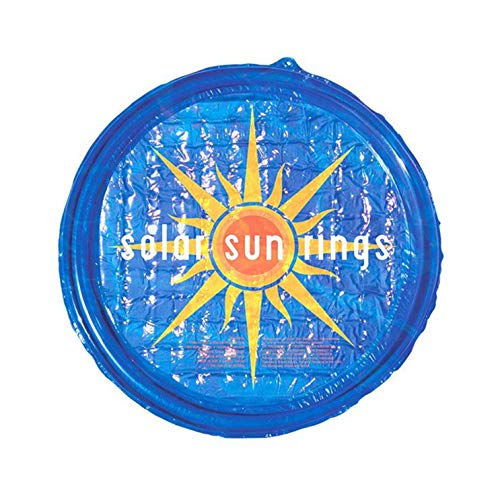
- VC Score6.8
BCP Score is a ranking system developed by bestcleanerproducts.com. BCP Score has no relationship or impact from any manufacturers or sales agent websites. Learn more
- BrandSolar Sun Rings
Last update on 2026-10-08 / Affiliate links / Images, Product Titles, and Product Highlights from Amazon Product Advertising API
FAQs
How many degrees of heat does a solar pool cover actually add?
Under good conditions with plenty of direct sunlight, a solar cover can raise pool water temperatures by 5 to 15 degrees Fahrenheit over several days. The exact increase depends on how many hours of sun hit your pool surface, local wind conditions, and nighttime air temperatures. The cover's greatest benefit is preventing the 4 to 8 degrees of overnight temperature loss that normally occurs through evaporation.
Can a solar cover completely replace an electric heat pump or gas heater?
A solar cover can extend your swimming season by a few weeks on each end, but it cannot replace a mechanical heater if you want guaranteed water temperatures in cold weather. It relies entirely on ambient sunlight and cannot add heat on long strings of cloudy or rainy days. However, pairing a solar cover with an electric heat pump or gas heater dramatically lowers your energy bills by keeping that expensive heated water from evaporating overnight.
Is it safe to leave part of the solar cover on while swimming?
No, you should never swim in a pool that is partially covered. Even if you fold the blanket halfway back, anyone swimming underneath can easily become disoriented, trapped, and held underwater by the heavy plastic. Always remove the solar cover completely from the pool surface and secure it on your reel or deck before allowing swimmers into the water.


How to Refinish a Fiberglass Pool

How Do You Keep Raccoons Out of Your Pool?

How to Fix Cyanuric Acid in Your Pool

How to Shape a Pool Cue Tip to Stop Miscues

12 Best Automatic Vacuum For Intex Above Ground Pool of 2026 To Keep Vinyl Floors Spotless

10 Best Automatic Pool Vacuum For Above Ground Pool of 2026 To End Manual Scrubbing

How Much Pool Clarifier Should You Use for Your Pool Size?

How Much Does a Pebble Tec Pool Cost to Build or Resurface?








