
How to Store a Solar Pool Cover Without Ruining It

Most pool owners assume a solar blanket is tough enough to sit folded by the patio in the sun. That habit actually ruins the material fast, because trapped sunlight turns the plastic layers into an oven that bakes and flakes the bubbles. Keeping the plastic intact comes down to two simple rules: keep it out of direct sunlight when it leaves the pool, and let it dry completely before long-term storage.
Your exact routine changes depending on whether you swim every afternoon or plan to shut the water down until spring. Leaving the blanket on an outdoor roller during summer only takes a durable shade cover to block the heat. Packing it away for winter means protecting the folds from damp mold, freezing cold, and garage mice looking for nesting material. Here is the step-by-step way to protect your blanket through every season.
The Short Version
- Shield it from direct sunlight: Whenever the bubble cover comes off the swimming pool, keep it out of the sun because stacked layers trap heat and melt the plastic bubbles.
- Rinse and dry completely: Wash away residual pool chemicals and let both sides air-dry fully before off-season storage to prevent mildew, bad smells, and plastic breakdown.
- Pack in a hard plastic bin: Fan-fold or roll the dry blanket into a sealed, heavy-duty storage tote to stop mice and other rodents from chewing holes for winter nests.
- Cover reels with a shade wrap: If leaving the blanket rolled up outdoors on a reel, always wrap it in an opaque, UV-blocking protective sheet secured with straps.
In-Season Daily Storage vs. Winter Closing: Key Differences
Storing a solar pool blanket during the warm summer months requires a completely different approach than packing it away for the cold winter off-season. In the middle of swim season, you are taking the cover on and off several times a week. Your primary goal during swim season is keeping the cover clean, preventing it from killing your grass, and blocking high heat from destroying the plastic while you swim.
When you pull a wet bubble cover off the pool on a sunny July afternoon and toss it on the lawn or patio deck, trouble starts fast. The trapped water acts like a greenhouse under direct sunlight. Within less than an hour, the heat between those folded layers can spike well past safe limits. This causes the bubble walls to soften, warp, and stick together. At the same time, leaving that hot, heavy blanket on your turf can scorch and yellow your green lawn in under thirty minutes.
Daily in-season storage requires convenience. You need a dedicated, shaded spot where the wet blanket can rest for a few hours without touching dirt, mud, or baking in direct sun. Many pool owners use poolside storage racks, wall brackets, or a roller reel placed under an awning or a shady tree.
Winter shut-down, by contrast, is all about long-term preservation. You are putting the cover away for five to seven months. Speed does not matter here, but thorough prep work does. If you roll up a pool blanket while it is still damp with chlorinated water, that moisture stays trapped inside all winter. Mold and mildew will thrive, creating unpleasant odors and degrading the plastic material. Leaving chemical residue on the blanket slowly weakens the thin seams between the bubbles.
Winter storage also introduces outdoor threats that do not exist during summer. Sub-freezing temperatures make wet plastic brittle. Snow loads can crush reels, and outdoor mice actively search for soft, flexible plastic to shred for winter bedding. While daily storage prioritizes quick shade and cleanliness, winter storage demands a thorough wash, total drying, and a sealed barrier against the elements and pests.
Cleaning and Drying: Removing Chlorine, Algae, and Moisture
Before packing your solar blanket away for several months, you must remove every trace of pool chemicals, dirt, and organic growth. Chlorine helps keep your pool water sanitized, but as water evaporates off a stored cover, concentrated chemical salts stay behind. Over time, those dried chemicals eat away at the plastic, causing the bubbles to turn brittle and flake off. Follow these four simple steps to get the cover spotless and bone dry.
- Spread the blanket on a clean, flat surface: Pull the cover onto a clean driveway, a patio area, or a clear patch of lawn that has no sticks, gravel, or sharp twigs. Dragging heavy plastic across rough surfaces can scuff the material or cause tears. If you have an above-ground pool with a vinyl liner, taking the cover off carefully also protects your pool edges from accidental tugging. That saves you from having to look up how to repair a pool liner after a sharp corner snags the wall.
- Rinse thoroughly with a garden hose: Use a standard garden hose nozzle set to a flat or shower spray. Spray down the entire surface, working from one end toward the other to push away loose dirt, dead bugs, pollen, and dried pool chemicals. Do not use a high-pressure power washer. High water pressure can easily slice through the thin plastic layers or burst the delicate air pockets.
- Scrub away algae and stubborn grime: If you notice green or black algae films, mix a bucket of warm water with a few drops of mild dish soap. Use a soft-bristled car wash brush or a clean sponge to gently scrub the dirty spots. Never use harsh household bleach, stiff wire brushes, or abrasive scouring pads. Harsh cleaners strip the protective coatings that shield the blanket from sun damage, while stiff bristles will puncture the bubbles.
- Allow both sides to dry completely: This is the step most pool owners rush, yet it is the most critical. Flip the blanket so the flat top side faces up first, letting the sun and breeze evaporate all standing water. Once that side feels totally dry to the touch, flip the cover over to expose the bubble side. Water loves to hide in the tiny valleys between individual bubbles. Let the cover sit until no damp patches or water droplets remain anywhere on the surface. If space is tight, drape the cover over a fence, a deck railing, or clean patio chairs to let air circulate around both sides.
Keep in mind that wet pool decks become very slippery while you move a wet cover around. Puddles left behind can create a hazard near entry points, much like needing to fix slippery pool steps before swimmers track water across smooth tile. Watch your footing while washing your cover.
Folding and Rolling Without Popping Bubbles
Once your solar blanket is completely dry, you need to bundle it up without creasing the plastic so sharply that you burst the air cells. The best way to store a pool blanket depends on whether you are using a mechanical roller reel or packing it into a storage tote by hand.
If you are storing the blanket by hand without a reel, do not roll it like a giant sleeping bag. A rolled 20-foot or 30-foot cover becomes an unwieldy, bulky cylinder that is hard to lift, awkward to carry, and almost impossible to fit into a standard doorway or container. Instead, use an accordion fold (often called a fan-fold). Here is the best method to do it with two people:
- Stand at opposite ends of the short side: Have one person grab the left edge and a second person grab the right edge of the short end of your blanket.
- Create your first accordion fold: Lift the edge and fold over a section roughly two to three feet wide. Smooth out any large wrinkles with your hands.
- Fold back in the opposite direction: Grab the newly folded edge and pull it back the other way by another two to three feet, matching the size of your first fold. Repeat this back-and-forth accordion fold all the way down the length of the pool cover. When you finish, you will have a long, narrow strip of folded plastic that is two to three feet wide.
- Fold the strip into a square: Starting from one outer edge of the long strip, fold it inward in three-foot sections toward the center. Repeat from the other end. You will end up with a neat, compact square stack.
When folding, never stomp on the folds or press down with your knees to force the pile flatter. Forcing the air out will pop the bubbles, permanently reducing the cover's ability to retain pool heat. Keep the bubble sides aligned naturally as you build your stack.
If you use a pool roller reel, roll the blanket slowly and evenly. Keep an eye on both ends of the tube to ensure the plastic does not bunch up on one side. Bunching creates uneven tension that stretches seams and makes the blanket harder to unroll smoothly next spring.
Outdoor Reel Storage: Why a Protective Shade Wrap Is Mandatory
Many pool owners keep their solar blanket on an outdoor reel near the pool deck all year. While this saves time and garage floor space, leaving a rolled-up cover out in the open without protection can destroy it in a single season.
A bubble cover is specifically engineered to absorb sunlight and transfer that heat downward into your pool water. When the cover floats flat on the pool, the cooler water below continuously absorbs and pulls that heat away. When the cover is rolled tightly onto a metal reel tube, that cooling water is gone. The clear or blue plastic layers still trap sunlight, but the heat has nowhere to escape.
This trapped energy causes temperatures inside the rolled bundle to rise rapidly. The heat softens the plastic until the inner bubble layers fuse together. This leads to delamination (a condition where the bubbles flake, crack, and fall apart into brittle plastic chips). When you unroll the cover next spring, you will find thousands of cracked blue bits floating across your pool surface, clogging your skimmer basket and pump.
To prevent this heat damage, a protective wrap (a durable, opaque shade cover for the reel) is mandatory anytime the blanket rests on the reel for more than a few hours. A proper protective cover is made of heavy, woven fabric with UV-resistant coatings. It creates an opaque barrier that bounces sunlight away before the rays ever touch your delicate bubble plastic.
Wrap the shade cover snugly around the rolled blanket and fasten the integrated tie straps or buckle belts securely. This blocks direct sun and prevents high winds from catching loose plastic edges and unspooling your cover across the yard. Before running a robotic pool vacuum for regular maintenance, review how to use a Dolphin pool cleaner so stray debris caught by loose cover edges does not overburden your filtration system.
Off-Season Safe Zones: Guarding Against Freezing and Rodents
When closing your pool for the season, picking the right storage location keeps your blanket safe from weather hazards and curious pests. Use this quick checklist to ensure your storage spot is safe for the off-season:
- Use a heavy-duty plastic storage bin: Never store your folded pool blanket in thin plastic garbage bags or cardboard boxes. Mice, chipmunks, and squirrels view soft bubble plastic as ideal nesting material. They can easily chew through thin cardboard or plastic film to shred the blanket. A rigid plastic tote with a tight, latching lid keeps rodents out completely.
- Store above freezing temperatures when possible: Extreme freeze-and-thaw cycles make thin plastics brittle. If moisture was left trapped inside any air cells, freezing water expands and bursts those bubbles. A basement, utility room, or an insulated garage shelf is far safer than an open outdoor deck.
- Keep the bin elevated off damp concrete: If storing the bin in an unheated shed or garage, set the box on a shelf or wooden pallet. Concrete floors pull moisture from the ground during seasonal temperature shifts, creating condensation underneath and around the tote.
- Do not stack heavy items on top: Never stack heavy patio chairs, heavy toolboxes, or folded deck furniture on top of your stored pool cover. Constant, heavy pressure over several months will compress and pop the plastic air bubbles, leaving the blanket flat and ineffective.
Tools That Make Storing a Pool Blanket Easier
Handling a large, wet pool blanket by yourself can be awkward and frustrating. Luckily, a few simple accessories make moving, folding, and protecting your cover much simpler without costing a fortune.
For above-ground pools, wall-mounted storage brackets are a practical alternative to bulky ground reels. These sturdy, U-shaped metal tubes mount directly along the outer top rail of your steel-wall pool. When you pull the blanket off for a quick swim, you simply fold the cover back across the brackets. This keeps the wet plastic completely off the dirty grass, prevents mud and lawn clippings from sticking to the cover, and stops the hot blanket from burning your lawn.
For in-ground pools with a rolling reel, a fitted protective reel cover is the most useful accessory you can own. These heavy-duty fabric jackets wrap completely around the rolled-up blanket on your reel. When choosing one, look for thick, weather-resistant materials like heavy woven polyester or oxford fabric with double-stitched seams. Make sure the cover includes adjustable buckle straps or velcro fasteners so you can cinch it down tightly against strong winds.
Before purchasing storage accessories, always check your pool's setup. For wall brackets, verify the width of your top ledge and confirm whether the brackets are designed for your specific pool wall style. For reel covers, measure the total length of your roller tube from end to end so you pick a size that provides full coverage from edge to edge.

- VC Score8.4
BCP Score is a ranking system developed by bestcleanerproducts.com. BCP Score has no relationship or impact from any manufacturers or sales agent websites. Learn more
- BrandSun2Solar

- VC Score8.2
BCP Score is a ranking system developed by bestcleanerproducts.com. BCP Score has no relationship or impact from any manufacturers or sales agent websites. Learn more
- BrandVINGLI

- VC Score8.2
BCP Score is a ranking system developed by bestcleanerproducts.com. BCP Score has no relationship or impact from any manufacturers or sales agent websites. Learn more
- BrandARDILA VEELA
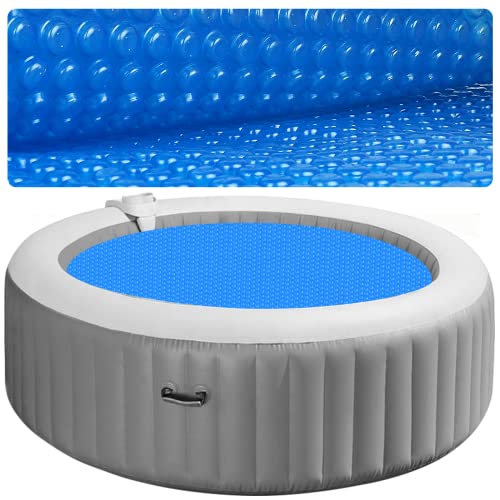
- VC Score8.2
BCP Score is a ranking system developed by bestcleanerproducts.com. BCP Score has no relationship or impact from any manufacturers or sales agent websites. Learn more
- BrandKETNET

- VC Score8.2
BCP Score is a ranking system developed by bestcleanerproducts.com. BCP Score has no relationship or impact from any manufacturers or sales agent websites. Learn more
- BrandTlswshsy
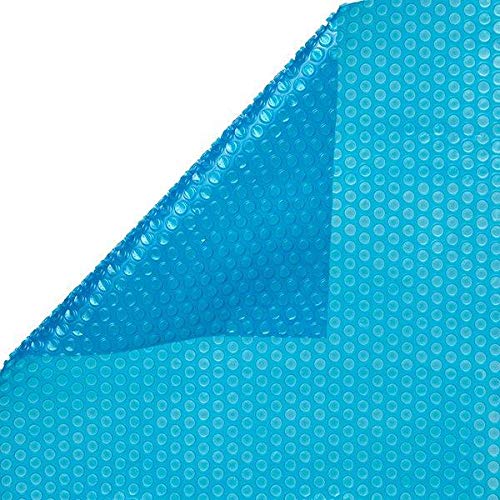
- VC Score8.0
BCP Score is a ranking system developed by bestcleanerproducts.com. BCP Score has no relationship or impact from any manufacturers or sales agent websites. Learn more
- BrandIn The Swim

- VC Score8.0
BCP Score is a ranking system developed by bestcleanerproducts.com. BCP Score has no relationship or impact from any manufacturers or sales agent websites. Learn more
- BrandiKover
- VC Score-
BCP Score is a ranking system developed by bestcleanerproducts.com. BCP Score has no relationship or impact from any manufacturers or sales agent websites. Learn more
- BrandIn The Swim

- VC Score-
BCP Score is a ranking system developed by bestcleanerproducts.com. BCP Score has no relationship or impact from any manufacturers or sales agent websites. Learn more
- BrandDGBAIZ
- VC Score-
BCP Score is a ranking system developed by bestcleanerproducts.com. BCP Score has no relationship or impact from any manufacturers or sales agent websites. Learn more
- BrandIn The Swim
Last update on 2026-10-08 / Affiliate links / Images, Product Titles, and Product Highlights from Amazon Product Advertising API
FAQs
Do I have to let the bubble cover dry completely before packing it away?
Yes, total drying is essential for long-term storage. Storing a damp solar blanket traps moisture between the plastic layers, which encourages mold, mildew, and foul odors to develop. Lingering pool chemicals can also slowly break down the plastic seams over winter if left unwashed and wet.
Why does leaving a solar pool cover in the sun ruin it so quickly?
A solar cover is designed to absorb heat and transfer it directly into cooler pool water. When the cover is folded or rolled up on the deck, that cooling water is gone, but the plastic keeps absorbing heat. The intense heat trapped between the layers softens the plastic, causing the bubbles to melt, fuse together, and turn brittle.
Can I leave my solar blanket on an outdoor reel all winter?
You can leave it on an outdoor reel only if you protect it with a heavy-duty, UV-resistant shade cover secured with tight straps. However, in regions with severe sub-freezing temperatures or heavy snow loads, bringing the rolled blanket inside a garage or shed is much safer to prevent the plastic from cracking under extreme cold.
How do I keep mice from chewing holes in my pool blanket over the winter?
The best way to stop mice is to store the clean, dry cover inside a rigid plastic storage tote that features a secure, latching lid. Never leave the blanket inside a cardboard box, an open garbage bag, or loose on a shed floor, because rodents can easily chew through thin barriers to use the soft bubble material for nesting.


How to Refinish a Fiberglass Pool

How Do You Keep Raccoons Out of Your Pool?

How to Fix Cyanuric Acid in Your Pool

How to Shape a Pool Cue Tip to Stop Miscues

12 Best Automatic Vacuum For Intex Above Ground Pool of 2026 To Keep Vinyl Floors Spotless

10 Best Automatic Pool Vacuum For Above Ground Pool of 2026 To End Manual Scrubbing

How Much Pool Clarifier Should You Use for Your Pool Size?

How Much Does a Pebble Tec Pool Cost to Build or Resurface?








