
How Long Do Coleman Pools Last?

There is no need to panic about a pool splitting open after one summer, as catastrophic failures are rare with basic care. A typical metal-frame pool will comfortably last three to six years, and careful owners often stretch that lifespan to seven or eight seasons. While the included pump or small plastic fittings might give out sooner, the heavy vinyl body and steel poles are built to hold up over multiple summers.
How many seasons you actually get depends mostly on the ground beneath the pool and how you handle the winter. Setting the frame on an unlevel lawn puts uneven stress on the welded seams, while leaving water to freeze outside can crack brittle vinyl. Unbalanced chemicals will also dry out the liner, and trapped moisture can rust the steel legs. Here is what you need to know to protect the frame and keep the water where it belongs.
The Short Version
- Realistic Lifespan: Most Coleman metal-frame pools last between 3 and 6 years with proper maintenance, though leaving them out through harsh freezing winters can cut that down to 1 or 2 seasons.
- What Fails First: The stock filter pump usually gives out first (often after 1 to 2 summers), followed by pinhole leaks in the liner floor, while structural seam splits or frame rust eventually end the pool.
- The Biggest Killer: An uneven yard base places uneven water pressure against the seams, stretching the vinyl and bending the steel frame legs until they buckle.
- Winter Decisions: Draining, thoroughly drying, and storing the pool in a climate-controlled shed or garage almost doubles its working life compared to leaving it exposed to snow and ice.
Expected Lifespan and What Fails First
If you take good care of a Coleman above ground pool, you can realistically expect it to last between 3 and 6 summers. Some homeowners who live in mild climates and pack their pools away each autumn manage to stretch that to 7 or 8 years. On the other hand, if you leave the pool set up on uneven grass, ignore your water chemistry, and let ice freeze solid inside the tub all winter, the liner can easily fail during its second summer.
Coleman pools use a steel frame to support a liner made of three-ply PVC material with a polyester mesh inner core. While this material resists punctures from kids splashing and normal pool toys, it is still a temporary vinyl pool skin rather than a permanent inground structure. If you are comparing brands, Coleman pools share similar manufacturing and materials with Bestway pools. You can read about how long Bestway pools last to see how comparable models hold up under identical backyard conditions.
Understanding which part breaks first helps you stay ahead of total pool failure:
1. The Small Cartridge Filter Pump: The standard pump included in the box is usually the first component to give up. These small pumps run for hours every day to circulate water. Their internal impellers often wear out or the motors overheat after one or two busy summers. Fortunately, replacing or upgrading the pump does not mean the pool itself is done.
2. Small Floor and Sidewall Leaks: The flexible vinyl pool skin takes the brunt of daily use. Dog claws, sharp stones under the ground cloth, and dropped pool poles cause pinhole punctures. Sunlight and heavy chlorine also dry out the vinyl around the top waterline, making the material brittle and prone to micro-cracks by year three.
3. Metal Frame Rust and Joint Seizing: The vertical legs and horizontal top rails are made of coated steel. Water inevitably splashes into the hollow tubes. Over time, rust eats away at the pin holes, the corner joints, and the bottom feet where the legs sit in damp grass. Once the metal rusts through, the pool is no longer safe to hold water.
4. Structural Seam Failure: The heat-welded seam where the pool floor joins the sidewall is under constant tension. When a seam splits open, it cannot be safely patched. A split seam releases thousands of gallons of water into your yard at once, marking the absolute end of the pool.
Ground Setup: How an Uneven Base Destroys the Frame
Water is extraordinarily heavy, weighing roughly 8.34 pounds per gallon. A typical medium-sized Coleman pool holds anywhere from 3,000 to over 6,000 gallons of water. That means your pool frame is holding between 25,000 and 50,000 pounds of shifting weight. If the ground underneath is even one or two inches out of level, that massive weight shifts directly toward the low side.
When the pool leans, the sidewalls on the low side bulge outward. The vertical steel legs bend under the side-load pressure, and the bottom seams stretch until they separate. An uneven setup can destroy a brand-new pool in less than three months. Follow this setup checklist to protect your pool from day one:
- Strip the grass and sod completely: Never set up the pool directly on top of lawn grass. Grass will die, rot, create soft mud pockets, and allow the pool legs to sink unevenly into the dirt. Nut grass and weeds can also grow right through the vinyl liner.
- Check level using a long straight board: Lay a two-by-four across your cleared dirt circle and place a carpenter level on top. Rotate the board in a full circle like the hands of a clock. Dig the high spots down to match the lowest spot; never build up low spots with loose dirt, because loose dirt will compress under the water weight.
- Sink solid pavers under every leg: The vertical steel legs concentrate hundreds of pounds of downward force onto small plastic caps. Sink flat wooden blocks or solid concrete patio pavers into the ground so they sit completely flush with the surrounding dirt. Each pool leg must rest firmly in the center of a paver.
- Rake out all debris: Walk the bare dirt in your bare feet before laying down the ground cloth. Pick up every single pebble, twig, acorn, and hard root. Even a tiny pea gravel stone feels like a sharp nail once thousands of pounds of water press down on it.
- Smooth out floor wrinkles early: Add just one inch of water to the bottom of the liner, then kick or smooth out every wrinkle toward the outside walls. Once the water gets deeper, the weight makes it impossible to move the floor vinyl, and permanent folds will trap dirt and wear through early.
Winter Care: Storing the Pool Indoors vs. Leaving It Up
Deciding what to do when autumn arrives has the single biggest effect on how many years your pool will last. Freezing temperatures turn vinyl brittle, and heavy snow creates crushing downward pressure on the top frame rails.
Option A: Tearing Down and Storing Indoors (Best for Maximum Lifespan)
Taking the pool down every fall takes work, but it reliably adds two to three years of life to the liner and frame. When you drain the water, wash the liner with mild dish soap and let it bake in the sun until it is bone dry. Any trapped moisture inside the folded pool will cause black mold and rot the vinyl over the winter months. Sprinkle plain baby powder or cornstarch over the dry vinyl to stop the material from sticking to itself, then roll it loosely rather than making hard creases. Store the liner and steel poles in large plastic bins inside a garage or basement to keep mice from chewing holes in the fabric.
Option B: Leaving the Pool Up Year-Round (Convenient but Riskier)
If you live in an area with mild winters or do not have indoor storage space, you can winterize the pool (prep for freezing weather) while leaving it outside. You must drain the water below the return jet and filter ports, then install winter plugs to keep freezing rain out of the openings. Place an air pillow in the center of the water before strapping on a heavy-duty winter cover. The air pillow absorbs the expansion of freezing ice so the ice pushes inward instead of bursting outward against the vinyl sidewalls. In areas with deep freezes and feet of snow, leaving a lightweight metal-frame pool outside will dramatically shorten its life.
Protecting the Liner and Frame from Chemical Rot and Rust
Vinyl pools do not wear out solely from physical use; harsh chemicals and standing moisture break down the materials from the inside and outside simultaneously. Balancing your water chemistry properly keeps the flexible vinyl pool skin supple and prevents the steel frame from rusting out at the joints.
Chlorine is essential for killing algae and bacteria, but concentrated chlorine destroys vinyl quickly. Never toss raw chlorine tablets directly into a Coleman pool. The tablet sinks to the bottom, dissolves in one spot, and creates an intense acid zone that bleaches the color, turns the vinyl stiff like dried cardboard, and causes the floor to crack open. Always place your tablets inside a floating chemical dispenser, or dissolve powder thoroughly in a five-gallon bucket of water before pouring it along the pool edges. If you manage your sanitation with household products, make sure you know how much bleach to add to pool water so you sanitize effectively without stripping the protective plasticizers out of the liner.
Water balance matters just as much as chlorine levels. When your water pH drops below 7.2, the water becomes acidic. Acidic water slowly dissolves the protective powder coating on the steel frame and causes the vinyl liner to lose its stretch, leading to wrinkles and brittle seams. Keep your pH between 7.4 and 7.6 to protect both the liner and your swimmers.
To stop the metal frame from rusting, pay close attention to the push pins and horizontal T-joints. Splashing kids constantly force pool water into the hollow metal pipes. Before assembling the frame in the spring, coat the connection pins and the inner ends of the horizontal bars with silicone lubricant spray or marine-grade grease. This thin layer of grease stops moisture from rusting the bare steel inside the joints and prevents the pins from seizing permanently inside the pipes.
Daily and Weekly Habits to Keep Debris from Damaging the Vinyl
Dirt and outdoor debris do more than make your water look cloudy. Wind blows grit, tree seeds, and leaves into the pool, which settle onto the floor and grind into the liner like sandpaper whenever people walk inside. Establishing a steady cleaning rhythm prevents premature floor tears:
- Clear the water surface daily: Use a handheld skimmer net every morning to lift out floating leaves, bugs, and pollen before they become waterlogged and sink to the bottom.
- Run the filter pump daily: Run your circulation pump for at least 8 to 12 hours a day during peak summer heat. Check the pump flow rate (gallons moved per hour, or gph) by feeling the return jet; if the water stream feels weak, rinse the paper filter cartridge with a garden hose or install a fresh one.
- Brush the pool floor weekly: Use a soft-bristle nylon pool brush to push fine dust and settled algae toward the filter suction point. Never use a stiff wire or metal-backed brush, as the hard corners will gouge the flexible vinyl pool skin.
- Vacuum the floor gently: Vacuum up coarse sand and dirt using a pool vacuum designed specifically for soft-sided above ground pools. Move slowly across the vinyl floor so the vacuum head does not snag or drag sharp pebbles across the bottom seam.
- Wipe down the waterline scum ring: Body oils, sunscreen, and pollen collect along the top water ring. Wipe this band weekly using a soft microfiber cloth dipped in pool water or a gentle baking soda paste. Leaving oily residue baking in direct sunlight makes the upper vinyl brittle.
When to Patch a Leak and When to Replace the Pool
Not every leak means your pool is headed for the trash. Above ground vinyl is remarkably resilient, and standard vinyl repair kits work surprisingly well if the damage happens in the right spot. Use this checklist to decide whether to grab a patch kit or shop for a new pool:
- Fix it with a patch: Small round pinhole leaks on the pool floor caused by sharp pebbles.
- Fix it with a patch: Straight, clean tears under three inches long on the flat sidewalls that sit at least six inches away from any seams.
- Fix it with a patch: Small punctures near the water surface that you can easily reach from the outside or inside using a wet-application underwater patch kit.
- Replace the pool: Any tear, rip, or separation that runs directly along a heat-welded seam where two vinyl panels join together. These seams endure constant hydraulic stress that patches cannot hold.
- Replace the pool: Widespread vinyl dry-rot, where the material feels stiff and brittle like paper and cracks whenever you bend it between your fingers.
- Replace the pool: Severely bent, buckled, or crimped steel frame legs, or top horizontal rails that have rusted completely through at the joint pins. Structural frame failure cannot be solved with tape, clamps, or replacement screws.
Cleaning Tools That Protect Your Pool Liner
Using the right cleaning tools keeps heavy debris from sitting on the vinyl floor, which directly extends the life of your pool. For small to medium above ground frame pools, simple cleaning equipment that operates gently without scraping the liner is your best defense.
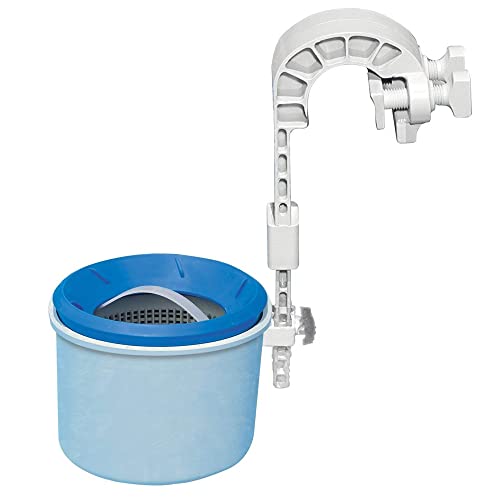
When selecting cleaning equipment, look for tools designed specifically for soft-sided above ground setups. A wall-mount surface skimmer (a surface debris basket that attaches to the top frame rail and pulls water into the filter pump) catches floating leaves before they ever touch the bottom. Make sure any skimmer bracket fits the diameter of your pool's metal top rail. For manual vacuums, choose models with smooth plastic edges, rounded corners, and soft bottom bristles so the vacuum head glides easily over floor seams without snagging the flexible vinyl pool skin. Avoid heavy automatic cleaners designed for concrete inground pools, as their aggressive wheels and heavy weight can wear down thin vinyl and overpower small above ground pumps.

Pool Stopper Plugs,Swimming Pool Wall Plugs Replacement,Pool Plugs,Ground Swimming Pools
View on Amazon- VC Score10.0
BCP Score is a ranking system developed by bestcleanerproducts.com. BCP Score has no relationship or impact from any manufacturers or sales agent websites. Learn more
- BrandAMQTSLM

- VC Score9.4
BCP Score is a ranking system developed by bestcleanerproducts.com. BCP Score has no relationship or impact from any manufacturers or sales agent websites. Learn more
- BrandIntex

- VC Score8.8
BCP Score is a ranking system developed by bestcleanerproducts.com. BCP Score has no relationship or impact from any manufacturers or sales agent websites. Learn more
- BrandMerkia
- VC Score8.6
BCP Score is a ranking system developed by bestcleanerproducts.com. BCP Score has no relationship or impact from any manufacturers or sales agent websites. Learn more
- BrandIntex

TSCTBA Mosquito Repellent, Natural Mosquito Repellent Indoor, Outdoor Mosquito Repellent
View on Amazon- VC Score8.6
BCP Score is a ranking system developed by bestcleanerproducts.com. BCP Score has no relationship or impact from any manufacturers or sales agent websites. Learn more
- BrandTSCTBA

- VC Score8.6
BCP Score is a ranking system developed by bestcleanerproducts.com. BCP Score has no relationship or impact from any manufacturers or sales agent websites. Learn more
- BrandBestway

- VC Score8.6
BCP Score is a ranking system developed by bestcleanerproducts.com. BCP Score has no relationship or impact from any manufacturers or sales agent websites. Learn more
- BrandBestway

- VC Score8.4
BCP Score is a ranking system developed by bestcleanerproducts.com. BCP Score has no relationship or impact from any manufacturers or sales agent websites. Learn more
- BrandBestway

- VC Score8.0
BCP Score is a ranking system developed by bestcleanerproducts.com. BCP Score has no relationship or impact from any manufacturers or sales agent websites. Learn more
- BrandCarrie Box

- VC Score7.6
BCP Score is a ranking system developed by bestcleanerproducts.com. BCP Score has no relationship or impact from any manufacturers or sales agent websites. Learn more
- BrandU.S. Pool Supply

- VC Score4.0
BCP Score is a ranking system developed by bestcleanerproducts.com. BCP Score has no relationship or impact from any manufacturers or sales agent websites. Learn more
- BrandBlue Wave
Last update on 2026-10-08 / Affiliate links / Images, Product Titles, and Product Highlights from Amazon Product Advertising API
FAQs
Can I leave a Coleman pool up all winter?
You can leave a Coleman pool up through the winter if you properly drain the water below the return ports, add an air pillow under the cover, and use winterizing chemicals. However, freezing ice expands with immense force, and heavy snow creates extreme weight on the top rails. In cold northern climates with heavy freezes, leaving the pool up will shorten its total lifespan compared to taking it down and storing it indoors.
Why do the metal frame legs rust so quickly?
The frame legs rust because splashed pool water contains chlorine, which is corrosive to metal. Water gets trapped inside the hollow steel tubes and pools around the base pins and plastic feet where air cannot dry it out. You can prevent this rust by spraying the connection pins and tube interiors with silicone spray during spring assembly and placing the legs on concrete pavers rather than damp grass.
Can you buy a replacement liner for a Coleman pool?
Coleman occasionally sells replacement liners directly through customer support, and generic replacement liners made for standard round or rectangular frame pools can sometimes fit. However, replacement liners often cost nearly as much as buying an entirely new pool package with fresh hardware and hoses. If your liner has failed and the metal frame shows any signs of rust or bending, replacing the complete pool set is usually the smarter financial choice.
How do I stop my pool liner from turning brittle?
Keep your water chemistry balanced by testing weekly to ensure your pH stays between 7.4 and 7.6. Never throw solid chlorine tablets directly onto the pool floor, as high local acidity destroys the vinyl plasticizers and causes dry rot. Always use a floating dispenser to let tablets dissolve gradually, and cover the pool when not in use to reduce ultraviolet sun damage to the waterline.


How to Refinish a Fiberglass Pool

How Do You Keep Raccoons Out of Your Pool?

How to Fix Cyanuric Acid in Your Pool

How to Shape a Pool Cue Tip to Stop Miscues

12 Best Automatic Vacuum For Intex Above Ground Pool of 2026 To Keep Vinyl Floors Spotless

10 Best Automatic Pool Vacuum For Above Ground Pool of 2026 To End Manual Scrubbing

How Much Pool Clarifier Should You Use for Your Pool Size?

How Much Does a Pebble Tec Pool Cost to Build or Resurface?


