
How Much Does a New Pool Filter Cost in 2026?

A replacement filter spans from an inexpensive weekend fix to a major equipment purchase. The total depends directly on whether the system needs fresh internal media or a complete outer tank. Keeping a sound, crack-free canister and simply renewing the worn filtering elements inside keeps costs minimal. Needing an entirely new plumbed housing to cure leaks or pressure issues naturally turns the project into a larger investment.
The overall cost also shifts with the type of system running in the yard, the size of the basin, and who handles the plumbing. Pleated fabric cartridges, silica sand beds, and fine powder systems each have their own ongoing upkeep costs. Handling the pipe unions yourself keeps money in your pocket, while hiring a pool technician adds labor fees for peace of mind. Here is how to pinpoint what your setup truly requires so you never overpay for unneeded hardware.
The Short Version
- Decide between media and tank replacement: You rarely need an entire new tank system if the outer canister is intact. Swapping out worn internal filter media costs a fraction of buying a whole new pressurized unit.
- Pick the right filtration style: Cartridge filters use a pleated fabric filter insert that requires no backwash plumbing, sand filters offer the lowest ongoing material cost, and fine powder-screen systems deliver the clearest water with higher seasonal upkeep.
- Weigh plumbing labor against self-installation: Above-ground filter setups connect quickly with simple hose clamps, while inground systems often require cutting and gluing rigid pipe, which adds professional service fees.
- Match tank capacity to your pump: Choosing a filter rated slightly higher than your pump flow rate (water speed through pipes) prevents dangerous pressure buildup and keeps your pump motor running cool.
Replacing Media Versus Buying a Whole Tank
When cloudy water refuses to clear or return jets lose their pressure, many pool owners assume the entire filtration unit has failed. In most cases, the tank itself is completely sound. The heavy outer shell is simply a pressure vessel designed to hold water. The real cleaning happens inside, where the filter media traps dirt, oils, and floating debris.
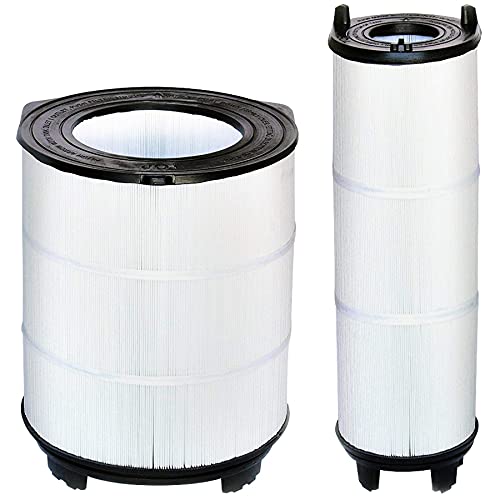
Filter media wears out long before the plastic or fiberglass tank gives up. In a cartridge setup, the pleated fabric filter insert collects oils, sunscreen, and microscopic dirt in its fibers. Over several seasons of regular washing, the fabric fibers loosen and fray. Water begins channeling right through the gaps without getting cleaned. Swapping in a fresh cartridge restores your water clarity immediately, without touching the plumbing connections.
Sand and powder systems follow a similar pattern. Pool filter sand gradually loses its sharp, jagged edges as millions of gallons of water tumble over it. After several seasons, smooth sand grains can no longer catch fine silt, leading to hazy water. Emptying the tank and pouring in fresh bags of special pool sand costs very little and brings the system back to full performance. For a fine powder-screen filter (often called a DE filter), internal fabric grids can crack or tear along their seams. You can purchase single replacement grids or an entire internal grid cluster without replacing the outer canister.
You only need to invest in a brand-new filter tank when the outer structure fails. Look closely at the tank body. If you see hairline fractures in the fiberglass, bulging plastic, or deep cracks near the pipe connections, shut the system down immediately. A cracked tank under pressure is a serious safety hazard that cannot be patched. You will also need a full replacement if the main belly band clamp is stripped, if the internal air relief pipe has snapped off inside an obsolete unit, or if replacement parts for your older model are no longer manufactured. If you are balancing multiple equipment issues at once, reviewing how much it costs to repair a pool can help you decide whether patching small plumbing issues makes financial sense compared to a fresh setup.
Comparing Costs Across Filter Types
Each filter design balances upfront purchase expense against long-term maintenance costs. The best option for your budget depends on how much time you want to spend on routine cleaning and whether you want to replumb your existing equipment pad.
Cartridge filters carry a moderate initial equipment price. Small, standalone cartridge units designed for temporary above-ground pools represent the most budget-friendly entry point. Large, multi-element cartridge tanks built for inground pools cost more initially because they contain hundreds of square feet of pleated fabric. The major financial advantage of a cartridge system is that it does not require a backwash valve (a handle that flushes out trapped dirt) or a dedicated waste drainage pipe. You never dump chemically treated pool water down the sewer line, which keeps your water bill low. The ongoing cost comes from replacing the pleated fabric filter insert every few seasons when deep cleanings no longer restore normal pressure.
Sand filters are generally the most affordable complete systems to purchase for permanent pools. The heavy tank and internal lateral pipes are mechanically simple, meaning there are fewer delicate parts to break. The replacement media itself is exceptionally inexpensive and lasts for years between changes. However, sand filters require a multi-port valve and routine backwashing. Every time you flip the valve handle to rinse out trapped dirt, you discharge hundreds of gallons of pool water and dissolved sanitizer into the yard or waste line. You will spend less on filter hardware over time, but slightly more on water refills and replacement balancing chemicals.
Fine powder-screen filters sit at the top of the price ladder for equipment purchases. These units use internal fabric grids coated with fine powder to screen out particles as small as pollen and microscopic algae. The upfront purchase price of the tank, internal grid assembly, and specialized backwash valve is higher than the other styles. Maintenance also requires an ongoing supply of fresh powder, which you must mix and pour through the pool skimmer every time you flush the system. While they demand the highest seasonal budget, they produce unmatched water clarity with fewer chemical clarifiers.
DIY Installation Versus Professional Labor Fees
Deciding whether to install a new filter yourself or hire a professional comes down to the way your pool equipment connects to the water lines. The physical work ranges from a ten-minute hose connection to hours of precision pipe work.
Simple above-ground pool filters are designed for quick homeowner setup. These units connect to the pool skimmer and return jet using flexible ribbed hoses secured with stainless steel band clamps. The pump and filter often sit together on an integrated plastic base. If you are replacing an identical small cartridge pump, the process is as simple as shutting off the water flow, loosening the hose clamps, setting the new unit in place, and plugging it into an outdoor GFCI outlet (a protected ground-fault outlet with a weatherproof cover). Keep all electrical cords and power supplies at least 10 feet back from the pool edge to stay safe.
Inground pool filters involve rigid Schedule 40 PVC piping that requires careful measurement, cutting, and solvent welding. Different filter brands place their inlet and return ports at varying heights and angles. Even replacing an old filter with a unit from the same manufacturer can require replumbing if the updated model has a slightly taller base. Misaligned pipes put physical strain on the tank bulkheads, leading to stubborn leaks that can rot the equipment pad.
Hiring a licensed pool professional adds labor fees to your total bill, but it eliminates costly plumbing mistakes. A technician ensures that the filter handles the pump output safely, rebuilds the pipe manifold with durable sweep elbows, and secures the heavy tank clamp correctly. Never swim while any equipment installation or electrical work is underway. If your project requires new electrical wiring or high-amperage hookups, hire a licensed electrician to prevent shock hazards.
How to Size Your Filter to Protect Your Pump
Buying the wrong size filter creates expensive problems down the road. If a filter tank is too small, it acts like a clog in the system, restricting water circulation and forcing the pump motor to work under intense strain until it burns out early. Use this practical checklist to pick the right capacity:
- Find your pump flow rate: Check the specification plate on your pool pump motor to find its maximum gallons per minute (GPM). Your new filter tank must have a design flow rate (water speed through pipes) that matches or exceeds your pump output.
- Calculate pool water volume: Determine how many total gallons your pool holds. For above-ground models, learning how to measure a round pool helps you find your exact water capacity. Your filtration system should be capable of turning over all the pool water within an eight to twelve hour window.
- Size up on filter surface area: When choosing between two tank sizes, always choose the larger model. A larger filter holds more media, creates less resistance against the pump, and stays clean longer between maintenance sessions.
- Check your pipe dimensions: Look at the plumbing size leading into your equipment pad. Most residential pools use 1.5-inch or 2-inch PVC pipes. Ensure the bulkhead unions on the new filter match your existing pipe diameter so you avoid creating an artificial flow bottleneck.
Care Habits That Make a New Filter Last
Once you install a new filter or fresh media, good operating habits keep the equipment working smoothly for years and prevent premature replacements.
- Release trapped air before every startup: Air compresses under pressure, which creates dangerous shockwaves inside the tank when the pump kicks on. Every time you open the filter lid, make sure the manual air relief valve on top of the tank is open. Turn the pump on, wait until a solid stream of water sprays from the valve, and then close it tightly.
- Track your baseline pressure reading: Look at the tank pressure gauge as soon as your new filter begins running with clean media. Note this clean baseline number with a permanent marker directly on the tank. When the needle rises 8 to 10 pounds per square inch above that clean baseline, clean the cartridge or backwash the tank immediately. Letting pressure climb higher cracks internal plastic manifolds.
- Clean media with gentle water pressure: Never use a high-pressure power washer on a pleated fabric filter insert or DE grid. High pressure blows holes through the synthetic weave and ruins the filter. Use a standard garden hose with a fan nozzle or a dedicated cleaning tool to gently wash trapped silt down the pleats.
- Maintain correct water balance: Hard water full of excess calcium causes mineral scaling inside the filter. Scale hardens filter sand into solid chunks and turns flexible cartridge fabric into stiff, brittle sheets. Keep your water balanced to prevent minerals from cementing your media shut.
- Protect rubber seals with silicone lubricant: Clean the main tank O-ring every time you open the canister. Wipe away grit and apply a thin layer of pool-grade silicone lubricant. Never use petroleum jelly, which degrades rubber and leads to leaks around the main tank seam.
Choosing the Right Filter Upgrades and Protective Accessories
Extending the lifespan of your filtration equipment does not always require replacing major hardware. Inexpensive protective accessories take the heavy strain off your primary filter so it stays clean longer.
Skimmer socks are ultra-fine mesh liners that slip directly over your pool skimmer baskets. As water enters the suction line, these socks catch fine debris like pine needles, pollen, pet hair, and lawn clippings before the material ever reaches your pump impeller or filter tank. Using this front-line defense keeps your main filter media free from sticky organic matter, reducing how often you need to break down the tank for heavy cleaning.
When you do need to replace internal elements, verify the exact physical dimensions of your existing housing before ordering. Measure the height, outer diameter, and center hole opening of your current pleated fabric filter insert. Check the manufacturer part numbers stamped on the plastic end caps to ensure a secure seal that prevents unfiltered water from slipping past the edges.

- VC Score9.2
BCP Score is a ranking system developed by bestcleanerproducts.com. BCP Score has no relationship or impact from any manufacturers or sales agent websites. Learn more
- BrandMadayFormula
- VC Score9.2
BCP Score is a ranking system developed by bestcleanerproducts.com. BCP Score has no relationship or impact from any manufacturers or sales agent websites. Learn more
- BrandGuardian Filtration Products

- VC Score9.2
BCP Score is a ranking system developed by bestcleanerproducts.com. BCP Score has no relationship or impact from any manufacturers or sales agent websites. Learn more
- BrandGuardian Filtration Products

- VC Score9.0
BCP Score is a ranking system developed by bestcleanerproducts.com. BCP Score has no relationship or impact from any manufacturers or sales agent websites. Learn more
- BrandVolca Spares

- VC Score8.8
BCP Score is a ranking system developed by bestcleanerproducts.com. BCP Score has no relationship or impact from any manufacturers or sales agent websites. Learn more
- BrandIntex

- VC Score8.8
BCP Score is a ranking system developed by bestcleanerproducts.com. BCP Score has no relationship or impact from any manufacturers or sales agent websites. Learn more
- BrandAqua Comb

- VC Score8.8
BCP Score is a ranking system developed by bestcleanerproducts.com. BCP Score has no relationship or impact from any manufacturers or sales agent websites. Learn more
- BrandAMERICAN LUXURY GIFTS

- VC Score8.8
BCP Score is a ranking system developed by bestcleanerproducts.com. BCP Score has no relationship or impact from any manufacturers or sales agent websites. Learn more
- BrandBestway

- VC Score8.4
BCP Score is a ranking system developed by bestcleanerproducts.com. BCP Score has no relationship or impact from any manufacturers or sales agent websites. Learn more
- BrandBestway
Last update on 2026-10-08 / Affiliate links / Images, Product Titles, and Product Highlights from Amazon Product Advertising API
FAQs
How often do pool filter cartridges need to be replaced?
Most residential cartridges last between two and three full swim seasons with regular rinsing. You will know it is time for a replacement when the fabric begins to fray, the plastic end caps crack, or your pressure gauge stays high even after a thorough cleaning.
Can I switch from a sand filter to a cartridge filter?
Yes, you can change filter styles as long as the new cartridge tank matches your pool pump flow rate and fits on your equipment pad. You will need to replumb the PVC connections to fit the new tank ports and cap off your old backwash waste line.
What happens if a pool filter is too small for the pump?
An undersized filter restricts the flow of water, causing high internal pressure that can rupture the tank or blow dirt straight through the media back into the pool. The constant backpressure also makes the pump motor run hotter, shortening its operating life significantly.
How do I tell if my filter tank is leaking or if water is just evaporating?
Inspect the equipment pad while the pump is running to check for puddles around the belly clamp, drain plug, and pipe unions. If the ground around the filter stays dry, compare your normal water drop against the standard rate by learning how much water a pool loses each day.


How to Refinish a Fiberglass Pool

How Do You Keep Raccoons Out of Your Pool?

How to Fix Cyanuric Acid in Your Pool

How to Shape a Pool Cue Tip to Stop Miscues

12 Best Automatic Vacuum For Intex Above Ground Pool of 2026 To Keep Vinyl Floors Spotless

10 Best Automatic Pool Vacuum For Above Ground Pool of 2026 To End Manual Scrubbing

How Much Pool Clarifier Should You Use for Your Pool Size?

How Much Does a Pebble Tec Pool Cost to Build or Resurface?








