
How Much Salt Does Your Pool Need?

Check the current salt reading in your water before buying or hauling heavy bags. Existing water often holds leftover minerals, so filling a pool from scratch takes about 25 to 30 pounds of salt per 1,000 gallons to hit the right balance. For an empty 10,000-gallon pool, that works out to six to eight 40-pound bags. Most chlorine generators operate best with salt levels hovering near 3,200 parts per million.
That total shifts depending on your exact pool volume in gallons, the target range printed in your equipment manual, and how much salt already sits in the water. Measuring first protects your system, because adding too much salt cannot be undone with balancing chemicals and forces you to drain water. The following steps make it simple to calculate your specific bag count and pour everything safely.
Target Salt Levels for Saltwater Pools
A saltwater pool is not like the ocean. Ocean water has a salt level of roughly 35,000 ppm (parts per million, the standard salt concentration number used for pool water). Human tears measure around 9,000 ppm. By comparison, a residential saltwater swimming pool sits between 2,700 and 3,400 ppm. Most pool owners find that 3,200 ppm is the ideal sweet spot. At this level, the water feels silky and smooth against your skin, and you cannot taste the salt unless you actively look for it.
Your pool water circulates through a chlorine generator (often called a salt cell). Inside this unit, coated metal plates use a low electrical current to turn dissolved salt into pure chlorine. That chlorine sanitizes the water, breaks down contaminants, and then reverts back into salt to repeat the cycle. The equipment needs a steady salt concentration number to complete that reaction smoothly.
Every brand of chlorine generator has an optimal operating window. Some modern units run happily at 2,800 ppm, while others prefer 3,400 ppm or higher before they begin producing chlorine. Always check the operational label on your control box or your owner manual to verify the exact number your unit expects. Running the pool within that narrow band protects the internal titanium plates from wearing out early.
If the salt level drops too low, the chlorine generator shuts itself down with a warning light to protect its internal circuitry. When that happens, your pool stops generating sanitizer, leaving your water vulnerable to algae blooms within a matter of days. If the salt level creeps too high (above 4,000 or 4,500 ppm), the water can cause corrosion on metal handrails, light rings, and heater cores. Adding salt is easy, but removing excess salt requires partially draining and refilling the pool, which makes accurate measuring essential.
How Many Salt Bags by Pool Size
Pool salt is almost always sold in 40-pound plastic bags. If you are filling a brand-new pool or refilling one with fresh tap water from a garden hose, the starting salt level is essentially zero. Tap water usually carries between 50 and 250 ppm of natural minerals, but you can treat it as a blank slate for your initial setup.
To bring fresh water from zero up to an ideal salt concentration number of 3,200 ppm, you need roughly 26 to 30 pounds of salt for every 1,000 gallons of water. That translates to roughly six to eight 40-pound bags for every 10,000 gallons of pool capacity. Here is how that breaks down across typical pool sizes when starting from fresh water:
- 5,000-gallon pool: You need approximately 135 pounds of salt, which equals 3 to 4 bags of 40 pounds each.
- 10,000-gallon pool: You need approximately 270 pounds of salt, which equals 6 to 7 bags.
- 15,000-gallon pool: You need approximately 400 pounds of salt, which equals 10 bags.
- 20,000-gallon pool: You need approximately 535 pounds of salt, which equals 13 to 14 bags.
- 25,000-gallon pool: You need approximately 670 pounds of salt, which equals 16 to 17 bags.
- 30,000-gallon pool: You need approximately 800 pounds of salt, which equals 20 bags.
Opening an existing pool in the spring looks very different. Salt does not evaporate. When water dries up in the summer sun, pure water leaves the pool, but the salt stays behind. You only lose salt through physical water loss, such as heavy splash-out, backwashing your filter, winter rain overflow, or draining water to close the pool for winter. Because of this, an established pool usually only needs 1 to 4 bags (40 to 160 pounds) in the spring to replenish lost water and bring the salt level back into balance.
Steps to Calculate Exactly How Much Salt to Add
Follow these sequential checks to find your exact salt requirement without overfilling:
- Confirm your total pool volume in gallons. Reason: Every chemical calculation depends on your water volume, and an inaccurate guess can cause you to add hundreds of pounds too much salt. Check your pool installation paperwork, or multiply average length by average width by average depth by 7.5 for rectangular pools.
- Check your water depth before checking chemistry. Reason: Adding tap water changes your total dilution and alters your reading. Make sure you fill the pool to the proper height at the middle of the skimmer opening before taking any water samples.
- Measure your current salt concentration number with an independent check kit. Reason: Built-in sensors on a chlorine generator control box can give false low readings if the cell plates are coated with calcium scale or if the water temperature is below 60 degrees. Use independent salt check strips or a digital pen reader to get an accurate starting number.
- Subtract your current reading from your manufacturer target level. Reason: This difference tells you the exact jump you need to make. For example, if your pool currently reads 2,400 ppm and your target is 3,200 ppm, your target increase is 800 ppm.
- Calculate the required pounds using the standard dosage rule. Reason: It takes roughly 2.6 pounds of pool salt to raise 1,000 gallons of water by 300 ppm. You can also remember that roughly 8.5 pounds will raise 10,000 gallons by 100 ppm. Multiply that ratio by your pool volume to find your total required weight.
- Divide total pounds by 40 and subtract one bag for safety. Reason: Holding back one 40-pound bag gives you an essential safety buffer. It is easy to pour in an extra bag tomorrow after the water mixes, but lowering a salt level that is too high requires draining your pool.
Safe Method for Adding Salt to Your Pool
Dumping salt straight into your pool without a plan can damage your equipment and discolor your floor. Follow this safe process to protect your pool finish and your pump system.
First, turn off your chlorine generator at the main control box, but leave your main circulation pump running. If un-dissolved granules get sucked straight into the bottom drain and travel directly into the cell plates, the dense salt concentration can trigger an electrical fault or overload the cell. Keeping the generator off while the pump runs allows the water to mix safely first.
Next, bring the bags to the deep end of the pool. Cut the corner of each bag and walk along the perimeter, pouring the salt into the water about a foot away from the edge. Never dump all the bags into one huge mound, and never pour salt directly into the skimmer. Distributing the salt around the deep end prevents concentrated piles from settling in one spot.
Grab your standard pool brush and immediately sweep the salt across the floor. On concrete or gunite plaster, standing salt can leach minerals and leave light discolorations. On a vinyl liner, heavy piles can sit against the floor and create rough spots or fading. On fiberglass or pebble aggregate, brushing ensures the granules spread out thinly across the textured floor so water can flow over them freely.
Leave your main pump running continuously for at least 24 hours. If your pool has a main drain at the bottom of the deep end, open that valve halfway to pull water directly off the bottom. You can also run an automatic pool vacuum or brush the bottom a second time after a few hours to kick up any settled grit. Learning how long robotic pool cleaners last can help you decide if using an electric cleaner to assist circulation makes sense for your regular routine, though you should always brush the heavy piles flat by hand first.
After 24 hours of steady water circulation, take another water sample and check your salt level. Once the reading settles within your manufacturer target range, turn your chlorine generator back on at the control box. Set your output dial to your normal percentage and let the system do its job.
What to Do if Your Salt Level Is Too High or Too Low
Even with careful calculations, your final reading might sit slightly outside your target. Here is how to handle both scenarios safely:
- Your reading is slightly low (by 200 to 400 ppm): This is the ideal situation. Simply add the safety buffer bag you held back earlier, brush it around the deep end, let the pump circulate for another 12 hours, and re-check.
- Your reading is slightly high (between 3,500 and 3,900 ppm): If your chlorine generator is operating without an error light, do nothing. Normal swimming, splash-out, and seasonal rains will gradually bring the concentration down over several weeks.
- Your reading is excessively high (above 4,000 to 4,500 ppm): Most generators shut down and flash a high-salt error code to prevent hardware damage. No chemical can neutralize or remove salt from pool water. The only fix is dilution.
- How to dilute high salt: Turn off your equipment, pump out about 10 to 15 percent of your pool water using a waste line or submersible pump, and refill with fresh tap water. Run the pump for 12 hours and measure again.
- Shell safety warning: If you must drain water from an in-ground fiberglass or plaster pool, never drain more than a foot or two without professional guidance. High underground water tables can push against an empty pool shell and cause severe structural damage.
Choosing the Right Salt and Maintenance Supplies
Using the proper grade of salt makes dissolving quick and prevents surface stains. Always look for bags clearly labeled as pool salt or evaporated food-grade salt that offer at least 99.4 percent purity. High-purity salt dissolves in minutes and leaves behind zero residue.
Avoid rock salt, ice-melt blends, and standard water softener salt that contains anti-caking agents like yellow prussiate of soda. These additives contain iron or other minerals that can leave yellow and brown stains across vinyl liners and plaster surfaces. Coarse solar salt crystals will work if nothing else is available, but they take significantly longer to dissolve and require heavy manual brushing to prevent floor etching.
Beyond salt, you need balancing supplies to protect the sanitizer your system generates. A chlorine sunshield (stabilizer or cyanuric acid) is mandatory for outdoor pools. Without stabilizer, the sun burns off free chlorine almost as quickly as your generator makes it, forcing your unit to work at maximum capacity and shortening its lifespan. Automatic pool cleaners also play a helpful role here: by sweeping away fine silt and organic debris daily, a cleaner lowers the organic load in your water, allowing your chlorine generator to keep the pool crystal clear on a much lower output setting.

- VC Score10.0
BCP Score is a ranking system developed by bestcleanerproducts.com. BCP Score has no relationship or impact from any manufacturers or sales agent websites. Learn more
- BrandChemical Equipment Labs

- VC Score10.0
BCP Score is a ranking system developed by bestcleanerproducts.com. BCP Score has no relationship or impact from any manufacturers or sales agent websites. Learn more
- BrandGeneric

- VC Score9.4
BCP Score is a ranking system developed by bestcleanerproducts.com. BCP Score has no relationship or impact from any manufacturers or sales agent websites. Learn more
- BrandHTH

- VC Score9.4
BCP Score is a ranking system developed by bestcleanerproducts.com. BCP Score has no relationship or impact from any manufacturers or sales agent websites. Learn more
- BrandClorox
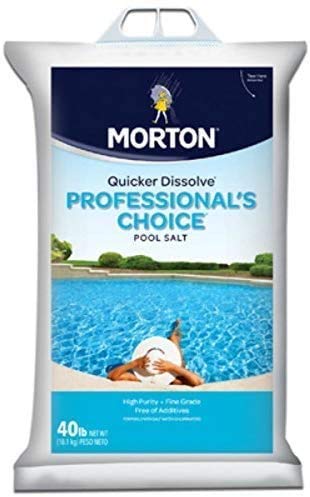
- VC Score9.2
BCP Score is a ranking system developed by bestcleanerproducts.com. BCP Score has no relationship or impact from any manufacturers or sales agent websites. Learn more
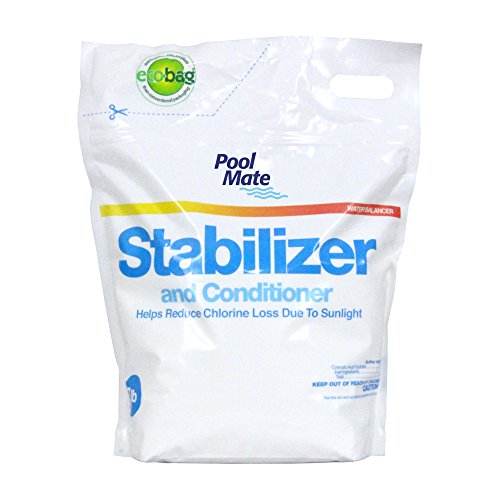
- BrandPool Mate
- VC Score9.0
BCP Score is a ranking system developed by bestcleanerproducts.com. BCP Score has no relationship or impact from any manufacturers or sales agent websites. Learn more
- BrandEasyGoProducts

- VC Score9.0
BCP Score is a ranking system developed by bestcleanerproducts.com. BCP Score has no relationship or impact from any manufacturers or sales agent websites. Learn more
- BrandMerkia
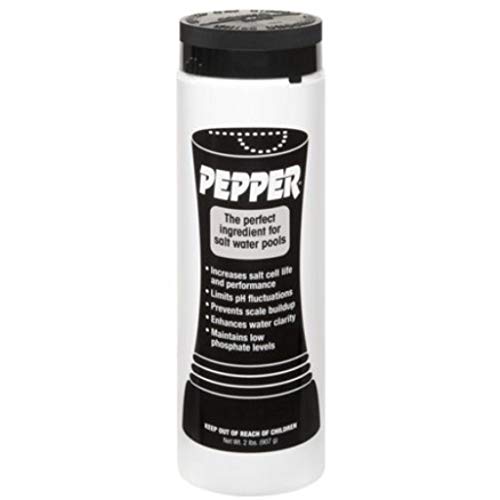
- VC Score9.0
BCP Score is a ranking system developed by bestcleanerproducts.com. BCP Score has no relationship or impact from any manufacturers or sales agent websites. Learn more
- BrandAPI Water

- VC Score8.8
BCP Score is a ranking system developed by bestcleanerproducts.com. BCP Score has no relationship or impact from any manufacturers or sales agent websites. Learn more
- BrandPeach Country

- VC Score8.8
BCP Score is a ranking system developed by bestcleanerproducts.com. BCP Score has no relationship or impact from any manufacturers or sales agent websites. Learn more
- BrandMerkia
Last update on 2026-10-08 / Affiliate links / Images, Product Titles, and Product Highlights from Amazon Product Advertising API
FAQs
Can I use regular water softener salt in my pool?
You can only use water softener salt if the bag clearly states it is 99.4 percent pure evaporated salt with zero additives. Many water softener pellets contain binding agents, rust inhibitors, and anti-caking chemicals that will cloud your water or leave stubborn brown stains on pool walls. Dedicated pool salt is ground into fine granules that dissolve far faster than dense softener pellets.
Does pool salt evaporate with the water?
No, salt never evaporates. When pool water heats up in the sun, only pure water vapor leaves the pool, leaving the salt molecules behind in the remaining water. Your salt level only drops when water physically leaves the basin through backwashing, heavy splashing, leaks, or winter drainage. If your water level drops from evaporation alone, simply add fresh hose water to restore your balance.
How soon can you swim after adding salt to the pool?
You can safely swim roughly 30 to 45 minutes after adding salt, as long as all the granules have completely dissolved and the pump has mixed the water. Swimming in water with dissolved salt is completely safe for skin and eyes. But avoid swimming while large piles of un-dissolved salt still sit on the floor, as kicking up heavy grit can irritate feet and interfere with brushing.
Why does my salt cell say low salt after I just added bags?
Chlorine generator control panels calculate salt based on an electrical sensor, not chemical dip strips. If the water has not circulated for a full 24 hours, the salt has not fully dispersed, leading to false low readings. Cold water below 60 degrees Fahrenheit or a cell coated in white calcium scale will also cause the control panel to report low salt even when the actual water concentration is completely fine.


How to Refinish a Fiberglass Pool

How Do You Keep Raccoons Out of Your Pool?

How to Fix Cyanuric Acid in Your Pool

How to Shape a Pool Cue Tip to Stop Miscues

12 Best Automatic Vacuum For Intex Above Ground Pool of 2026 To Keep Vinyl Floors Spotless

10 Best Automatic Pool Vacuum For Above Ground Pool of 2026 To End Manual Scrubbing

How Much Pool Clarifier Should You Use for Your Pool Size?

How Much Does a Pebble Tec Pool Cost to Build or Resurface?








