
How High Do You Fill a Pool to Protect the Pump?

The ideal water level rests halfway to two-thirds up the skimmer opening, the rectangular wall box that draws in floating leaves. That target changes only if the pool has an inflatable top ring with a printed line instead of a built-in wall box. Keeping the water right at this midpoint lets the floating flap catch dirt while feeding a steady, safe flow into the filter pump.
A few normal situations will nudge that water line over the season. A forecast of heavy rain means keeping the pool slightly lower to prevent an overflow, while scorching summer heat and heavy splashing can quickly drain it below the safety line. Closing up for freezing winter weather also requires draining the water below the wall fittings. Here is how to read your water line accurately and keep your equipment running safely.
Where Pool Water Should Sit on Your Skimmer Box
Every standard in-ground pool and hard-walled above-ground pool depends on a skimmer (a wall box that pulls water and floating leaves into the filter). If you walk over to the edge of your pool and look down into that plastic or concrete box, you will see a rectangular opening built into the wall. The correct water line for almost every residential pool is halfway to two-thirds of the way up that skimmer opening.
You can also check the height against the waterline (the tile border where water meets the pool wall). On pools finished in concrete or gunite, fiberglass, or pebble aggregate (like Pebble Tec), builders almost always install a six-inch band of tile at the top. The skimmer mouth sits right in the middle of that band. When your water sits right across the center of that tile line, your water level is right where it needs to be. For a vinyl liner pool, look at the plastic faceplate screwed into the wall around the skimmer mouth. The water should hit the center of that faceplate, roughly halfway between the top screws and the bottom screws.
Inside the mouth of the skimmer sits the weir door (a floating flap inside the wall box that traps debris). This small hinged flap floats on the surface of the water entering the box. As the pump pulls water from beneath, the flap creates a small waterfall effect that speeds up the water moving across the pool surface. That quick surface pull drags in pollen, bugs, and floating leaves before they get waterlogged. When the pump shuts down, the flap floats upward and seals against the mouth, keeping all that trapped trash inside the collection basket so it cannot float back out into your pool.
Keeping the water level at the midpoint gives that flap enough room to bob up and down freely. If the water rises too high, the flap stays submerged and cannot create surface pull. If the water drops too low, the flap drops flat and the box runs dry. Aiming directly for the middle gives your pool a safe buffer of two to three inches in either direction.
What Happens When Pool Water Is Too Low or Too High
Setting the water line is not just about keeping the pool looking full. It directly controls whether your filtration equipment runs smoothly or destroys itself. Letting the water move too far in either direction causes immediate trouble for your equipment and your water clarity.
When the water level drops below the bottom third of the skimmer mouth, your pump begins pulling in air alongside water. You will see a small whirlpool form inside the skimmer box, followed by a loud, sucking gurgle through the pipes. That air travels straight into the pump housing, leading to cavitation (running dry and churning air bubbles inside the pump instead of moving solid water). Pool pumps rely on the cold pool water moving through them to cool their internal parts. When a pump churns air, friction and heat build up in seconds. The pump basket can warp, the rubber shaft seals melt, and the electric motor burns out from heat exhaustion.
A burned motor is an expensive accident. Reviewing how much pool equipment costs makes it obvious that replacing a melted pump pot or a fried motor costs far more than running a hose for an hour. If hot pipes soften and warp, you can also end up with underground air leaks. Looking up how much it costs to repair a pool will show you that digging up cracked suction plumbing around a pool deck is one of the most frustrating repairs an owner can face. For suction safety, always remember to turn off the circulation pump before reaching into the skimmer or disconnecting suction hoses to prevent entrapment or hand injuries.
Overfilling creates the opposite issue. When heavy rain or an unmonitored hose fills the pool past the top edge of the skimmer mouth, the weir flap gets pinned underwater. Because water can flow freely into the top of the box without spilling over the flap edge, the surface suction disappears completely. Floating leaves, grass clippings, and body oils just drift around the deep end instead of getting pulled into the skimmer basket. Those leaves quickly soak up water, sink to the floor, and decompose into algae food.
When surface skimming stops working, your bottom cleaners have to do all the heavy lifting. Whether you connect a suction-side cleaner (attaches to your pool skimmer or dedicated vacuum port and uses your pool pump's suction) or drop in a robotic cleaner (a self-powered unit with its own internal debris basket), your equipment ends up running extra cycles to clear piles of sunken leaves that the skimmer should have caught hours earlier. Overfilled water can also spill behind the deck coping stones, washing out the packed soil beneath your concrete deck or shifting the sand base under an above-ground liner.
Checking the Fill Line on Above-Ground and Inflatable Pools
Not every backyard pool uses a built-in skimmer box set into concrete. Soft-sided frame pools and inflatable ring pools need a different approach, because their walls and filter setups handle water pressure differently.
If you own an above-ground pool with rigid steel or resin walls, you still have a standard through-wall skimmer box. Follow the exact same rule as an in-ground pool: keep the water level resting halfway up the skimmer faceplate. If you are filling the pool from empty, pause when the water is two inches deep across the floor to smooth out any wrinkles in the vinyl liner. Once the water gets deeper, the immense weight of the water pins the vinyl against the sand base, making wrinkles impossible to push out.
Inflatable ring pools do not use a built-in wall box. Instead, they rely on an inflated vinyl collar at the top edge of the pool. The walls have no metal frame; they stand upright purely because the water pushes against the underside of that floating ring. For these pools, ignore skimmer rules and look at the printed markings on the inside vinyl wall. Manufacturers print a bold line that shows the maximum fill height, which sits directly below the curve of the inflated ring.
Never fill an inflatable pool above that printed line. If water rises over the bottom curve of the inflated collar, the ring can roll outward, dumping thousands of gallons of water across your yard in seconds. Underfilling is just as bad. If you do not fill the pool right up to the bottom of the inflated ring, the vinyl side walls will remain floppy and loose. The pool will lose its shape, and water will splash out every time a swimmer leans against the edge.
Soft-sided pools also use wall strainers that poke through round cutouts in the liner to feed small cartridge pumps. Always verify that these round suction strainers stay submerged by at least four to six inches of water. Because small above-ground filter pumps use low-horsepower motors, pulling even a small pocket of air into the line can airlock the pump and burn it out within minutes.
Four Steps to Keep Your Pool Water Level Balanced
Maintaining the water line at the exact midpoint of your skimmer takes a steady routine, especially during the peak heat of summer. Follow these four practical steps to keep your water height balanced against heat, storms, and regular cleaning:
- Check the water level against your skimmer box every morning before the pump runs. Wind and summer sun pull moisture out of your pool daily, and keeping track of how much water a pool loses each day helps you catch low water before your pump starts sucking air and grinding dry.
- Lower the water two inches below the midpoint before major rainstorms hit. A single afternoon thunderstorm can drop three inches of rain onto your pool surface, so creating a small buffer prevents the storm from pinning your weir door flat and flooding your surrounding deck.
- Discharge excess water through your filter waste line after heavy storms. If heavy rains push the water line to the top of the skimmer mouth, set your multiport valve to the waste or drain setting to pump water directly down the cleanout pipe without washing storm dirt into your filter media.
- Top off the pool with a garden hose right after backwashing or vacuuming. Cleaning trapped dirt out of a sand filter or vacuuming settled algae out to the street drains dozens of gallons in minutes, so refilling the pool right away prevents the pump from running dry on its next automated cycle.
Using an Automatic Water Leveler to Protect Your System
If you travel often, work long hours, or live in an area with dry heat, keeping a pool filled by hand can turn into a daily chore. Forgetting the hose on the grass leads to a noisy, damaged pump, while forgetting that the hose is running inside the pool leads to an expensive, flooded yard. An automatic pool water leveler solves this balance by managing the water line on its own.
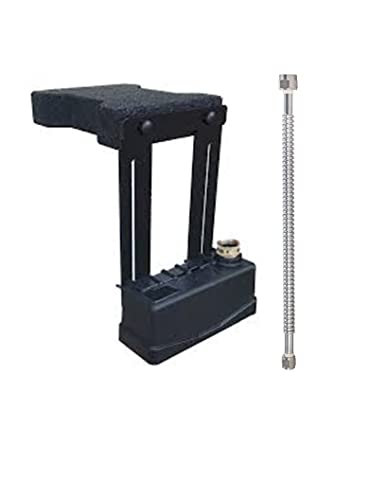
These devices sit on your pool deck coping and hook directly to an ordinary garden hose. Inside the unit is a simple mechanical float valve, similar to the float arm inside a home toilet tank. You adjust the float arm so it matches the exact halfway mark on your pool skimmer opening. When summer evaporation drops the water level even a fraction of an inch, the float arm drops down and opens the water valve, trickling fresh water into the pool. Once the water rises back to the midpoint of the skimmer, the float arm lifts and shuts the water flow off completely.
When looking for a pool water leveler, prioritize a heavy base. Models with a solid, weighted base or a thick rubber grip stay firmly planted on the deck edge, preventing the unit from getting tugged into the pool if someone trips over the garden hose. Look for durable brass connections or braided stainless steel supply lines rather than thin plastic hose fittings that become brittle and crack under direct sun exposure. Also verify that the float arm offers a wide vertical adjustment range so you can match the water line cleanly, whether you have thick stone coping on an in-ground pool or a flat top rail on an above-ground build.
If you use any powered pool equipment alongside your leveler, keep electrical safety at the front of your mind. Always plug outdoor equipment into an outdoor GFCI outlet (a protected ground-fault outlet with a weatherproof cover) located at least 10 feet back from the pool edge. Never let anyone swim while hoses, extension tools, or cleaner cords are sitting in the pool water.

- VC Score10.0
BCP Score is a ranking system developed by bestcleanerproducts.com. BCP Score has no relationship or impact from any manufacturers or sales agent websites. Learn more
- BrandHJFUDFU
- VC Score9.4
BCP Score is a ranking system developed by bestcleanerproducts.com. BCP Score has no relationship or impact from any manufacturers or sales agent websites. Learn more
- BrandFill-O-Matic

- VC Score9.4
BCP Score is a ranking system developed by bestcleanerproducts.com. BCP Score has no relationship or impact from any manufacturers or sales agent websites. Learn more
- BrandThe World Game

- VC Score9.0
BCP Score is a ranking system developed by bestcleanerproducts.com. BCP Score has no relationship or impact from any manufacturers or sales agent websites. Learn more
- BrandAirlie

- VC Score8.8
BCP Score is a ranking system developed by bestcleanerproducts.com. BCP Score has no relationship or impact from any manufacturers or sales agent websites. Learn more
- BrandColeman

- VC Score8.6
BCP Score is a ranking system developed by bestcleanerproducts.com. BCP Score has no relationship or impact from any manufacturers or sales agent websites. Learn more
- BrandBylot

- VC Score8.2
BCP Score is a ranking system developed by bestcleanerproducts.com. BCP Score has no relationship or impact from any manufacturers or sales agent websites. Learn more
- BrandIntex
Last update on 2026-10-08 / Affiliate links / Images, Product Titles, and Product Highlights from Amazon Product Advertising API
FAQs
Can a pool be too full to run the filter pump?
The pump will still physically pump water when the pool is completely full, but the filtration system cannot clean the surface properly. An overfilled pool pins the weir door down, which prevents floating leaves, bugs, and pollen from getting trapped inside the skimmer basket. If water rises above the skimmer opening, drain an inch or two using your filter waste line so surface skimming can resume.
How long does it take to fill a pool with a garden hose?
An average home garden hose puts out roughly nine to twelve gallons of water per minute. Raising the water level by just one inch in a standard 16 by 32-foot in-ground pool usually takes three to five hours of steady filling. For small above-ground or inflatable pools, that same garden hose can often bring the water up to the proper fill line in two to four hours.
Should I fill my pool all the way to the top when closing it for winter?
No, you should never fill your pool to the top when closing it down for freezing weather. Water expands as it freezes into solid ice, which can easily crack your skimmer box, pop waterline tiles, and split underground pipes. Most winter pool closings require lowering the water four to six inches below the bottom of the skimmer mouth so the plumbing lines can be blown dry and plugged safely.
Can I leave a garden hose running in the pool overnight?
Leaving a hose running all night is risky because it is very easy to sleep past your alarm and overfill the pool. Running water unattended for eight hours can wash out the soil supporting your concrete deck, shift the sand under a vinyl liner, and flood your yard. If you must add water in the evening, use a mechanical hose timer valve that shuts the water supply off automatically after two hours.


How to Refinish a Fiberglass Pool

How Do You Keep Raccoons Out of Your Pool?

How to Fix Cyanuric Acid in Your Pool

How to Shape a Pool Cue Tip to Stop Miscues

12 Best Automatic Vacuum For Intex Above Ground Pool of 2026 To Keep Vinyl Floors Spotless

10 Best Automatic Pool Vacuum For Above Ground Pool of 2026 To End Manual Scrubbing

How Much Pool Clarifier Should You Use for Your Pool Size?

How Much Does a Pebble Tec Pool Cost to Build or Resurface?








