
How Long Do Pool Robots Last?

A pool owner glances out at the backyard and notices the machine crawling slower than usual, struggling to climb the deep end wall. Most corded robotic pool cleaners survive for three to five years, while cordless battery versions typically last two to three years.
The actual lifespan depends heavily on your daily water habits and routine care. Leaving the unit soaking in heavily chlorinated water or baking under the afternoon sun degrades plastic housings and ruins watertight rubber seals. Changing worn drive tracks (the rubber belts that grip the floor) and emptying clogged filters keeps the motor from overworking itself. A few sensible habits will prevent an early breakdown and keep the machine running smoothly season after season.
Corded Cleaners Last Longer Than Cordless Battery Models
A corded robotic cleaner (a self-powered unit with its own internal debris basket) generally lasts between 3 and 5 years. Cordless battery models typically survive 2 to 3 years. The main reason for this gap comes down to how each machine gets its power.
Corded cleaners draw electricity from a control box (the power supply unit plugged into your wall) through a long floating cable. The electric motors inside the cleaner only run when the machine is cleaning. As long as the waterproof seals hold up, those motors can spin for hundreds of cycles over multiple seasons without losing raw suction power. You might need to swap out a worn belt or brush along the way, but the main power system does not degrade simply from sitting on a shelf.
Cordless cleaners rely on built-in rechargeable lithium batteries. Every time you run and recharge a battery-powered pool vacuum, the internal cells lose a tiny fraction of their maximum storage capacity. After two or three summers of regular swimming season use, the battery can no longer hold enough energy to finish a full cleaning cycle. Because manufacturers seal the battery inside a watertight motor housing to keep pool water away from the electronics, replacing an old battery is often difficult or impossible. Once the battery pack fails to hold a charge, the whole machine usually needs to be replaced.
Your pool type also plays a role in how hard the motor works. Cleaners designed for in-ground swimming pools up to 50 feet face longer runs, steeper climbs, and heavier debris loads than smaller cleaners built for above-ground setups. A corded machine handling that workload spreads the strain across durable internal wiring, while a battery unit drains rapidly under heavy load, causing the battery cells to age faster.
Wearable Parts Fail Long Before The Motor Dies
When a pool cleaner stops climbing walls or moves sluggishly across the floor, owners often assume the motor has burned out. In reality, most early performance problems come down to inexpensive wearable parts that simply need replacement. Checking these items first can save you hundreds of dollars.
- Rubber tracks or drive wheels: Drive tracks (the rubber belts that help the cleaner grip walls and floor) stretch, loosen, and lose their tread over time. If the tracks feel loose or smooth to the touch, the machine will spin its wheels on slick surfaces instead of climbing. Replacing stretched drive tracks usually restores normal movement immediately.
- Scrubbing brushes: The rotating brushes on the front and rear loosen fine silt, algae, and dirt. Rough pool surfaces like concrete or gunite grind down the rubber blades or foam rings over a couple of seasons. When the bristles wear down flat, the robot loses traction and leaves dirt behind.
- Filter basket or collection canister: The internal filter basket collects leaves, bugs, and fine sand. Mesh panels can tear under water pressure or from sharp twigs. A torn filter lets grit blow straight back into the pool and allows coarse particles into the motor area. Replacing a worn basket protects your cleaner just like knowing how much a new pool filter costs protects your main pool equipment plan.
- The impeller: The impeller (a small spinning fan that pulls water and debris inside) sits directly beneath the top water outlet. Long hair, string, pine needles, and small twigs can wrap around the fan axle. When the impeller jams, the motor cuts power automatically to prevent overheating, which can make the machine look dead when it only needs a quick cleanout.
- Swivel cable: On corded models, a swivel joint (a cord connector that spins freely to prevent twists) keeps the floating cable from coiling into knots. If this joint gets jammed with sand or calcium buildup, the cord tangles tightly. A tangled cord keeps the cleaner stuck in one corner of the pool and puts physical tension on the electrical connections.
Chemicals And Direct Sunlight Ruin Cleaners Prematurely
Robotic cleaners fail early most often because of poor storage and harsh water chemistry rather than mechanical flaws. Leaving the machine submerged in the pool constantly is the quickest way to ruin it.
Pool water is full of sanitizers and minerals that slowly attack plastic and rubber. The motor box (a sealed, watertight housing that keeps electricity away from water) relies on flexible rubber O-rings and gaskets. When you leave the unit underwater for weeks at a time, chlorine and out-of-balance pH cause those rubber seals to dry out, stiffen, and crack. Once water creeps past the gasket into the motor box, the electrical boards short out and the cleaner dies permanently.
Adding chlorine shock while the robot is in the pool causes rapid damage. Shock treatments spike sanitizer levels to intense concentrations that bleach plastic casings, turn rubber tracks brittle, and corrode metal axle pins. Always pull the robot completely out of the pool before adding shock, acid, or algaecide, and wait until chemical levels return to safe swimming ranges before dropping it back in.
Sunlight is just as destructive outside the water. Leaving the cleaner on a hot concrete deck under direct sun exposes the housing to intense ultraviolet rays. Sunlight weakens the plastic shell, making it brittle enough to crack the next time it bumps into a pool step. The heat also degrades internal battery packs on cordless models, permanently reducing their operational run time.
Pulling the machine out of the deep end by its floating power cord is another common mistake. The cord contains delicate copper wires and waterproof insulation. Tugging the heavy, water-filled machine by the cable stretches the copper strands inside, eventually snapping the electrical circuit near the handle.
Simple Routine Care Adds Years To Cleaner Life
Following a steady post-cleaning routine takes less than five minutes and can easily double the operating life of your machine. Treat the cleaner as precision maintenance gear rather than permanent pool furniture.
- Lift the cleaner by the handle: Gently pull the floating cable until the cleaner reaches the edge of the pool deck. Reach down, grab the sturdy top handle, and lift the unit halfway out of the water. Hold it over the water for ten to fifteen seconds so the internal reservoir drains completely. This simple pause prevents excess water weight from stressing the outer frame.
- Rinse the machine with fresh water: Use a standard garden hose to spray down the entire exterior, the brushes, and the drive tracks right after removing the unit from the pool. Rinsing washes away chlorine, salt, and mineral scale before they dry into a crust on the moving parts.
- Empty and wash the filter basket: Open the top lid and pull out the collection canister. Dump out leaves and sediment, then spray the mesh panels from the outside in using your garden hose. Clean filters allow water to flow freely, keeping the suction motor running cool and easy during the next cycle.
- Check the top water discharge: Look into the top port where water exits the machine. Confirm the impeller fan spins freely and that no palm fronds, hair, or gravel are caught around the center shaft.
- Store the cable in large, loose loops: Lay the floating power cord flat on the deck for a few minutes so warmth from the air relaxes any bends. Coil the cable into loose, wide loops, or hang it on the hooks of a transport caddy. Never wrap the cord tightly around your elbow, which twists and kinks internal wiring.
- Park the cleaner in a protected spot: Keep the cleaner in a shaded patio box, a pool shed, or your garage. Keeping the unit out of freezing winter weather and away from baking summer sun prevents the plastic and rubber parts from hardening.
- Follow basic electrical safety: Always plug the control box into an outdoor GFCI outlet (a protected ground-fault outlet with a weatherproof cover) set at least 10 feet back from the pool edge. Never let anyone swim while the cleaner or its electrical cord is in the pool water.
Replace The Machine When Motor Box Seals Fail
Deciding whether to repair an older cleaner or replace it comes down to which component has failed and how many seasons the machine has worked. Minor fixes make practical financial sense, while internal electronic failures usually signal the end of the machine's life.
External repairs are almost always worth doing on a cleaner that is under four years old. New drive tracks, fresh scrubbing brushes, replacement filter panels, and new wheel bearings cost relatively little. You can install all of these parts yourself using a standard screwdriver in under twenty minutes. If the motors still run smoothly and the control box powers up without error lights, replacing wearable parts gets the unit running like new.
Motor box issues require a different approach. If pool water leaks past the internal gaskets, the sealed motor unit will burn out. Buying a replacement motor box from the manufacturer often costs more than half the price of a brand-new machine, and installing it requires taking apart the entire waterproof housing. If your cleaner is already three or four years old and suffers a dead motor or a fried control box, spending money on major parts rarely makes sense.
Take a close look at the condition of the main housing and cable as well. If the plastic shell is chalky and cracked, the floating cord has outer tears, and the motor sounds like it is grinding, retirement is the smartest route. Factoring these repair costs against overall pool equipment costs helps you decide when an upgrade delivers better value than constant patchwork fixes.
What To Look For In A Replacement Cleaner
If your old machine is beyond repair, choosing the right replacement starts with matching the cleaner to your pool dimensions and interior surface. Picking the right match prevents motor strain and ensures the new unit lasts for years.
Confirm the machine is rated for your pool size and style. In-ground pools with deep ends require longer power cords and stronger drive systems than shallow, flat-bottom above-ground pools. A cleaner with a short cord will stretch and bind when it tries to reach the far corners of a large pool, putting unnecessary stress on the swivel joint.
Match the brushes and traction system to your pool surface material. Smooth surfaces like fiberglass, vinyl liners, and glazed tile borders near the waterline need softer brushes or grippy tracks to climb without slipping. Rougher finishes such as concrete, gunite, or pebble aggregate provide plenty of natural grip for standard rubber treads, but they wear down scrubbing pads more quickly.
Look for convenient maintenance features that make daily care easy. Top-loading filter baskets with clear access lids allow you to pull and rinse debris in seconds without turning a wet, heavy machine upside down. Easy-clean filter access encourages frequent rinsing, which protects the motor from dirt blockages.
Finally, check the warranty terms and the availability of basic replacement parts. A solid multi-year warranty provides peace of mind against early component defects. Choosing an established brand that sells standalone replacement tracks, brushes, and filter baskets ensures you can maintain your machine affordably as wearable parts age naturally over time.

- VC Score9.0
BCP Score is a ranking system developed by bestcleanerproducts.com. BCP Score has no relationship or impact from any manufacturers or sales agent websites. Learn more
- BrandDolphin

- VC Score8.8
BCP Score is a ranking system developed by bestcleanerproducts.com. BCP Score has no relationship or impact from any manufacturers or sales agent websites. Learn more
- BrandBaopilong

- VC Score9.0
BCP Score is a ranking system developed by bestcleanerproducts.com. BCP Score has no relationship or impact from any manufacturers or sales agent websites. Learn more
- BrandULTICOR
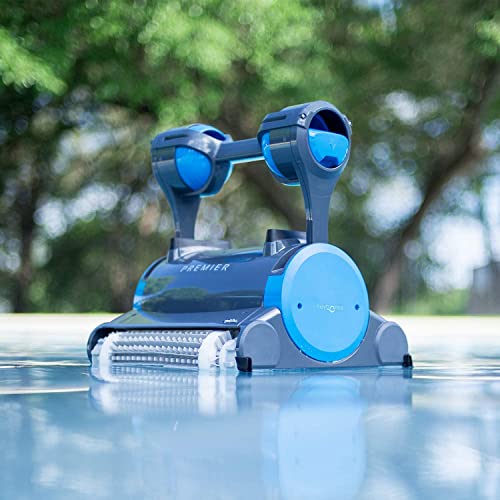
- VC Score8.8
BCP Score is a ranking system developed by bestcleanerproducts.com. BCP Score has no relationship or impact from any manufacturers or sales agent websites. Learn more
- BrandDolphin
- VC Score8.8
BCP Score is a ranking system developed by bestcleanerproducts.com. BCP Score has no relationship or impact from any manufacturers or sales agent websites. Learn more
- BrandDolphin
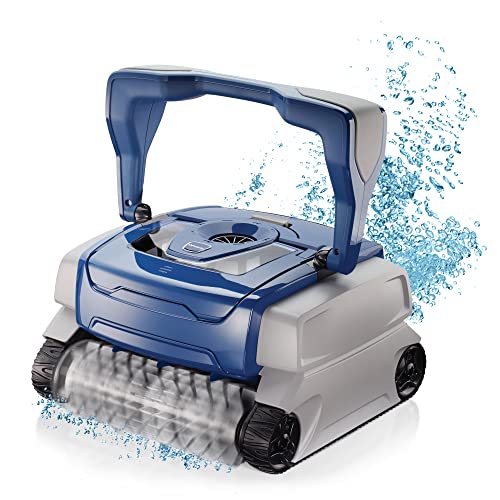
- VC Score8.6
BCP Score is a ranking system developed by bestcleanerproducts.com. BCP Score has no relationship or impact from any manufacturers or sales agent websites. Learn more
- BrandPolaris

- VC Score8.4
BCP Score is a ranking system developed by bestcleanerproducts.com. BCP Score has no relationship or impact from any manufacturers or sales agent websites. Learn more
- BrandPolaris

- VC Score8.2
BCP Score is a ranking system developed by bestcleanerproducts.com. BCP Score has no relationship or impact from any manufacturers or sales agent websites. Learn more
- BrandWYBOT

- VC Score7.8
BCP Score is a ranking system developed by bestcleanerproducts.com. BCP Score has no relationship or impact from any manufacturers or sales agent websites. Learn more
- BrandHydrus

- VC Score7.4
BCP Score is a ranking system developed by bestcleanerproducts.com. BCP Score has no relationship or impact from any manufacturers or sales agent websites. Learn more
- BrandIntex

- VC Score7.4
BCP Score is a ranking system developed by bestcleanerproducts.com. BCP Score has no relationship or impact from any manufacturers or sales agent websites. Learn more
- BrandWYBOT

- VC Score7.0
BCP Score is a ranking system developed by bestcleanerproducts.com. BCP Score has no relationship or impact from any manufacturers or sales agent websites. Learn more
- BrandGrennix

- VC Score7.0
BCP Score is a ranking system developed by bestcleanerproducts.com. BCP Score has no relationship or impact from any manufacturers or sales agent websites. Learn more
- BrandDolphin

- VC Score-
BCP Score is a ranking system developed by bestcleanerproducts.com. BCP Score has no relationship or impact from any manufacturers or sales agent websites. Learn more
- BrandGrennix
Last update on 2026-10-08 / Affiliate links / Images, Product Titles, and Product Highlights from Amazon Product Advertising API


How to Refinish a Fiberglass Pool

How Do You Keep Raccoons Out of Your Pool?

How to Fix Cyanuric Acid in Your Pool

How to Shape a Pool Cue Tip to Stop Miscues

12 Best Automatic Vacuum For Intex Above Ground Pool of 2026 To Keep Vinyl Floors Spotless

10 Best Automatic Pool Vacuum For Above Ground Pool of 2026 To End Manual Scrubbing

How Much Pool Clarifier Should You Use for Your Pool Size?

How Much Does a Pebble Tec Pool Cost to Build or Resurface?


