

Active chlorine lasts 2 to 4 days in pool water, while tablets dissolve over 3 to 7 days. Pinpoint why levels crash fast and how to stop sunlight burn-off.

Deck diving requires at least 8 to 9 feet of water, while boards need 9 to 12 feet. Check your pool floor slope and safe depth limits before anyone dives in.

Pool inspection fees depend on whether you book a home inspector add-on or a dedicated specialist. See what each covers to avoid costly repair surprises.

Flush out trapped dirt with a quick backwash and dissolve greasy oils with a deep soak. Clear cloudy water safely without blowing sand into your pool.

Pool removal costs hinge on partial burial versus full excavation. Hidden fees like permits, dirt delivery, and soil compaction decide your final bid.

Dissolve stubborn hair and grease without caustic fumes or pipe damage. Target organic clogs with septic-safe, enzymatic cleaners that keep plumbing clear.

Attach the green safety wire to the inside screw so your breaker cuts power instantly during a short. Learn safe steps for plug-in pumps and bonding lugs.

Plan your pool remodel budget by comparing basic resurfacing to a full overhaul, and prepare for hidden structural costs before draining the water.

See the full sequence from digging and rebar to plumbing, concrete spraying, and daily curing. Know what crews handle to prevent shell cracks and leaks.

Drain the water without flooding your yard, slice the liner, and safely take down the steel wall and frame so you can haul it away and reclaim your lawn.

Wipe soapy water over your pool float or dunk it underwater to spot escaping air bubbles. Pinpoint hidden pinholes and loose valves before throwing it away.

Brush your pool right after shocking. Scrubbing right away stops shock from bleaching the floor and breaks open algae slime so chlorine clears the water fast.

Filling a pool with a hose takes 12 to 48 hours. Calculate your exact timeline, safely speed up the wait, and protect your well pump from burning out.

Scrub slick algae without scratching fiberglass or tearing vinyl liners. Match bristle materials and curved head designs directly to your pool finish.

Remove the cover, pull winter plugs, prime the pump safely, and balance water in the right order to open your inground pool without equipment damage.
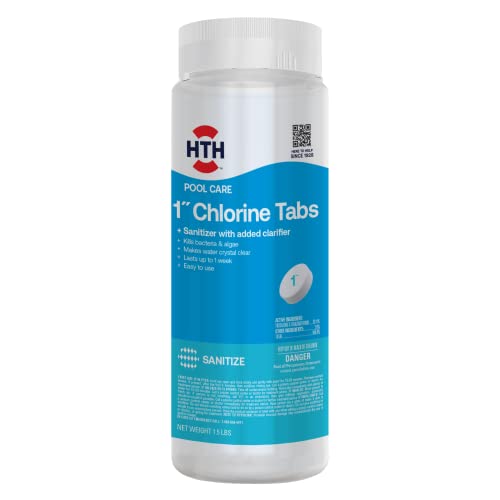
Add one 3-inch tablet for every 5,000 to 10,000 gallons of pool water each week. Match the dose to your pool size and load them safely to protect your liner.

Measure along the inside water line from wall to wall, not the deck. Add the right fabric overlap for your cover style to prevent sagging and costly returns.

Real sand pools mix natural sand with waterproof resin over a rubber liner, not loose sand. Here is how the build works and why it keeps your pump safe.

Balance alkalinity and pH first, protect against well water metals, and add chlorine last to keep fresh pool water clear without bleaching your liner.

See what drives pool cage rescreening bills, from single panel fixes to full replacements. Compare mesh durability, height fees, and DIY versus pro labor.


