
How Many Chlorine Tablets Do You Put in a Pool?

Most pool owners assume filling a floating dispenser to the top is the easiest way to keep water clean. In reality, the safe standard is one 3-inch tablet for every 5,000 to 10,000 gallons of pool water each week, or three to five 1-inch tablets for every 5,000 gallons. Guessing with full handfuls builds up harsh acid that can fade vinyl liners and irritate eyes, while using too few invites green algae overnight.
The exact tablet count shifts based on total pool volume, direct summer sunlight, and how many people swim each afternoon. Blistering heat and frequent pool parties burn through sanitizer quickly, so the water might need an extra tablet during peak summer months. Checking the chlorine reading weekly with a dip strip shows whether levels stay in the safe zone between 1 and 4 parts per million. Here is how to calculate the exact dosage for your pool size and load them safely.
Chlorine Tablet Dosage by Pool Volume
The standard rule for clear, sanitized water is one 3-inch tablet for every 5,000 to 10,000 gallons of pool water each week. If you use 1-inch tablets, you will need roughly three to five small tablets for every 5,000 gallons. The goal is to keep your chlorine reading level (often measured in parts per million, or ppm) sitting steadily between 1 and 4 ppm.
Because every backyard pool gets a different amount of shade, use, and fresh rainwater, here is a starting point for common pool sizes:
- 5,000 gallons (small above-ground pool): One 3-inch tablet or three to five 1-inch tablets each week.
- 10,000 gallons (medium above-ground or small in-ground pool): One to two 3-inch tablets each week.
- 15,000 gallons (medium in-ground pool): Two to three 3-inch tablets each week.
- 20,000 gallons (standard in-ground pool): Two to four 3-inch tablets each week.
- 25,000 gallons (large in-ground pool): Three to five 3-inch tablets each week.
- 30,000 gallons (extra-large in-ground pool): Four to six 3-inch tablets each week.
These numbers represent your baseline maintenance dose. Hot summer days with bright sunshine burn through sanitizer quickly because ultraviolet rays break down chlorine. A pool full of splashing children will also burn through chlorine faster than a pool that sits covered during the workweek. Always start on the lower end of the tablet range, check your water chemistry after two days, and add another tablet only if your reading drops below 1 ppm.
How to Estimate Your Pool Gallons
You cannot dose your pool correctly without knowing roughly how much water it holds. Fortunately, you do not need complicated math to find a reliable estimate. All you need is your pool dimensions in feet and a simple multiplier that accounts for the shape of the basin.
Start by finding your average water depth. Add the shallow end depth in feet to the deep end depth in feet, then divide that number by two. If your shallow end is 3 feet deep and your deep end is 7 feet deep, your average depth is 5 feet. Once you have that number, follow the formula for your pool shape:
- Rectangular pools: Multiply length times width times average depth times 7.5. For example, a 16 by 32-foot pool with an average depth of 5 feet holds roughly 19,200 gallons.
- Round pools: Multiply diameter times diameter times average depth times 5.9. A 24-foot round above-ground pool with 4 feet of water holds about 13,593 gallons.
- Oval pools: Multiply length times width times average depth times 6.7. An 18 by 33-foot oval pool that is 4 feet deep holds around 15,919 gallons.
If your pool has an irregular or kidney shape, split it into two simpler shapes in your head, calculate each section, and add the gallons together. Getting within 1,000 to 2,000 gallons of your actual volume is plenty accurate for tablet dosing. If you are filling a basin from scratch, learning how to treat new pool water in the right order will help you build your baseline chemistry before you start dropping in weekly tablets.
Comparing 1-Inch and 3-Inch Chlorine Tablets
When you walk down the pool aisle, you will see buckets of tiny 1-inch discs and thick 3-inch pucks. Most tablets are made of slow-dissolving tablet material (chemically known as trichlor, or trichloro-s-triazinetrione). Trichlor contains around 90 percent available chlorine and includes built-in stabilizer, which acts as a chlorine sunblock (cyanuric acid) to protect the sanitizer from burning off in direct sunlight.
The main difference between the two sizes is the rate at which they dissolve in water:
- 3-inch tablets: Each tablet weighs about 7 to 8 ounces. Because they have a small surface area relative to their thick volume, they melt slowly over five to seven days. They are the ideal choice for full-sized swimming pools (10,000 gallons and up) because you can load them into a dispenser once a week and walk away.
- 1-inch tablets: Each tablet weighs around half an ounce. They have far more exposed surface area for their weight, so they dissolve much faster. They are designed for small above-ground pools, inflatable splash pools, and hot tubs under 5,000 gallons. Using 3-inch tablets in a small spa would push the chlorine level dangerously high within 24 hours.
Always keep your tablet buckets tightly sealed in a cool, dry, well-ventilated spot away from gas cans and fertilizers. Knowing how long pool chemicals last in storage ensures your sanitizer remains strong and safe season after season.
Where to Put Tablets: Floaters, Dispensers, and Skimmers
Knowing how many tablets to use is only half the battle; where you put them matters just as much. Trichlor tablets are dense and highly acidic, with a pH close to 3. If you drop them in the wrong spot, they can destroy your pool equipment or ruin your interior finish.
- Floating chemical dispensers: This is a plastic buoy that drifts across the water surface with tablets tucked in its belly. As the floater drifts, water slips through adjustable vents in the bottom and slowly dissolves the pucks. Floaters work well for above-ground setups and simple in-ground pools. Just make sure the floater does not get trapped on top of a ladder step or caught in one corner against a vinyl liner, or the concentrated chemical plume could bleach the surface.
- Inline chlorine dispensers: Often called an automatic chlorinator, this is a heavy-duty plastic cylinder plumbed directly into your pool pipe system right after the filter and heater. It is the best and safest way to dispense tablets. Water flows through the unit under pressure before heading back out through the return jets, keeping high acid levels away from your main equipment.
- The skimmer basket (avoid this method): Many pool owners toss two tablets straight into the skimmer basket by the pool edge. While this seems convenient, it is very hard on your pool plumbing. When your pool pump turns off for the night, the tablets keep dissolving in the stagnant water inside the skimmer housing. When the pump clicks back on the next morning, a super-concentrated slug of chlorinated acid rushes directly into your pump impeller, seals, and expensive heater core. Over time, this corrodes metal parts and makes plastic brittle.
- Never drop bare tablets onto the pool floor: Throwing a tablet directly into the water will cause it to sink and sit on the bottom. In less than 24 hours, it will bleach a white ring into a vinyl liner, pit concrete or gunite, and discolor pebble aggregate or fiberglass. Always house tablets in a dedicated dispenser.
A Step-by-Step Weekly Routine for Chlorine Tablets
Adding chlorine tablets works best when it is part of a steady weekly schedule. Follow these clear steps to keep your water balanced without guessing.
- Measure your current water chemistry with a dip strip or liquid drop kit. You need to verify that your free chlorine reading sits between 1 and 4 ppm before you add more chemical, because adding tablets to water that already reads 6 ppm can cause skin and eye irritation.
- Open your dispenser and inspect the remaining tablet pieces. You must check how much solid material is left in the chamber, because adding new tablets on top of old, crumbling fragments can cause the chamber to pack tight and restrict water flow.
- Put on chemical-safe gloves and open your tablet bucket outdoors. Opening the bucket in fresh air prevents you from breathing in concentrated chlorine gas that gathers inside tightly sealed chemical buckets.
- Load the calculated number of tablets based on your pool volume. Adding only the specific number of tablets your pool needs prevents sudden chemical spikes that can push your water out of balance.
- Adjust the flow vents on the dispenser based on your water reading. Opening the vents wider increases water contact to release more chlorine when readings are low, while closing the vents down slows the erosion rate when readings are near the top of the safe range.
- Turn on your circulation pump and verify water movement. Moving water distributes the dissolved sanitizer evenly past the waterline and prevents acidic pockets from gathering in dead spots around the pool.
How to Lower Chlorine If You Add Too Many Tablets
If you miscalculated your pool size or left your dispenser vents wide open during a warm stretch, your chlorine reading might shoot past 5 or even 10 ppm. High chlorine can bleach swimsuits, cause red eyes, dry out your skin, and slowly degrade pool equipment. Here is how to bring the level back down into the safe 1 to 4 ppm zone:
First, remove the floating dispenser or switch off the dial on your inline feeder. Take the floater out of the pool and set it inside an empty plastic bucket in a safe, shaded spot out of reach of children and pets. This cuts off the fresh supply of sanitizer immediately.
Second, take off any solar blanket or safety cover and let direct sunlight hit the water. Bright ultraviolet light breaks down free chlorine rapidly. On a sunny afternoon, uncovered pool water can lose a large portion of its active sanitizer in just a few hours through natural sunlight exposure.
Third, if your chlorine level is sky-high and you need to use the pool right away, add a commercial chlorine neutralizer (usually granular sodium thiosulfate). Follow the packaging instructions carefully, as adding too much neutralizer will wipe out all chlorine and prevent new tablets from working for several days.
Finally, check your chlorine sunblock level (cyanuric acid). Because trichlor tablets add a little cyanuric acid every time they dissolve, this chemical sunblock slowly accumulates in the water over months of use. If your cyanuric acid level climbs above 80 to 100 ppm, it causes a condition called chlorine lock, where the chlorine is trapped and can no longer kill algae or bacteria. The only way to lower cyanuric acid is to drain a portion of the pool water and refill it with fresh garden hose water.
Choosing the Right Dispenser and Pool Gear
Managing pool tablets is much simpler when you match your gear to your pool style. If you have an above-ground pool or a modest in-ground setup, an adjustable floating dispenser is an inexpensive, reliable tool. Look for a floater built from thick, UV-treated plastic that resists cracking under relentless summer heat. A locking twist-cap is also helpful to keep tablets from spilling out if swimmers create heavy waves.
For larger in-ground pools with permanent plumbing, an inline or off-line feeder installed right by the filter pump is the cleanest setup. These units hold up to 10 or 15 pounds of 3-inch tablets at once, letting you dial in precise chemical output using a numbered control knob. You will only have to open the chamber every two or three weeks to restock pucks.
Keep your cleaning equipment in mind as well. If you run a robotic cleaner (a self-powered unit with its own internal debris basket) or a suction-side cleaner (which connects to your pool skimmer or dedicated vacuum port), remove the machine from the pool whenever you add heavy shock treatments or chemical neutralizers. While routine background tablet sanitizing is completely fine for robotic cleaner rubber tracks and plastic housings, concentrated chemical clouds can degrade drive belts, brushes, and collection canisters over time. Always connect any pool power supplies to an outdoor GFCI outlet (a protected ground-fault outlet with a weatherproof cover) mounted at least 10 feet back from the pool edge for complete safety.
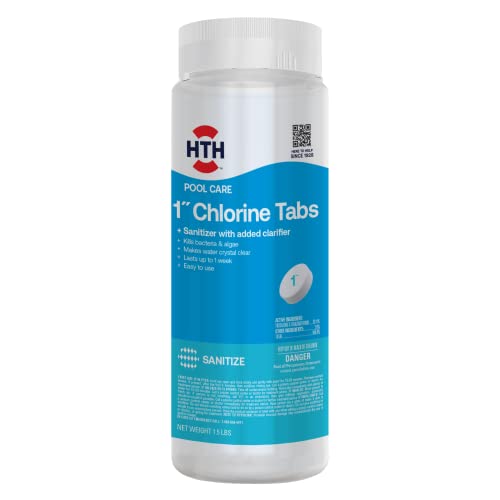
- VC Score9.4
BCP Score is a ranking system developed by bestcleanerproducts.com. BCP Score has no relationship or impact from any manufacturers or sales agent websites. Learn more
- BrandHTH

- VC Score9.2
BCP Score is a ranking system developed by bestcleanerproducts.com. BCP Score has no relationship or impact from any manufacturers or sales agent websites. Learn more
- BrandIn The Swim

- VC Score9.2
BCP Score is a ranking system developed by bestcleanerproducts.com. BCP Score has no relationship or impact from any manufacturers or sales agent websites. Learn more
- BrandIn The Swim

- VC Score9.2
BCP Score is a ranking system developed by bestcleanerproducts.com. BCP Score has no relationship or impact from any manufacturers or sales agent websites. Learn more
- BrandC3

- VC Score9.0
BCP Score is a ranking system developed by bestcleanerproducts.com. BCP Score has no relationship or impact from any manufacturers or sales agent websites. Learn more
- BrandHTH

- VC Score9.0
BCP Score is a ranking system developed by bestcleanerproducts.com. BCP Score has no relationship or impact from any manufacturers or sales agent websites. Learn more
- BrandPool Mate

- VC Score8.8
BCP Score is a ranking system developed by bestcleanerproducts.com. BCP Score has no relationship or impact from any manufacturers or sales agent websites. Learn more
- BrandSwimline

- VC Score8.8
BCP Score is a ranking system developed by bestcleanerproducts.com. BCP Score has no relationship or impact from any manufacturers or sales agent websites. Learn more
- BrandIn The Swim

- VC Score8.6
BCP Score is a ranking system developed by bestcleanerproducts.com. BCP Score has no relationship or impact from any manufacturers or sales agent websites. Learn more
- BrandClorox
Last update on 2026-10-08 / Affiliate links / Images, Product Titles, and Product Highlights from Amazon Product Advertising API
FAQs
Can you swim with a chlorine floater in the pool?
Yes, you can swim while a floating dispenser is in the water, as long as your chlorine reading level is in the safe 1 to 4 ppm range. However, it is best to pull the dispenser out and set it in a plastic bucket on the deck while people are swimming. This keeps children from touching the concentrated tablets inside and prevents the dispenser from bumping against swimmers.
How long does a 3-inch chlorine tablet take to dissolve?
A standard 3-inch tablet usually takes between five and seven days to dissolve completely. The exact lifespan depends on your pump run time, water temperature, and how wide you open the dispenser vents. Warmer water and higher pump flow will cause the tablet to dissolve faster than cold, quiet water.
Can you put chlorine tablets in the skimmer basket if the pump runs 24/7?
Even if you run your pump all day, placing tablets in the skimmer basket is still a bad habit. If your power cuts out or your pump timer shuts off unexpectedly, the tablets immediately dissolve into stagnant water inside the skimmer. The resulting concentrated acid can damage your skimmer plastic, pump basket, and pipe fittings as soon as the water stops moving.
Why is my chlorine reading zero even though I have tablets in the floater?
A zero reading usually means your chlorine demand is higher than the slow trickle the tablets can supply. Heavy sunlight, high water temperatures, or an early algae bloom can consume chlorine faster than a tablet can melt. In this situation, tablets cannot catch up on their own; you will need to add fast-dissolving pool shock to wipe out the contaminants, then let your tablets maintain that fresh baseline.


How to Refinish a Fiberglass Pool

How Do You Keep Raccoons Out of Your Pool?

How to Fix Cyanuric Acid in Your Pool

How to Shape a Pool Cue Tip to Stop Miscues

12 Best Automatic Vacuum For Intex Above Ground Pool of 2026 To Keep Vinyl Floors Spotless

10 Best Automatic Pool Vacuum For Above Ground Pool of 2026 To End Manual Scrubbing

How Much Pool Clarifier Should You Use for Your Pool Size?

How Much Does a Pebble Tec Pool Cost to Build or Resurface?


