
How to Flush and Deep Clean Pool Filter Sand

Most pool owners assume that murky water and high tank pressure mean the sand inside is ruined and must be shoveled out. That is rarely true, because ordinary dirt only requires a quick reverse flush and rinse, while heavy grease calls for an overnight chemical soak to dissolve stubborn oils. A simple flush pushes loose silt out the waste line, while the deeper soak strips away trapped sunscreens and lotions.
The right method depends on the kind of grime in the tank and how long it has been there. Loose dirt clears out in five minutes, but sticky body oils bind the bed together and need a dedicated cleaner to break them apart. Age matters as well, because sand grains wear smooth after three to five years and eventually lose their grip on debris. Here is how to clean the bed safely without cracking the delicate plastic pipes inside the tank.
Flushing Your Sand Filter with a Backwash and Rinse Cycle
The pressure gauge (the water pressure dial on top of the tank) tells you when your filter needs cleaning. When water flows through fresh sand, the gauge sits at a normal baseline pressure, usually between 10 and 15 pounds per square inch. As dirt, pine needles, and algae build up between the grains, water struggles to get through. That restriction makes the pressure climb. Once the needle rises 8 to 10 pounds above your clean starting mark, water flow drops and your pool pump starts to strain.
Backwashing is the fastest way to clear out that trapped dirt. A backwash simply runs water in reverse through the filter tank. Instead of pushing water down through the sand bed, the system shoots water upward from the bottom. This lifts and shakes the sand grains loose, carrying debris out through the waste line. Skipping this routine lets dirt pack down into a solid layer that blocks water circulation.
Follow these steps to backwash and rinse your filter safely:
- Turn off your pool pump. Never move the multiport valve (the multi-setting dial handle on the filter) while the pump motor is running, or you will tear the rubber spider gasket inside the valve. For safety around equipment wiring, confirm your setup follows electrical guidelines, such as knowing how to ground a pool pump safely to prevent shock risks.
- Unroll your backwash hose to a clear drainage spot. Push down firmly on the multiport valve handle and rotate it to Backwash. Always press the handle all the way down before turning so the internal rubber seal does not drag or rip.
- Turn the pump on. Watch the clear sight glass on the side of the valve. The rushing water will look cloudy or brown at first. Let the pump run for two to three minutes until the water in the sight glass turns completely clear.
- Shut off the pump. Push the handle down and switch to Rinse. Turn the pump back on for one to two minutes. The rinse setting pushes water down through the sand to settle the bed, flushing dirty water out the waste pipe so it does not blow into your pool.
- Turn off the pump. Move the handle back to Filter, switch the pump on, and check the pressure gauge. Note this new baseline reading so you know when it rises 8 to 10 pounds again.
Deep Cleaning the Sand Bed with a Chemical Soak
Backwashing flushes out loose dirt, leaves, and dead algae, but it cannot remove greasy buildup. Swimmers introduce suntan lotion, body oils, and cosmetics that stick to sand grains. Over a few months, these oils coat the sand in a greasy film that backwashing alone cannot lift.
When sand becomes coated in oil, water carves open tunnels straight through the bed. This problem is called channeling. Water takes the path of least resistance through these channels, bypassing the sand grains without getting filtered. Your pool water turns dull, and you burn through sanitizers much faster. Clean filtration is critical to how long chlorine lasts in a pool, because a dirty filter bed consumes sanitizer before it ever reaches the swimming area.
A chemical sand cleaner breaks down sticky oils and dissolves hard mineral scale. Plan to deep clean your sand bed once or twice a season.
Follow these steps to soak and clean the sand bed:
- Backwash and rinse your filter following the normal steps above to flush out loose dirt. Shut off the pump when finished.
- Turn off power at the breaker. Open your pump strainer lid or remove the filter tank top dome. If your system allows adding cleaner through the skimmer, set your valve to Backwash or close the return valves to prevent cleaner from entering the pool.
- Pour the recommended dose of liquid pool filter cleaner into the skimmer or directly onto the sand bed. If adding through the skimmer, run the pump for 10 to 15 seconds to draw the liquid into the tank, then shut the pump off immediately.
- Leave the valve in the Backwash or Closed position as directed by the cleaner instructions. Let the chemical soak in the sand bed overnight, or at least eight hours, to dissolve grease and scale.
- Connect your waste hose, set the valve to Backwash, and turn the pump on for three to five minutes. The exiting water will foam as it carries away dissolved scum.
- Turn off the pump, set the valve to Rinse, and run the pump for two minutes to pack the sand bed. Switch back to Filter and turn the pump on.
Mistakes That Crack Laterals and Signs Sand Is Worn Out
Cleaning a sand filter is simple, but careless handling can damage internal plumbing. The most vulnerable parts inside the tank are the laterals (the small slotted plastic pipes at the bottom of the tank). These plastic arms spread out across the bottom of the tank under hundreds of pounds of sand. Their narrow slits keep sand inside the tank while letting filtered water return to your pool.
If you ever open the tank to wash the sand with a garden hose, be careful. Shoving a hose or a stick into the sand bed can snap a lateral in seconds. Another common mistake is moving the multiport valve while the pump runs. The sudden pressure shock, known as water hammer, can crack laterals or blow out internal pipe joints. When a lateral breaks, pump pressure forces sand through the crack and blasts it straight into your pool.
Even with routine care, pool filter sand wears out over time. Rushing water constantly grinds the jagged grains against one another, smoothing off the rough edges until they look like tiny river pebbles. Smooth sand cannot catch fine particles.
Check your filter against this list to decide if the sand needs replacement:
- The sand is three to five years old: Rough silica sand naturally wears smooth after three to five seasons of filtration.
- Water stays cloudy after cleaning: If chemical balance is correct and you completed a chemical soak, but water stays hazy, the sand grains are worn out.
- The sand feels like solid stone: If the top layer has clumped into hard mineral crusts that do not crumble under light finger pressure, scale has ruined the bed.
- Filter pressure rises right after backwashing: When backwashing drops the pressure gauge for only a few hours before it spikes again, the sand bed is permanently clogged.
- Deep channels run through the bed: If you open the tank and find deep holes where water bypasses the sand, the media can no longer settle properly.
Choosing Filter Cleaners and Media Upgrades for Your System
When regular flushing fails to restore clean water, you must choose between chemical maintenance products and replacement filter media. The right choice depends on your pool's water conditions and how much maintenance work you want to take on.
Chemical filter cleaners generally fall into two categories: degreasers and mineral descalers. Pools with high swimmer counts, heavy sunscreen use, and frequent parties need a degreaser to strip oils. Pools filled with hard well water benefit more from an acid-based descaler that dissolves calcium scale. Always check that the product is labeled safe for your tank material, whether your filter is made of fiberglass or molded thermoplastic.
If your sand is worn out, you do not have to carry heavy 50-pound sand bags. Modern synthetic filter balls offer a lightweight alternative. These reusable fiber balls fit inside standard sand filter tanks and weigh only a few pounds, replacing hundreds of pounds of heavy silica sand. Their dense fibers trap tiny debris and require less frequent backwashing to keep water pressure steady. When they get dirty, you can pull them from the tank and wash them in a home washing machine.
Before switching filter media, verify your pump flow rate and check your tank's lower pipe setup. Some media types require mesh guards over the laterals to keep loose fibers out of your plumbing lines. Taking time to verify compatibility ensures clear water all season long.

- VC Score10.0
BCP Score is a ranking system developed by bestcleanerproducts.com. BCP Score has no relationship or impact from any manufacturers or sales agent websites. Learn more
- BrandAskyli

- VC Score8.8
BCP Score is a ranking system developed by bestcleanerproducts.com. BCP Score has no relationship or impact from any manufacturers or sales agent websites. Learn more
- BrandRx Clear
- VC Score8.8
BCP Score is a ranking system developed by bestcleanerproducts.com. BCP Score has no relationship or impact from any manufacturers or sales agent websites. Learn more
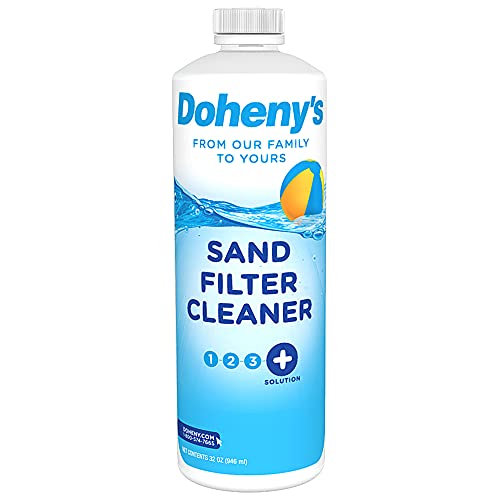
- BrandDoheny's

- VC Score8.6
BCP Score is a ranking system developed by bestcleanerproducts.com. BCP Score has no relationship or impact from any manufacturers or sales agent websites. Learn more
- BrandGeneric

- VC Score8.6
BCP Score is a ranking system developed by bestcleanerproducts.com. BCP Score has no relationship or impact from any manufacturers or sales agent websites. Learn more
- BrandU.S. Pool Supply

- VC Score8.6
BCP Score is a ranking system developed by bestcleanerproducts.com. BCP Score has no relationship or impact from any manufacturers or sales agent websites. Learn more
- BrandHTH

- VC Score8.4
BCP Score is a ranking system developed by bestcleanerproducts.com. BCP Score has no relationship or impact from any manufacturers or sales agent websites. Learn more
- BrandSHWORON

- VC Score8.2
BCP Score is a ranking system developed by bestcleanerproducts.com. BCP Score has no relationship or impact from any manufacturers or sales agent websites. Learn more
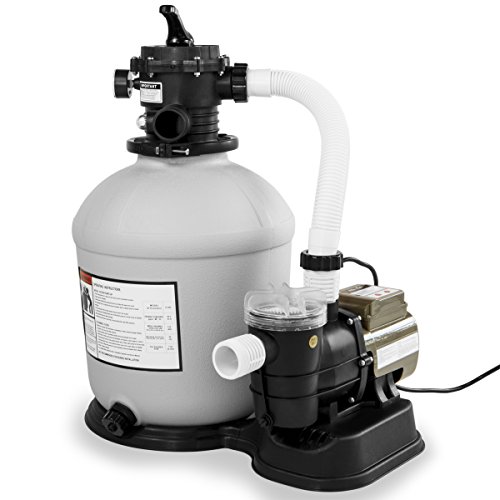
- BrandLCYATSI
- VC Score8.0
BCP Score is a ranking system developed by bestcleanerproducts.com. BCP Score has no relationship or impact from any manufacturers or sales agent websites. Learn more
- BrandXtremepowerUS

- VC Score8.0
BCP Score is a ranking system developed by bestcleanerproducts.com. BCP Score has no relationship or impact from any manufacturers or sales agent websites. Learn more
- BrandDukars

- VC Score7.8
BCP Score is a ranking system developed by bestcleanerproducts.com. BCP Score has no relationship or impact from any manufacturers or sales agent websites. Learn more
- BrandQwayHome
Last update on 2026-10-08 / Affiliate links / Images, Product Titles, and Product Highlights from Amazon Product Advertising API
FAQs
How often should you backwash and clean pool filter sand?
Backwash your filter every one to two weeks during swimming season, or whenever the pressure gauge reads 8 to 10 psi above your clean baseline. A deep chemical soak is only necessary once or twice per season, usually in mid-summer and before winter closing. Backwashing too frequently without high pressure can actually reduce filtering efficiency.
Why is sand ending up on the floor of my pool after cleaning?
Sand in the pool usually means a lateral pipe at the bottom of the tank has cracked or the multiport valve spider gasket has failed. If you skipped the rinse cycle after backwashing, a small burst of sand can also blow through your return jets. If sand continues to collect on the floor during normal operation, shut off the pump and inspect the laterals.
Can you use household bleach or dish soap to clean filter sand?
Never add dish soap to a pool filter because even small amounts produce massive foam that can take weeks to eliminate. Bleach also cannot dissolve the body oils and sunscreen that coat filter sand. Always use specialized pool filter cleaners formulated to strip grease and scale without causing foaming issues in your pool.


How to Refinish a Fiberglass Pool

How Do You Keep Raccoons Out of Your Pool?

How to Fix Cyanuric Acid in Your Pool

How to Shape a Pool Cue Tip to Stop Miscues

12 Best Automatic Vacuum For Intex Above Ground Pool of 2026 To Keep Vinyl Floors Spotless

10 Best Automatic Pool Vacuum For Above Ground Pool of 2026 To End Manual Scrubbing

How Much Pool Clarifier Should You Use for Your Pool Size?

How Much Does a Pebble Tec Pool Cost to Build or Resurface?








