
When Should You Brush Your Pool After Shocking?

A strong scent of chlorine drifts across the deck while a cloud of fresh treatment sinks into the deep end. The ideal time to grab the brush is immediately after adding shock. Scrubbing right away helps the sanitizer spread evenly through the water and stirs up settled granules before they can rest against the bottom.
A few details shape how often to repeat the job. Powdered treatments sink quickly and can bleach vinyl liners or fiberglass if left alone, whereas liquid mixes faster on its own. Thick green blooms also call for repeated passes to break up the slick algae slime layer so the chlorine can do its job. A quick look at your pool surface and water clarity helps you map out the safest scrub routine.
Why should you brush right after shocking your pool?
You should brush your pool immediately after adding shock to the water. Do not wait hours, and do not put it off until tomorrow. The moment sanitizer enters your pool, a race begins between the chemical and the organic debris clinging to your surfaces.
Pool shock does not circulate evenly across the entire pool basin on its own. Even with the pump running, every pool has quiet zones, low-flow corners, and temperature layers. When you pour shock into the water, it concentrates where it lands. If you walk away without brushing, large sections of your pool miss out on that initial burst of sanitizing power.
The type of shock you use makes immediate brushing even more urgent. Liquid chlorine mixes relatively fast, but it still drifts in heavy ribbons near return jets. Powdered shock behaves very differently. Heavy shock granules sink like tiny pebbles, dropping straight to the bottom before they can dissolve.
Brushing right away stirs the entire water column by hand. Your brush sweeps through dead zones, kicks heavy chemicals up into the jet streams, and mixes the sanitizer evenly. Brushing right after shocking ensures that active cleaning chlorine reaches every surface right when its killing power is at its peak.
Can shock granules damage your pool floor?
Yes, undissolved shock granules can permanently ruin your pool floor if they sit undisturbed. Powdered shock is a concentrated chemical. When heavy grains fall to the bottom, they create intense chemical hotspots that attack the surface underneath.
On a vinyl liner, which is the flexible sheet used on above-ground and inground framed pools, resting granules are disastrous. Concentrated shock leaches plasticizers out of the vinyl within minutes. The pattern bleaches white, and the liner turns brittle. Once vinyl loses its flexibility, water pressure causes pinhole leaks and tears that require expensive repairs.
Fiberglass pools suffer similar damage from settled chemicals. A fiberglass pool has a smooth, slick molded shell sealed with a protective gelcoat. When powdered shock piles up on the bottom, direct chemical contact burns the gelcoat. It leaves rough, discolored rings and strips the glossy finish, leaving permanent dull marks you cannot scrub away.
Concrete, gunite, and plaster finishes will also suffer over time. Concentrated shock granules eat into the cement binder, pitting the plaster and creating rough, sandy divots. These rough patches feel harsh on bare feet and give algae deep pockets where it can anchor.
Inspect the bottom of your pool right after adding powdered shock. Look for white piles or hazy residue settling near the main drains. Push your brush across the floor until every single granule dissolves and vanishes into the water current.
How does brushing help the chlorine kill algae?
Algae is much tougher than loose dirt floating in the water. When algae attaches to pool walls, it produces a protective shield called an algae slime layer. This slimy coating works like a waterproof shield against pool chemicals.
Active cleaning chlorine cannot easily break through that slime barrier on its own. If you shock a cloudy or green pool without brushing, the chlorine burns off only the outer crust of the slime. The algae underneath stays protected, continues to feed on sunlight, and bounces back once chlorine levels drop. Shocking without scrubbing wastes chemicals and leaves water hazy.
Brushing provides the physical friction needed to tear that slime shield wide open. When bristles scrape against the walls, they tear open the protective coating and yank algae colonies off the surface. Once loosened, algae cells float freely in the water, where active cleaning chlorine surrounds and destroys them quickly.
Different algae types require different effort. Green algae forms a loose, slippery film that lifts easily with a brush. Mustard or yellow algae looks like fine yellow dust in shady spots, needing firm brush sweeps to lift it into the current. Black algae forms stubborn, deep-rooted spots with a rock-hard cap that must be cracked open so chemicals can seep into the roots. Using the best type of pool brush for your finish makes it easy to tear open these slime barriers without scratching your pool surface.
What is the best post-shock brushing routine?
Brushing your pool after shocking is straightforward when you follow a clear plan. Use this step-by-step routine to clear water fast while protecting your pool surfaces:
- Start your pool pump on high speed: Turn on your filtration system and make sure the bottom main drain is open. Moving water carries the shock chemicals around the pool and pulls loosened debris into your filter.
- Add your shock treatment properly: Distribute your sanitizer evenly around the deep end. If you use powdered shock and the label calls for pre-dissolving it in a bucket of water, stir it thoroughly before pouring it in.
- Start brushing immediately from shallow to deep: Grab your telescoping pool pole and begin scrubbing right away. Push your brush strokes downward along the walls and across the floor, working from the shallow end toward the main drain in the deep end.
- Scrub the low-flow dead zones: Focus on hidden spots where algae takes hold. Scrub behind ladder rails, around light fixtures, along step risers, and down in the cove, which is the rounded seam where the wall meets the floor. A compact pool brush for stairs makes reaching into narrow corners and tight steps much simpler.
- Sweep away settled chemical piles: Push your brush across the floor to eliminate any resting piles of powdered shock. Keep sweeping until you no longer see any white granules on the bottom.
- Repeat your brushing sessions for heavy blooms: If you are fighting an active algae bloom, brush your pool twice daily while maintaining elevated sanitizer levels until the water clears.
Which brush bristles are safe for your pool surface?
Matching your brush bristles to your pool finish prevents surface damage. Using the wrong bristle type can scratch your finish or puncture an expensive liner in seconds.
Soft nylon bristles or poly bristles are the safest choice for delicate pool surfaces. If your pool has a vinyl liner, a smooth fiberglass shell, or a painted finish, stick strictly to nylon fibers. Nylon bends easily, providing plenty of scrubbing friction to remove algae slime without tearing soft vinyl or scratching slick gelcoat.
Metal wire bristles, made from stainless steel, are built strictly for hard masonry. A dedicated wire pool brush works wonders on unpainted concrete, gunite, or plaster pools. The stiff steel needles dig into rough plaster pores, carving away calcium scale and scraping off black algae caps. Never use metal bristles on vinyl or fiberglass, as the sharp wires will slice open liners and ruin gelcoats instantly.
If your pool has a decorative aggregate finish, such as pebble or quartz, combo brushes work exceptionally well. These tools blend nylon bristles with stiff metal or abrasive grit bristles. They give you the bite needed to clean bumpy stone pockets while remaining gentle on the surrounding plaster.
What features should you look for in a pool brush?
A reliable pool brush makes post-shock scrubbing easier and prevents arm fatigue. When choosing a new brush head, keep a few practical features in mind.
Look at the brush width first. An 18-inch wall brush is the sweet spot for most residential pools. Its wide footprint sweeps broad sections of walls and floors in fewer passes. If you have a small above-ground pool or need to clean tight corners, a compact 10-inch brush offers better control.
Check the frame material on the back of the brush head. An aluminum-backed brush has a solid metal spine that reinforces the plastic body. This metal backbone prevents the brush head from snapping when you push down hard against the deep-end floor. All-plastic brushes are lighter to push through water, but cheaper plastic frames can flex and crack under heavy pressure.
Examine the ends of the brush head. Look for brushes with curved ends or rounded plastic bumpers. Curved bristles wrap naturally around the cove and step corners, preventing sharp frame edges from gouging your pool finish.
Finally, check the connection handle. Look for an extendable pole fitting that includes an EZ clip or butterfly clip mechanism. These spring-loaded buttons snap securely into standard 1-1/4 inch telescoping pool poles without pinching your fingers.

- VC Score9.4
BCP Score is a ranking system developed by bestcleanerproducts.com. BCP Score has no relationship or impact from any manufacturers or sales agent websites. Learn more
- BrandClorox

- VC Score9.4
BCP Score is a ranking system developed by bestcleanerproducts.com. BCP Score has no relationship or impact from any manufacturers or sales agent websites. Learn more
- BrandClorox

- VC Score9.2
BCP Score is a ranking system developed by bestcleanerproducts.com. BCP Score has no relationship or impact from any manufacturers or sales agent websites. Learn more
- BrandPOOLAZA

- VC Score9.2
BCP Score is a ranking system developed by bestcleanerproducts.com. BCP Score has no relationship or impact from any manufacturers or sales agent websites. Learn more
- BrandHTH

- VC Score9.2
BCP Score is a ranking system developed by bestcleanerproducts.com. BCP Score has no relationship or impact from any manufacturers or sales agent websites. Learn more
- BrandClorox Pool&Spa
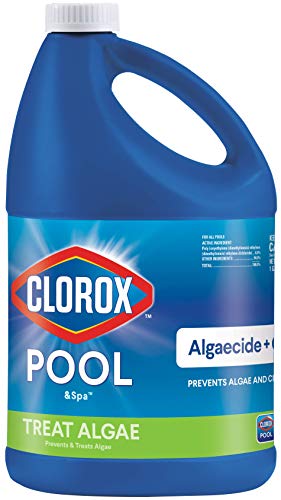
- VC Score9.0
BCP Score is a ranking system developed by bestcleanerproducts.com. BCP Score has no relationship or impact from any manufacturers or sales agent websites. Learn more
- BrandClorox Pool & Spa

- VC Score8.8
BCP Score is a ranking system developed by bestcleanerproducts.com. BCP Score has no relationship or impact from any manufacturers or sales agent websites. Learn more
- BrandSKIMLITE MANUFACTURING

- VC Score8.6
BCP Score is a ranking system developed by bestcleanerproducts.com. BCP Score has no relationship or impact from any manufacturers or sales agent websites. Learn more
- BrandU.S. Pool Supply
Last update on 2026-10-08 / Affiliate links / Images, Product Titles, and Product Highlights from Amazon Product Advertising API
FAQs
Will brushing make my cloudy pool look worse?
Yes, brushing will often make your pool look cloudier for a few hours, but this is a normal part of the clearing process. Brushing kicks up dead algae, fine dirt, and settled chemical residue resting on the floor. Once those particles float in the water, your circulation system can draw them into the pool filter to remove them for good.
How many times should I brush after shocking?
For routine maintenance shocks, brushing once right after adding chemicals is plenty to protect your floor and mix the water. If you are shocking to clear an active algae bloom, brush the pool at least twice a day until the water turns crystal clear. Frequent scrubbing prevents algae from reforming its protective slime shield.
Should the pool pump run while I brush?
You should always leave your pool pump running while you brush after shocking. Running the pump keeps water circulating, which helps distribute the shock you stir off the floor. The suction from your skimmers and bottom drains also captures the cloud of suspended algae and debris you scrape loose, pulling it straight into the filter.
Can high chlorine levels ruin my brush bristles?
High chlorine levels will not damage quality brush bristles during a standard 20-minute scrubbing session. Bristle damage only happens when pool owners leave their brush head submerged in chlorinated water for days at a time. After you finish brushing, rinse the brush head with clean tap water from a garden hose and store it out of direct sunlight.

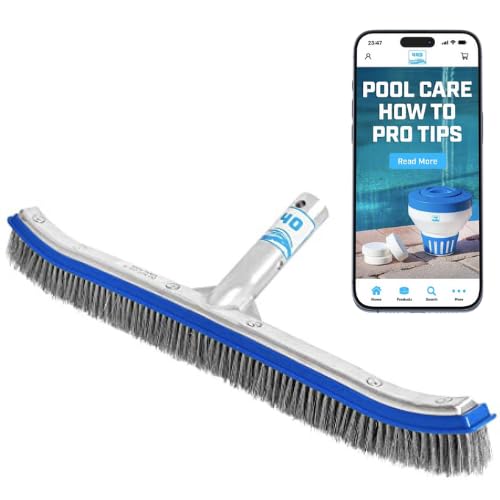
9 Best Wire Pool Brush of 2026 For Stubborn Algae and Scale

12 Best Pool Brush For Stairs of 2026 To Clean Corners and Risers

9 Best Pool Brush For Salt Water Pool of 2026 To Scrub Calcium Scale

11 Best Pool Brush For Quartz of 2026 To Scrub Without Scratching
10 Best Nylon Pool Brush of 2026 For Scratch-Free Scrubbing
11 Best Pool Filter Brush of 2026 To Flush Cartridge Pleats
12 Best Pool Brush For Exposed Aggregate Gem of 2026 To Clear Trapped Algae

10 Best Pool Brush For Frame Intex Pool of 2026 To Protect Vinyl


