
David is a 38-year-old cleaning specialist and blogger from California. Previously a hotel housekeeper supervisor, he excels at evaluating all-purpose sprays and vacuum cleaners. His detailed comparisons highlight performance, scent, and ease of use, making his reviews a go-to for families seeking efficient, high-quality cleaners.

Melt soap scum and dirty grout without arm strain or scalding drips. Balance hose reach, tank weight, and steam pressure to safely sanitize shower tiles.

Dissolve embedded shower grime without bleach or aching knees. Match steam pressure, stiff detail brushes, and tank runtime to brighten porous grout lines.

Stop cutting tangled pet hair off roller brushes. Match tangle-free rollers, carpet suction, and auto-empty docks to keep heavy dog shedding off your floors.

Stop rescuing stranded vacuums from the deep end. Select models with the swivel reach, runtime, and basket capacity needed to clean large pools in one pass.

Stop cloudy buildup and protect factory seals with no-rinse, pH-neutral formulas that lift routine grime safely across hardwood, luxury vinyl, and tile.

Skip cramped tents and missing equipment. Verify shoulder room, bundled steam generators, and floor seals to choose a comfortable two-person steam sauna.

Scrub deep algae without puncturing your liner. Choose vinyl-safe nylon brushes with rounded bumper edges and reinforced backs for strong deep-water leverage.

Clear settled dirt and algae from your stock tank pool without ruining the finish. Scrub slimy walls, siphon the floor, and sanitize safely to prevent rust.

Make slick concrete safe for bare feet. Clean and etch the slab, roll or spray a textured coating, and seal the surface so it grips well without peeling.

Dissolve stubborn hair and grease without caustic fumes or pipe damage. Target organic clogs with septic-safe, enzymatic cleaners that keep plumbing clear.

Real sand pools mix natural sand with waterproof resin over a rubber liner, not loose sand. Here is how the build works and why it keeps your pump safe.

Dry pool chemicals last three to five years, but liquid chlorine loses strength in months. Check leftover shock and tablets before weak doses cause algae.

Salt pools still use chlorine, but they make it on the spot using dissolved salt and an electric cell. Here is how the system runs and the real care it needs.
Pool resurfacing costs depend on surface size, finish type, and prep work. Compare plaster, pebble, and tile options to avoid surprise contractor charges.
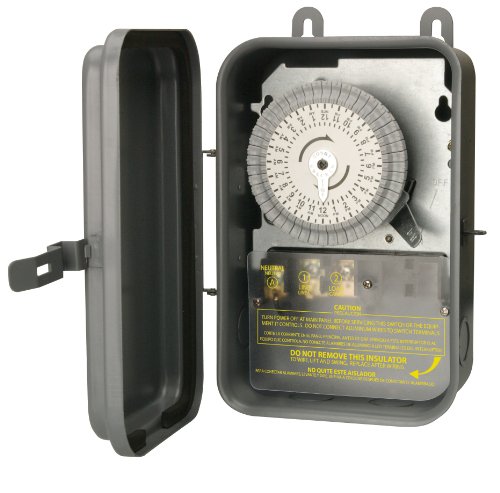
Connect incoming line power and pump load wires safely. Follow clear terminal steps for 120V and 240V boxes to prevent tripped breakers and motor damage.

Clear trapped air and restore water flow safely. Fill the basket, seal the lid tightly, and know when to shut the pool pump off before the motor overheats.

Dissolve pool salt, balance the water, and let the generator make steady chlorine. Manage rising pH levels to protect the salt cell from crusty buildup.

Warm your pool faster by using a floating cover to stop heat loss and pointing return jets downward to push warm surface water deep into the pool.

Clear chalky waterline crust with safe cleaners, rub away stubborn mineral scale without scratching ceramic or glass, and stop the white ring from returning.

Skip dangerous pool chemicals that harm drinking birds. Set an easy drain schedule, empty muddy duck pools without heavy lifting, and scrub algae off safely.


