
How to Get Oils Out of Your Pool

Seeing a greasy sheen across the water looks unsettling, but it is completely normal and simple to clear up. The quickest fix is to float oil-absorbing sponges in the skimmer and add pool enzyme treatments to dissolve the lingering grease. These harmless cleaning proteins break down suntan lotion and body oils fast, stopping the gunk before it clouds the deep end.
How you handle the cleanup depends on where the slick settles and the style of filter you run. A faint film from an afternoon swim clears up with simple surface traps, while stubborn scum lines baked onto the tiles require gentle scrubbing with a soft pad. Oily filter cartridges also need a quick wash so grease does not recirculate. Here is how to tackle each step safely and keep the water sparkling.
Identifying Pool Oil and Why It Appears
An oily film on your pool water looks like a thin, shimmering rainbow slick floating across the surface. Many pool owners worry this sheen is an early stage of green, yellow, or mustard algae. But algae spreads through living plant-like spores that cloud the water or make walls feel velvety. Pool oil is purely organic grease that floats because oil is lighter than water. If you run your hand through the water and the film separates into swirling patterns before pulling back together, you are dealing with oils rather than an algae bloom.
Most surface oils come directly from the people who use the pool. Every swimmer introduces suntan lotions, waterproof sunscreens, body sweat, hair conditioners, and natural skin oils into the water. In the pool industry, the number of people swimming is known as the bather load. A busy weekend with children and guests wearing heavy sunblock can overload your water with grease in just a few hours. In rare cases, a small amount of oil can enter the pool from nearby lawn equipment overspray or a leaking seal on an aging pool pump, though swimmer cosmetics cause almost all pool slicks.
Leaving oil in the pool causes serious problems beyond an unappealing surface sheen. Floating oils combine with floating dust to create a dark, sticky residue that bakes onto the pool wall at the water level, forming a tough scum line (a greasy ring at the water edge). Even worse, these non-living organic oils soak up your free chlorine. Instead of sanitizing bacteria and killing algae, your chlorine gets used up trying to oxidize heavy grease. That leaves your water cloudy and creates an ideal environment for real algae to take hold.
Steps to Clear Oil Slicks Off the Water Surface Fast
When you have a visible oil slick floating on the water, you need to pull it out immediately before it bakes onto your walls or clogs your filter media. Follow these steps to clear the surface:
- Place oil-absorbing sponges or clean tennis balls in each skimmer basket. Your pool pump pulls water across the top of the pool into the skimmers, which drives the floating oil right against the absorbent fibers so they can trap grease without restricting water flow.
- Float several absorbing sponges directly in quiet pool corners. Wind and return jets often push floating grease into dead zones where skimmer suction cannot reach, so floating absorbers soak up oil that sits trapped against the walls.
- Run your pool circulation pump on high speed for 12 to 24 hours. Constant water movement keeps the oily top layer moving toward your skimmer openings instead of giving it time to cling to surfaces.
- Skim the water perimeter by hand using a fine net lined with a clean microfiber cloth. Standard skimmer nets have mesh holes that are too wide to catch liquid oil, but wrapping the frame in a microfiber cloth grabs the slippery sheen directly off the top.
- Check and squeeze out your absorbing materials every few hours. Sponges and tennis balls have a maximum holding capacity, and leaving saturated absorbers in the water can allow grease to wash back into the pool.
- Measure your chemical levels and adjust your sanitizer. Because surface oils consume free chlorine rapidly, you need to verify that your sanitizer has returned to a safe range once the sheen disappears.
Breaking Down Deep Oil Buildup with Pool Enzymes
Absorbing tools work well for floating surface films, but they cannot catch the microscopic oils suspended throughout the water. To clear deep grease, you need pool enzymes (natural cleaning proteins that break down non-living organic matter into simple carbon dioxide and water). Instead of trapping oils, enzymes digest body fats, suntan lotions, and cosmetics at a molecular level until they vanish completely.
Pool enzymes protect your equipment far better than standard pool chemicals. When you use a flocculant (a chemical that clumps dirt together so particles drop to the pool floor), the heavy clumps sink for vacuuming, but sticky oils still stay behind or coat your filter. Enzymes prevent oils from turning into a thick sludge that glues sand grains together or coats cartridge pleats. By dissolving the oil before it reaches the filter tank, enzymes keep water flowing freely and help your filter run longer between cleanings.
To use an enzyme treatment, balance your water pH and total alkalinity first. Pour the directed dose around the pool edges while the circulation pump runs. If you recently dealt with a heavy bather load, adding an enzyme dose keeps the water sparkling clear. Knowing how much chlorine an 18-foot pool needs helps you maintain proper sanitizer levels alongside enzyme treatments, because keeping chlorine in balance ensures organic waste breaks down without lowering your sanitizing power.
Removing the Greasy Waterline Scum Line Safely
If surface oils sit in the hot sun for a few days, they combine with pollen and airborne dirt to form a stubborn scum line (a greasy ring at the water edge). This ring sticks fast to pool walls and cannot be filtered out. You must scrub it away by hand, but using the wrong tools can permanently ruin your pool finish. Here is how to clean different pool surfaces without causing damage:
- Vinyl liner: Use a soft microfiber cloth or a non-scratch household sponge. Never touch a vinyl liner with stiff nylon bristles, wire brushes, or abrasive pads, because harsh scrubbing can strip the protective pattern or puncture the vinyl.
- Fiberglass: Fiberglass features a smooth, glossy gelcoat finish. Wipe the waterline using a soft sponge and a specialized pool surface cleaner, avoiding abrasive powders that leave microscopic scratches where dirt can settle later.
- Concrete or gunite: Plaster surfaces are tougher, so you can use a medium nylon pool brush to scrub away oily stains. Avoid wire brushes on colored plaster, as steel bristles can leave rust marks or scratch the finish.
- Pebble aggregate (like Pebble Tec): This textured surface has tiny dips and crevices where body grease loves to hide. Use a medium nylon brush to clean between the small stones without dislodging the aggregate.
Always avoid household dish soaps, glass cleaners, or kitchen degreasers when scrubbing the waterline. Even a tiny splash of dish soap creates thick, uncontrollable foam that takes days to clear and introduces phosphates that feed algae blooms. Instead, mix a cup of baking soda with a little pool water to form a gentle paste. Apply the paste to a damp sponge, scrub the waterline ring gently, and wipe it away. Also inspect your skimmer mouth for greasy yellow buildup; if your plastic skimmer faceplate is brittle or cracked, learning how much it costs to replace a pool skimmer can help you plan needed repairs before oil stains turn into permanent plastic rot.
Flushing Trapped Grease and Oils Out of Your Pool Filter
Your circulation system pulls floating oils directly into the filter tank. While filters catch dirt easily, oily grease coats the filter media like sticky glue. Over time, this greasy coating hardens, causing the filter pressure gauge to climb and restricting water return to the pool. Standard rinsing with cold water does not dissolve body oil, so you must clean the filter media thoroughly.
- Shut off power to the circulation pump at the breaker. Turn off the pump motor completely and open the air relief valve on top of the filter tank to bleed off pressure before opening any clamps or valves.
- Rinse or backwash your filter media based on your equipment type:
- For cartridge filters: Open the tank, lift out the cartridge elements, and hose down the pleats from top to bottom. Soak the cartridges overnight in a large tub filled with water and a dedicated filter degreaser solution to strip away oils, then rinse with fresh water before reinstalling.
- For sand filters: Set your multiport valve to backwash and run it until the sight glass runs clear. If the sand has heavy oil buildup, pour a commercial sand filter cleaner into the skimmer, run the pump just long enough to draw the cleaner into the sand bed, turn the pump off for several hours to let it cut through grease, and then backwash thoroughly.
- For diatomaceous earth (DE) filters: Backwash the system, open the tank, and hose the oily, caked powder off the internal grids. If the grid fabric feels slick or greasy to the touch, soak the grid assembly in a filter cleaning solution, reassemble the tank, and add fresh DE powder through the skimmer.
- Inspect internal o-rings and seals for grease degradation. Lubricate rubber o-rings with a silicone-based pool lubricant to prevent air leaks, close the tank securely, and restart the circulation pump.
Choosing the Right Cleaners and Tools for Oil Buildup
Standard pool equipment is built to gather solid debris like leaves, acorns, and sand, but liquid oils require a different approach. When shopping for pool cleaners and maintenance supplies to handle greasy water, consider how different machines work:
A robotic cleaner (a self-powered unit with its own internal debris basket) drives along the pool floor and climbs walls to scrub the waterline. While its internal fine mesh filters collect floating dirt, its primary benefit for oily pools is mechanical scrubbing. Units with active rubber tracks or drive wheels and soft scrubbing rollers knock the greasy scum line off the tile or vinyl before it bakes into the surface. If you use a robotic cleaner, make sure its power supply unit plugs into an outdoor GFCI outlet (a protected ground-fault outlet with a weatherproof cover) kept at least 10 feet back from the pool edge, and never let anyone swim while the cleaner is in the water.
Suction-side cleaners (which attach to your pool skimmer or dedicated vacuum port and use pump suction) and pressure-side cleaners (which connect to the water return jet and catch debris in a sweep bag) move water around the bottom of the pool. However, neither vacuum style can capture liquid suntan lotion floating on top of the water. For total oil control, pair your mechanical pool cleaner with specialty chemical treatments. Look for natural enzyme formulas designed to digest non-living organics, along with specialized oil-absorbing surface sponges that float inside your skimmer baskets to catch slicks before they reach your plumbing.
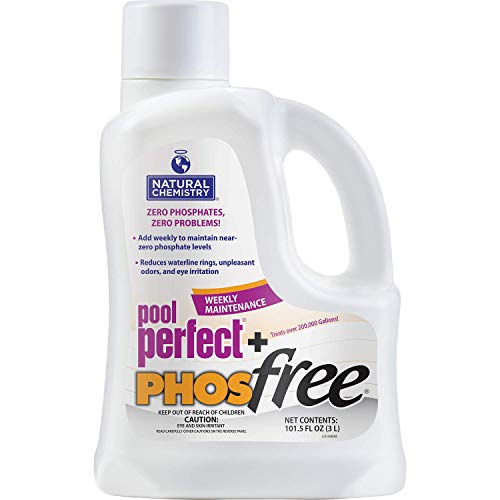
- VC Score9.4
BCP Score is a ranking system developed by bestcleanerproducts.com. BCP Score has no relationship or impact from any manufacturers or sales agent websites. Learn more
- BrandNatural Chemistry

- VC Score9.2
BCP Score is a ranking system developed by bestcleanerproducts.com. BCP Score has no relationship or impact from any manufacturers or sales agent websites. Learn more
- BrandIn The Swim

- VC Score9.2
BCP Score is a ranking system developed by bestcleanerproducts.com. BCP Score has no relationship or impact from any manufacturers or sales agent websites. Learn more
- BrandOh Yuk

- VC Score9.2
BCP Score is a ranking system developed by bestcleanerproducts.com. BCP Score has no relationship or impact from any manufacturers or sales agent websites. Learn more
- BrandGLB

- VC Score9.0
BCP Score is a ranking system developed by bestcleanerproducts.com. BCP Score has no relationship or impact from any manufacturers or sales agent websites. Learn more
- BrandHTH Store

- VC Score8.8
BCP Score is a ranking system developed by bestcleanerproducts.com. BCP Score has no relationship or impact from any manufacturers or sales agent websites. Learn more
- BrandBio-Dex

TSCTBA Mosquito Repellent, Natural Mosquito Repellent Indoor, Outdoor Mosquito Repellent
View on Amazon- VC Score8.6
BCP Score is a ranking system developed by bestcleanerproducts.com. BCP Score has no relationship or impact from any manufacturers or sales agent websites. Learn more
- BrandTSCTBA

- VC Score8.6
BCP Score is a ranking system developed by bestcleanerproducts.com. BCP Score has no relationship or impact from any manufacturers or sales agent websites. Learn more
- BrandRobelle

- VC Score8.6
BCP Score is a ranking system developed by bestcleanerproducts.com. BCP Score has no relationship or impact from any manufacturers or sales agent websites. Learn more
- BrandOrb-3

- VC Score8.4
BCP Score is a ranking system developed by bestcleanerproducts.com. BCP Score has no relationship or impact from any manufacturers or sales agent websites. Learn more
- BrandMighty Mint
Last update on 2026-10-08 / Affiliate links / Images, Product Titles, and Product Highlights from Amazon Product Advertising API
FAQs
Do tennis balls really soak up sunscreen oil in a pool?
Yes, clean tennis balls can absorb small amounts of surface oil. The fuzzy exterior of a tennis ball is made of nylon and wool fibers that naturally attract and hold greasy residues like suntan lotion and body sweat. While they work well for light daily maintenance, a heavy oil slick requires dedicated pool-grade oil-absorbing sponges that hold significantly more grease.
Will shocking the pool remove sunscreen and body oils?
Shocking your pool can oxidize some organic contaminants, but high doses of chlorine are not effective at eliminating thick grease slicks. Heavy sunscreen oils can consume your free chlorine rapidly without fully breaking down, leading to hazy water and strong chemical odors. Using natural pool enzyme treatments is much more effective because enzymes break the chemical bonds of the oils without wasting your sanitizer.
Can household dish soap or kitchen degreaser be used to clean a pool scum line?
You should never use dish soap or kitchen degreasers on any pool surface. Even a microscopic amount of dish soap causes severe, long-lasting foaming across the entire pool surface that is difficult to eliminate. Furthermore, household cleaners contain phosphates and harsh chemicals that disrupt water chemistry balance and accelerate algae growth.
How long does it take for pool enzymes to clear an oily sheen?
Pool enzymes usually begin breaking down surface oils within a few hours, with noticeable water clarity improvements appearing within 24 to 48 hours. The exact timeline depends on the amount of oil present, water temperature, and pump run time. Running your pool circulation pump continuously helps the enzymes disperse evenly and work through the oil buildup faster.


How to Refinish a Fiberglass Pool

How Do You Keep Raccoons Out of Your Pool?

How to Fix Cyanuric Acid in Your Pool

How to Shape a Pool Cue Tip to Stop Miscues

12 Best Automatic Vacuum For Intex Above Ground Pool of 2026 To Keep Vinyl Floors Spotless

10 Best Automatic Pool Vacuum For Above Ground Pool of 2026 To End Manual Scrubbing

How Much Pool Clarifier Should You Use for Your Pool Size?

How Much Does a Pebble Tec Pool Cost to Build or Resurface?


