

An 18-foot pool needs one 3-inch chlorine tablet weekly or one pound of shock. Dose 6,500 to 7,600 gallons safely without bleaching your vinyl liner.

Dip elbow-deep, hold flat for 30 seconds, and match the color pads in natural daylight before they bleed so you add the right pool chemicals without guessing.

Use ordinary baking soda to raise low pool alkalinity safely. Dose by pool size to protect your equipment and steady pH without making water cloudy.

Most pools lose roughly a quarter-inch of water daily. Spot the difference between normal evaporation and a costly leak using a simple 24-hour bucket check.
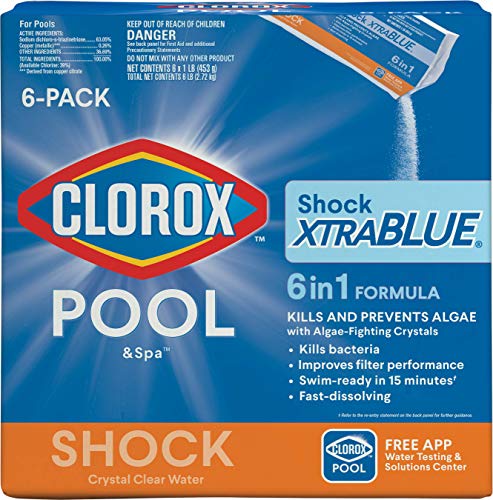
Add half a teaspoon of plain bleach per 100 gallons to keep a kiddie pool clean. Check safe amounts by pool size, swim wait times, and bottles to avoid.

Remove the winter cover cleanly, prime your pump safely without running it dry, and balance chemicals in the right order for clear swimming water.

Turn hot bathwater back into a refreshing swim. Run your pump at night, spray water through return aerators, and use shade to drop pool temperatures.
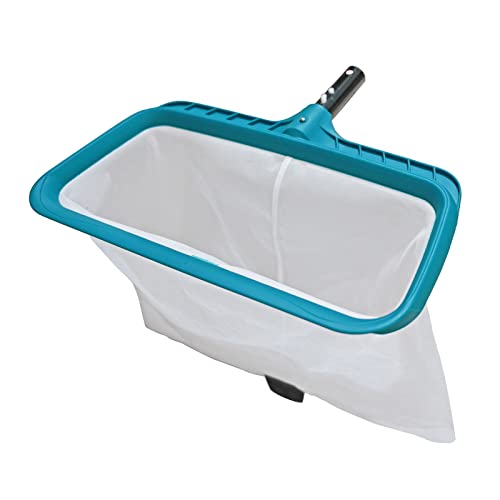
Clear floating leaves and pollen before they sink to the bottom. Adjust your wall jets, skim the top with a net, and wipe oily scum off the waterline.

Salt pools still need routine care. Balance pH, add salt without staining the floor, and protect the chlorine generator cell from stubborn mineral buildup.

Turn hazy pool water sparkling clean by balancing your pH, cleaning the filter, and removing fine particles instead of wasting money on random chemicals.
Clear standing water from underground pipes, balance pool chemicals, and seal skimmers to prevent freeze damage and keep the water clean until spring.

Prime your pump, backwash and rinse to clear winter muck, and start your sand filter safely without blowing sand into your freshly opened pool.

Check chlorine and pH two to three times a week, plus alkalinity weekly. Keep your pool water clear and avoid green algae blooms with a simple routine.

Pool filter sand lasts 3 to 5 years before it wears smooth. Spot the signs of worn grains, from cloudy water to frequent backwashing, before buying new bags.

Avoid burst pipes and costly spring repairs. Follow clear steps to balance chemicals, blow out water lines, drain equipment, and cover your inground pool.

Fix acidic pool water without cloudy haze. Check alkalinity first, calculate the right soda ash dose, and scatter it safely with your pump running.

Hook a garden hose to the drain valve, direct runoff away from your foundation, and clear the stubborn last inches of water before packing up the liner.

Turn your chlorine pool into a saltwater system without emptying it. Balance the water, hook up a generator, and add salt safely to avoid rust and stains.

Shock your water first, insert the mineral and chlorine packs into the cycler, and set the dial to keep water clean at a low 0.5 to 1.0 ppm chlorine level.

Shut off power at the breaker, disconnect the wiring, and unbolt the seal plate to pull your pool pump motor free without cracking parts or cutting PVC pipes.


