
How to Raise the pH of a Pool Without Clouding the Water

Add soda ash while the pump runs. This dry powder, sold as sodium carbonate, is the cleanest way to raise low pool pH without leaving a cloudy haze behind. Acidic water below 7.2 quickly irritates swimmers' eyes, roughs up pool plaster, and quietly corrodes metal pump fittings. Scattering small amounts across the deep end gently lifts the water into a comfortable balance.
The exact dose always depends on three measurements. Start by checking total alkalinity, which serves as a shock absorber against rapid chemical swings; if that number sits below 80 parts per million, bring it up first so your water stays stable. How much you add also depends on your pool volume in gallons and how far the acidity has dropped. Taking those few factors into account ensures your water clears up without any guesswork.

- VC Score9.4
BCP Score is a ranking system developed by bestcleanerproducts.com. BCP Score has no relationship or impact from any manufacturers or sales agent websites. Learn more
- BrandClorox

- VC Score9.4
BCP Score is a ranking system developed by bestcleanerproducts.com. BCP Score has no relationship or impact from any manufacturers or sales agent websites. Learn more
- BrandPool Mate

- VC Score9.4
BCP Score is a ranking system developed by bestcleanerproducts.com. BCP Score has no relationship or impact from any manufacturers or sales agent websites. Learn more
- BrandRobelle

- VC Score9.4
BCP Score is a ranking system developed by bestcleanerproducts.com. BCP Score has no relationship or impact from any manufacturers or sales agent websites. Learn more
- BrandIn The Swim

- VC Score9.4
BCP Score is a ranking system developed by bestcleanerproducts.com. BCP Score has no relationship or impact from any manufacturers or sales agent websites. Learn more
- BrandPool Mate
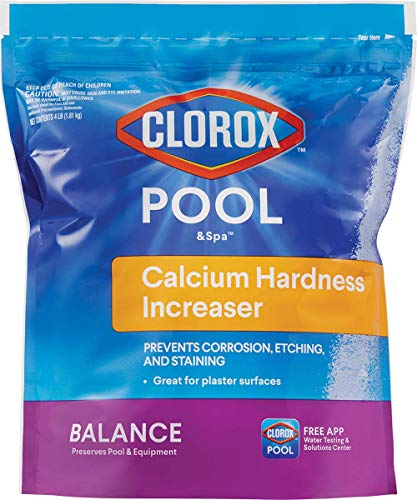
- VC Score9.4
BCP Score is a ranking system developed by bestcleanerproducts.com. BCP Score has no relationship or impact from any manufacturers or sales agent websites. Learn more
- BrandClorox

- VC Score9.2
BCP Score is a ranking system developed by bestcleanerproducts.com. BCP Score has no relationship or impact from any manufacturers or sales agent websites. Learn more
- BrandRobelle

- VC Score9.0
BCP Score is a ranking system developed by bestcleanerproducts.com. BCP Score has no relationship or impact from any manufacturers or sales agent websites. Learn more
- BrandHTH

- VC Score9.0
BCP Score is a ranking system developed by bestcleanerproducts.com. BCP Score has no relationship or impact from any manufacturers or sales agent websites. Learn more
- BrandHTH

- VC Score9.0
BCP Score is a ranking system developed by bestcleanerproducts.com. BCP Score has no relationship or impact from any manufacturers or sales agent websites. Learn more
- BrandEssential Values
Last update on 2023-07-10 / Affiliate links / Images, Product Titles, and Product Highlights from Amazon Product Advertising API
1. Understanding the Importance of pH in Pools
Before we delve into how to raise the pH of your pool, it's important to understand what pH is and why it matters. The pH level of your pool water affects everything from the efficiency of your chlorine to the lifespan of your pool equipment.
pH is a measure of how acidic or basic a substance is, and it's measured on a scale from 0 to 14. A pH level of 7 is considered neutral. Anything below 7 is acidic, while anything above 7 is basic. For swimming pools, the ideal pH level is slightly basic, between 7.2 and 7.8.
A low pH means that the water is too acidic. Acidic water can cause skin and eye irritation for swimmers, corrode metal equipment, and reduce the effectiveness of chlorine. That's why it's important to know how to increase your pool's pH when necessary.
2. Recognizing the Signs of Low pH
Recognizing the signs of low pH is the first step in learning how to raise the pH of your pool. Testing your pool water regularly is crucial, but there are also some visible signs to look out for.
Water that is too acidic can cause corrosion of metal components, leading to staining of the pool's surfaces. The water may also appear to be unusually clear, almost sparkling.
Additionally, swimmers might complain of skin, eye, or nasal irritation after swimming. If you notice any of these signs, it's likely that your pool's pH is too low and needs to be increased.
3. Testing Your Pool's pH Levels
Testing your pool's pH levels regularly is a key part of pool maintenance. There are several methods for testing pH, including test strips, liquid test kits, and digital testers.
To test your pool's pH, collect a sample of pool water from about a foot below the surface. Then, apply the test solution or strip as directed by the manufacturer. Compare the color of the sample to the provided color chart to determine the pH level.
Remember, you're aiming for a pH between 7.2 and 7.8. If your pH is below 7.2, you'll need to take steps to raise it.
4. Raising Your Pool's pH
Now that we understand the importance of pH and know how to test it, we can dive into how to raise the pH of your pool. The most common method is using a pH increaser, which is typically a product that contains soda ash or sodium carbonate.
Follow the manufacturer's instructions for how much product to add. Typically, you'll add the product directly to your pool, distributing it evenly across the water's surface.
After adding the pH increaser, allow the pool pump to run for a few hours to circulate the product. Then, retest the pH. If it's still too low, you can add more product. Be sure to add the increaser gradually, as it's easier to add more than to lower the pH if it becomes too high.
Remember, maintaining the right pH level in your pool is an ongoing process. Regular testing and adjustment are needed to ensure a safe and comfortable swimming environment. So, now that you know how to raise your pool's pH, you're well-equipped to keep your pool water balanced and clear, ensuring a great swim every time!
Explore further:
- Conquer Cracks: Your Guide to Repairing Concrete Pool Cracks
- Mastering Pool Maintenance: Achieving Pool Stability
- Top Picks: Best Inground Pool Cleaner for Leaves


How to Refinish a Fiberglass Pool

How Do You Keep Raccoons Out of Your Pool?

How to Fix Cyanuric Acid in Your Pool

How to Shape a Pool Cue Tip to Stop Miscues

12 Best Automatic Vacuum For Intex Above Ground Pool of 2026 To Keep Vinyl Floors Spotless

10 Best Automatic Pool Vacuum For Above Ground Pool of 2026 To End Manual Scrubbing

How Much Pool Clarifier Should You Use for Your Pool Size?

How Much Does a Pebble Tec Pool Cost to Build or Resurface?


