
How Long Does Pool Sand Last and When to Change It?

Check how many seasons have passed since fresh sand went into the tank. Under normal conditions, pool filter sand lasts three to five years before the rough edges wear smooth and let dirt slip through. Once those grains round off like river pebbles, the bed can no longer catch fine debris, leaving water hazy no matter how long the pump runs.
That timeline can drop to two to three years in several common situations. Small above-ground setups work harder than large inground systems, wearing the grains down much faster. Frequent swimming loads the bed with body oils and sunscreen that gum the sand into clumps, while hard water creates mineral crusts that block water flow. Learning the telltale signs helps keep the pool clear without wasting an afternoon on unnecessary heavy lifting.

- VC Score9.4
BCP Score is a ranking system developed by bestcleanerproducts.com. BCP Score has no relationship or impact from any manufacturers or sales agent websites. Learn more
- BrandU.S. Silica

- VC Score9.2
BCP Score is a ranking system developed by bestcleanerproducts.com. BCP Score has no relationship or impact from any manufacturers or sales agent websites. Learn more
- BrandPool Mate

- VC Score9.2
BCP Score is a ranking system developed by bestcleanerproducts.com. BCP Score has no relationship or impact from any manufacturers or sales agent websites. Learn more
- BrandSwimline

- VC Score9.2
BCP Score is a ranking system developed by bestcleanerproducts.com. BCP Score has no relationship or impact from any manufacturers or sales agent websites. Learn more
- BrandMadayFormula

- VC Score9.2
BCP Score is a ranking system developed by bestcleanerproducts.com. BCP Score has no relationship or impact from any manufacturers or sales agent websites. Learn more
- BrandIntex

- VC Score9.2
BCP Score is a ranking system developed by bestcleanerproducts.com. BCP Score has no relationship or impact from any manufacturers or sales agent websites. Learn more
- BrandBOMGIE

- VC Score9.0
BCP Score is a ranking system developed by bestcleanerproducts.com. BCP Score has no relationship or impact from any manufacturers or sales agent websites. Learn more
- BrandULTICOR

- VC Score8.8
BCP Score is a ranking system developed by bestcleanerproducts.com. BCP Score has no relationship or impact from any manufacturers or sales agent websites. Learn more
- BrandPerlite

- VC Score8.6
BCP Score is a ranking system developed by bestcleanerproducts.com. BCP Score has no relationship or impact from any manufacturers or sales agent websites. Learn more
- BrandIntex
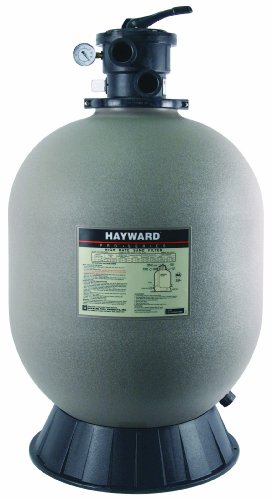
- VC Score8.4
BCP Score is a ranking system developed by bestcleanerproducts.com. BCP Score has no relationship or impact from any manufacturers or sales agent websites. Learn more
- BrandHayward

- VC Score8.0
BCP Score is a ranking system developed by bestcleanerproducts.com. BCP Score has no relationship or impact from any manufacturers or sales agent websites. Learn more
- BrandLCYATSI

- VC Score7.8
BCP Score is a ranking system developed by bestcleanerproducts.com. BCP Score has no relationship or impact from any manufacturers or sales agent websites. Learn more
- BrandGeneric
Last update on 2023-07-11 / Affiliate links / Images, Product Titles, and Product Highlights from Amazon Product Advertising API
Understanding the Lifespan of Pool Sand
The effectiveness of your swimming pool's filtration system relies heavily on the condition of the sand in your pool filter. As an integral component of the system, it's crucial to understand just how long pool sand lasts. On average, pool sand needs to be replaced every 5-7 years. However, this lifespan can vary depending on a multitude of factors including the quality of the sand, the usage of your pool, and the meticulousness of your pool maintenance routine.
But how do you know when it's time for a change? It's not as if your sand comes with an expiration date. Well, there are a few signs that can indicate your sand's prime days are over. You might notice that your pool water isn't as clear as it used to be, or you may find that you're having to backwash your filter more often. These are hints that your sand isn't functioning as efficiently as it should be.
Making a habit of regular inspection can also help determine the condition of your pool sand. You might physically see clumps of sand or feel that it's become coarse and abrasive. This happens as debris and calcium deposits can bind the sand particles together over time, reducing its ability to trap contaminants.
Remember, the longevity of your pool sand doesn't just impact the cleanliness of your pool, but also the health of your filter. Ignoring the signs could lead to more serious, and costly, issues with your pool's filtration system down the line.
Maximizing the Life of Your Pool Sand
Now that you know how long does pool sand last, you might wonder if there's anything you can do to extend its lifespan. There are indeed ways to care for your pool sand and ensure it remains effective for as long as possible.
Firstly, regular backwashing is crucial. This process reverses the flow of water to flush out trapped dirt and debris, ensuring the sand stays clean. However, be mindful not to overdo it as excessive backwashing can lead to erosion of the sand's edges, making it less effective in capturing particles.
Another important factor is the balance of your pool water's chemistry. Unbalanced water can lead to buildup of minerals and bacteria, which can clog your sand. Regular testing and adjustment of your water chemistry can thus contribute significantly to your sand's lifespan.
It's also wise to apply a filter cleaner once or twice a year to help break down any deposits that backwashing might not be able to remove. This can help to maintain the sand's effectiveness and extend its life.
Lastly, consider using a pool cover when the pool isn't in use. This not only keeps debris out of the pool, but also reduces the amount of work your filter and thus your pool sand has to do.
Replacing Your Pool Sand
When the time does come for a change, it's important to know how to properly replace your pool sand. The process involves removing the old sand, cleaning the filter, and adding new sand. While it might sound daunting, with the right tools and steps, it's definitely a task you can take on yourself.
Before you start, be sure to purchase the correct type of sand. Not all sand is created equal, and using the wrong type can actually damage your filter. Pool filter sand, specifically #20 silica sand, is the recommended choice for most filters.
The first step is to remove the old sand. This is often the most labor-intensive part of the process, but necessary to ensure the effectiveness of your new sand. You'll then need to clean the inside of the filter thoroughly to remove any residual sand and debris.
Adding the new sand comes next. It's crucial to ensure you add the right amount, as too much or too little sand can hamper your filter's performance. After adding the sand, it's a good practice to backwash the filter to remove any fine particles before you start using it.
And there you have it. Knowing when and how to change your pool sand is an essential part of maintaining a clean, functioning pool. Remember, how long does pool sand last is largely dependent on how well you take care of it.
Ensuring a Clean and Healthy Pool
So, how long does pool sand last? With proper care and maintenance, you can expect your pool sand to last between 5-7 years. But the lifespan of your pool sand isn't just a number. It reflects the health and cleanliness of your pool, the efficiency of your filtration system, and ultimately, the enjoyment of your swimming sessions.
Remember that while pool sand may seem like a minor part of your pool, it's actually a critical component that requires regular attention and maintenance. By taking care of your pool sand, you're ensuring a clean and healthy pool for you and your family to enjoy for years to come.
Don't forget, the best defense against dirty pool water is a good offense. And that includes regular maintenance, careful attention to water chemistry, and yes, taking care of your pool sand.
Explore further:


How to Refinish a Fiberglass Pool

How Do You Keep Raccoons Out of Your Pool?

How to Fix Cyanuric Acid in Your Pool

How to Shape a Pool Cue Tip to Stop Miscues

12 Best Automatic Vacuum For Intex Above Ground Pool of 2026 To Keep Vinyl Floors Spotless

10 Best Automatic Pool Vacuum For Above Ground Pool of 2026 To End Manual Scrubbing

How Much Pool Clarifier Should You Use for Your Pool Size?

How Much Does a Pebble Tec Pool Cost to Build or Resurface?


