
How to Use Flocculant in a Pool to Clear Cloudy Water

Severe water haze looks alarming, but it is completely fixable with the right routine. The safest fix is to circulate the clumping chemical on bypass, shut off the pump overnight so the dirt drops to the floor, and vacuum directly to waste. Doing this binds all the tiny floating particles into heavy clumps that settle quietly onto the pool floor by morning.
Your exact process depends on your filter type, since cartridge systems lack a bypass valve and can get permanently ruined by the sticky chemical. Pool water depth and pH balance also matter, because running to waste drains water quickly while the chemical works best in balanced water. Moving your vacuum head slowly makes or breaks the result, too, since rushing stirs the settled sludge right back up. Here is how to complete the job cleanly without damaging your pool equipment.
Equipment Check: Can Your Pool Filter Handle Flocculant?
Before you pour a single drop of clumping chemical into your pool, you must verify your filter setup. Flocculant works by binding microscopic dirt, dead algae, and floating debris into thick, heavy clusters. Those clumps are far too thick for standard filter media to handle safely. If you send that sludge through your filter tank, it can ruin the filtration media in minutes.
Review this equipment checklist before you get started:
- Multiport valve check: Your system must have a multiport valve (a multi-direction filter control handle) with both Recirculate and Waste options. Sand filters and most diatomaceous earth (DE) filters come with this valve. Recirculate moves water through your pool lines without passing through the sand or DE grids, while Waste pumps dirty water straight out through your drain hose.
- Cartridge filter warning: Standard cartridge filters do not have a multiport valve or a bypass setting. If you pump flocculant through a paper cartridge, the chemical creates a sticky, gelatinous glue that clogs the pleated fabric permanently. You cannot wash it out with a garden hose. If you own a cartridge filter system, you can only use flocculant if you remove the physical cartridge elements from the tank before circulating, or if your plumbing has a custom bypass pipe that routes water directly to waste.
- Dedicated drain line: When you vacuum flocculant, you will pump large volumes of dirty water out of the pool. Ensure your backwash hose is unrolled, free of kinks, and directed to a safe runoff spot like a storm drain or gravel area. If you run a sand filter, knowing how to backwash a sand pool filter safely is great routine practice, but flocculant sludge should never touch the sand bed during this clearing process.
Water Balance and Pool Prep Before Treatment
Flocculant cannot work efficiently in out-of-balance pool water. The chemical agents rely on proper water chemistry to bind floating dirt particles together. If your pH or sanitizer levels are skewed, the clumping action weakens, leaving you with the same hazy water you started with.
First, check your water chemistry using fresh test strips or a liquid test kit. Your pH should read between 7.2 and 7.6. A balanced pH helps the chemical bind particles tightly. Your total alkalinity should sit between 80 and 120 parts per million (ppm). If your pool has low free chlorine, add liquid chlorine or shock the pool first to kill any lingering live algae. Dead algae turns grayish-white and will settle out, but living algae keeps reproducing and will fight the chemical.
Next, raise your pool water level. Fill the pool so the water line sits 2 to 4 inches higher than normal, right near the top edge of your skimmer opening. Vacuuming to waste dumps water out of the pool at a rate of 30 to 50 gallons per minute. If your water starts at the normal halfway mark on the skimmer, the water level will drop below the skimmer mouth within minutes. Once that happens, your pump sucks air, loses its prime, and can overheat.
Finally, clear out the pool floor. Use a manual leaf rake net to scoop out large leaves, twigs, or heavy debris. You want a clean bottom so your vacuum head does not clog while pulling up the fine flocculant sludge later.
Step-by-Step Instructions to Use Flocculant Safely
Follow these steps in order to clear your pool water without damaging your pump or filter equipment.
-
Top off your pool water level.
Fill the pool 2 to 4 inches above the midpoint of the skimmer before you begin.
Reason: Vacuuming to waste discharges water out of the pool rapidly, and this extra water prevents the skimmer from running dry and burning out your pump motor. -
Check and balance the water chemistry.
Adjust your pH to fall between 7.2 and 7.6, and ensure total alkalinity stays between 80 and 120 ppm.
Reason: Flocculants rely on a neutral pH window to trigger the chemical reaction that clumps floating matter together. -
Switch your multiport valve handle to Recirculate.
Always turn the pump off before pushing down on the valve handle, rotate the handle to Recirculate, and turn the pump back on.
Reason: The recirculate setting bypasses the sand or DE filter media entirely, keeping the sticky chemical out of your filter tank while still pushing water through the return jets. -
Measure and add the flocculant.
Check the product bottle for your pool volume, measure the liquid into a clean bucket of pool water, and pour it evenly around the perimeter of the deep and shallow ends.
Reason: Pouring the diluted clumping chemical along the edges ensures it spreads evenly across the entire surface rather than sinking in one concentrated puddle. -
Run the pump on Recirculate for two hours.
Keep the pump running continuously for two hours with the returns angled slightly downward.
Reason: Two hours gives your pool system enough time to blend the chemical completely through the body of water without over-agitating the newly forming clumps. -
Shut off the pump and leave it off for 12 to 24 hours.
Turn off the pump switch, turn off any automatic timers, and leave the water completely undisturbed overnight.
Reason: The water must be completely still so the heavy coagulated particles can fall out of suspension and form a thick layer of sediment on the pool floor. -
Set up your manual vacuum system.
Attach your vacuum head to a telescoping pole, connect the vacuum hose, fill the hose with water from a return jet to purge trapped air, and plug it into your skimmer suction port.
Reason: Purging air from the vacuum hose keeps the pump from losing suction prime when you start vacuuming the heavy sediment. -
Switch the multiport valve handle to Waste.
Turn your pump off, move the handle to Waste, and turn the pump back on to begin suction.
Reason: The waste setting routes the water and flocculant sludge directly out through your backwash line, completely avoiding the filter tank. -
Vacuum the pool floor very slowly.
Glide the vacuum head across the pool bottom in slow, steady, overlapping paths, working from the shallow end toward the main drain in the deep end.
Reason: Moving the vacuum head too fast creates underwater currents that stir the fine sediment off the floor and cloud the water all over again. -
Turn the pump off, refill the pool, and return to Filter mode.
Shut the pump off, disconnect the vacuum hose, add fresh water back to the middle of the skimmer line, set the multiport valve back to Filter, and resume normal filtration.
Reason: Returning to normal filtration catches any microscopic stray particles while keeping your water level safe for everyday swimming.
Flocculant Versus Pool Clarifier: Which One Do You Need?
Pool owners often mix up flocculants and clarifiers, but they work quite differently and serve distinct situations.
A pool clarifier is a mild, slow-acting chemical. It gathers microscopic debris into small groups, but those groups remain small enough to float through your circulation system. Your pool filter then catches those clumps as the water runs through normal filtration. Clarifiers do not require you to bypass your filter or vacuum to waste, making them safe for cartridge systems. But clarifiers can take several days to clear dull water, and they struggle against heavy algae blooms.
A flocculant (often called pool floc) is an aggressive clumping chemical. It binds particles into heavy, thick masses that sink straight to the pool floor within hours. It clears cloudy or milky water far faster than a clarifier, but it requires a lot more hands-on labor. You must monitor water levels, bypass your filter media, and manually vacuum the dirt out of the pool. If your pool is slightly hazy from heavy swimmer use, a clarifier is the easier choice. If you just shocked a swampy green pool and have dead algae lingering everywhere, flocculant drops that dirt so you can clear the pool in a single weekend.
If recurring cloudiness keeps coming back after treatment, checking water parameters like phosphates can reveal the true source of your water problems. You can review how to remove phosphates from a pool without cloudy water to stop feeding algae blooms before they start.
Troubleshooting Common Floc Problems
Even when following the instructions closely, unexpected issues can pop up during the settling and vacuuming stages.
If you wake up after 16 hours and your pool floor looks clean while the water is still milky, you may have used too much chemical. Overdosing flocculant creates excess polymers in the water that have nothing left to bind with, which causes a stubborn chemical haze. To fix this, leave your filter on normal Filter mode (if you have sand or DE), run the pump continuously, and backwash every few hours. For a cartridge system, you may need to rinse the cartridge multiple times a day until the water clears.
Another common mistake happens when you move the vacuum head too fast. If a grey cloud rises behind your vacuum head, stop immediately. Shut off the pump, leave the pool alone for another 12 hours, and let the stirred-up sediment settle back to the bottom. Rushing the vacuuming step always results in doing the job twice.
If your pool water drops too low while vacuuming to waste, stop before the skimmer sucks air. Turn off the pump, put your garden hose in the pool, and let the pool fill back up for an hour or two. Once the water level is back up, resume vacuuming where you left off. If you accidentally added too much fresh water while topping off, you can learn how to drain an overfilled pool safely without losing your balanced chemistry.
Choosing the Right Equipment for Flocculant Cleanup
Having the proper manual cleaning tools makes the difference between a crystal-clear pool and a cloudy mess when working with flocculant.
Never rely on automatic pool cleaners to clean up flocculant. A robotic cleaner (a self-powered unit with its own internal debris basket) uses an electric motor and a top thruster jet to drive itself. That water thruster will blast the delicate sediment off the floor, spreading dust right back into your pool water. Suction-side cleaners and pressure-side cleaners also move too quickly and will churn up the floor before catching the dirt.
Instead, choose a quality manual vacuum head designed specifically for your pool surface. For a concrete or gunite pool, select a heavy, weighted vacuum head with rolling wheels that glide along plaster. For a vinyl liner or fiberglass pool, pick a vacuum head equipped with smooth nylon brushes instead of hard wheels to prevent scuffing the shell or snagging the liner. Pair the head with a sturdy vacuum hose and a telescoping aluminum pole that reaches the deepest point of your pool floor with room to spare.

- VC Score9.2
BCP Score is a ranking system developed by bestcleanerproducts.com. BCP Score has no relationship or impact from any manufacturers or sales agent websites. Learn more
- BrandGLB

- VC Score9.2
BCP Score is a ranking system developed by bestcleanerproducts.com. BCP Score has no relationship or impact from any manufacturers or sales agent websites. Learn more
- BrandIn The Swim
- VC Score9.2
BCP Score is a ranking system developed by bestcleanerproducts.com. BCP Score has no relationship or impact from any manufacturers or sales agent websites. Learn more
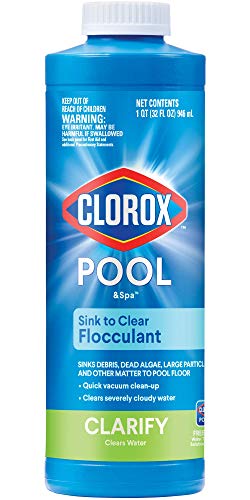
- BrandCLOROX Pool&Spa

- VC Score9.2
BCP Score is a ranking system developed by bestcleanerproducts.com. BCP Score has no relationship or impact from any manufacturers or sales agent websites. Learn more
- BrandHTH

- VC Score9.0
BCP Score is a ranking system developed by bestcleanerproducts.com. BCP Score has no relationship or impact from any manufacturers or sales agent websites. Learn more
- BrandMAV AquaDoc

- VC Score8.8
BCP Score is a ranking system developed by bestcleanerproducts.com. BCP Score has no relationship or impact from any manufacturers or sales agent websites. Learn more
- BrandBioGuard

- VC Score8.6
BCP Score is a ranking system developed by bestcleanerproducts.com. BCP Score has no relationship or impact from any manufacturers or sales agent websites. Learn more
- BrandPOOL ELEVATE

- VC Score8.6
BCP Score is a ranking system developed by bestcleanerproducts.com. BCP Score has no relationship or impact from any manufacturers or sales agent websites. Learn more
- BrandHTH

- VC Score8.2
BCP Score is a ranking system developed by bestcleanerproducts.com. BCP Score has no relationship or impact from any manufacturers or sales agent websites. Learn more
- BrandHTH
Last update on 2026-10-08 / Affiliate links / Images, Product Titles, and Product Highlights from Amazon Product Advertising API
FAQs
Can I use flocculant if I have a cartridge pool filter?
You should never run flocculant through a cartridge filter under standard settings. The clumping chemical glues the paper pleats together, destroying the cartridge and restricting water flow. You can only use it if your plumbing has an external bypass line straight to waste, or if you remove the physical cartridge elements from the tank before circulating the chemical.
How long should I leave the pool pump off after adding flocculant?
Turn the pump off for 12 to 24 hours after your initial two-hour recirculation cycle. The water needs to remain completely calm so the heavy clusters can settle to the floor. Leaving it off overnight is usually the easiest way to give the chemical enough resting time.
Can anyone swim in the pool while flocculant is working?
No one should swim in the pool while flocculant is active in the water. Swimmer movement stirs up the settling debris, ruining the clumping process and resetting your progress. Also, the concentrated chemicals can irritate skin and eyes until the sediment has been vacuumed to waste and the pool is properly filtered.
Why is my pool water still cloudy after vacuuming the flocculant?
Cloudiness after vacuuming usually happens when the vacuum head was moved too quickly, stirring light sediment back into suspension. It can also occur if the pH was outside the 7.2 to 7.6 range when you added the chemical, preventing proper coagulation. If you stirred up the dust, turn the pump off and let the debris settle back to the bottom overnight before vacuuming again.


How to Refinish a Fiberglass Pool

How Do You Keep Raccoons Out of Your Pool?

How to Fix Cyanuric Acid in Your Pool

How to Shape a Pool Cue Tip to Stop Miscues

12 Best Automatic Vacuum For Intex Above Ground Pool of 2026 To Keep Vinyl Floors Spotless

10 Best Automatic Pool Vacuum For Above Ground Pool of 2026 To End Manual Scrubbing

How Much Pool Clarifier Should You Use for Your Pool Size?

How Much Does a Pebble Tec Pool Cost to Build or Resurface?


