
How to Drain an Overfilled Pool Safely?

Most people assume an overfilled pool is harmless and will slowly evaporate on its own. That is a mistake, because high water prevents the skimmer door from catching floating leaves and dirt. The real fix is simple: lower the water line halfway up the skimmer opening so the pool can clean itself properly again.
The best drainage method depends on the equipment attached to the pool. Filters with a multi-position valve handle can pump water out through a waste line in minutes, while cartridge setups usually require a garden hose siphon or a small portable pump. Pool construction matters as well, alongside local rules about where chlorinated runoff may go. Here is how to choose the right method and get the water level back to normal safely.
The Short Version
- Target the right depth: Lower the pool water until it sits halfway up the skimmer opening (the rectangular wall opening that catches floating leaves).
- Choose your method: Turn your multiport valve (the lever handle on your filter tank that directs water flow) to "Waste" if you have a sand or DE filter. Use a portable submersible pump (a pump placed directly underwater) if you have a cartridge filter or an above-ground pool.
- Use gravity if you have no pump: Siphon water out through an ordinary garden hose, or attach an adapter to your above-ground pool drain plug.
- Discharge responsibly and test: Run water to a legal sewer cleanout or an open yard area away from foundations, then check your chlorine and pH levels once the water level is normal.

The Correct Water Line and Why High Water Causes Trouble
Your pool water level belongs right at the middle of the skimmer opening. On most pools, this sits roughly three to four inches below the top edge of the pool wall, right along the middle of the waterline tile border. When a heavy storm rolls through or someone leaves the garden hose running by mistake, the pool can quickly fill to the very top edge. While having extra water might seem harmless, an overfilled pool cannot clean itself properly.
The main issue comes down to the skimmer weir door. The weir door is the small plastic flap that hinges at the mouth of the skimmer opening. As water flows over this flap, it creates a gentle surface drop, almost like a tiny waterfall. That falling action pulls floating leaves, pollen, and bugs into the skimmer basket before they can sink to the bottom. When the pool is overfilled, the water rises above the top of the skimmer opening. The weir door becomes completely submerged and stays pinned underwater. Without that surface drop, the skimmer loses its pull, and debris just drifts around the pool surface instead of getting trapped.
High water also creates structural and property risks around your backyard. Excess water can splash over the coping stones and soak the ground supporting your concrete deck, which can loosen the surrounding soil over time. On vinyl liner pools, overflowing water can slip behind the top of the liner track and cause unsightly liner wrinkles or soft spots beneath the pool floor. Heavy rain also dilutes your pool chemicals, lowering your sanitizer levels and leaving the pool open to algae growth.
Method 1: Draining Through a Sand or DE Filter Using the Waste Setting
If your pool uses a sand filter or a diatomaceous earth (DE) filter, it likely has a multiport valve. This valve lets you change the path that water takes through your plumbing. Using the "Waste" setting is the quickest way to pull water out because it draws water directly from the pool and shoots it straight out of your waste line without running it through the filter tank.
- Turn off the pool pump: Always shut off the electrical power to your pool pump before touching the multiport valve handle. Moving the handle while the pump runs can tear the internal rubber spider gasket, which will cause leaks between settings.
- Roll out your discharge hose: If your waste line connects to a flexible flat discharge hose, unroll it completely across the yard. Make sure there are no kinks, bends, or twists in the hose that could block the heavy rush of water and split the hose.
- Set the valve to Waste: Press down firmly on the multiport valve lever, rotate it to the "Waste" setting, and let the handle snap securely into the groove. Do not use the "Backwash" setting for this job unless your filter is also dirty. If your filter media does need cleaning, review how to backwash a sand pool filter safely so you do not damage your filter grid or sand bed.
- Turn the pump back on: Switch the pump power back on and watch the water flow through the sight glass or out the end of the discharge hose. The pool pump moves a large volume of water very quickly on the Waste setting, often lowering the water line by several inches in under fifteen minutes.
- Watch the skimmer closely: Stand by the pool while the pump runs. Never leave the pool unattended during this step. As soon as the water level drops to the halfway point of the skimmer opening, switch the pump off right away. If you let the water drop below the skimmer opening, the pump will suck in air and run dry, which can overheat and ruin the pump motor.
- Return the valve to Filter: Press the handle down, turn it back to the normal "Filter" setting, and turn the pump back on to restore normal circulation.
Method 2: Draining with a Submersible Utility Pump or Cover Pump
If you have a cartridge filter, your equipment pad usually does not have a multiport valve or a dedicated waste line. Running water through a cartridge filter does not drain the pool because all the water simply loops right back into the pool returns. In this situation, or if you have an above-ground pool without hard plumbing, a portable submersible utility pump is the best tool for the job.
- Inspect your electrical setup: Safety must come first whenever water and electricity are close together. Locate an outdoor GFCI outlet (a protected ground-fault outlet with a weatherproof cover) at least 10 feet back from the pool edge. Do not use worn extension cords, and make sure nobody gets into the pool while equipment is plugged in.
- Attach a drainage hose: Screw a standard garden hose or a wide discharge hose onto the pump's outlet port. Lead the other end of the hose to a safe drainage spot that slopes away from your home and your pool equipment pad.
- Place the pump in the pool: Gently lower the pump into the water by its handle or by a tether rope. Set it flat on the top entry step or on the shallow end floor. Never lower or lift an electric pump by pulling on its electrical cord, as this can break the watertight seal on the motor housing.
- Plug the pump in to start draining: Plug the power cord into your GFCI outlet. The pump will hum quietly and start pushing water through the hose. Submersible pumps move water more gently than your main pool circulation pump, so this method gives you plenty of control and reduces the risk of accidentally draining too much water.
- Unplug before retrieving: Check the pool depth every twenty to thirty minutes. Once the water line drops to the middle of the skimmer mouth, unplug the power cord from the wall outlet first. Once the electricity is completely disconnected, pull the pump out of the pool by its handle and roll up your hose.
Method 3: Siphoning with a Garden Hose or an Above-Ground Drain Adapter
If you only need to remove an inch or two of excess rainwater and do not have an electric utility pump on hand, you can use gravity. Siphoning pulls water downhill through a hose using natural air pressure and gravity. This method is quiet, costs nothing in power, and works anywhere you have ground that sits lower than the pool surface.
- Connect your hose to an outdoor spigot: Attach one end of your garden hose to an outside water spigot, and place the open end into the deep end of your pool.
- Fill the hose with water: Turn on the spigot for thirty seconds. This forces out all the air trapped inside the garden hose and fills it completely with water.
- Trap the water inside: Turn off the spigot, unscrew the hose connection, and immediately cap the open end tightly with your thumb or palm so air cannot rush in.
- Drop the hose to lower ground: Carry the sealed end of the hose down to an area of your lawn or driveway that sits lower than the surface of the pool. Keep your hand firmly over the opening while walking.
- Release the opening: Let go of the hose end on the lower ground. The weight of the water falling out of the lower end will pull pool water up over the edge and out into the yard in a continuous flow. Let it run until the pool reaches the center of the skimmer door.
For above-ground pools made with metal frames or soft vinyl walls, you can also use the built-in drain valve located near the base of the pool wall. These pools usually include a small plastic drain plug adapter. Thread this adapter onto the exterior wall drain valve, which pushes open the internal rubber flap. Connect a standard garden hose to the adapter to direct water away from the pool foundation. Keep a close eye on the water level so the pool does not drain below the skimmer or intake fittings.
Where to Direct Runoff Water Safely and Legally
Draining hundreds of gallons of pool water into the wrong spot can cause soil erosion, flood your neighbor's property, or violate local environmental rules. Before you unroll a discharge hose, review this quick checklist to find the best place for your runoff:
- Check local municipal rules: Many cities prohibit draining chlorinated pool water into street storm drains because storm drains lead directly into local creeks, rivers, and ponds where chlorine harms wildlife. Some towns require pool owners to discharge into a home sewer cleanout port instead. Check your city or county website for local discharge rules.
- Protect your home foundation: Always aim discharge hoses downhill and at least ten to fifteen feet away from your house, garage, and pool equipment pad. Flooding the soil right next to your home can lead to basement leaks or shifting foundation slabs.
- Be mindful of lawns and landscaping: Healthy turf can absorb moderate amounts of pool water, but concentrated chlorinated water or salt water can burn grass and kill delicate garden plants. Move the hose end to different spots on your lawn every twenty minutes to prevent soggy puddles and soil erosion.
- Never flood neighboring yards: Make sure your discharge point does not send a stream of water across your neighbor's property line, patio, or garden beds.
Rebalancing Chemicals After the Water Level Is Restored
Once you bring the water line back to the center of the skimmer opening, your job is only half done. Heavy rain and accidental hose overfills dilute the chemicals that keep your pool water clean and clear. Rainwater contains environmental dust, dissolved gases, and airborne debris that lower your water's pH and consume your active chlorine.
Turn on your pool pump and let the water circulate on the normal "Filter" setting for at least two hours so the remaining water mixes thoroughly. Next, run a reliable water test using test strips or a liquid test kit to measure your pH, total alkalinity, and free chlorine levels. In most cases, you will find that your free chlorine has dropped near zero and your pH has swung acidic. Add the necessary balancing chemicals in stages, starting with total alkalinity, followed by pH, and finish with a dose of pool shock to sanitize the fresh water.
If intense rain washed garden soil, fertilizer, or lawn runoff into your pool, check for elevated nutrient levels as well. When dirt enters the water, it often introduces organic food sources that encourage algae blooms, so you may need to learn how to remove phosphates from a pool without cloudy water to protect your water clarity.
Equipment That Makes Draining an Overfilled Pool Easier
Managing pool water levels through changing seasons is much simpler when you have the right basic utility equipment on hand. Instead of improvising when heavy rain strikes, keeping dedicated drainage tools in your shed saves time and prevents equipment strain.
When selecting a portable submersible pump, check the pump's motor strength and flow rating. A small utility pump that moves four hundred to six hundred gallons per hour is lightweight, easy to store, and gentle enough to sit on pool covers without stretching the material. For faster drainage on large in-ground pools, a one-third horsepower utility pump can clear out excess rainwater in a fraction of the time. Look for models with oil-free motors, sturdy thermoplastic housings that resist pool chemicals, and power cords that easily reach outdoor GFCI outlets.
If you drain using a filter multiport valve, invest in a heavy-duty vinyl backwash hose reinforced with polyester yarn. Standard thin discharge hoses tend to crack, pinch, or burst under high water pressure. Choosing a hose with aluminum quick-connect fittings ensures a leak-free attachment at the filter port. For owners of above-ground pools, keeping spare threaded hose drain adapters in your maintenance kit ensures you can hook up a standard garden hose and route water away instantly without hunting for missing parts.

- VC Score9.0
BCP Score is a ranking system developed by bestcleanerproducts.com. BCP Score has no relationship or impact from any manufacturers or sales agent websites. Learn more
- BrandLEBLEBALL

- VC Score9.0
BCP Score is a ranking system developed by bestcleanerproducts.com. BCP Score has no relationship or impact from any manufacturers or sales agent websites. Learn more
- BrandFibroPool

- VC Score8.8
BCP Score is a ranking system developed by bestcleanerproducts.com. BCP Score has no relationship or impact from any manufacturers or sales agent websites. Learn more
- BrandDrain King
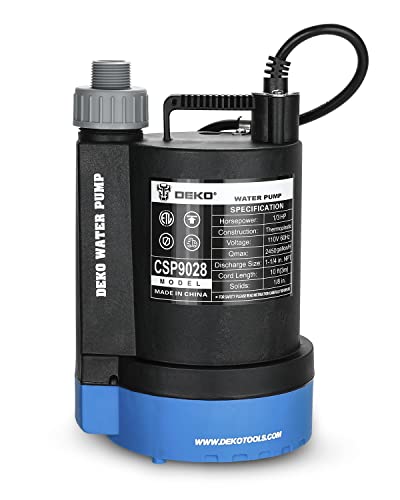
- VC Score8.8
BCP Score is a ranking system developed by bestcleanerproducts.com. BCP Score has no relationship or impact from any manufacturers or sales agent websites. Learn more
- BrandDEKOPRO

- VC Score7.8
BCP Score is a ranking system developed by bestcleanerproducts.com. BCP Score has no relationship or impact from any manufacturers or sales agent websites. Learn more
- BrandRO6G

- VC Score7.6
BCP Score is a ranking system developed by bestcleanerproducts.com. BCP Score has no relationship or impact from any manufacturers or sales agent websites. Learn more
- BrandMy DIY Center

- VC Score6.8
BCP Score is a ranking system developed by bestcleanerproducts.com. BCP Score has no relationship or impact from any manufacturers or sales agent websites. Learn more
- BrandXimoon

- VC Score6.8
BCP Score is a ranking system developed by bestcleanerproducts.com. BCP Score has no relationship or impact from any manufacturers or sales agent websites. Learn more
- BrandTxdiyifu
Last update on 2026-10-08 / Affiliate links / Images, Product Titles, and Product Highlights from Amazon Product Advertising API
FAQs
Can I lower the water by backwashing my filter instead of using the Waste setting?
You can use the Backwash setting to lower the water level, but it is not the most efficient choice unless your filter media is already dirty. Backwashing sends water backward through your sand or DE grids, which can flush out filter powder and stir up your filter bed unnecessarily. The Waste setting bypasses the filter media entirely, sending clean water straight out through the discharge line without putting wear on your filter.
Can high pool water damage my pool pump?
High water itself will not harm the pump motor as long as the equipment pad stays dry and above the waterline. The danger happens when an overfilled pool blocks the skimmer weir door from working, allowing floating debris to bypass the skimmer and reach the main pump basket. If that basket packs full of leaves, it can restrict water flow, causing the pump to cavitate, overheat, or run dry.
Can I drain an overfilled pool completely to start fresh with new water?
No, you should never drain a pool completely without professional guidance. Emptying an in-ground pool can cause groundwater pressure to lift the entire pool shell out of the ground, especially after heavy rains that saturate the soil. This risk is especially critical for fiberglass shells, which require careful balancing techniques similar to those used when learning how to winterize a fiberglass pool without damaging the shell. Vinyl liners will also shrink and tear if left empty.
How long does it take to drain an overfilled pool back to normal?
The time depends on the method you use and how much extra water you have. Using the Waste setting on a standard pool pump takes roughly ten to twenty minutes to lower the water by two or three inches. A portable electric submersible utility pump usually takes one to three hours, while a garden hose siphon can take five to eight hours to pull down the same volume.


How to Refinish a Fiberglass Pool

How Do You Keep Raccoons Out of Your Pool?

How to Fix Cyanuric Acid in Your Pool

How to Shape a Pool Cue Tip to Stop Miscues

12 Best Automatic Vacuum For Intex Above Ground Pool of 2026 To Keep Vinyl Floors Spotless

10 Best Automatic Pool Vacuum For Above Ground Pool of 2026 To End Manual Scrubbing

How Much Pool Clarifier Should You Use for Your Pool Size?

How Much Does a Pebble Tec Pool Cost to Build or Resurface?








