
How to Repair a Pool Liner Without Draining the Pool

Most pool owners assume a tear means pumping out all the water before making a repair. That belief is false, because anyone can patch a vinyl liner directly underwater using waterproof pool glue. Water pressure even helps press the patch flat against the wall while the adhesive sets.
The right approach depends on the size of the hole, where it sits, and how flexible the material remains. Small punctures below the surface seal quickly with wet adhesive, while dry tears above the water line bond best with peel-and-stick repair tape. Slits under six inches usually hold tight, but split seams and brittle vinyl rarely stay sealed. Stopping the water quickly keeps the sand base from washing out, and you can fix the tear safely with just a few straightforward steps.
Finding the Leak: How to Pinpoint Small Punctures
Water leaking through a vinyl liner does not simply disappear into the ground. In an above-ground pool, escaping water washes out the sand cove along the bottom rim. This sand wedge protects the liner from pressing against bare metal, and losing it can cause the pool wall to buckle or collapse. In an in-ground pool, water erodes the sand or cement base beneath the floor, creating soft sinkholes and shifting walls. Finding and sealing a puncture right away protects the structure of your pool.
When you cannot see the tear with your bare eyes, a food coloring check lets you track where water leaves the pool. Follow this checklist to find the exact location of the leak:
- Shut off the pool pump: Turn off all circulation equipment and let the water become completely still for at least thirty minutes. Moving water from return jets will blow your dye away before you can track it.
- Fill a small squeeze bottle or plastic dropper: Use dark blue or red food coloring. Dark colors create a sharp contrast against light pool bottoms and patterned vinyl.
- Wear a swimming mask or goggles: Put on goggles so you can open your eyes underwater without stinging, allowing you to watch the dye closely.
- Check around pool fittings first: Most liner leaks happen where the vinyl meets hard plastic. Squeeze a small puff of food coloring around the skimmer faceplate, return jet gaskets, and light fixtures.
- Inspect the steps and entry areas: Heavy foot traffic near ladders often causes tiny stress tears. If you need to clean or maintain this area safely, take steps to fix slippery pool steps before walking around in the water.
- Check floor seams and corners: Slowly move along bottom corners and factory seams where tension is highest. Look for small bits of dirt or debris that seem stuck to the floor, as escaping water often pulls dirt directly toward a hole.
- Watch how the dye behaves: Squirt a dime-sized cloud of food coloring about one inch away from any suspected spot. If the liner is sealed, the dye drifts slowly in place. If there is a tear, the escaping water will pull the colored cloud straight into the opening like an open drain.
How to Patch a Pool Liner Underwater in 6 Steps
You do not need to drain your pool to fix a tear on the bottom or along the submerged wall. Draining a vinyl liner pool causes the liner to shrink, dry out, and pull away from the corners, which often ruins the entire liner. You can complete the entire repair underwater using waterproof pool glue and a piece of flexible vinyl.
- Clean the liner around the tear with a soft sponge. Gently wipe away any fine algae, dirt, or slippery body oils within three to four inches of the opening. Reason: Waterproof pool glue cannot grip slick surfaces, and any debris left on the vinyl will cause the patch to lift within days.
- Cut a vinyl patch with rounded corners. Measure the hole and cut a vinyl patch that extends at least one to two inches beyond the damaged area in every direction. Use sharp scissors to trim off all four corners so the patch is an oval or circle. Reason: Sharp square corners catch on pool vacuum brushes, cleaner tracks, and swimmers' feet, which quickly peels the patch off the wall.
- Spread waterproof pool glue generously across the back of the patch. Coat the entire back side of the vinyl patch evenly from edge to edge, making sure you do not leave dry spots along the outer perimeter. Reason: Dry areas let pool water seep between the patch and the liner, which weakens the bond before the glue can cure.
- Fold the patch in half like a taco before putting it into the water. Bring the glued edges inward toward each other so the glue stays shielded inside the fold while you swim down to the tear. Reason: Folding keeps the adhesive protected so pool water does not wash the glue away as you move through the water.
- Open the patch directly over the hole and smooth it from the center outward. Unfold the patch right against the vinyl surface, center it over the tear, and use your thumbs to press firmly outward toward the edges. Reason: Pressing from the center out forces out trapped water and air pockets, creating direct contact between the liner and the patch.
- Hold steady pressure for two full minutes, then weigh it down. Keep your hands pressed firmly against the patch without shifting your fingers, and if the repair is on the pool floor, place a smooth brick or a bag of sand on top of it for twenty-four hours. Reason: The glue requires firm contact to start curing under water pressure, and continuous weight prevents the outer edges from curling up before the bond hardens.
Repairing Tears Above the Waterline With Peel-and-Stick Tape
Tears above the water line usually occur from sun exposure, rowdy play, or animal claws catching the upper wall. If your pets enjoy the pool area, learning how to keep your dog out of the pool can save your vinyl walls from sharp claw punctures. When the damaged vinyl is completely dry, self-adhesive repair tape or peel-and-stick vinyl patches provide a fast, clean fix.
Start by drying the vinyl completely using a clean microfiber cloth. Wipe the surrounding area with a small amount of rubbing alcohol to strip away suntan lotions, body oils, and chemical residue. Let the surface air dry for two minutes so no moisture remains.
Cut a strip of waterproof repair tape large enough to cover the tear with at least one inch of overlap on all sides. Round every corner with scissors to keep the edges smooth. Peel off the paper backing, align the tape over the split, and press it down from one side to the other. Use the back of a spoon or the edge of a plastic card to rub the tape down firmly, pushing out every air pocket. Let the repair cure according to the package directions before splashing water against it.
Common Patching Mistakes That Cause Liners to Leak Again
A vinyl patch should hold for years, but small mistakes during installation can cause the edges to lift and leak within a few weeks. Knowing what goes wrong helps you install a patch that stays watertight for the rest of the season.
Leaving square corners on the patch is the most common reason repairs fail. Whenever an automatic pool cleaner rolls across the floor or someone kicks off a wall, sharp corners lift up. Once water gets under an edge, pool currents peel the rest of the patch away. Always take ten seconds to trim corners into smooth curves.
Applying the patch to dirty vinyl is another frequent mistake. Algae and sunscreen leave a thin, slick film over the vinyl that is hard to see underwater. If you apply glue directly over that film, the adhesive sticks to the algae rather than the liner. A quick wipe with a clean sponge ensures a direct, solid grip.
Stretching the patch during installation also ruins the seal. Flexible vinyl stretches easily when pulled, but it always tries to shrink back to its original shape. If you pull the patch tight while sticking it down, the tension slowly rips the patch away from the liner as it contracts. Lay the patch down flat and smooth it gently without pulling the material.
Running pool cleaners too soon can dislodge fresh patches. While underwater pool glue sets quickly, the bond needs time to reach full strength. Turn off automatic bottom cleaners and hold off on heavy brushing for at least twenty-four hours so the patch remains undisturbed.
Patch or Replace: When Is a Damaged Pool Liner Past Saving?
Most small holes, pinpricks, and short slits can be patched easily without replacing the liner. But vinyl has a limited lifespan, and severe structural damage cannot be solved with glue and tape alone. Evaluating the size of the tear, its location, and the condition of the material will tell you whether to patch it or install a new liner.
Small punctures and cuts under six inches are prime candidates for a patch. A six-inch slit on a flat wall or open floor can hold a patch for years as long as the surrounding vinyl is healthy. Punctures caused by dropped pool poles, toys, or ladder legs seal tight because the vinyl around the hole remains flat and stable.
Tears along factory seams are much harder to fix. Liners are built from separate vinyl panels that are heat-welded together at the factory. When a seam separates, the pull of the water creates continuous sideways tension on the joint. A patch placed over an open seam rarely holds long because water pressure forces the two panels apart under the glue.
The texture of your vinyl also determines whether a patch will work. Healthy vinyl feels soft, supple, and rubbery to the touch. As vinyl ages, pool chemicals and strong sun rays bake out the plasticizers that keep it flexible. Old vinyl becomes brittle, stiff, and chalky, resembling hard cardboard. If your liner is brittle, pressing down to apply a patch often cracks the vinyl right next to your repair, creating a larger leak. If your pool has brittle material, shrinking corners, or dozens of separate cracks, replacing the liner is the only reliable long-term solution.
What to Look for in a Pool Liner Repair Kit
Choosing the right repair kit depends on whether your tear is under the surface or high up on a dry wall. Having the correct supplies on hand lets you stop leaks before your pool loses thousands of gallons of water.
For repairs beneath the waterline, look for kits that include liquid waterproof pool glue and extra vinyl material. These kits feature solvent-based adhesives formulated to cure while submerged in chlorinated water. They also provide large vinyl sheets that you can trim down to fit tears of any shape.
For tears above the waterline, peel-and-stick repair tape made from high-strength plastic or flexible vinyl offers a fast, clean repair without messy liquid glues. Look for tape rolls that offer generous width so you can cover longer tears without piecing multiple strips together.
Check the color and finish of the patch material before you buy. Clear patches work well across patterned liners because they let the printed floor design show through. Solid blue patches blend cleanly into standard blue bottoms. Verify on the package that the adhesive is safe for swimming pool use and designed for flexible vinyl surfaces.

- VC Score8.6
BCP Score is a ranking system developed by bestcleanerproducts.com. BCP Score has no relationship or impact from any manufacturers or sales agent websites. Learn more
- BrandBirllaid
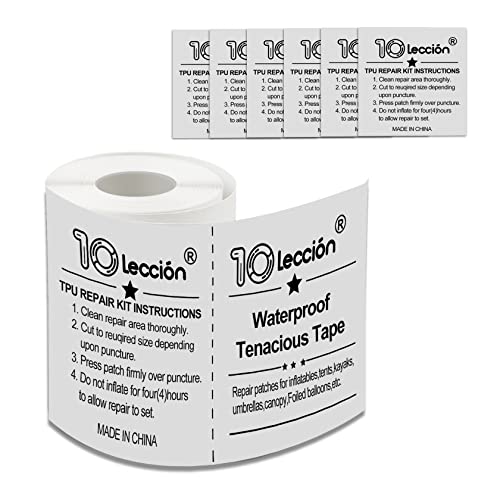
- VC Score8.2
BCP Score is a ranking system developed by bestcleanerproducts.com. BCP Score has no relationship or impact from any manufacturers or sales agent websites. Learn more
- Brand10Leccion

- VC Score8.2
BCP Score is a ranking system developed by bestcleanerproducts.com. BCP Score has no relationship or impact from any manufacturers or sales agent websites. Learn more
- BrandPureline

- VC Score8.0
BCP Score is a ranking system developed by bestcleanerproducts.com. BCP Score has no relationship or impact from any manufacturers or sales agent websites. Learn more
- BrandTikfoam

- VC Score8.0
BCP Score is a ranking system developed by bestcleanerproducts.com. BCP Score has no relationship or impact from any manufacturers or sales agent websites. Learn more
- BrandShitailu
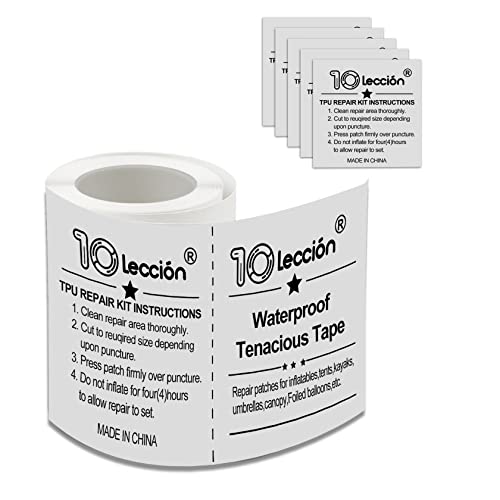
- VC Score8.0
BCP Score is a ranking system developed by bestcleanerproducts.com. BCP Score has no relationship or impact from any manufacturers or sales agent websites. Learn more
- Brand10Leccion

- VC Score8.0
BCP Score is a ranking system developed by bestcleanerproducts.com. BCP Score has no relationship or impact from any manufacturers or sales agent websites. Learn more
- BrandTaoanlo

- VC Score6.8
BCP Score is a ranking system developed by bestcleanerproducts.com. BCP Score has no relationship or impact from any manufacturers or sales agent websites. Learn more
- BrandKapStrom

- VC Score6.4
BCP Score is a ranking system developed by bestcleanerproducts.com. BCP Score has no relationship or impact from any manufacturers or sales agent websites. Learn more
- BrandPAGOW
Last update on 2026-10-08 / Affiliate links / Images, Product Titles, and Product Highlights from Amazon Product Advertising API
Frequently Asked Questions
Can I patch a pool liner underwater without draining the pool?
Yes, you can patch a pool liner underwater without draining any water. Waterproof pool glue is specifically formulated to cure while fully submerged in pool water. Draining your pool is actually risky because vinyl liners shrink and pull away from corners when water weight is removed.
How long does an underwater pool liner patch last?
A properly applied underwater vinyl patch can last several years, often outliving the remaining life of the liner itself. As long as you clean the surface, round the edges, and smooth out all water bubbles, the bond stays strong against chemical exposure and water currents.
Can you use regular duct tape to patch a pool liner?
No, standard duct tape will not hold on a pool liner. Duct tape uses a rubber-based glue that breaks down rapidly in water and chlorinated pool chemicals. It might slow a leak for an hour or two, but it will quickly peel off and leave sticky residue behind.
What happens if you leave a small pool liner leak unfixed?
Leaving a leak unfixed allows escaping water to wash away the sand base beneath your pool floor, creating large sinkholes and uneven ground. In above-ground pools, pooling water behind the walls corrodes the steel frame and can lead to sudden structural collapse.


How to Refinish a Fiberglass Pool

How Do You Keep Raccoons Out of Your Pool?

How to Fix Cyanuric Acid in Your Pool

How to Shape a Pool Cue Tip to Stop Miscues

12 Best Automatic Vacuum For Intex Above Ground Pool of 2026 To Keep Vinyl Floors Spotless

10 Best Automatic Pool Vacuum For Above Ground Pool of 2026 To End Manual Scrubbing

How Much Pool Clarifier Should You Use for Your Pool Size?

How Much Does a Pebble Tec Pool Cost to Build or Resurface?








