
How to Stabilize a Pool to Stop Chlorine Loss

Check the pool water's cyanuric acid level before adding any new chemicals. Stabilizing a pool simply means adding cyanuric acid to shield chlorine from sunlight, which keeps the sanitizer from vanishing on hot afternoons. Without this chemical sunblock, direct ultraviolet rays burn away chlorine in just a couple of hours, leaving the water wide open to algae.
How much stabilizer to use depends on total water volume in gallons and what the current reading shows. Anyone who uses slow-dissolving chlorine pucks might already be adding this protectant continuously, lowering how much extra powder is necessary. Adding too much causes chlorine lock, a frustrating state where chlorine stops working and the pool must be partially drained. Here is how to measure, dose, and safely dissolve the chemical so the pool holds its sanitizing power all season.
Why Outdoor Pools Lose Chlorine and What Stabilizer Does
If you add chlorine to your pool at dusk and find almost none left by the following afternoon, sunlight is the reason. Ultraviolet rays from direct sun break down free chlorine molecules at a rapid pace. Without chemical protection, direct midday sun can destroy the majority of active sanitizer in an outdoor pool in as little as two hours. Once your sanitizer disappears, bacteria multiply freely, and slick green algae blooms can take over your pool walls and floor before the weekend arrives.
Pool stabilizer prevents this rapid loss. Stabilizer is the common trade name for cyanuric acid, which functions like sunblock for your water. The chemical forms a weak, temporary bond with free chlorine molecules floating in the pool. This bond shields the chlorine from ultraviolet radiation while still allowing the sanitizer to release itself whenever it encounters bacteria, algae, body oils, or organic debris that need sanitizing.
Indoor pools do not need stabilizer because roofs and windows block direct ultraviolet rays. Outdoor pools, however, require a steady baseline of cyanuric acid to hold onto sanitizer throughout the summer. The ideal target for a standard outdoor pool sits between 30 and 50 parts per million (often written as ppm, which is the standard unit pool owners use to measure water balance). Saltwater pools typically run slightly higher, around 60 to 80 ppm, to prevent the internal salt cell from working constantly to replace burned-off chlorine.
Maintaining the proper range is critical because cyanuric acid does not evaporate or degrade over time. It remains in your pool water until you splash it out, backwash the filter, or drain water out of the pool. If your reading drops below 30 ppm, sunlight burns through your chlorine within hours, forcing you to buy extra shock every week. But if your reading climbs past 100 ppm, you run into chlorine lock. Chlorine lock happens when an excess of stabilizer binds so tightly to the chlorine that the sanitizer cannot sanitize, leaving your water cloudy and vulnerable even when your chemical readings show plenty of total chlorine.
How to Measure Water Levels and Calculate Your Chemical Dosage
Never guess how much stabilizer your pool needs. Adding extra stabilizer is easy to do, but removing an excess requires draining water out of the pool and refilling with fresh tap water. You must confirm your starting numbers before buying or adding any chemicals.
Use a dependable liquid drop measurement kit or take a fresh water sample to your local pool store for analysis. Basic color strips can provide a rough idea, but a liquid turbidity check (where water clouds up inside a small vial and you confirm when a black dot at the bottom disappears) gives you a far more accurate cyanuric acid reading. If you recently refilled your pool, knowing how to balance a newly filled pool in the right order helps you balance total alkalinity and pH before you adjust your stabilizer level.
Next, find your pool volume in gallons so you can dose accurately. For a rectangular pool, multiply the length in feet by the width in feet, multiply by the average depth in feet, and multiply that final number by 7.5. For a round or oval pool, multiply the average diameter by the diameter, by the average depth, and by 5.9. As a general guideline, adding roughly 13 ounces of dry granular cyanuric acid per 10,000 gallons of water raises your stabilizer reading by approximately 10 ppm. Always confirm the dosage instructions on your chemical container label before pouring.
Follow this quick checklist before handling any dry stabilizer:
- Measure your existing cyanuric acid level so you know your exact starting baseline in parts per million.
- Calculate your pool volume in gallons so you do not accidentally overdose the water.
- Check whether your regular chlorine tablets already contain built-in stabilizer.
- Weigh your dry granules with a household scale into a clean bucket rather than estimating by volume.
- Put on chemical-resistant gloves and safety glasses to protect yourself from fine chemical dust.
The Safest Way to Add Stabilizer Using the Skimmer Sock Method
Granular stabilizer dissolves very slowly compared to other pool chemicals. The dry powder feels like dense sand, and it will not dissolve quickly when tossed into water. If you dump raw granules directly across the pool floor, the acidic grains will rest against the surface for days. On vinyl liners, fiberglass, or concrete, undissolved granules can bleach patterns, etch plaster, and create stubborn mineral discolorations. If you take care to clean pool plaster without damaging the surface, leaving acidic granules sitting on that plaster is a mistake you want to avoid.
Pouring dry granules straight down the skimmer (the suction box built into your pool wall that draws surface water) is also risky. The heavy grains sink directly into the pipework and filter tank. Once inside, they can turn into a thick sludge that clogs sand filters, coats cartridge elements, and spikes plumbing pressure. The cleanest and most reliable way to add granular stabilizer is the skimmer sock method.
- Weigh your calculated dose of dry granules and pour them into an old cotton tube sock, a nylon skimmer sock, or a fine mesh bag.
- Tie the open end of the sock securely with a knot or zip tie so no granules can spill out into the water.
- Switch your circulation pump on to high speed to ensure strong water flow through the filtration system.
- Place the filled sock directly inside your skimmer basket. If your skimmer suction pulls too hard and restricts surface water flow, tie the sock to your pool handrail or a pole and hang it right in front of a return jet where clean water flows back into the pool.
- Run your circulation pump continuously for at least 24 hours so steady water movement dissolves the granules.
- Put on protective gloves and gently squeeze the sock once or twice a day to break up softened granules and disperse the chemical evenly into the water current.
Once the sock is empty, all the stabilizer has entered the water, but cyanuric acid requires three to seven full days to dissolve completely at a molecular level and register on a water check. A frequent mistake is measuring the water 24 hours after adding the chemical, seeing no change on the gauge, and dumping in a second batch. That mistake leads directly to over-stabilization. Give your pool a full week of normal circulation before measuring your cyanuric acid level again.
You must also avoid backwashing or cleaning your pool filter for at least five to seven days after adding the chemical. Even with the sock method, fine dissolving particles settle inside the filter media as the water circulates. If you backwash or rinse your filter too early, you wash that newly added chemical straight down the drain pipe, wasting your money and leaving your pool unprotected.
What to Look for in Stabilizer and Water Maintenance Products
When selecting a pool stabilizer, you will find two primary options: dry granules and pre-dissolved liquid. Dry granular cyanuric acid is the most popular choice because it costs less, stores safely in a dry shed or garage, and retains its potency for years. Look for dry formulations that specify pure cyanuric acid or pool conditioner without extra fillers. Liquid stabilizer acts much faster because the chemical is already dissolved, allowing you to pour it around the pool edge for immediate sun protection. But liquid conditioner is heavier to carry, requires larger containers, and costs considerably more per treated gallon.
You should also inspect your everyday sanitizing products. Slow-dissolving 3-inch chlorine tablets (made of trichlor) contain built-in cyanuric acid to protect their chlorine payload. Every tablet that dissolves in your floating feeder or inline chlorinator gradually raises your stabilizer level over the swimming season. If you use stabilized tablets daily, you only need to add pure stabilizer at the beginning of the season to reach your baseline minimum, letting the tablets maintain the rest.
Remember that physical cleaning tools work alongside your chemicals, but they cannot replace proper water balance. Automatic pool cleaners, such as robotic cleaners with internal debris baskets or suction-side cleaners that hook to your skimmer, do an excellent job removing leaves, sand, and organic waste. Clearing out that debris keeps contaminants from consuming your free chlorine. But no cleaner can adjust water chemistry on its own. Establish your stabilizer baseline first, and your routine pool cleaning will keep the water crystal clear all season long.
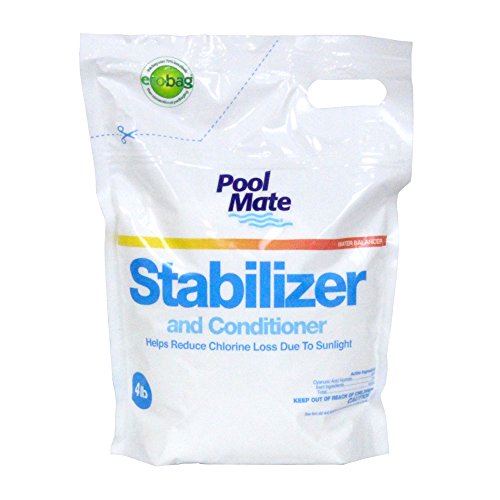
- VC Score9.2
BCP Score is a ranking system developed by bestcleanerproducts.com. BCP Score has no relationship or impact from any manufacturers or sales agent websites. Learn more
- BrandPool Mate

- VC Score9.2
BCP Score is a ranking system developed by bestcleanerproducts.com. BCP Score has no relationship or impact from any manufacturers or sales agent websites. Learn more
- BrandC3

- VC Score9.2
BCP Score is a ranking system developed by bestcleanerproducts.com. BCP Score has no relationship or impact from any manufacturers or sales agent websites. Learn more
- BrandDoheny's

- VC Score9.2
BCP Score is a ranking system developed by bestcleanerproducts.com. BCP Score has no relationship or impact from any manufacturers or sales agent websites. Learn more
- BrandBanger Labs
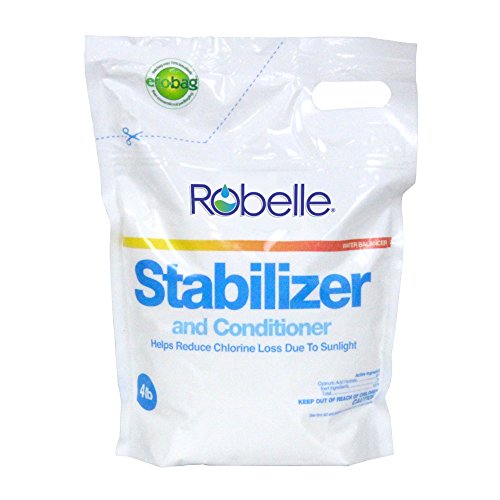
- VC Score9.0
BCP Score is a ranking system developed by bestcleanerproducts.com. BCP Score has no relationship or impact from any manufacturers or sales agent websites. Learn more
- BrandRobelle

- VC Score8.2
BCP Score is a ranking system developed by bestcleanerproducts.com. BCP Score has no relationship or impact from any manufacturers or sales agent websites. Learn more
- BrandIn The Swim

- VC Score7.4
BCP Score is a ranking system developed by bestcleanerproducts.com. BCP Score has no relationship or impact from any manufacturers or sales agent websites. Learn more
- BrandChemCorp
Last update on 2026-10-08 / Affiliate links / Images, Product Titles, and Product Highlights from Amazon Product Advertising API
FAQs
How long does pool stabilizer take to dissolve and work?
Dry granular stabilizer usually dissolves from a skimmer sock within 24 to 48 hours with the pump running. However, the chemical takes between three and seven days to disperse completely and show up accurately on water balance readings. Pre-dissolved liquid stabilizer mixes instantly and begins protecting your chlorine within a few hours.
Can you swim right after adding stabilizer to the pool?
You can swim roughly 20 to 30 minutes after placing a stabilizer sock in the skimmer, provided your pump is circulating and your pH and sanitizer levels are balanced. Cyanuric acid is a mild compound that dilutes safely in thousands of gallons of pool water. Avoid touching or squeezing the chemical sock with bare hands while swimming.
What should you do if your pool stabilizer level gets too high?
The only reliable way to lower an elevated cyanuric acid reading is to drain out a portion of the pool water and replace it with fresh tap water. Chemical reducers are unpredictable and rarely lower levels consistently. Drain and refill in small stages, lowering the water level by about one foot at a time to protect your pool walls and liner from ground pressure.


How to Refinish a Fiberglass Pool

How Do You Keep Raccoons Out of Your Pool?

How to Fix Cyanuric Acid in Your Pool

How to Shape a Pool Cue Tip to Stop Miscues

12 Best Automatic Vacuum For Intex Above Ground Pool of 2026 To Keep Vinyl Floors Spotless

10 Best Automatic Pool Vacuum For Above Ground Pool of 2026 To End Manual Scrubbing

How Much Pool Clarifier Should You Use for Your Pool Size?

How Much Does a Pebble Tec Pool Cost to Build or Resurface?








