
How to Balance a Newly Filled Pool in the Right Order

Balancing fresh pool water starts by running the pump for a full day, then adding chemicals in a strict sequence: total alkalinity first, pH second, stabilizer third, and chlorine shock last. The water source changes that plan immediately, especially if well water brings heavy minerals into the pool. Adding shock into raw water out of order wastes expensive chemicals and locks in cloudiness before anyone can swim.
Pool surface materials also alter the routine, since plaster requires added calcium to protect the finish, while vinyl liners do not. Total water volume dictates your chemical doses, so knowing the exact gallon count prevents accidental over-treating. Matching these details to your pool keeps startup easy. Here is how to handle each stage so the water stays crystal clear and swim-ready.
Preparing Water Circulation and Measuring Your Base Water
Staring at thousands of gallons of fresh water in a swimming pool can feel overwhelming. Whether that water came from a garden hose hooked to a city tap or a rural well, it is completely raw and unconditioned. The most tempting mistake new pool owners make is ripping open bags of chemicals the minute the water reaches the skimmer opening. Adding chemicals to stationary water causes pockets of harsh acidity, stains fresh plaster, and gives you inaccurate chemical readings.
Before you open a single chemical lid, you must establish continuous water movement through the pump. Deep end water is cold and dense, while the upper layer near the waterline warms up in the sun. This temperature difference causes layering, meaning the mineral and chemical levels at the bottom of your pool are completely different from the surface. Running your circulation pump pulls water from the bottom drain and surface skimmers, blending the entire volume into one uniform body.
Keep your pump running continuously for 12 to 24 hours before you take any initial water readings. This circulation period also gives municipal tap water time to off-gas extra additives and lets well water stabilize at outdoor temperatures. Your water source changes your starting baseline dramatically. Municipal city water usually arrives with a neutral pH, moderate mineral levels, and small amounts of municipal sanitizers. Well water, on the other hand, contains zero sanitizers, has very little dissolved oxygen, and frequently carries high amounts of dissolved metals like iron, copper, and manganese.
You also need to know your exact pool volume in gallons before adding anything to the water. Every chemical dosage chart on the back of a bottle calculates amounts per 10,000 gallons. For a rectangular pool, multiply length by width by average depth in feet, then multiply that result by 7.5. For a round above-ground pool, multiply the diameter by itself, multiply by average depth, and multiply by 5.9. Knowing your true gallon total prevents dangerous overdosing.
- Verify that the water level rests halfway up the skimmer opening so the pump does not pull in air.
- Open all return lines and confirm that water returns firmly through every jet.
- Run your pool pump continuously for at least 12 hours before taking baseline water readings.
- Calculate your exact pool volume in gallons using your pool length, width, and depth measurements.
- Gather a reliable liquid droplet chemical kit or multi-way indicator strips along with protective eyewear.
The Step-by-Step Chemical Sequence for Fresh Pool Water
Balancing fresh water requires an exact sequence. Adding chemicals out of order wastes money, creates cloudy water, and can damage your pool surfaces. If you dump chlorine shock into raw water before establishing your baseline acidity, the shock loses most of its sanitizing power and can cause stubborn mineral scaling. Follow this exact five-step sequence to balance your water correctly the first time.
- Adjust Total Alkalinity first (the pH shield): Total Alkalinity serves as a pH shield for your water, keeping the pH reading from bouncing wildly whenever it rains or swimmers jump in. Measure your alkalinity and adjust it until it sits between 80 and 120 parts per million. If your measurement reads below 80 parts per million, add sodium bicarbonate to bring it up. If your alkalinity reads above 120 parts per million, add a dry acid or liquid muriatic acid in small amounts to lower it. Locking in this shield first ensures your next chemical adjustments stay stable.
- Set the pH level second: Once your alkalinity shield is in place, measure your pH level and aim for a balance between 7.2 and 7.6. Fresh water with a pH reading below 7.2 is overly acidic. Acidic water burns swimmer eyes, corrodes copper heat exchangers in pool heaters, and slowly etches rough concrete or plaster surfaces. Water with a pH reading above 7.6 is too alkaline, which leads to calcium scale along the waterline and slows down chlorine sanitizing power. Use a pH increaser if your reading is low, or a pH decreaser if your reading is high.
- Add cyanuric acid (chlorine stabilizer or sunscreen): Raw fill water contains zero cyanuric acid. In the pool world, cyanuric acid acts like sunscreen for your chlorine molecules. The ultraviolet rays from direct sunlight destroy up to 90 percent of unstabilized chlorine in as little as two hours. Add enough stabilizer to reach a level between 30 and 50 parts per million. Dissolve granular stabilizer in a bucket of warm water first or place it inside a skimmer sock so it dissolves slowly into the circulation system without settling on the pool floor.
- Apply a heavy chlorine dose (pool shock): With your pH shield locked, your pH neutral, and your chlorine sunscreen in place, you can safely shock the pool. Raw water contains harmless organic matter, microscopic dust, and bacteria that consume chlorine quickly. Adding a heavy chlorine dose wipes out these initial contaminants and creates a safe free chlorine residual of 1 to 3 parts per million. If your chlorine levels ever seem ineffective or stop sanitizing down the road, you may need to learn how to unlock chlorine in your pool to restore active sanitizing power.
- Adjust calcium hardness (the mineral level): The final step is balancing calcium hardness, which represents the mineral level dissolved in the water. Fresh water is mineral-hungry, meaning it will pull minerals directly out of concrete, gunite, or plaster shells if the water is too soft. Plaster and concrete pools need a calcium hardness level between 200 and 400 parts per million to protect the interior surface from pitting. Vinyl liners and fiberglass pools do not leach minerals, so they only need a modest baseline of 150 to 250 parts per million to prevent foaming.
Wait Times Between Additions and Common Startup Pitfalls
Patience is just as critical as the chemicals themselves. Never dump multiple chemical treatments into your pool at the exact same time. Pouring acid and chlorine together, for example, triggers an immediate chemical reaction that releases toxic fumes and cancels out both products. Always add one chemical, let the pump circulate the water for at least 4 to 8 hours, and re-measure your water levels before adding the next treatment.
The biggest question for eager families is when it is finally safe to swim. Jumping into a pool with active shock can burn sensitive skin, bleach swimwear, and irritate lungs. You should only allow swimmers into the pool when free chlorine has dropped below 4 parts per million, pH sits steadily between 7.2 and 7.6, and at least 24 hours have passed since your heavy chlorine dose. The water must also be crystal clear all the way to the bottom drain so you can verify safe visibility.
A frequent disaster for homeowners filling from a private well is the sudden green or brown pool surprise. When you shock raw well water, the chlorine oxidizes dissolved iron and copper immediately. The iron literally rusts inside the water, turning a clear pool into an emerald green or tea-colored swamp within minutes. If you fill with well water, always use a hose-end carbon pre-filter to catch sediment, and add a metal sequestering chemical before you add your first scoop of shock. Sequestering agents bind to metal particles so chlorine cannot oxidize them into visible stains.
Another major startup mistake is tossing granular shock directly onto a vinyl liner. Heavy granules do not dissolve instantly in cold water; they sink directly to the vinyl floor. Once seated on the floor, concentrated chlorine bleaches the printed pattern, weakens the liner material, and causes pinhole leaks. If your liner ever suffers accidental punctures or seam stress, knowing how to fix a pool liner without draining the pool can save your season. Always dissolve granular shock completely in a bucket of pool water before pouring it along the deep end perimeter.
Startup Supplies and Water Treatment Products to Keep on Hand
Having the right chemical supplies and pool care products organized by your pool equipment pad prevents unnecessary emergency trips to the supply store. When water balance drifts, correcting it within a few hours prevents algae blooms from taking hold in your fresh water. Keep your chemicals stored in a dry, ventilated shed out of direct sunlight and away from pets and small children.
Start with dedicated alkalinity balancers and pH adjusters. Buy both pH increaser and pH decreaser, as rainstorms, windblown dust, and swimmer splashout will constantly shift your acidity. For sanitizing, choose between liquid chlorine shock and granular shock. Liquid chlorine does not cloud pool water, dissolves instantly, and leaves zero calcium residue behind, making it an excellent choice for startup balancing. Granular shock is easy to store and stack, but it requires thorough bucket mixing before application.
You can also install supplemental mineral care units or slow-release mineral cartridges directly into your skimmer basket or pump strainer. These units steadily release active mineral purifiers that wipe out multiple types of algae and dramatically lower your overall chlorine demand. Using mineral sanitizing aids helps keep the water soft, prevents eye irritation, and maintains clarity during hot summer weeks.
Before purchasing your startup supplies, check the chemical concentration percentages printed on the packaging. Higher concentration levels mean you use fewer ounces per treatment, saving shelf space and dosing effort. Confirm that every sanitizer and clarifier you select clearly lists compatibility with your specific pool finish, whether you maintain a smooth vinyl liner, a painted fiberglass shell, or a rough aggregate plaster.

- VC Score9.4
BCP Score is a ranking system developed by bestcleanerproducts.com. BCP Score has no relationship or impact from any manufacturers or sales agent websites. Learn more
- BrandClorox

- VC Score9.4
BCP Score is a ranking system developed by bestcleanerproducts.com. BCP Score has no relationship or impact from any manufacturers or sales agent websites. Learn more
- BrandClorox
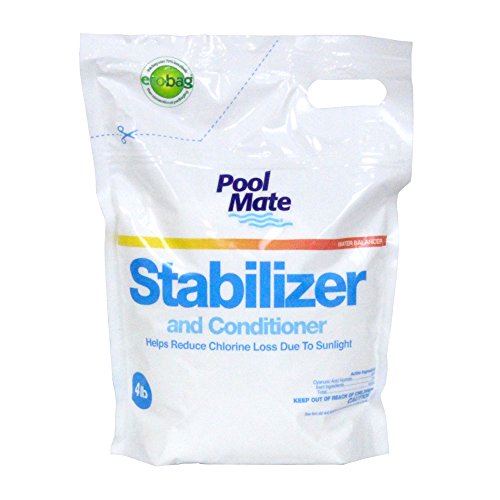
- VC Score9.2
BCP Score is a ranking system developed by bestcleanerproducts.com. BCP Score has no relationship or impact from any manufacturers or sales agent websites. Learn more
- BrandPool Mate

- VC Score9.0
BCP Score is a ranking system developed by bestcleanerproducts.com. BCP Score has no relationship or impact from any manufacturers or sales agent websites. Learn more
- Brandpoolrx

- VC Score9.0
BCP Score is a ranking system developed by bestcleanerproducts.com. BCP Score has no relationship or impact from any manufacturers or sales agent websites. Learn more
- BrandClorox

- VC Score9.0
BCP Score is a ranking system developed by bestcleanerproducts.com. BCP Score has no relationship or impact from any manufacturers or sales agent websites. Learn more
- BrandCPDI
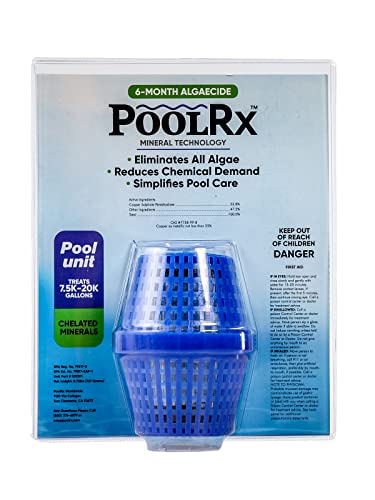
- VC Score8.8
BCP Score is a ranking system developed by bestcleanerproducts.com. BCP Score has no relationship or impact from any manufacturers or sales agent websites. Learn more
- Brandpoolrx
Last update on 2026-10-08 / Affiliate links / Images, Product Titles, and Product Highlights from Amazon Product Advertising API
FAQs
Why did my chlorine disappear within hours of adding it to the fresh pool?
Unstabilized fresh water loses free chlorine rapidly when exposed to direct sunlight. Without cyanuric acid acting as a sunscreen for the water, solar ultraviolet rays break apart chlorine molecules in as little as two hours. Measure your stabilizer level and bring it up to 30 to 50 parts per million before adding your next chlorine dose.
What should I do if my fresh water turns green or brown right after adding shock?
Discolored water right after shocking usually points to oxidized metals from a well water source rather than algae. Add a full dose of metal sequestering agent to suspend the metals, run your pump continuously, and backwash or rinse your filter regularly until the water clears. Avoid adding more chlorine until the sequestering agent has cleared the suspended rust particles.
Can my family swim in the newly filled pool before the chemicals are balanced?
You should keep everyone out of the pool until the entire balancing sequence is complete. Raw tap and well water can contain bacteria and environmental contaminants, while unbalanced pH can irritate eyes and cause severe skin dryness. Wait until the water has circulated for a full day, free chlorine sits between 1 and 4 parts per million, and pH measures between 7.2 and 7.6.


How to Refinish a Fiberglass Pool

How Do You Keep Raccoons Out of Your Pool?

How to Fix Cyanuric Acid in Your Pool

How to Shape a Pool Cue Tip to Stop Miscues

12 Best Automatic Vacuum For Intex Above Ground Pool of 2026 To Keep Vinyl Floors Spotless

10 Best Automatic Pool Vacuum For Above Ground Pool of 2026 To End Manual Scrubbing

How Much Pool Clarifier Should You Use for Your Pool Size?

How Much Does a Pebble Tec Pool Cost to Build or Resurface?








