
How to Repair Cracked Pool Steps Without Draining the Pool

A crack across the pool stairs looks alarming, but it rarely means the entire structure is ruined. Most small breaks can be fixed right under the water using a two-part waterproof epoxy putty that you knead by hand and press straight into the gap. That quick seal stops water from leaking behind the pool wall and eroding the soil underneath.
The right fix depends on the step material and how deep the break goes. Thin hairline cracks on fiberglass or plastic are easy to pack with putty, but wide splits may require lowering the water for a reinforced patch. The biggest warning sign is how the stair feels when stepped on, since a spongy tread means supporting dirt has washed away beneath it. Here is how to figure out what you have and seal the crack cleanly.
Inspecting Your Steps: Identifying the Material and Crack Severity
Before you grab a repair kit, take a close look at what your pool steps are made of and how far the crack goes. Most in-ground pools use one of three materials for built-in stairs: fiberglass, molded thermoplastic, or poured concrete. Fiberglass steps have a gelcoat, which is the smooth, colored outer shell of a fiberglass step. Molded thermoplastic steps are solid sheets of tough plastic formed into shape. Concrete steps are poured directly with the pool shell and covered in plaster or pebble finish. If you have solid concrete stairs rather than drop-in units, your fix will look more like the process to resurface a concrete pool step by step than a quick patch on plastic.
Cracks fall into two main groups: surface wear and structural breaks. Surface cracks, often called crazing or spider cracks, show up on the gelcoat after years of sun exposure and fluctuating water balance. They look like thin lines drawn with a sharp pencil. These lines do not leak water and rarely threaten the stairs, but they can feel rough against bare feet. In contrast, a structural crack splits all the way through the material. A true through-crack leaves a visible gap that pool water escapes through, seeping directly into the dirt behind the pool wall.
You can check the severity of the damage using this quick checklist:
- Hairline surface line: The mark is paper-thin, does not move when stepped on, and you cannot snag a fingernail in it. This is cosmetic wear that you can seal easily.
- Open through-crack: The gap is wide enough to catch your fingernail, has jagged edges, or shows dark discoloration behind the plastic. This crack is actively leaking water.
- Flexible or spongy step: The stair tread sags, bounces, or squeaks under your body weight. This means the dirt supporting the step from underneath has washed away.
- Multiple spiderweb fractures: Clusters of cracks running in all directions across a tread usually point to heavy pressure from shifting soil behind the stairs.
Never rush to drain your pool to fix a cracked step. Inground pools rely on thousands of gallons of water to counteract natural groundwater pressure. Emptying a pool completely can cause the entire shell to lift or shift out of the ground. For almost all small and medium cracks, you can make a reliable repair while keeping the pool completely full.
Patching Small Cracks Underwater with Epoxy Putty
You do not need to lower the water level for cracks that are less than a quarter-inch wide, as long as the step feels solid under your feet. The best tool for this job is two-part epoxy, which is a waterproof repair paste that hardens like stone after kneading two pieces together. This material cures chemically rather than by air drying, so it bonds and hardens submerged in pool water just as well as it does in open air.
Algae, sunscreen oils, and mineral scale build up on step surfaces over time. If you apply repair putty over that greasy film, it will peel off within days. Before you start mixing, wipe down the area thoroughly. If you recently had to clean algae from pool walls, you already know how stubborn that slick layer can be. Scrubbing the crack clean is what makes your repair last for seasons instead of weeks.
- Scrub the damaged area underwater: Put on a pair of swim goggles. Use a coarse scouring pad or rough wet-dry sandpaper to firmly scuff the crack and the surface half an inch around it. This removes slick biofilm and gives the patch a rough surface to grip.
- Measure out equal parts of epoxy: Step out of the pool and dry your hands. Cut equal amounts of resin and hardener from your repair kit, or slice off a chunk of an all-in-one putty stick. Only cut as much as you can place in five to ten minutes.
- Knead the putty thoroughly: Roll and fold the two parts together in your hands outside of the pool. Keep kneading for at least one to two minutes until the color is completely uniform with zero streaks or color marbling. The putty will begin to feel slightly warm as the chemical reaction starts.
- Shape the putty into a roll: Roll the mixed paste between your palms into a thin cylinder, roughly the thickness of a pencil and slightly longer than the crack you need to seal.
- Press the putty directly into the crack: Go underwater and press the roll firmly into the split. Push down hard with your thumbs so the paste forces its way deep into the crevice. You want the putty to fill the gap completely, not just sit on top of the surface.
- Smooth and taper the edges: Rub your fingers along the patch to feather the edges flat against the surrounding step. A smooth transition prevents swimmers from stubbing their toes or peeling up the edge with their feet. Let the putty cure undisturbed for at least three to four hours before letting anyone walk on the step.
Fixing Wide Splits and Addressing Spongy Steps
When a crack is wider than a quarter-inch, or if a jagged split spans across the entire tread, simple underwater putty will struggle to hold the gap together under foot traffic. In this situation, perform a reinforced repair using fiberglass mesh, which is a thin woven cloth used to reinforce liquid patch resin. This type of fix requires you to lower the pool water just until the damaged step sits a few inches above the waterline. Keep the rest of the pool full so the pool structure remains weighted down safely.
Before applying resin to a wide split, drill a tiny pilot hole at each outer end of the crack using a handheld drill. This sounds counterproductive, but rounding off the tips of a crack stops stress lines from spreading further across the plastic. Sand the plastic or gelcoat around the break with coarse sandpaper until the gloss is gone, wipe the dust away with rubbing alcohol, and let the area dry completely. Cut a piece of fiberglass mesh that overlaps the crack by at least one inch on all sides. Spread a layer of high-strength structural repair paste over the split, lay the woven mesh cloth directly into the wet paste, and smooth another layer of paste over the top. Once the patch cures rock-hard, sand it smooth so it blends flush with the step surface before refilling the pool.
If your steps bend or feel spongy when you step on them, you have a deeper structural issue called a void, which is an empty hollow pocket in the ground beneath the step. Inground steps are designed to rest on a packed bed of sand, gravel, or soil backfill. When a crack develops, pool water leaks through and slowly washes that dirt away. Without solid ground beneath it, the plastic or fiberglass must support your entire body weight alone. Every time someone steps down, the plastic flexes, which snaps patches loose and makes the crack spread.
You can identify severe void damage and know when to call a professional by checking these warning signs:
- Significant tread deflection: The step flexes downward by a half-inch or more when an adult stands on it. Surface patches will continuously crack under this level of movement.
- Hollow thumping sound: Tapping the center of the step tread sounds like a hollow drum, while tapping near the top edge sounds dull and solid.
- Sinkholes behind the pool deck: The soil or pavers directly behind the pool wall near the stairs begin to dip or sink, proving that dirt is washing away underground.
- Shifting pool wall joints: The seam where the step unit connects to the pool wall or vinyl liner track shows separation or pulled-out screws.
If you have a large void, patching the surface is only a temporary band-aid. A pool professional can stabilize spongy stairs by drilling small access holes into the deck or step and injecting high-density structural expanding foam. The foam expands beneath the stair unit, fills the empty cavern, hardens into a rigid base, and stops the flexing completely. Once the support is back, a surface patch can hold up for years.
What to Look for in an Underwater Step Repair Compound
Choosing the right repair material comes down to matching the compound to your water conditions and step surface. Pool steps endure constant chemical exposure, direct summer sun, and physical weight, so standard hardware-store adhesives will break down within weeks. When selecting a repair compound to fix steps without draining your pool, verify a few specific capabilities on the label.
Confirm that the product explicitly states it cures fully submerged in water. Many general-purpose adhesives claim to be waterproof, but they require dry air to cure before they can get wet. True pool-grade putties cure by chemical catalyst, meaning they set just as quickly at the bottom of the shallow end as they do on a dry deck. Check the manufacturer notes for working time as well. You want an epoxy that gives you five to ten minutes of pliable work time after mixing, which provides plenty of leeway to swim down, position the compound, and smooth the edges without the putty hardening in your hands.
Material compatibility is equally important. Look for compounds labeled safe for fiberglass, molded ABS plastic, and gelcoat. If you have a white step unit, choose a bright white or off-white putty so the patched crack does not stick out like an eyesore. For colored steps or plaster, look for neutral gray or tintable compounds that blend into the surrounding pool finish.

- VC Score9.2
BCP Score is a ranking system developed by bestcleanerproducts.com. BCP Score has no relationship or impact from any manufacturers or sales agent websites. Learn more
- BrandEpoxybond Pool Putty
- VC Score8.8
BCP Score is a ranking system developed by bestcleanerproducts.com. BCP Score has no relationship or impact from any manufacturers or sales agent websites. Learn more
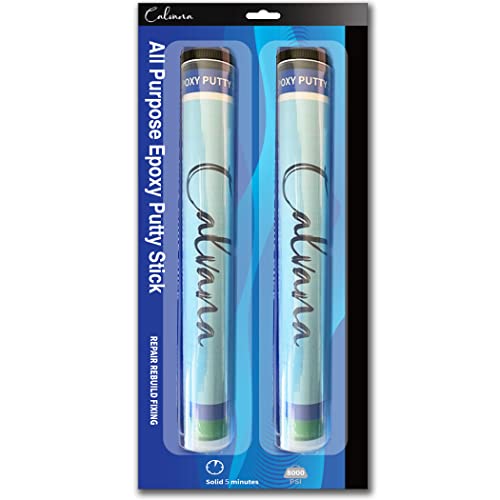
- BrandCalvana

- VC Score8.8
BCP Score is a ranking system developed by bestcleanerproducts.com. BCP Score has no relationship or impact from any manufacturers or sales agent websites. Learn more
- BrandGoovilla
![Epoxybond Atlas Pool Putty Epoxy Leak Sealer Kit + Valuable Instructional Videos by Swimming Pool Leak Detector [ Solves #1 DIYer Complaint [ So You Get it Right The 1Time ]](https://m.media-amazon.com/images/I/41S7P1MyM-L._SL500_.jpg "Epoxybond Atlas Pool Putty Epoxy Leak Sealer Kit + Valuable Instructional Videos by Swimming Pool Leak Detector [ Solves #1 DIYer Complaint [ So You Get it Right The 1Time ]")
- VC Score8.8
BCP Score is a ranking system developed by bestcleanerproducts.com. BCP Score has no relationship or impact from any manufacturers or sales agent websites. Learn more
- BrandEpoxybond

- VC Score8.6
BCP Score is a ranking system developed by bestcleanerproducts.com. BCP Score has no relationship or impact from any manufacturers or sales agent websites. Learn more
- BrandJ-B Weld

- VC Score8.6
BCP Score is a ranking system developed by bestcleanerproducts.com. BCP Score has no relationship or impact from any manufacturers or sales agent websites. Learn more
- BrandJ-B Weld

- VC Score8.4
BCP Score is a ranking system developed by bestcleanerproducts.com. BCP Score has no relationship or impact from any manufacturers or sales agent websites. Learn more
- BrandJack's Magic

- VC Score8.2
BCP Score is a ranking system developed by bestcleanerproducts.com. BCP Score has no relationship or impact from any manufacturers or sales agent websites. Learn more
- BrandIn The Swim

- VC Score-
BCP Score is a ranking system developed by bestcleanerproducts.com. BCP Score has no relationship or impact from any manufacturers or sales agent websites. Learn more
- BrandLCR
Last update on 2026-10-08 / Affiliate links / Images, Product Titles, and Product Highlights from Amazon Product Advertising API
FAQs
Can I run the pool filter pump while the epoxy putty cures?
Turn off the pool pump for at least two to four hours right after placing the putty. Strong water circulation from nearby return jets can wash away uncured paste or lift the feathered edges of the patch before it locks in place. Once the compound feels firm to a light finger touch, you can switch your filtration system back on.
Will pool chlorine or salt water damage the finished patch?
Fully cured pool-grade epoxy resists normal levels of chlorine, salt, and water balancing chemicals without breaking down. However, dropping concentrated chlorine tablets or shock granules directly on top of the repair can bleach or soften the material. Always dissolve your sanitizing chemicals in a bucket of water or add them far away from the shallow end steps.
How do I confirm whether a crack is actually leaking pool water?
You can check for an active leak by doing a simple dye check with food coloring. Turn off your pool pump so the water is completely calm, then swim down with a small syringe or medicine dropper filled with dark food coloring. Hold the tip half an inch from the crack and gently squeeze out a small ribbon of color. If the dye pulls directly into the seam like a vacuum, water is leaking through the step into the ground.

How to Refinish a Fiberglass Pool

How Do You Keep Raccoons Out of Your Pool?

How to Fix Cyanuric Acid in Your Pool

How to Shape a Pool Cue Tip to Stop Miscues

12 Best Automatic Vacuum For Intex Above Ground Pool of 2026 To Keep Vinyl Floors Spotless

10 Best Automatic Pool Vacuum For Above Ground Pool of 2026 To End Manual Scrubbing

How Much Pool Clarifier Should You Use for Your Pool Size?

How Much Does a Pebble Tec Pool Cost to Build or Resurface?


